Health Benefits of Red Onion
Garden Healthy 14/07/2026 15:16
Tired of pulling weeds every weekend? One of the easiest and most effective solutions is to let nature do the work for you.
Groundcover plants act as a living mulch, covering bare soil, blocking sunlight from reaching weed seeds, and creating dense root systems that leave little room for unwanted plants to grow. Once established, they require minimal maintenance while helping your garden stay healthy, attractive, and weed-free.
Here are 11 excellent groundcovers that can naturally reduce weed growth while adding beauty to your landscape.
Unlike bare soil, a thick carpet of plants creates conditions where weeds struggle to survive.
Groundcovers help by:
Blocking sunlight from reaching weed seeds
Filling empty spaces before weeds can establish
Conserving soil moisture
Reducing erosion
Improving soil health over time
Decreasing the need for mulch and frequent weeding
A favorite among gardeners, creeping thyme forms a fragrant mat of tiny leaves and colorful blooms.
Benefits:
Tolerates light foot traffic
Drought resistant
Attracts bees and butterflies
Excellent weed suppression
Performs well in poor soils
Ideal for pathways, rock gardens, and sunny borders.
Known for its bright green or golden foliage, Creeping Jenny spreads quickly to cover open spaces.
Benefits:
Fast-growing
Thrives in sun or partial shade
Helps control erosion
Suitable for moist areas
Best used where rapid ground coverage is desired.
This evergreen favorite produces glossy leaves and beautiful blue or purple flowers.
Benefits:
Grows well in shade
Dense foliage discourages weeds
Evergreen in many climates
Excellent beneath trees
A great choice where grass struggles to grow.
Ajuga spreads through runners to create a colorful carpet of foliage.
Benefits:
Fast spreading
Shade tolerant
Attractive purple, bronze, or green leaves
Spring flowers support pollinators
Perfect for covering large shaded spaces.
Delicate in appearance but surprisingly resilient, Sweet Woodruff thrives in woodland-style gardens.
Benefits:
Prefers shady locations
Forms dense ground cover
Pleasant fragrance
Helps protect soil structure
Excellent beneath shrubs and trees.
These low-growing succulents excel in dry, sunny locations.
Benefits:
Very drought tolerant
Requires minimal maintenance
Dense growth limits weeds
Long-lasting flowers
Ideal for rock gardens and areas with poor soil.
Mazus creates a lush carpet with small flowers and spreads rapidly.
Benefits:
Fits nicely between stepping stones
Fast-growing
Low-growing habit
Soft appearance with durable performance
A great option for garden paths.
One of the most reliable evergreen groundcovers for shaded landscapes.
Benefits:
Dense year-round foliage
Performs well beneath trees
Low maintenance
Forms an effective weed barrier over time
Ideal for large shaded planting areas.
Often overlooked, clover is an outstanding natural groundcover.
Benefits:
Adds nitrogen to the soil
Dense growth suppresses weeds
Drought tolerant
Suitable for light foot traffic
Supports beneficial pollinators
Excellent for eco-friendly lawns and open garden spaces.
With vibrant flowers and succulent leaves, Ice Plant thrives in hot, dry conditions.
Benefits:
Excellent heat tolerance
Long flowering season
Strong ground coverage
Grows well in sandy soil
Perfect for sunny landscapes.
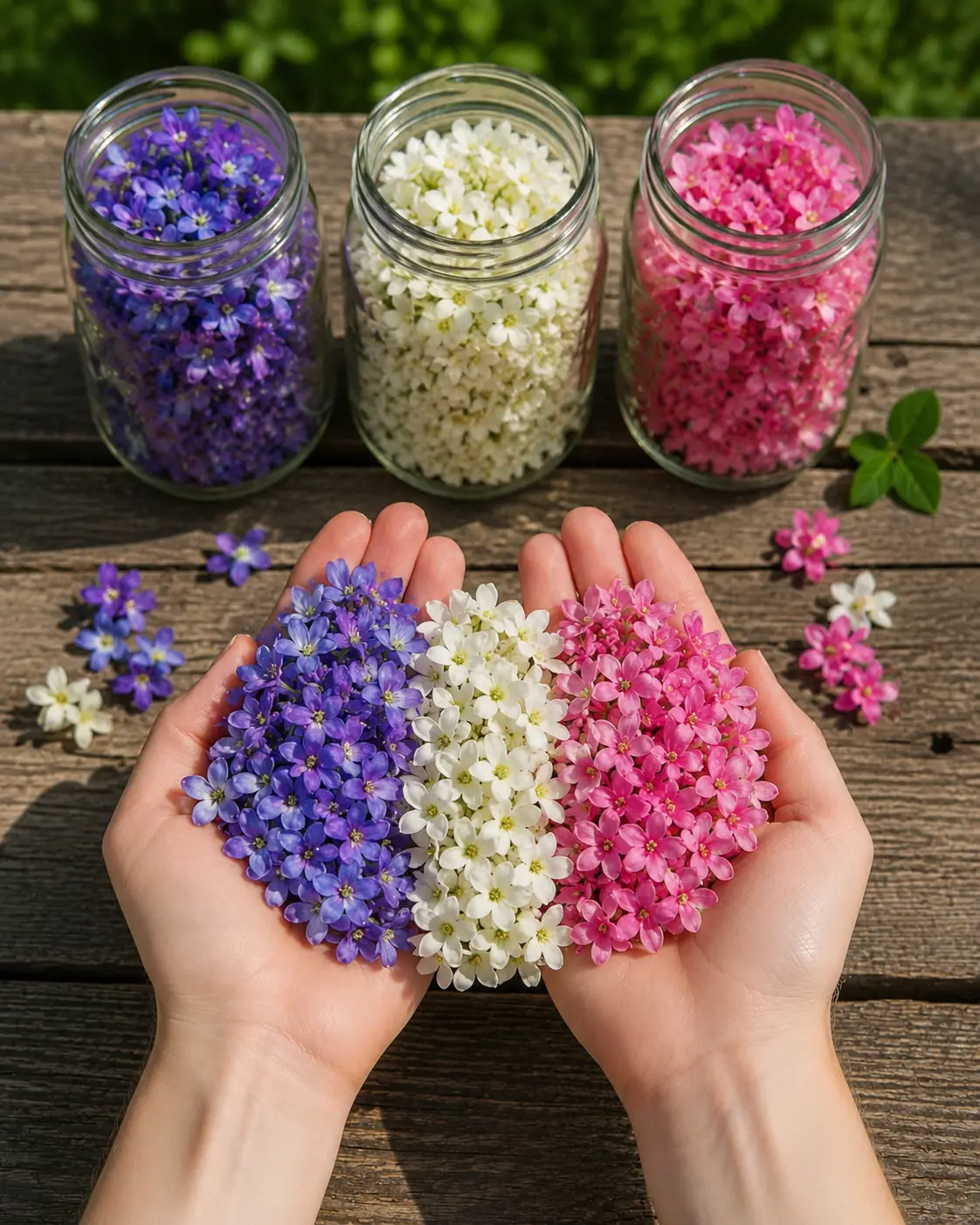
These compact flowering plants combine color, fragrance, and practical ground coverage.
Benefits:
Bright, colorful blooms
Pleasant fragrance
Forms dense clumps
Helps reduce weed growth between borders and stones
A beautiful addition to ornamental gardens.
For the best results:
Remove existing weeds before planting.
Space plants closely so they fill in quickly.
Water regularly until they become established.
Apply a light layer of mulch during the first growing season.
Trim edges occasionally to keep growth tidy.
As the plants mature, they form a dense living carpet that naturally limits weed growth.
Nature rarely leaves bare ground uncovered—and neither should your garden. By replacing empty soil with healthy groundcover plants, you create a landscape that requires less maintenance while staying greener and more resilient.
Groundcovers offer many long-term benefits:
Less time spent weeding
Improved soil health
Better moisture retention
Reduced need for herbicides
A fuller, more attractive garden
Choose varieties that match your local climate and light conditions, and let them become your garden's natural defense against weeds.
If you enjoyed this guide, share it with fellow gardeners who are looking for easier, more sustainable ways to keep weeds under control.