Here's What the Letter 'M' and the Crescent Moon on the Palm of Your Hand Truly Signify
Facts 29/06/2026 22:00
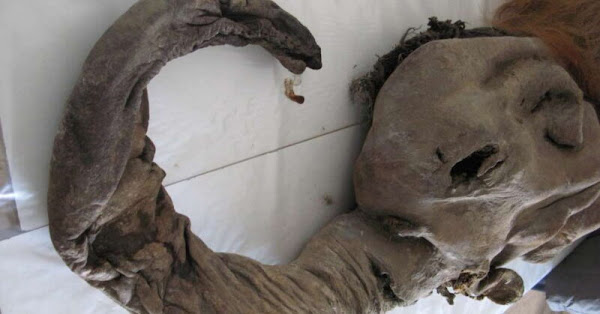
Cells from a woolly mammoth that died approximately 28,000 years ago have begun showing “signs of life” during a groundbreaking scientific experiment, marking a remarkable milestone in the field of de-extinction and ancient DNA research.
Image credit: Kindai University
The young woolly mammoth was excavated from the Siberian permafrost in 2011, remarkably well-preserved after tens of thousands of years buried in ice. Since woolly mammoths went extinct around 4,000 years ago, discovering such a relatively intact specimen dating back 28,000 years was a significant breakthrough, raising hopes among scientists studying ancient DNA and extinct species.
Researchers have been eager to assess the viability of biological materials recovered from the mammoth’s remains after millennia of preservation. Recently, a team at Kindai University in Japan reported that the mammoth’s DNA remains partially intact, and their efforts suggest the tantalizing possibility of eventually bringing this enormous prehistoric creature back to life—or at least, close to it.
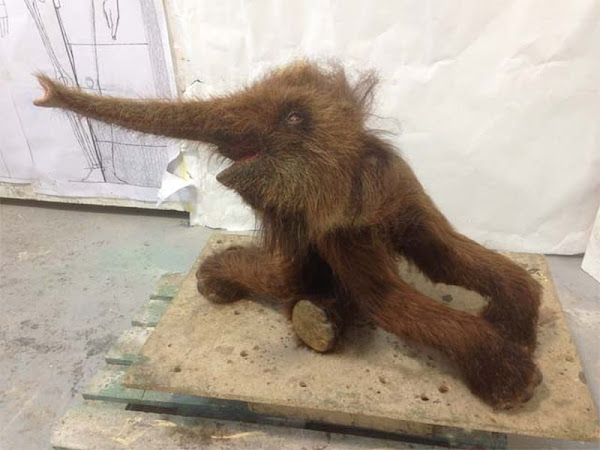
If these efforts prove successful, the first resurrected woolly mammoths might look somewhat like this (initially, of course).
Model depicting mammoth calf, Stuttgart. Image credit: Apotea
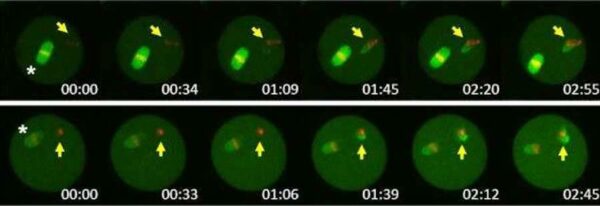
The experiment’s success hinges on the university scientists’ ability to extract cell nuclei from the mammoth’s preserved tissues and transplant them into mouse oocytes—immature egg cells found in ovaries that have the capacity to develop into fully functioning egg cells after genetic division. This technique essentially uses the mouse cells as “hosts” to activate the mammoth DNA.
After the transplantation, the cells derived from the 28,000-year-old mammoth began to exhibit “signs of biological activity,” a surprising and exciting discovery given the age of the sample.
A time-lapse of mouse oocyte cells injected with mammoth nuclei. Kindai University/Scientific Reports
“This suggests that, despite the thousands of years that have passed, some cellular functions can still occur, and parts of this ancient biology can be recreated,” explained study author Kei Miyamoto from the Department of Genetic Engineering at Kindai University. Remarkably, five of the transplanted cells displayed signs typically seen right before cell division, indicating a surprisingly high degree of cellular viability.
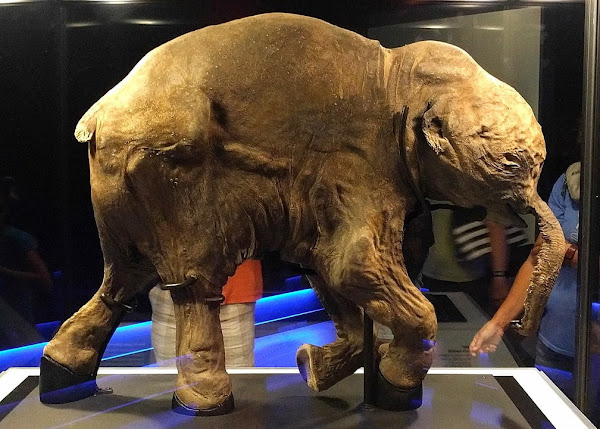
Frozen mammoth calf “Lyuba” – it still had food in its stomach, Royal BC Museum. Image credit: Ruth Hartnup
Determining whether mammoth DNA could still function after tens of thousands of years was no easy feat. Researchers began by carefully extracting bone marrow and muscle tissue samples from the mammoth’s leg. These samples were scrutinized for intact nucleus-like structures, which could potentially contain viable DNA. Once identified, the nuclei were isolated and prepared for transplantation.
When these mammoth nuclei were introduced into mouse oocytes and combined with mouse proteins, some mammoth cells demonstrated the ability to undergo nuclear reconstitution—a process where the cell nucleus is restored to an active state. This finding suggests that even after 28,000 years, mammoth cell nuclei can remain biologically active, providing a promising foundation for future attempts to recreate living cells from extinct species.
In other words, the potential to resurrect an ancient specimen like this woolly mammoth is more than just science fiction—it could become a reality with further advances.
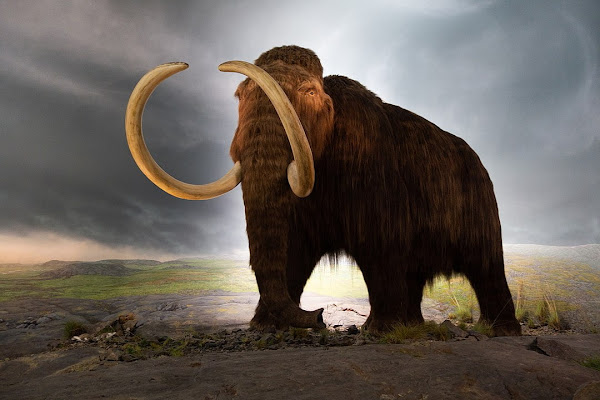
Royal Victoria Museum, Victoria, British Columbia, Canada, 2018
While Miyamoto acknowledges that “we are still very far from fully recreating a living mammoth,” many scientists pursuing gene editing and cloning techniques are optimistic that the goal is within reach. Recent developments employing the controversial CRISPR gene-editing tool have accelerated progress by allowing researchers to modify the genome of closely related species, such as the Asian elephant, to incorporate mammoth-like traits. This approach may eventually lead to the birth of a hybrid creature with woolly mammoth characteristics.
However, the question remains: do we truly need to bring back a species that vanished thousands of years ago? The ethical, ecological, and environmental implications of de-extinction are hotly debated among scientists, conservationists, and the public alike. Some argue that resources might be better spent preserving endangered species currently facing extinction due to habitat loss and climate change. Others believe that reviving extinct animals like the woolly mammoth could help restore lost ecosystems and combat modern environmental issues such as permafrost thawing.
Ultimately, this pioneering research not only pushes the boundaries of genetic science but also forces us to reconsider our relationship with nature, extinction, and the future of biodiversity on Earth.