6 Surprising Ways to Use Dishwasher Pods Around the House
Tips 02/12/2025 17:18
Fish is often praised as one of the healthiest sources of protein, offering essential nutrients such as omega-3 fatty acids, vitamins, and minerals. However, not all fish are equally safe to consume. In recent years, experts have repeatedly warned that certain species contain dangerously high levels of mercury, a toxic heavy metal that can accumulate in the body and cause serious health problems. Despite this, many people still buy these fish because they are inexpensive or readily available in markets. Understanding which fish are considered high-risk can help protect you and your family from long-term harm.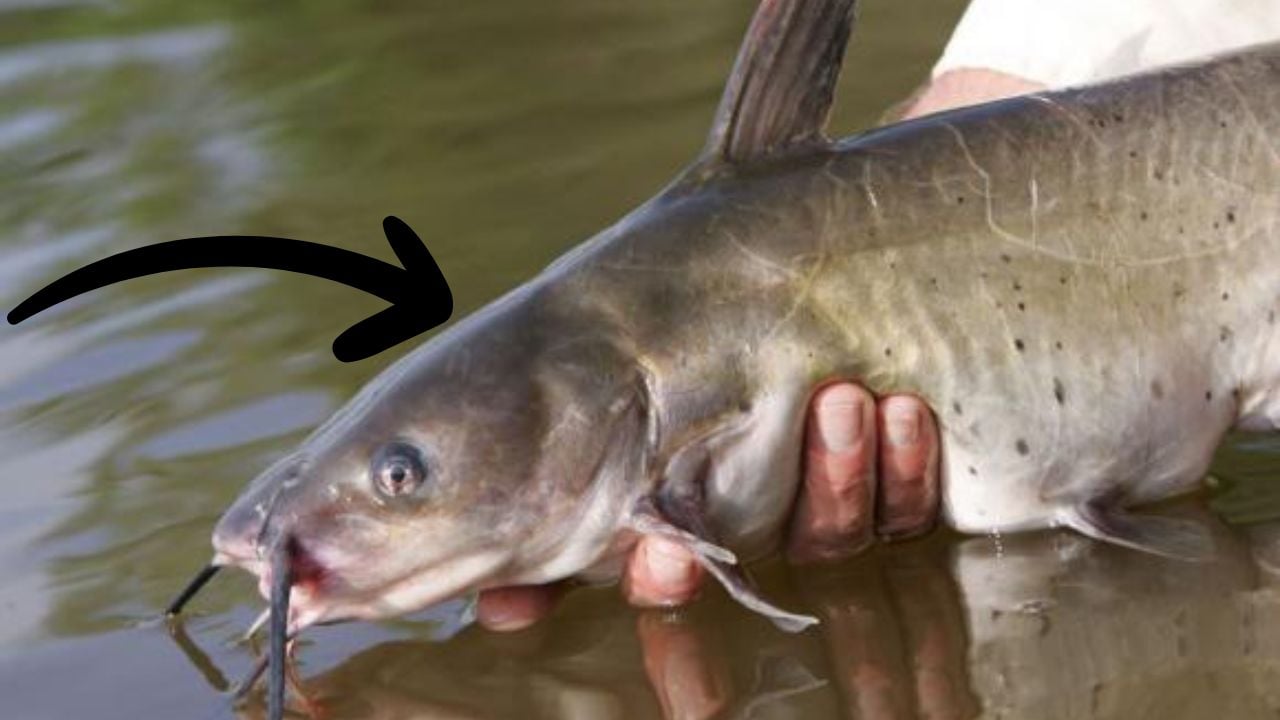
The first type of fish known to contain high levels of mercury is shark. Sharks are large predators at the top of the food chain, meaning they absorb mercury from all the smaller fish they eat. Over time, the mercury concentration in their bodies becomes extremely high. Regular consumption of shark meat can harm the nervous system, especially in children and pregnant women. Even though shark meat may be sold cheaply in some regions, health experts strongly advise avoiding it.
The second fish on the list is swordfish. Similar to sharks, swordfish are large and long-lived, allowing more time for mercury to accumulate in their tissues. Because of their size and diet, their mercury content is among the highest found in seafood. Eating swordfish too frequently can increase the risk of mercury poisoning, which affects memory, coordination, and kidney function. No matter how affordable it may appear at the market, it is best to choose safer alternatives.
The third type is king mackerel. While mackerel in general is popular and nutritious, king mackerel specifically has been identified as having significant mercury levels. Many people mistake it for regular mackerel and buy it because of its low price. However, repeated consumption can be harmful, especially for pregnant women, who should strictly avoid it. Choosing low-mercury fish like Atlantic mackerel is a safer option.
Next on the list is tilefish, a species found mostly in deep waters. Tilefish are not as commonly recognized, which makes people more likely to buy them without understanding the risks. They consistently appear on health advisory lists due to their high mercury content. The toxin can affect the cardiovascular and neurological systems, so limiting or eliminating tilefish from your diet is highly recommended.
The fifth and final type is bigeye tuna. Not all tuna is dangerous, but bigeye tuna and some other large tuna species contain elevated mercury levels because of their long lifespan. Many canned tuna products are safe, but fresh bigeye tuna sold cheaply at markets can pose significant health risks. Mercury from tuna can accumulate over time, leading to fatigue, digestive problems, and impaired brain function.
While these five types of fish are known for high mercury levels, this does not mean that all fish should be avoided. Many species—such as salmon, sardines, anchovies, and small mackerel—are rich in nutrients and contain very little mercury. The key is awareness and informed decision-making. Cheap seafood may seem appealing, but the long-term health consequences of mercury exposure are far more costly. By understanding which fish carry the highest risks, you can make safer choices that protect your well-being and the health of your family.