The effortless daily trick people use to double their potassium
Health 02/12/2025 23:08
What we eat has a profound impact on our overall well-being. Through our daily food choices, we supply the body with essential vitamins, minerals, fiber, antioxidants, and energy needed to function properly. A balanced diet supports immunity, stabilizes metabolism, and helps the body repair itself on a cellular level.
However, the Standard American Diet (SAD) is often high in processed foods, refined sugars, and unhealthy fats—factors believed to contribute to the nation’s growing rates of chronic illness, including cancer. According to the American Institute for Cancer Research, only about 8% of the typical American diet consists of protective, nutrient-dense foods.
It’s important to clarify that no single food can prevent or cure cancer. Instead, long-term healthy eating patterns may help reduce the risk. As wellness dietitian Lindsey Wohlford explains, “Research tells us that making healthy food choices consistently over time can reduce your risk of getting cancer, but you can’t say with absolute certainty that food can prevent cancer. There are no guarantees.”
Still, several foods are widely studied for their potential protective benefits. Below are some noteworthy examples.
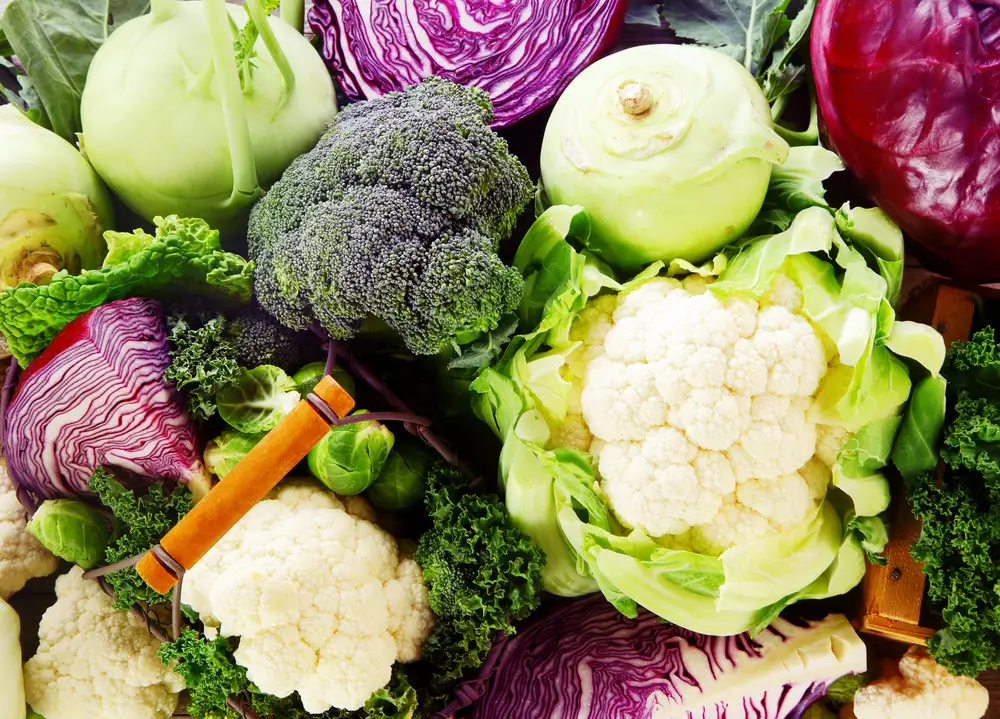
Cruciferous vegetables—members of the Brassicaceae family—include radishes, arugula, bok choy, broccoli, Brussels sprouts, cabbage, cauliflower, kale, daikon, and turnips. These vegetables are rich in isothiocyanates, compounds known for reducing inflammation and helping deactivate certain cancer-causing substances.
Some research suggests that regularly consuming cruciferous vegetables may help lower the risk of cancers such as breast, esophageal, oral, and kidney cancers. In addition to their potential anticancer properties, they provide fiber, vitamins C and K, and other nutrients essential for immune and digestive health.
Turmeric is a versatile plant used in cooking, traditional medicine, cosmetics, and even pharmaceuticals. Its active compound, curcumin, has strong antioxidant and anti-inflammatory properties.
Turmeric may help:
Support the body’s natural inflammatory response
Protect cells from damage
Ease symptoms of arthritis
Potentially slow the growth of abnormal cells
Support healthy aging
While more research is needed on its direct effects on cancer prevention, turmeric remains a powerful functional food incorporated into diets worldwide.
Long-term studies involving tens of thousands of participants have found that people who regularly include mushrooms in their diet may have a reduced risk of developing prostate cancer. Mushrooms contain vitamins, minerals, and antioxidants—especially L-ergothioneine, which may help protect cells from oxidative stress.
Other research suggests that mushrooms may support breast health due to compounds such as glutathione, ergothioneine, and polysaccharides. Medicinal varieties—including reishi, turkey tail, shiitake, and maitake—are known for strengthening immune function. Turkey tail mushrooms, for example, contain a compound called PSK, which has been studied for its potential role in supporting cancer therapies.

Onions, shallots, leeks, and garlic belong to the allium family. They are rich in sulfur-containing compounds believed to support detoxification and protect against certain cancers, particularly those related to the digestive system, such as colorectal cancer.
Research shows that garlic and onions may have promising antioxidant and anticancer properties, contributing to a healthier gut and immune system.
Wakame is an edible seaweed commonly used in East Asian cuisine. Early laboratory and animal studies suggest it may help suppress the growth of breast, colon, and kidney cancer cells, though its effects on humans require further research.
Wakame is also a natural source of iodine, providing about 42 mcg per serving—a nutrient essential for proper thyroid function and metabolic health.
Lycopene is a powerful antioxidant found in red and pink fruits and vegetables, including tomatoes, watermelons, pink grapefruits, and red peppers. Because the body does not produce lycopene on its own, it must come from dietary sources.
According to Hope Barkoukis, Ph.D., lycopene can help neutralize harmful free radicals in the body. Diets rich in lycopene-containing foods are associated with a lower risk of certain cancers, heart disease, and other chronic conditions. Interestingly, cooked tomatoes—such as in sauces or soups—may make lycopene easier for the body to absorb.
Beta-carotene is a pigment and antioxidant found in orange and yellow fruits and vegetables such as carrots, sweet potatoes, and butternut squash. The body converts beta-carotene into vitamin A, which supports immune function and cell growth.
While beta-carotene’s direct role in cancer prevention is still being researched, these foods remain beneficial for overall health due to their vitamin content, fiber, and antioxidant activity.
Fatty fish such as salmon, sardines, anchovies, herring, mussels, and albacore tuna are rich in omega-3 fatty acids and vitamin D. Regular consumption—typically once or twice per week—may support lower cancer risk by reducing inflammation and supporting immune function.
Omega-3s are also linked to heart health, improved brain function, and reduced chronic disease risk, making fatty fish an excellent addition to balanced diets.
While no diet can guarantee protection from cancer, adopting a nutrient-rich, whole-food eating pattern can support overall health and potentially reduce risk over time. Focusing on vegetables, fruits, lean proteins, whole grains, healthy fats, and antioxidant-rich foods creates a strong foundation for long-term wellness.
This information is for educational purposes only and is not a substitute for professional medical advice, diagnosis, or treatment. Always consult a qualified healthcare provider with any questions about your health, diet, or medications. Never disregard professional guidance based on information provided here.