THE MOST POTENT HERB THAT DESTROYS PARASITES, URINARY TRACT …
Health 30/06/2026 21:03
Cervical cancer is one of the leading cancers affecting women globally, yet it often develops quietly and without obvious symptoms in its earliest stages. By the time many women notice something is wrong, the disease has already progressed. Recognizing early warning signs—and acting on them—can literally mean the difference between life and death.
Unfortunately, embarrassment, neglect, or simply not knowing what to look for causes many women to dismiss these critical body signals. Below are eight subtle but serious early symptoms of cervical cancer that are commonly ignored, but should never be overlooked.
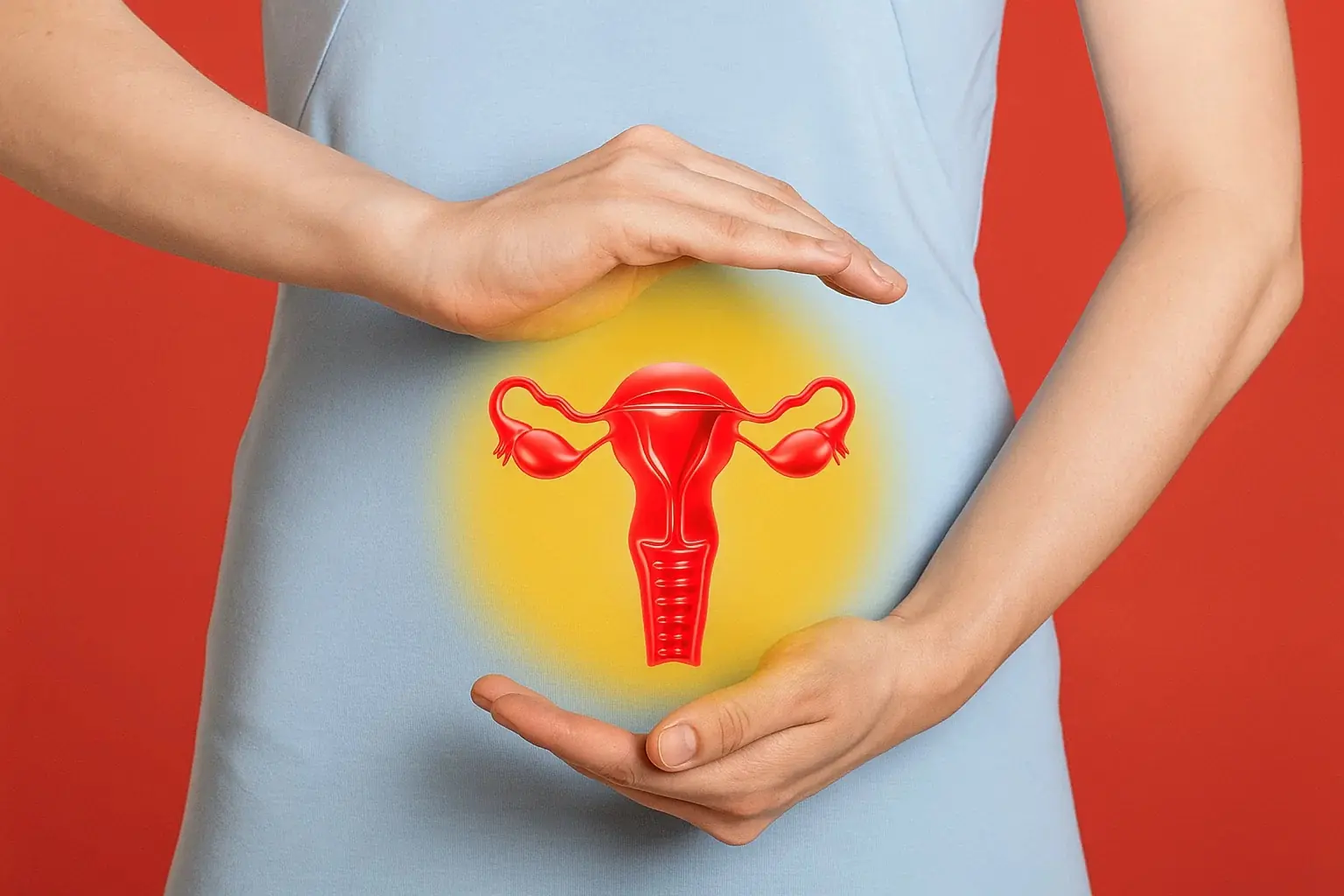
Any bleeding that happens outside your regular menstrual cycle, after intimacy, or following menopause is a key red flag. Even if it’s light, painless, or occurs only once, it deserves immediate medical attention. In postmenopausal women, any spotting at all should be taken seriously. Abnormal bleeding may indicate that cancerous or precancerous cells have damaged blood vessels in the cervix. Left unchecked, this bleeding can become more frequent or heavier over time.
A sudden change in discharge is one of the most overlooked signs. If you notice discharge that is watery, thick, unusually heavy, foul-smelling, or tinted with yellow, green, brown, or even traces of blood, don’t ignore it. Cervical tumors can cause infections or tissue breakdown, producing abnormal secretions. Pay special attention if discharge suddenly increases in volume or changes texture without an obvious cause.
If intimacy becomes consistently painful or results in spotting, it may be linked to cervical abnormalities. While infections or benign conditions can sometimes explain these symptoms, cervical cancer should be ruled out first. Tumors that develop near the cervix can irritate fragile tissues, leading to discomfort, burning sensations, or bleeding after intimacy. When this pain persists, it’s a clear sign to seek professional evaluation.
Ongoing pain that doesn’t match your menstrual cycle may indicate something more serious. Tumor growth can press on nerves, lymph nodes, or surrounding tissues, causing a dull ache in the pelvic area, abdomen, or lower back. If this discomfort lingers for weeks without explanation—and especially if paired with other symptoms—it’s a warning that needs urgent medical attention.
Cervical tumors can press against the bladder or urethra, leading to changes such as frequent urges to urinate, burning sensations, incontinence, or even blood in the urine. These problems are often mistaken for urinary tract infections, but if they persist despite treatment, a deeper evaluation is necessary.
One easily overlooked symptom is swelling in a single leg. This happens when a tumor blocks lymphatic drainage in the pelvic region, preventing proper circulation. While the swelling may be painless at first, it signals that the disease may be advancing. If one leg looks noticeably larger or heavier than the other, consult a doctor without delay.
As cervical cancer develops, the body uses extra energy to fight the disease, which can leave women feeling constantly tired, weak, or drained—even after adequate rest. In some cases, tumors alter metabolism, leading to rapid or unexplained weight loss. These subtle changes are often ignored, but when combined with other warning signs, they paint a dangerous picture.
Advanced cervical cancer may put pressure on the intestines, leading to bloating, constipation, or difficulty with bowel movements. Some women also report a constant feeling of fullness or discomfort in the abdomen. While these symptoms can have many causes, when paired with abnormal bleeding or pelvic pain, they become highly concerning.
Why Early Detection Is Life-Saving
What To Do If You Notice Symptoms
Final Word
Cervical cancer doesn’t strike in silence—it leaves warning signs. The challenge is recognizing them in time. Abnormal bleeding, unusual discharge, pelvic pain, painful intimacy, urinary changes, leg swelling, and other subtle shifts in your body should never be dismissed.
By listening to your body, scheduling regular check-ups, and taking advantage of prevention tools like HPV testing and vaccination, women can protect their health, their fertility, and their future.