A common household item may release up to 3 billion microplastic particles: Many families and hotels are still using it the wrong way
A newly published study has startled many people, especially those who frequently use plastic electric kettles at home or during hotel stays.
For millions around the world, boiling water with an electric kettle is a daily habit—from homes and dormitories to hotels and homestays. It’s convenient, fast, and simple, which is why electric kettles have become almost a default amenity in many accommodations. However, plastic kettles—widely used in households and lodging facilities—are now raising serious concerns among scientists.
Billions of particles released from a single boil
According to a study published on December 1 by Dr. Elvis Okoffo from the University of Queensland (Australia), boiling water in a plastic kettle can release an enormous amount of nanoplastics into drinking water. These ultra-tiny plastic particles are even more harmful than typical microplastics and can easily penetrate the human body.
The findings showed that during the first boil, a plastic electric kettle can release up to 3 billion nanoplastic particles into just one 250 ml cup of water. Although the number decreases with subsequent boils, after 150 uses, the water still contains around 820,000 nanoplastic particles per ml—equivalent to 205 million particles in a single cup.
Dr. Okoffo explains that when plastic is exposed to high heat, parts of the material break down into microscopic particles. Tap water containing minerals can form a protective layer on the kettle’s surface, helping reduce the breakdown rate—but not enough to stop it completely.
Because of this, he recommends never drinking the first boil from a plastic kettle. Instead, boil the water once or twice and discard it. Simply rinsing the kettle is not effective because degraded plastic particles only wash away under heat.
Many households and hotels still use plastic kettles incorrectly
Despite the widespread presence of plastic electric kettles in homes and hotels, many users are not aware of the need to discard the first boil.
Experts offer a simple but crucial recommendation:
If you use a plastic kettle, always boil the first batch of water and throw it away.
This applies not only in your home but also when staying in hotels or homestays. Doing so reduces both your exposure to nanoplastics and helps keep the kettle cleaner.
A small habit change can reduce hidden health risks
The research from the University of Queensland highlights a surprising truth: even the most familiar household items can carry hidden dangers. Fortunately, a small change in daily routine—such as discarding the first boil—can significantly reduce the amount of plastic your body encounters.
Sometimes, protecting your health starts with a very simple step.
News in the same category


What Can You Make with Expired Yogurt?

Useful Tips for Better Sleep: Treat Insomnia and Difficulty Sleeping with Ginger and Ice Cubes

My Nana Taught Me This 2-Minute Trick to Stop Weeds From Sprouting After Leaf Cleanup — And It Works Like Magic

Most people will never know

You’ve been doing it wrong. Here’s the 3-minute mosquito trick my aunt swears by
Okay, I really need to try this in my garden

Honeybee Venom Can Destroy Breast Cancer Cells in Under an Hour — A Breakthrough That Could Transform Modern Medicine

Love Can Literally Make Your Body Crave More Sleep — Here’s the Science Behind It

A Revolutionary German Gel May Repair Joints Naturally—Potentially Eliminating the Need for Surgery

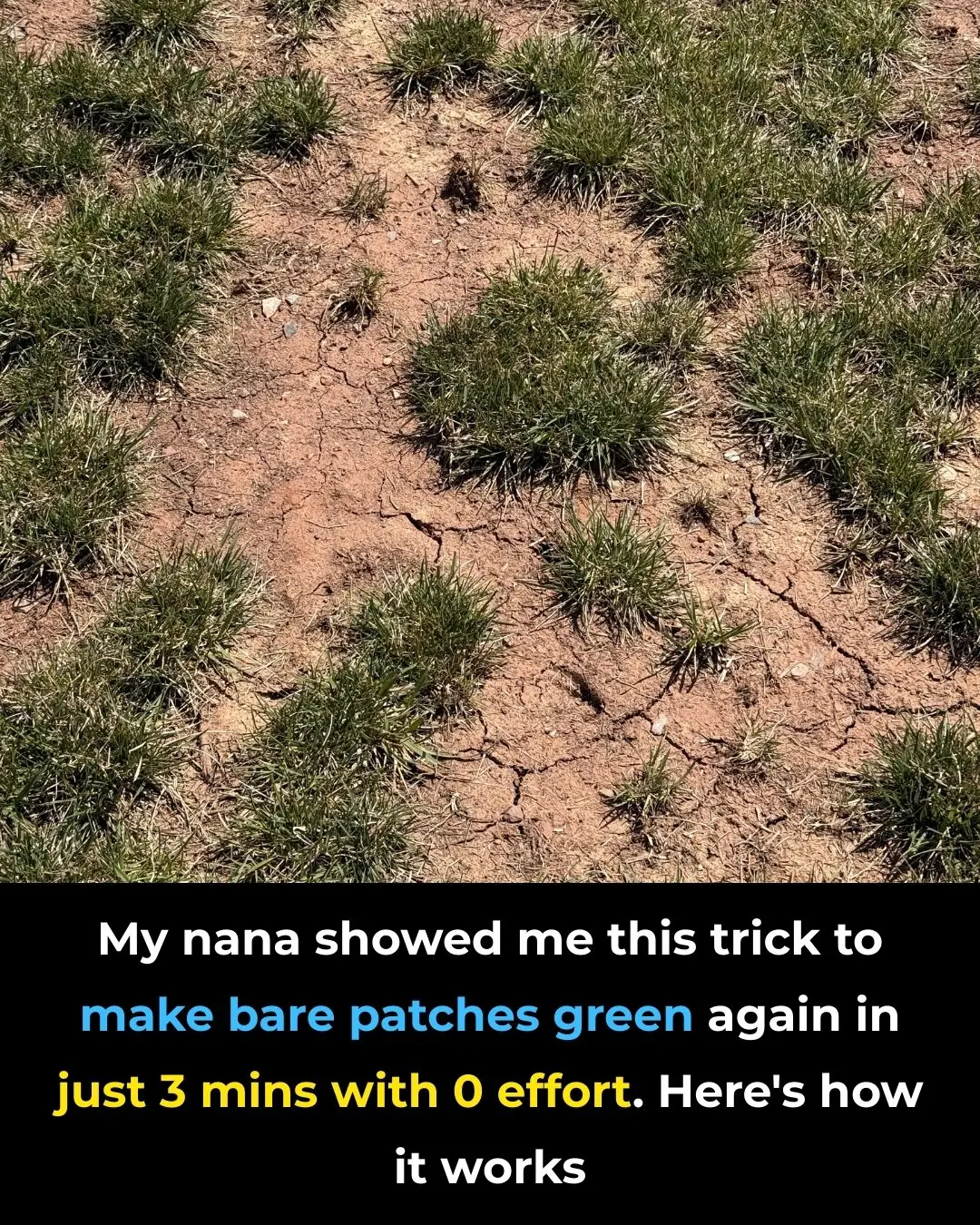
You’re doing it all wrong. Here’s the right way to fix bare lawn patches in just 3 minutes (my nana’s zero-effort trick!)

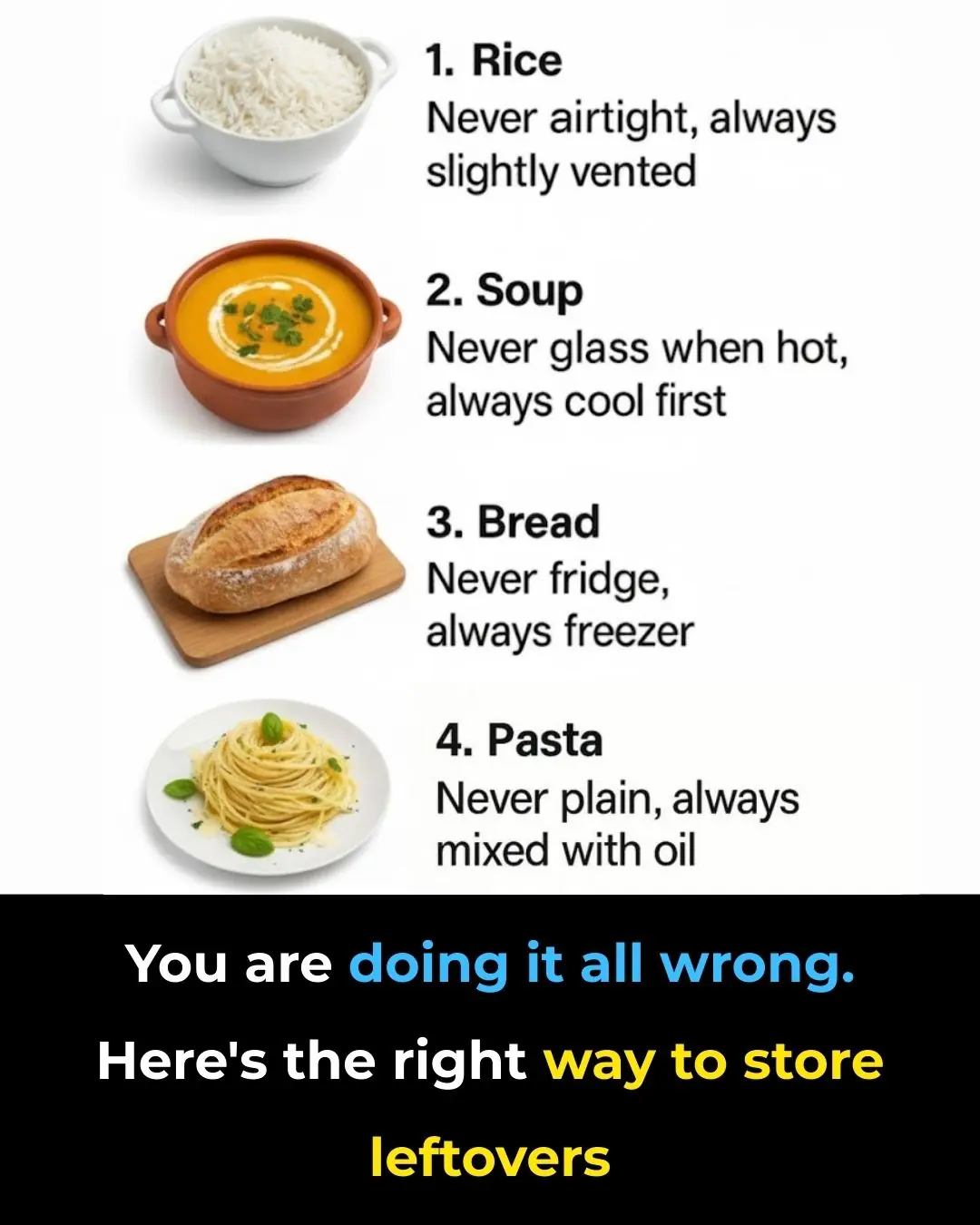
You're Doing It All Wrong. Here’s the Right Way to Store Leftovers (Expert-Approved Guide)

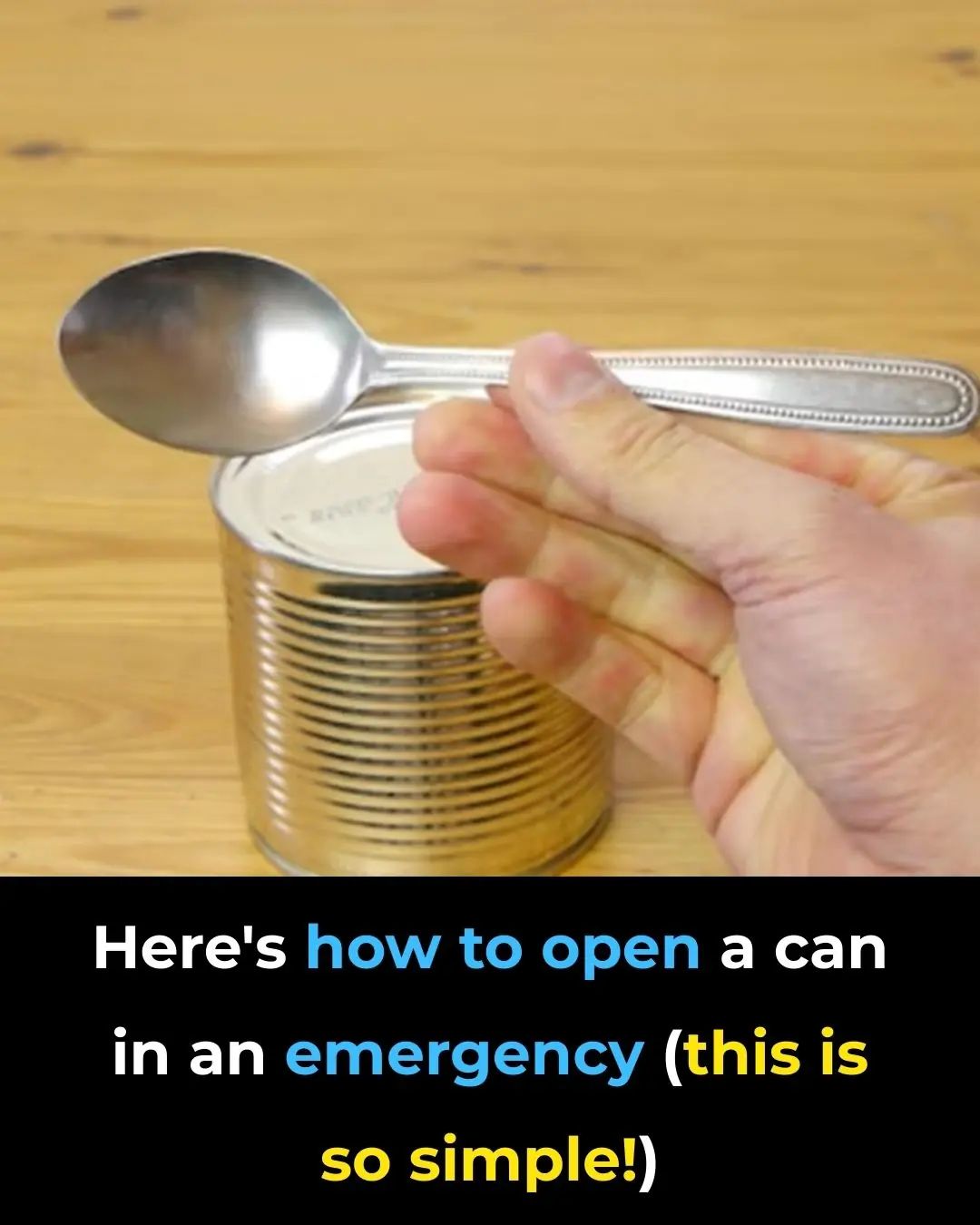
How to Open a Can in an Emergency (It’s Easier Than You Think!)

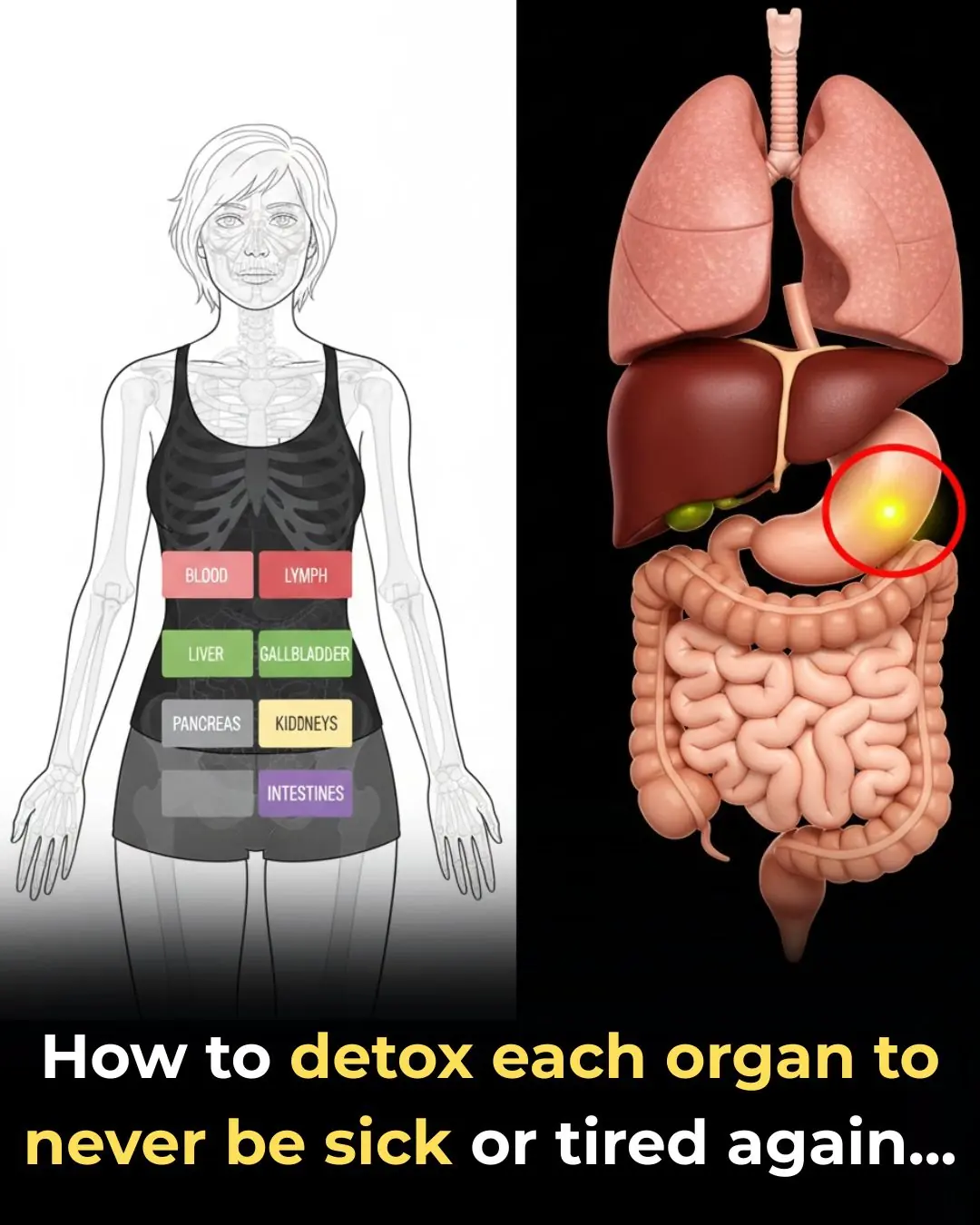
How To Detox Each Organ To Reset Your System

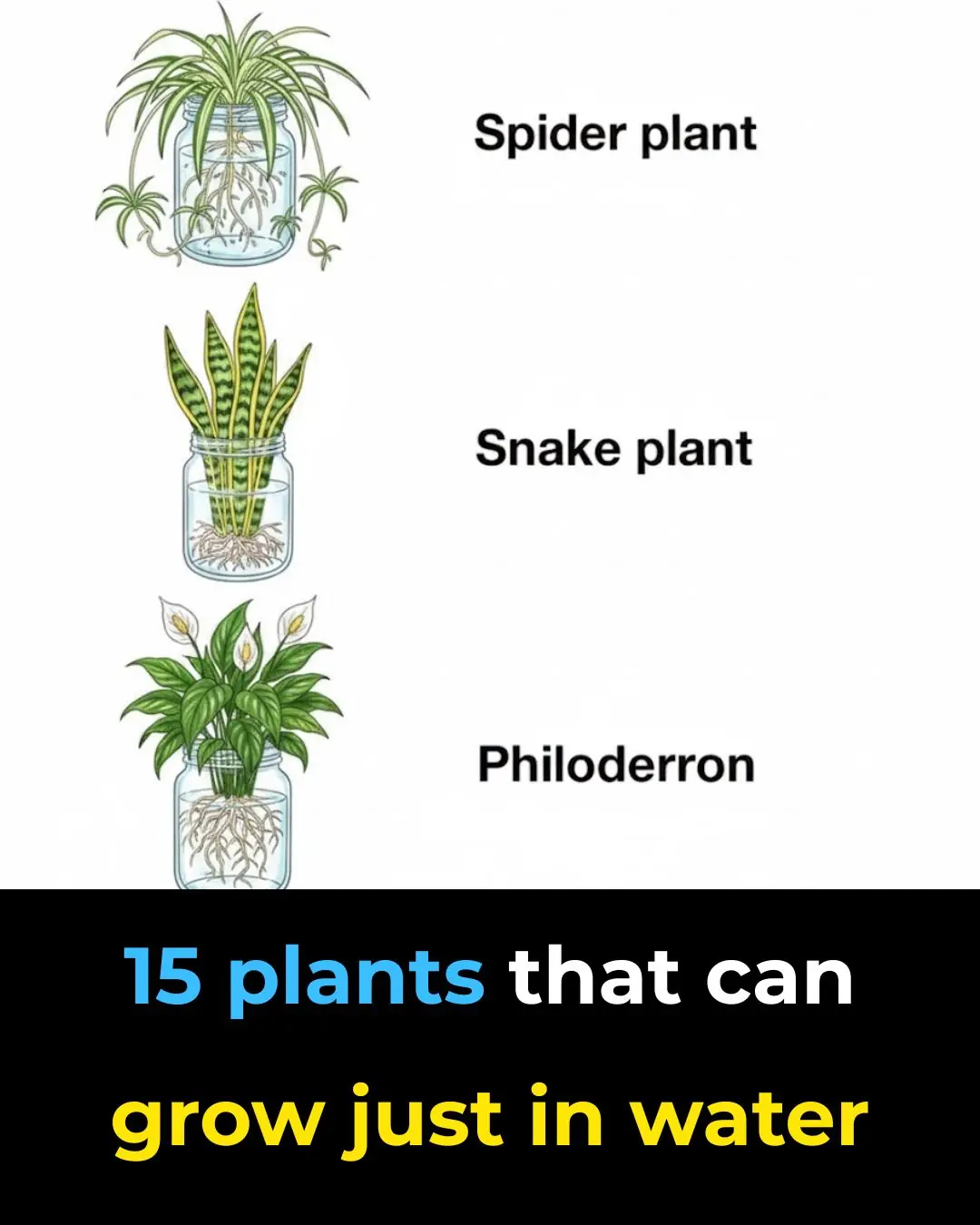
15 Plants That Can Grow Easily in Water — A Beautiful, Soil-Free Way to Green Your Home

Most people get this wrong and toss out the can. Here’s the right way to read ‘Best By’ or ‘Best Before’ dates

I Had No Idea! The Remarkable Story of the Stone Breaker Plant

Stop throwing out old hoses — 10 brilliant hacks to use them around the house

This Method Is So Brilliant — I Wish I’d Thought of It Sooner!
News Post

How to Use Garlic to Get Rid of Pests: Mice, Flies, Lice, Cockroaches, Lizards, Mosquitoes, and Kitchen Cockroaches

5 early warning signs of pancreatic cancer, according to survivors

Drink this to STOP joint pain naturally

Top 6 Neuropathy Remedies (Peripheral Neuropathy Home Remedies)

10 daily habits that are silently destroying your kidneys

Pineapple Mango Ginger Lemon Juice: Benefits, Nutrition & How to Make It

Saffron boosts mood and libido naturally

How to Support Your Kidneys Naturally Using 1 Teaspoon of Baking Soda

Can a Honey–Chia Drink Support Kidney Health? Benefits, Recipe & Daily Tips

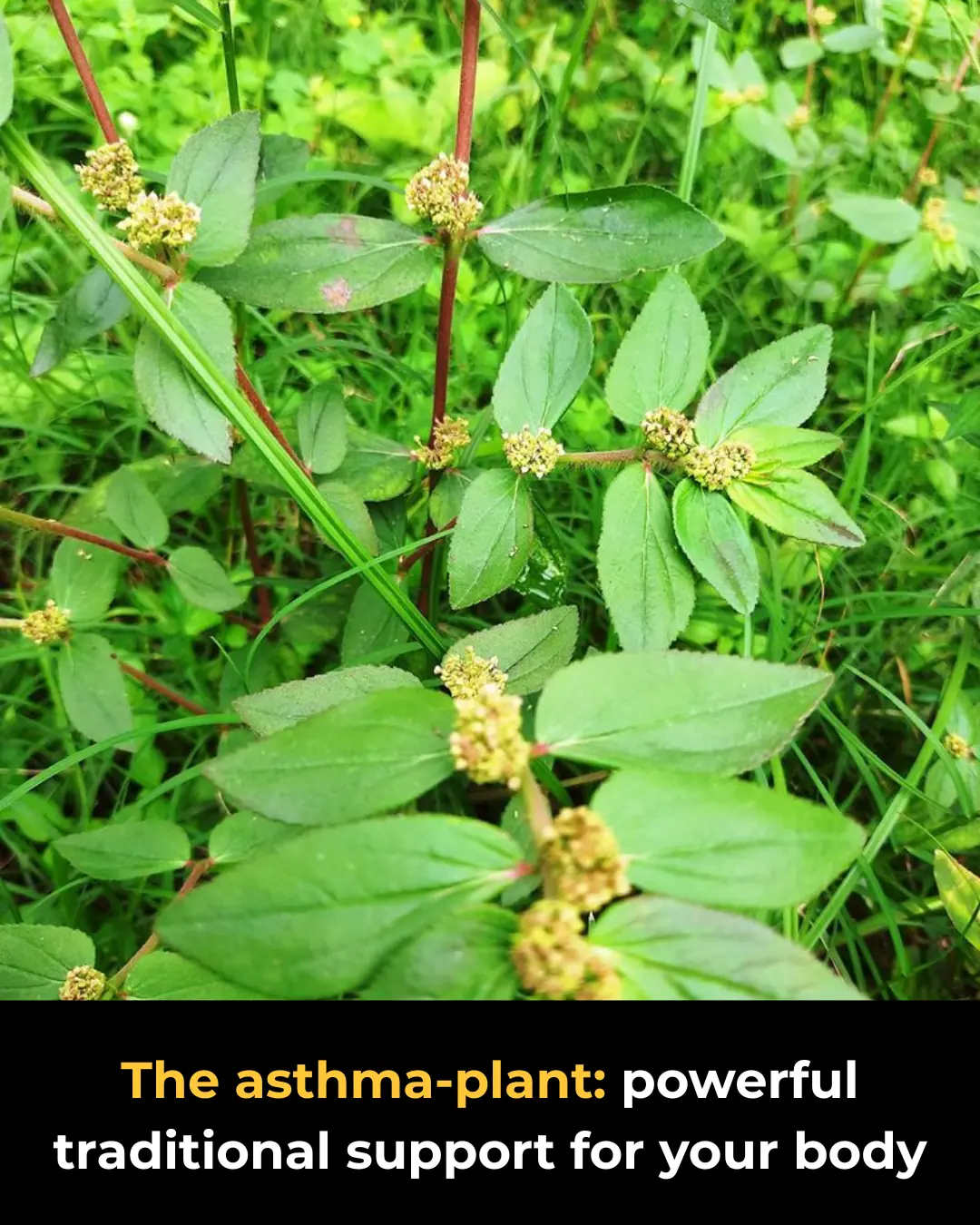
Euphorbia Hirta (Asthma-Plant): Traditional Uses, Applications & Emerging Insights

Nails: What Do They Reveal About Your Health

The surprising power of 4 seeds to repair your nerves naturally

Don’t Throw Away Date Seeds – Here’s Why They’re So Powerful

Avocado Seed: Cleanse Your Body and Strengthen Your Heart Naturally

Stop Shaving! Discover Natural & Long-Lasting Hair Removal for Face & Body

Why wood—not diamonds—is the universe’s rarest treasure

A Nearby Earth-Sized World Raising New Hopes for Habitability

How Finnish Forest Kindergartens Let Kids Thrive in Any Weather

Taiwan Researchers Develop Promising Hair-Regrowth Serum With Dramatic Lab Result