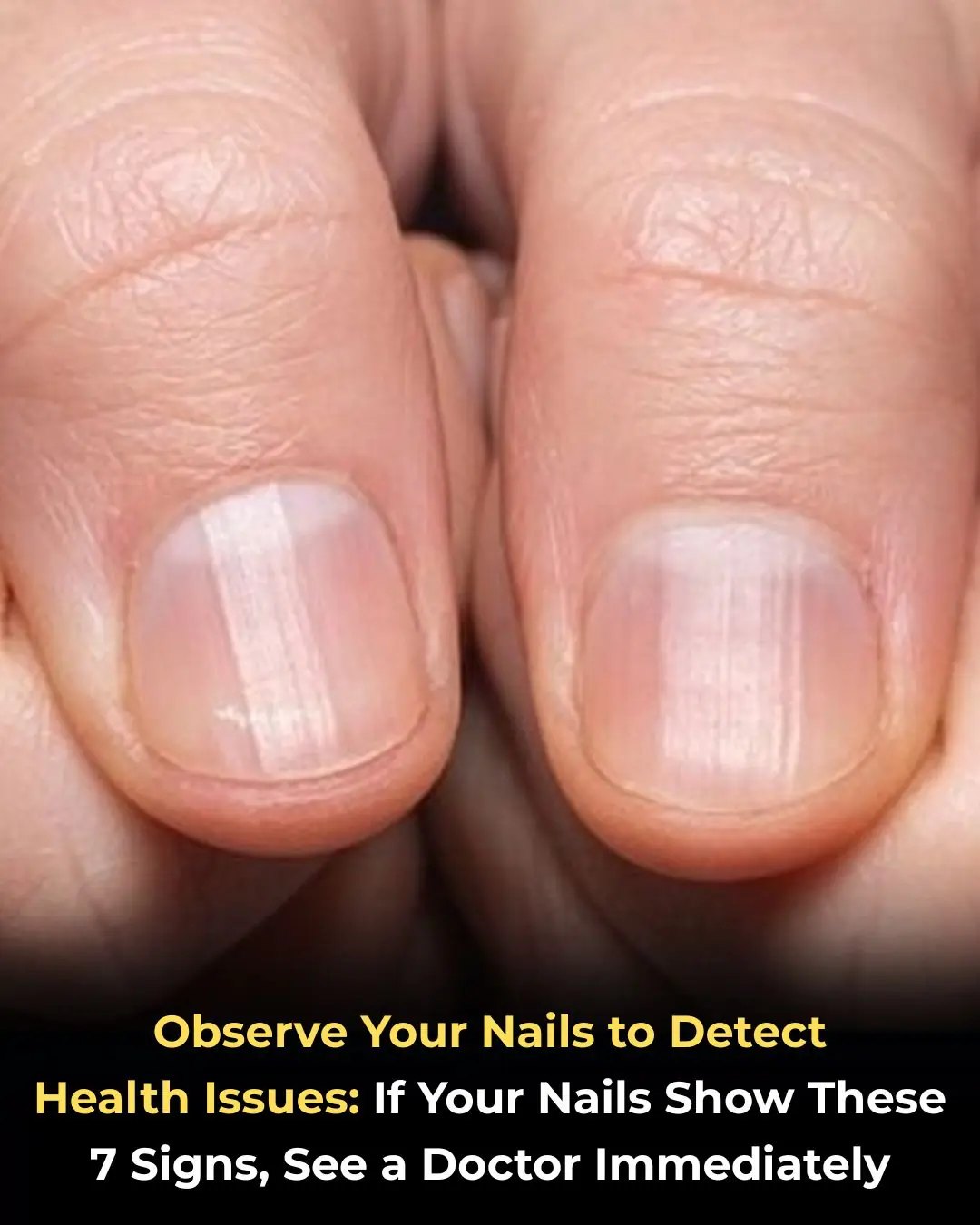
Nails: What Do They Reveal About Your Health
Facts 07/12/2025 23:49
The ocean has always held a mysterious allure — its shimmering waters, vibrant coral gardens, and endless horizons draw countless adventurers each year. For divers, the deep blue offers not just tranquility but also a glimpse into an otherworldly realm teeming with life. Yet, beneath this beauty lies danger, often disguised in the most unsuspecting forms.
One diver’s recent experience in the Red Sea is a chilling reminder that not every treasure of the ocean should be touched.
During a dive off the coast of the Red Sea, a Reddit user known as u/AArdvarkPaws noticed something gleaming on the sandy seabed. It appeared to be a stunning seashell, patterned in intricate golden-brown swirls — the kind of natural artistry that seems almost too perfect to be real. Mesmerized, the diver reached for it, thinking it would make the perfect keepsake from their underwater adventure.
But just as they were about to pick it up, they noticed a subtle movement inside the shell — a faint, almost imperceptible shift. Deciding to err on the side of caution, they instead snapped a few photographs and swam away. At the time, the diver thought little of it, unaware that the simple act of restraint had likely saved their life.
Months later, when the photo was shared on Reddit, marine enthusiasts and biologists quickly identified the creature: a textile cone snail (Conus textile) — one of the most venomous animals in the world.
To the untrained eye, the textile cone snail looks harmless, even exquisite. Its glossy, cone-shaped shell, often decorated with geometric patterns resembling fine embroidery, has made it a collector’s favorite for centuries. However, inside this elegant shell hides a deadly predator.
Cone snails live in shallow tropical waters, often buried beneath sand or hiding among coral rubble. They use a specialized harpoon-like tooth, called a radula, to inject venom into prey such as fish, worms, and other mollusks. The venom acts almost instantly, paralyzing the victim before the snail retracts it for consumption.
For humans, that same harpoon can deliver a potentially fatal dose of neurotoxins. There is no known antivenom for many cone snail species, and deaths — though rare — have been documented. The venom can disrupt nerve communication, leading to muscle paralysis, respiratory failure, and cardiac arrest within hours.
When the diver’s story appeared online, Reddit users reacted with a mix of shock, fascination, and horror. Comments flooded in:
“Are you insane?!” wrote one user.
“You’re lucky and you’re also foolish,” another remarked.
Others shared their own brushes with danger, describing how deceptively harmless some marine creatures can appear.
The general sentiment was unanimous — the diver had narrowly escaped a potentially life-threatening encounter with one of nature’s most deceptively beautiful killers.
Cone snail stings can vary from mild to catastrophic, depending on the species and the amount of venom injected. The initial sting may feel like a small prick or bee sting, but within minutes, symptoms can escalate. Victims may experience:
Intense pain and swelling at the site
Numbness and tingling spreading through the body
Vision problems and muscle weakness
Difficulty breathing or speaking
Without rapid medical intervention, the outcome can be fatal. According to marine toxin experts, a single drop of cone snail venom is powerful enough to kill more than 20 adult humans.
This incident highlights a vital rule for all divers, snorkelers, and beachcombers: look, don’t touch. The ocean is full of wonders, but it’s also home to creatures that defend themselves in ingenious — and sometimes deadly — ways.
Many marine species rely on camouflage or alluring appearances as survival tactics. The cone snail’s exquisite shell, for instance, is both armor and trap — a masterpiece of nature that masks its lethality.
As the diver later reflected, they had been far more concerned about sharks and jellyfish during their trip, never suspecting that a tiny seashell could pose the greater threat. “It’s humbling,” they admitted. “You realize how much you don’t know about what’s living around you down there.”
Experts often emphasize that marine safety isn’t just about avoiding predators like sharks — it’s also about understanding the hidden dangers posed by small, toxic organisms. From lionfish and blue-ringed octopuses to jellyfish and cone snails, the ocean’s most dangerous inhabitants are often the smallest and most beautiful.
Marine biologists recommend that divers and beachgoers always:
Avoid touching or picking up unknown sea creatures or shells.
Wear gloves when necessary, but never rely on them for protection from venomous animals.
Keep a respectful distance from coral and rock crevices, where many toxic creatures hide.
Learn basic first aid for marine envenomation before diving trips.
The cone snail encounter serves as a profound reminder that the ocean’s beauty often hides its deadliest secrets. Every shimmering shell, every flicker of color on a coral reef, tells a story — sometimes of survival, sometimes of silent danger.
For divers and ocean lovers, this story isn’t one of fear, but of respect. The sea invites exploration, but it also demands awareness. By admiring from a distance and treading carefully, we can continue to experience its wonders — safely and responsibly.
In the end, the diver’s brush with danger became not a tragedy, but a lesson shared with millions. The ocean remains breathtaking, mysterious, and humbling — a reminder that even the smallest creature can command immense power in the grand design of nature.