6 Surprising Ways to Use Dishwasher Pods Around the House
Tips 02/12/2025 17:18
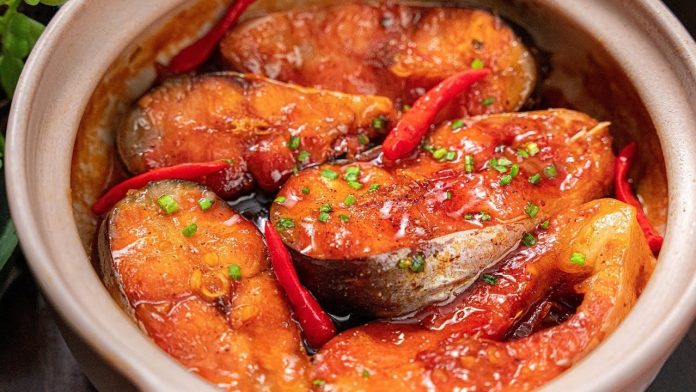
When braising fish, many people try adding a variety of spices to remove the fishy smell, enhance flavor, and create a beautiful color. However, not everyone knows an old, highly effective traditional secret: using tea leaves. This simple ingredient can transform your dish, making the fish tender, flavorful, and richly colored without requiring complicated seasoning.
Both dried and fresh tea leaves contain natural tannins, which are excellent at neutralizing unpleasant fishy odors. These tannins not only help deodorize but also enhance the overall aroma and depth of flavor. When used in braised dishes, tea leaves help the fish develop a darker, more attractive color, while also making the flesh firmer yet still tender.
In addition, as the tea simmers with the fish, it releases subtle herbal notes that blend harmoniously with the seasoning, giving the dish a unique richness that many home cooks surprisingly overlook.
1 kg of fish (carp, snakehead, mackerel, grilled fish, or any firm-fleshed fish)
1 handful of dried or fresh tea leaves
1 tablespoon coarse salt
1 tablespoon sugar
2 tablespoons fish sauce
1 tablespoon minced shallots
1 tablespoon minced garlic
1 tablespoon ground pepper
1 tablespoon seasoning powder (optional)
1 tablespoon cooking oil
2 tablespoons coconut caramel (or homemade caramelized sugar)
1 small bowl of fresh coconut water (optional but recommended)
Clean the fish thoroughly. Rub it with salt or rinse it with a little rice wine to effectively eliminate any lingering fishy smell.
If using fresh tea leaves: Rinse them well.
If using dried tea leaves: Soak them in warm water for about 10 minutes until softened, then drain.
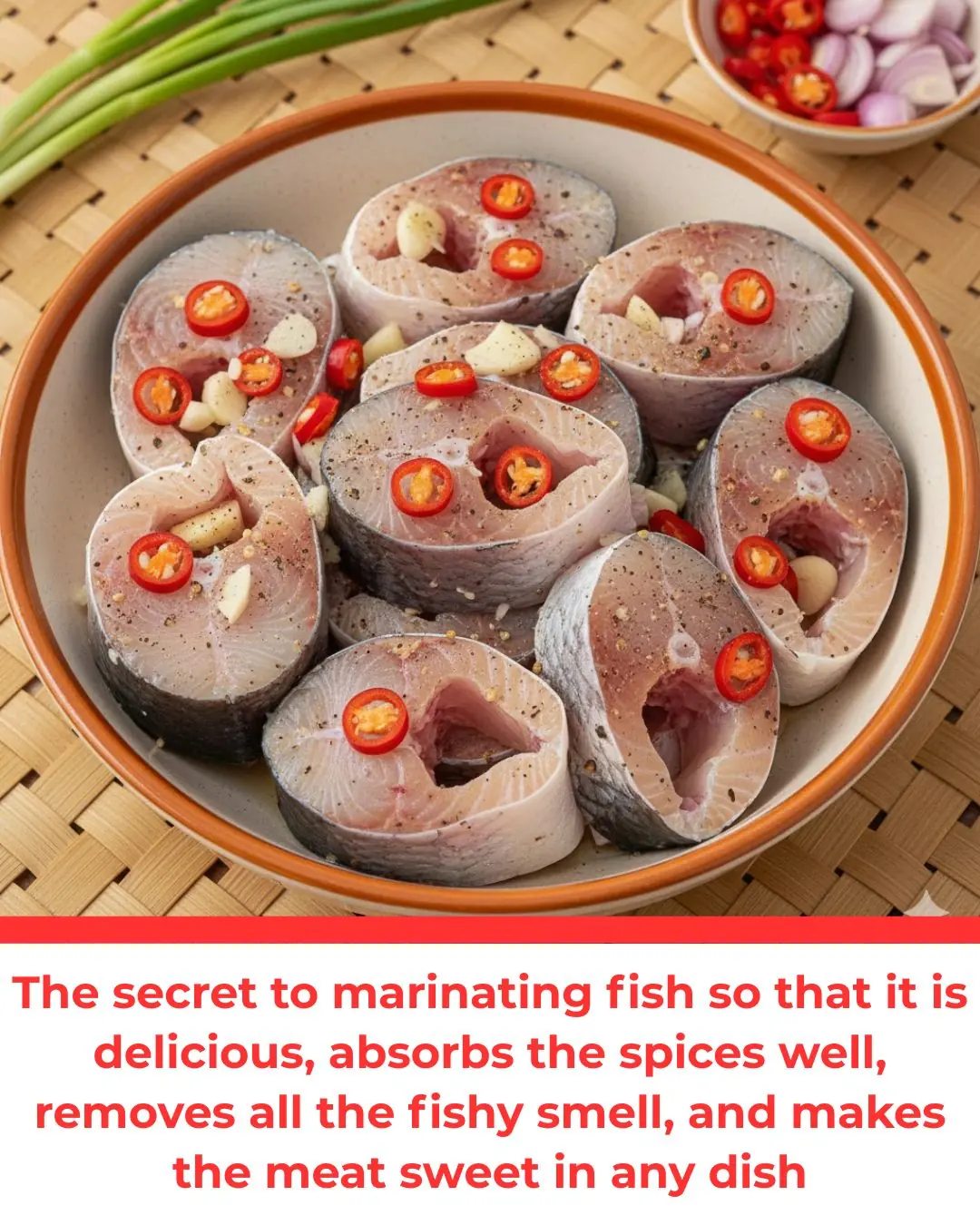
Place the fish in a large bowl and season with salt, sugar, fish sauce, minced shallots, minced garlic, pepper, and seasoning powder.
Let it rest for 15–20 minutes to absorb the flavors evenly.
Heat cooking oil in a pot and sauté the minced garlic and shallots until fragrant.
Place the marinated fish into the pot, then add the tea leaves on top.
Pour in the fish sauce mixture, coconut caramel, and coconut water.
Braise the fish over low heat for 40–60 minutes. Allow the liquid to slowly reduce so the fish absorbs the seasoning and becomes tender. The low heat ensures the fish doesn't break apart.
Remove the tea leaves before serving.
Transfer the fish to a plate, garnish with sliced chili and spring onions, and serve hot with warm rice.
Excellent deodorizer: Tea leaves remove the fishy smell effectively and naturally.
Helps fish become firm but tender: The tannins in tea keep the fish from falling apart during long braising.
Creates a richer, more appealing color: Tea contributes to the deep brown coloring typical of well-braised dishes.
Adds subtle depth of flavor: Tea introduces light herbal undertones, making the dish more balanced and aromatic.
Using tea leaves in braised fish is not just a clever cooking tip but also a way to make your dish healthier, more aromatic, and visually appealing. Try this method at home and enjoy the surprisingly delicious results!