
Psychic Baba Vanga's horrifying 2025 prediction feared to come true in days during major event
News 02/01/2026 00:49
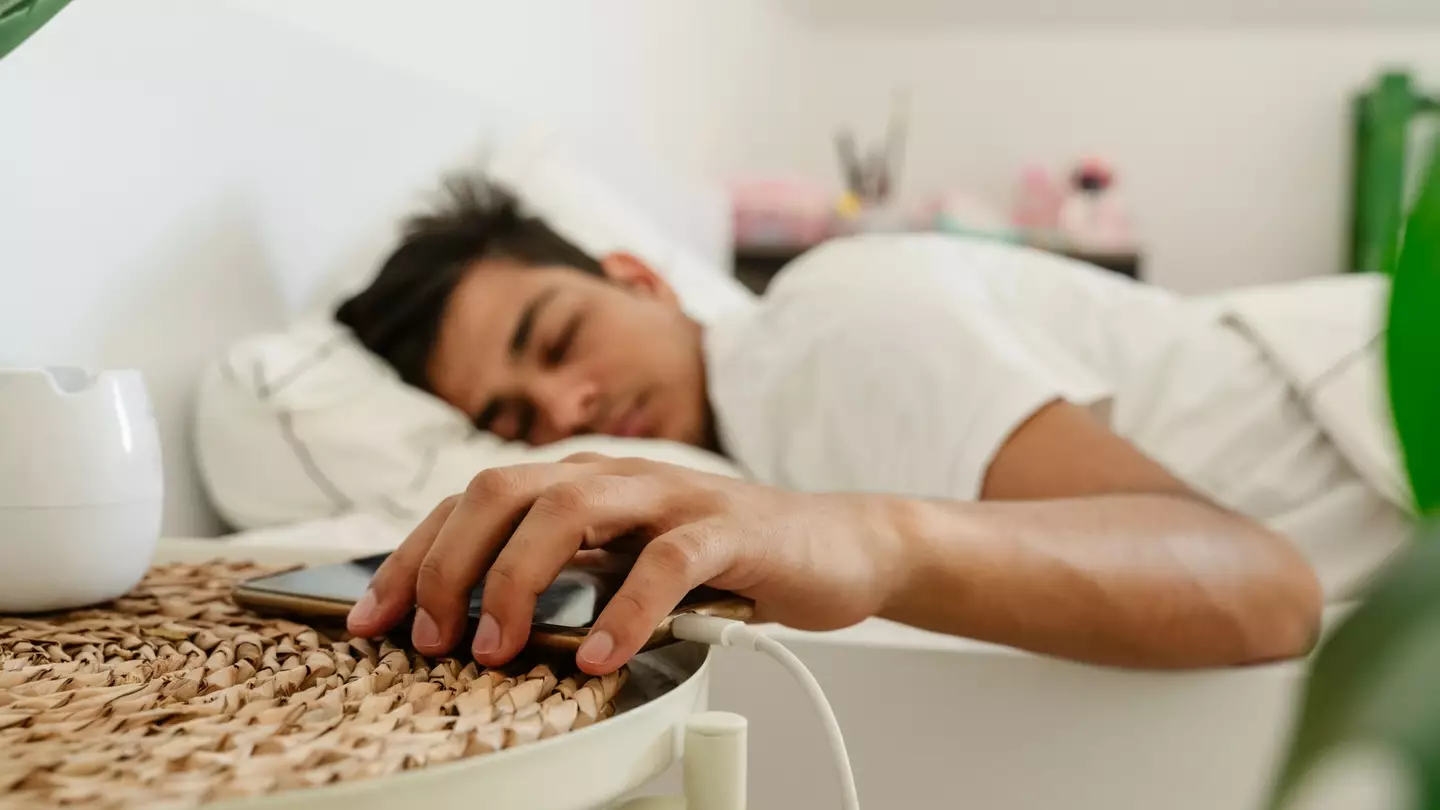
Charging a smartphone overnight has become a routine habit for millions of people worldwide. It ensures a full battery for the next day and reduces the risk of missing alarms or urgent notifications. However, Apple has issued a clear warning that while overnight charging itself is not inherently unsafe, how and where users charge their iPhones during sleep can pose real safety risks if proper precautions are not taken.
Apple’s guidance appears in its official “Important Safety Information for iPhone,” where the company emphasizes the dangers associated with heat buildup and poor ventilation during charging. Modern smartphones generate heat while charging due to electrical resistance and battery chemistry. Under normal conditions, this heat dissipates safely into the surrounding air. Problems arise when devices are placed under pillows, blankets, or duvets, or when users sleep on charging cables or adapters, preventing heat from escaping (bold: Apple, Important Safety Information for iPhone).
According to Apple, prolonged skin contact with a charging device, cable, or connector can cause discomfort or even injury, particularly if the device becomes warm. The company explicitly advises users not to sleep on their phones, power adapters, or wireless chargers, and not to place them beneath bedding while connected to a power source. Devices should always be charged in well-ventilated areas to reduce the risk of overheating (bold: Apple Support, iPhone Safety Guidelines).
Apple also highlights that certain groups must take “special care,” particularly individuals with medical conditions that reduce sensitivity to heat. Reduced thermal perception may prevent users from noticing rising temperatures, increasing the risk of burns or prolonged exposure to excessive heat (bold: Apple Safety Documentation). This warning underscores that safety risks are not uniform across all users and that personal health factors can play a role.
Fire safety experts support Apple’s concerns. Fire services in the United Kingdom and elsewhere have repeatedly warned that charging electronic devices on beds or under covers increases the risk of fires. A firefighter from Kent Fire and Rescue explained that fires caused by overheating chargers are especially dangerous at night because sleeping individuals may not smell smoke in time to react. Inhalation of smoke can render a person unconscious in just a few breaths, significantly reducing chances of escape (bold: Kent Fire and Rescue Service, public safety statements).
Another contributing factor is the widespread use of cheap, damaged, or counterfeit charging accessories. Even certified chargers can fail, but low-quality alternatives increase the risk of electrical faults, sparks, and overheating. Research into residential fire causes has shown that faulty electrical devices and chargers remain a common ignition source in nighttime fires (bold: UK Home Office Fire Statistics; summarized by fire safety authorities).
Importantly, Apple does not advise users to stop charging their iPhones overnight altogether. Instead, the company encourages common-sense precautions: place phones on hard, flat surfaces such as bedside tables, avoid covering devices, use certified chargers, and keep charging equipment away from the body during sleep. These simple measures significantly reduce potential hazards while preserving convenience.
In conclusion, Apple’s warning serves as a reminder that everyday technology habits carry hidden risks when safety guidance is ignored. Overnight charging is generally safe when done correctly, but poor ventilation, direct skin contact, and unsafe accessories can turn a routine practice into a dangerous one. By following manufacturer recommendations and basic fire safety principles, users can continue to charge their iPhones overnight with confidence—without compromising personal safety.