Astronomers Discover 2017 OF201: A Massive Dwarf Planet Beyond Pluto That Could Redefine Our Solar System

A mysterious new object discovered far beyond Pluto is challenging what scientists thought they knew about the outer reaches of our solar system. This surprising find could reshape our understanding of how vast — and populated — the solar system truly is.
A New Dwarf Planet on the Edge of the Solar System
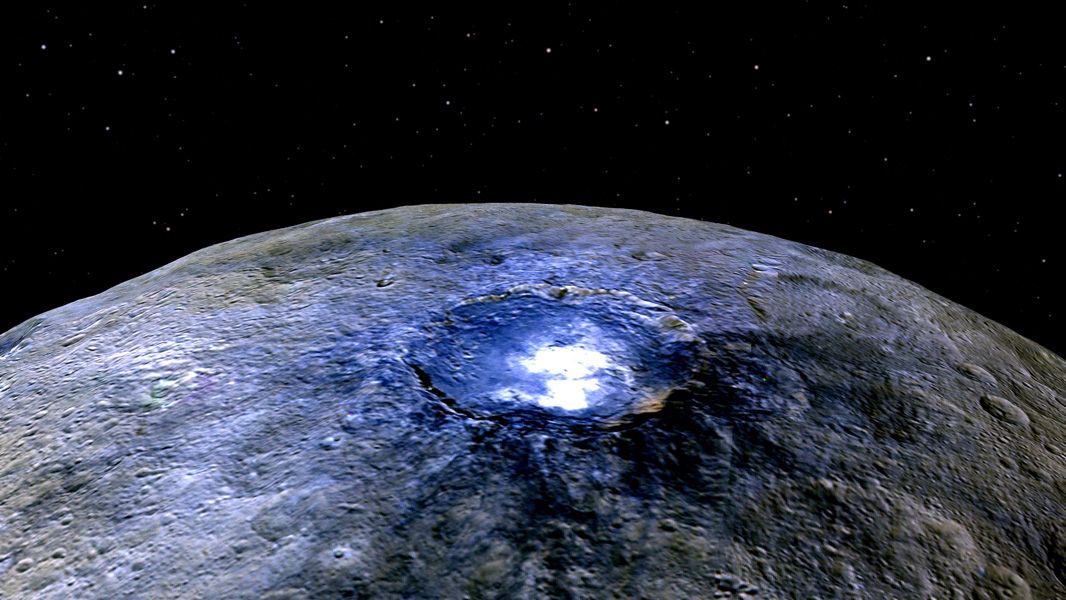
According to Mashable, astronomers recently identified a new dwarf planet, temporarily named 2017 OF201, orbiting at the extreme edge of the solar system. Measuring roughly 435 miles (700 kilometers) in diameter, it’s similar in size to Pluto.
The discovery was made by Sihao Cheng, a postdoctoral researcher at Princeton University's Institute for Advanced Study, and his colleagues. Their original mission? To search for the elusive “Planet 9,” a hypothetical planet believed to lie beyond Neptune. While they didn’t find Planet 9, they stumbled upon something potentially just as exciting — and perhaps even more significant.
An Orbit That Stretches the Limits of the Known Solar System
What makes 2017 OF201 so fascinating isn’t just its size, but its bizarre, elongated orbit.
-
At its closest point (perihelion), the dwarf planet is about 44.5 astronomical units (AU) from the Sun — close to Pluto’s orbit.
-
At its farthest point (aphelion), it drifts to an incredible 1,600 AU — far beyond the known boundaries of the Kuiper Belt and any previously charted solar system object.
To put it in perspective: one full orbit of 2017 OF201 around the Sun would take approximately 25,000 Earth years — nearly 100 times longer than Pluto’s orbital period.
What Does This Mean for Planet 9 — and Our Solar System?
Although Planet 9 remains unconfirmed, 2017 OF201 might change how astronomers approach the search for distant solar system bodies. Cheng believes this discovery implies there could be hundreds of similar objects orbiting in the dark, distant fringes of space.
“The presence of this single object suggests that there could be another hundred or so other objects with similar orbit and size,” Cheng said. “They are just too far away to be detectable now.”
This challenges the long-held assumption that space beyond the Kuiper Belt is mostly empty — and underscores how little we truly know about the solar system's outer frontier.
A Technological and Scientific Breakthrough
Thanks to advancements in technology — particularly powerful instruments like NASA’s James Webb Space Telescope — astronomers are now able to detect faint, distant objects once considered beyond the reach of human observation.
2017 OF201 could be just the beginning. This discovery is likely to accelerate efforts to explore the uncharted regions of the solar system and may even lead to further surprises about our place in the universe.

News in the same category


California Man Woken by Bear Pressing Doorbell in the Middle of the Night

Barcelona Crowned the Best City in the World for Nightlife

Eating Alone Could Be Harmful to Your Health, Study Shows

LA28 Olympic Organizers Secure Over $2 Billion in Sponsorship, Set to Be One of the Most Financially Successful Games

Amazon Now: A New Delivery Service Offering Fast 30-Minute Delivery for Everyday Items

One simple criteria you have to meet to receive 'tariff dividends'

Shocking Truth About How Crabsticks Are Made

How This Traditional Korean Dish Helped Immune Cells Spot Viruses Without Overreacting

How Siblings Can Grow Up in the Same Home but Live Completely Different Childhoods

Understanding Liver Damage: Stages, Causes, and How to Prevent It

Kaaba’s Radiant Glow Seen from Space: A Celestial Spotlight on Islam’s Holiest Site

Scientific Breakthroughs in Women's Health: How Research is Finally Addressing Gender Gaps

Monkeys, Money, and Unexpected Behavior: Insights from a 2005 Yale Study on Capuchin Monkeys and Economic Decision-Making

How Europe's Skin Pigmentation Evolved: Dark to Light Over Millennia

Bamboo and Hemp: Sustainable Solutions for a Greener, Plastic-Free Future

The Myth of “Safe” Smoking Debunked: How Minimal Tobacco Use Still Damages the Body

Boost Your Memory Naturally: How Rosemary's Scent Enhances Cognitive Function by 75%

The Regal Cat on the Beer Box: A Quiet Reminder of the Power of Stillness and Simplicity

Johan Eliasch's Impact on Amazon Conservation: A Commitment to Sustainable Practices and Empowering Indigenous Communities
News Post

Soursop, Tomato & Guava Smoothie: Feel the Tropical Energy in Just 7 Days!
Home Alone During a Heart Attack
How To Detox Each Organ To Reset Your System

Freestyle Chess Finals in Cape Town Feature Underwater Exhibition

California Man Woken by Bear Pressing Doorbell in the Middle of the Night

Barcelona Crowned the Best City in the World for Nightlife

Why You Keep Waking Up at Night

Eating Alone Could Be Harmful to Your Health, Study Shows

LA28 Olympic Organizers Secure Over $2 Billion in Sponsorship, Set to Be One of the Most Financially Successful Games

Amazon Now: A New Delivery Service Offering Fast 30-Minute Delivery for Everyday Items

12 Early Warning Signs of Dementia You Shouldn’t Ignore

The Hidden Cardiovascular Damage Behind Vaping

One simple criteria you have to meet to receive 'tariff dividends'

The Easiest Way to Clean a Glass Stove Top

How To Detox Each Organ To Reset Your System

CKD Health: Hidden Heart Risks Behind Common Calcium-Based Antacids

CKD Health: Understanding Kidney Safety in Cholesterol Management

Secret to quickly tenderizing beef, making any dish delicious

When pickling cucumbers, don't just use salt and boiled water that has cooled down: Use this to get crispy, delicious, and golden-yellow cucumbers in just 1 night.