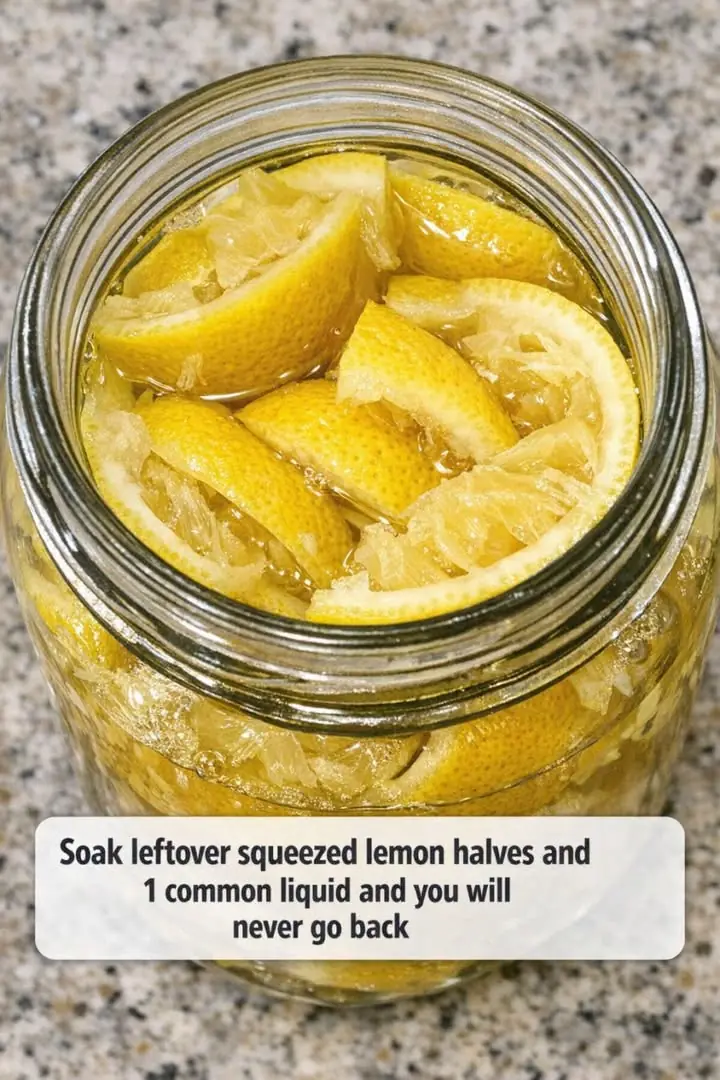
Place a Few Lemon Slices in Your Refrigerator: A Simple Trick With 4 Surprising Benefits
Tips 26/07/2026 12:09
Pork is one of the most popular ingredients in everyday cooking thanks to its rich flavor and nutritional value. Whether served as a simple boiled dish, added to fresh spring rolls, sliced into salads, or enjoyed with dipping sauce and steamed rice, perfectly boiled pork is always a family favorite.
However, many people end up with pork that looks gray, has an unpleasant odor, or loses its natural sweetness. The good news is that a few simple techniques can help you achieve tender, juicy, and beautifully white pork every time.
The secret starts with selecting fresh, high-quality pork. Cuts that contain a balance of lean meat and fat produce the best results because they stay moist and flavorful during cooking.
Great choices include:
Pork belly
Pork shoulder
Pork leg (ham)
Very lean cuts such as tenderloin tend to dry out when boiled, while some cuts may contain an excessive amount of fat.
Before cooking, rinse the pork thoroughly under running water. For better results, soak it briefly in lightly salted water to help remove impurities and reduce unwanted odors.
Many experienced home cooks also recommend blanching the pork:
Place the meat in a pot of cold water.
Bring it to a boil.
Once foam appears, remove the pork and rinse it with warm water.
Discard the first batch of water before cooking the meat again.
This extra step helps produce cleaner, better-tasting pork.
Instead of dropping pork into boiling water, place it in a pot and cover it with cold water first.
Starting with cold water allows any remaining blood and impurities to gradually escape from the meat as the water heats up. This results in cleaner, less odorous pork with a better texture.
To enhance the aroma and appearance of boiled pork, add:
1 lightly crushed shallot (or 2–3 scallions)
1 tablespoon of white vinegar
The shallot helps eliminate the porky smell, while the vinegar keeps the meat tender and gives it a brighter, whiter appearance. The vinegar flavor disappears during cooking, so it won't affect the taste.
Once the water reaches a boil, reduce the heat to a gentle simmer rather than keeping it at a rolling boil.
Skim off any foam that rises to the surface to keep the broth clear and the pork looking clean and white.
Cooking time will vary depending on the size and thickness of the meat. To test for doneness, insert a chopstick or skewer into the thickest part:
If pink juices run out, continue cooking.
If the juices are clear and the chopstick slides in easily, the pork is ready.
After the pork is fully cooked, turn off the heat and leave it covered in the hot cooking liquid for another 10–15 minutes.
This resting period allows the meat to finish cooking gently, keeping it juicy, evenly cooked, and naturally sweet.
Prepare a bowl of cooled boiled water with a few ice cubes and several slices of lemon.
Transfer the cooked pork into the bowl for a few minutes. This quick cooling method helps:
Firm up the meat
Create a bright white, slightly crisp skin
Make slicing much easier
Improve the overall presentation
Perfect boiled pork isn't just about cooking time—it's about using the right techniques. By choosing a good cut, starting with cold water, adding a few simple ingredients, simmering gently, and giving the meat time to rest, you'll end up with pork that's tender, juicy, naturally sweet, and beautifully white every time.