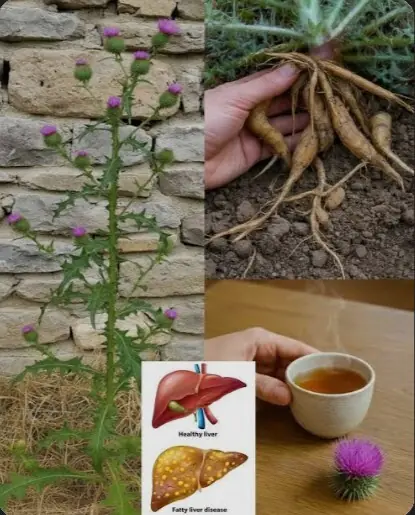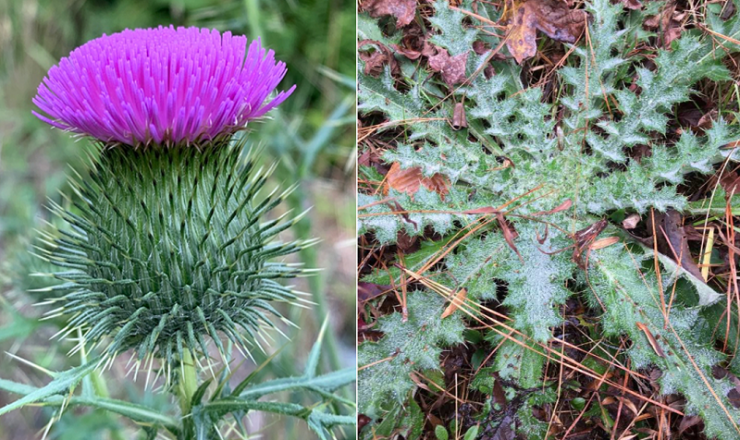
Bull thistle (Cirsium vulgare), often regarded as nothing more than a prickly roadside weed, is in fact a remarkable medicinal plant with a long history in traditional herbal medicine. While its sharp spines and bold purple blooms tend to grab attention, the true healing power of this resilient plant lies beneath the soil — in its root. For generations, herbal practitioners have recognized the root as a valuable natural remedy, and modern interest is beginning to rediscover its therapeutic potential.
Native to Europe but now widely naturalized across North America and parts of Asia, Cirsium vulgare is a hardy biennial that thrives in disturbed soils, fields, and open landscapes. Indigenous North American tribes and European herbalists traditionally used different parts of the plant for wellness purposes, but the root was especially prized for its cleansing, strengthening, and restorative qualities.
Health Benefits of Bull Thistle Root
1. Supports Liver Function
Bull thistle root is traditionally considered a gentle liver tonic. It may help stimulate bile production and assist the liver in processing and eliminating toxins more efficiently. By supporting healthy liver activity, it can indirectly improve digestion, skin clarity, and overall vitality. For individuals seeking a natural approach to detoxification, this root has long been viewed as a supportive botanical ally.
2. Anti-Inflammatory Potential
The root contains plant compounds that may help calm inflammatory responses in the body. Traditionally, it has been used to ease joint discomfort, muscle soreness, and stiffness. While research is still developing, its historical use suggests potential benefits for maintaining mobility and comfort.
3. Enhances Digestive Health
Herbal traditions describe bull thistle root as a digestive stimulant. It may help awaken sluggish digestion, encourage appetite, and promote better nutrient absorption. By gently supporting digestive secretions, it can contribute to improved gut balance and reduced bloating.
4. Strengthens the Immune System
Rich in antioxidants and trace minerals, bull thistle root may help protect cells from oxidative stress. A well-functioning liver and digestive system also play a central role in immune resilience, making this root a supportive herb for overall immune balance.
5. Possible Anti-Tumor Properties
Preliminary studies on related thistle species have identified bioactive compounds that may influence abnormal cell growth. Although direct scientific evidence specific to bull thistle root remains limited, this area of research is generating growing interest. More rigorous studies are needed before firm conclusions can be drawn.
6. Traditional Blood-Cleansing Support
In folk herbalism, bull thistle root was sometimes described as a “blood purifier,” meaning it was believed to assist the body’s natural detoxification pathways. While this term is traditional rather than clinical, it reflects the plant’s long-standing reputation for supporting internal balance.
How to Use Bull Thistle Root
Tea or Decoction
-
Thoroughly wash and chop fresh roots (or use dried root pieces).
-
Simmer 1–2 teaspoons in one cup of water for 10–15 minutes.
-
Strain and drink once or twice daily.
A decoction method is preferred because roots are denser and require longer simmering to extract beneficial compounds.
Tincture
-
Place chopped root in alcohol and allow it to macerate for 4–6 weeks.
-
Strain and store in a dark glass bottle.
-
Take 10–20 drops diluted in water, up to three times daily.
Tinctures offer a concentrated and convenient option for regular use.
Culinary Use
Young roots can be peeled, boiled, and eaten similarly to other root vegetables. When harvested early, they are less fibrous and have a mild, earthy flavor. Incorporating wild edible roots into meals can be a sustainable way to reconnect with traditional plant foods.
Precautions
-
Avoid use if you have allergies to plants in the daisy (Asteraceae) family.
-
Consult a healthcare professional if pregnant, breastfeeding, or taking medications.
-
Proper identification is essential when foraging wild plants.
Bull thistle root is truly a hidden treasure in the world of herbal medicine. What many see as an invasive weed is actually a resilient botanical with the potential to support liver health, digestion, immune strength, and overall balance. Whether prepared as a tea, tincture, or nourishing wild food, this humble plant serves as a reminder that nature often conceals its most powerful gifts in unexpected places.