Scientists Say Experimental Cell Therapy Helped Some Children Beat Deadly Brain Tumors
⏱️ 1 min read 07/08/2026 22:01
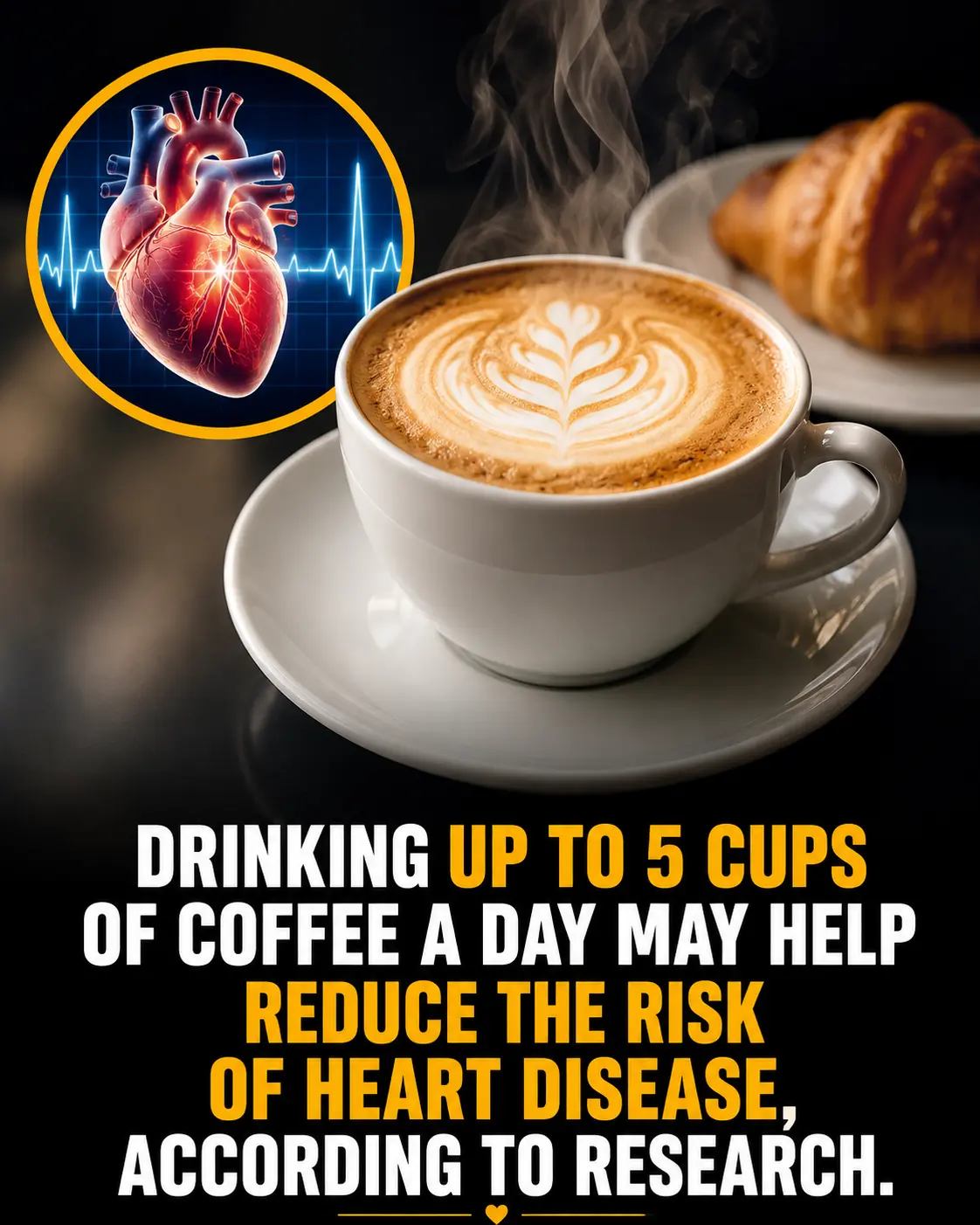
Heart disease remains one of the leading causes of death worldwide, but many cases can be prevented through healthy lifestyle choices. Among these, diet plays one of the most important roles. A cardiac diet is designed to nourish your heart, improve blood circulation, control cholesterol levels, maintain healthy blood pressure, and reduce the risk of cardiovascular disease.
Unlike restrictive fad diets, a cardiac diet focuses on eating a wide variety of nutrient-rich foods while limiting ingredients that can damage the heart over time. Combined with regular physical activity, adequate sleep, and stress management, this eating pattern can significantly improve long-term cardiovascular health.
A cardiac diet is a balanced eating plan that supports heart function by emphasizing whole, minimally processed foods. Rather than eliminating entire food groups, it encourages healthier food choices and sustainable eating habits.
The foundation of a heart-healthy diet includes:
Fresh fruits
Vegetables
Whole grains
Lean protein
Healthy fats
Legumes
Nuts and seeds
Low-sugar dairy or dairy alternatives
At the same time, it limits foods that contribute to inflammation, high cholesterol, obesity, and high blood pressure, including processed foods, excessive sodium, added sugars, and unhealthy fats.
This approach is similar to dietary patterns such as the Mediterranean diet and the DASH (Dietary Approaches to Stop Hypertension) diet, both of which have been widely recognized for their cardiovascular benefits.
The foods you eat directly affect nearly every aspect of heart health. A nutritious diet can help:
Lower LDL ("bad") cholesterol
Raise HDL ("good") cholesterol
Reduce blood pressure
Improve blood vessel function
Maintain a healthy body weight
Decrease inflammation
Control blood sugar
Reduce the risk of heart attack and stroke
Instead of relying solely on medication, many people can improve cardiovascular health by consistently making healthier food choices every day.
Fruits and vegetables should make up a large portion of every meal because they are naturally rich in vitamins, minerals, fiber, and antioxidants.
These nutrients help reduce inflammation, protect blood vessels, and improve overall cardiovascular function.
Excellent choices include:
Spinach
Kale
Broccoli
Carrots
Tomatoes
Bell peppers
Green beans
Sweet potatoes
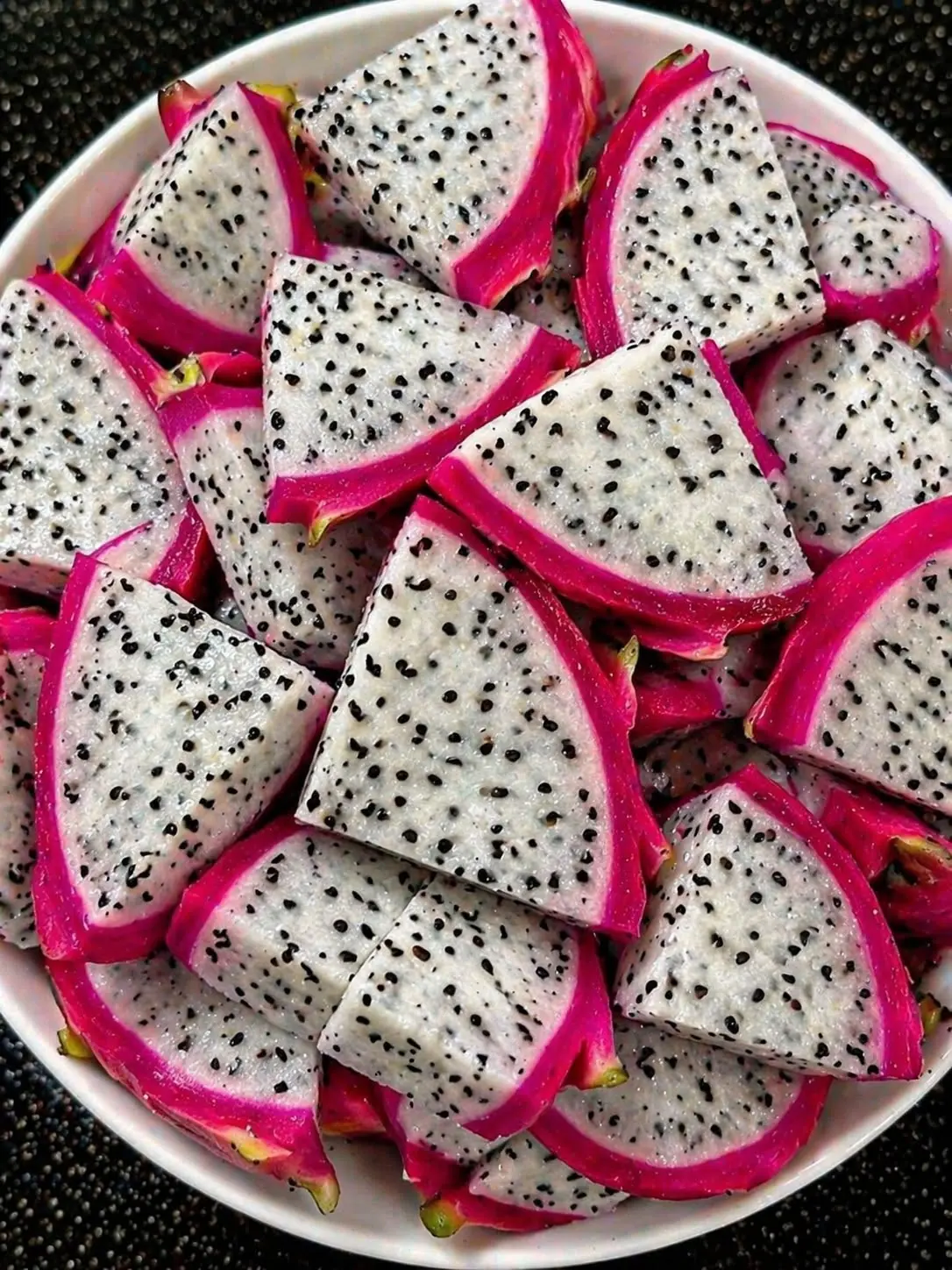
Apples
Bananas
Oranges
Pears
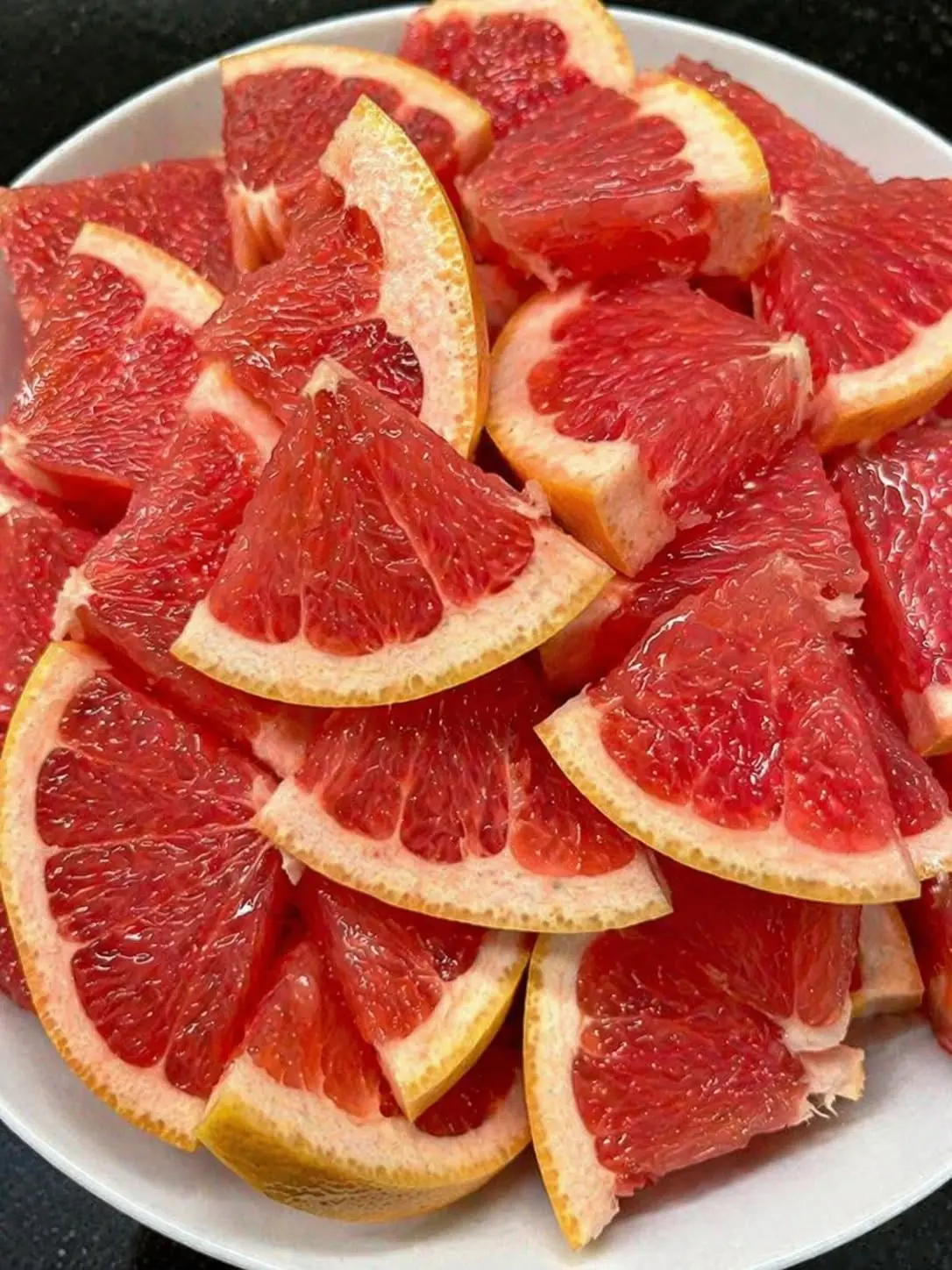
Grapefruit
Berries deserve special attention. Blueberries, strawberries, raspberries, cranberries, and blackberries are packed with antioxidants that help protect blood vessels and reduce oxidative stress.
Aim for at least five servings of fruits and vegetables every day.
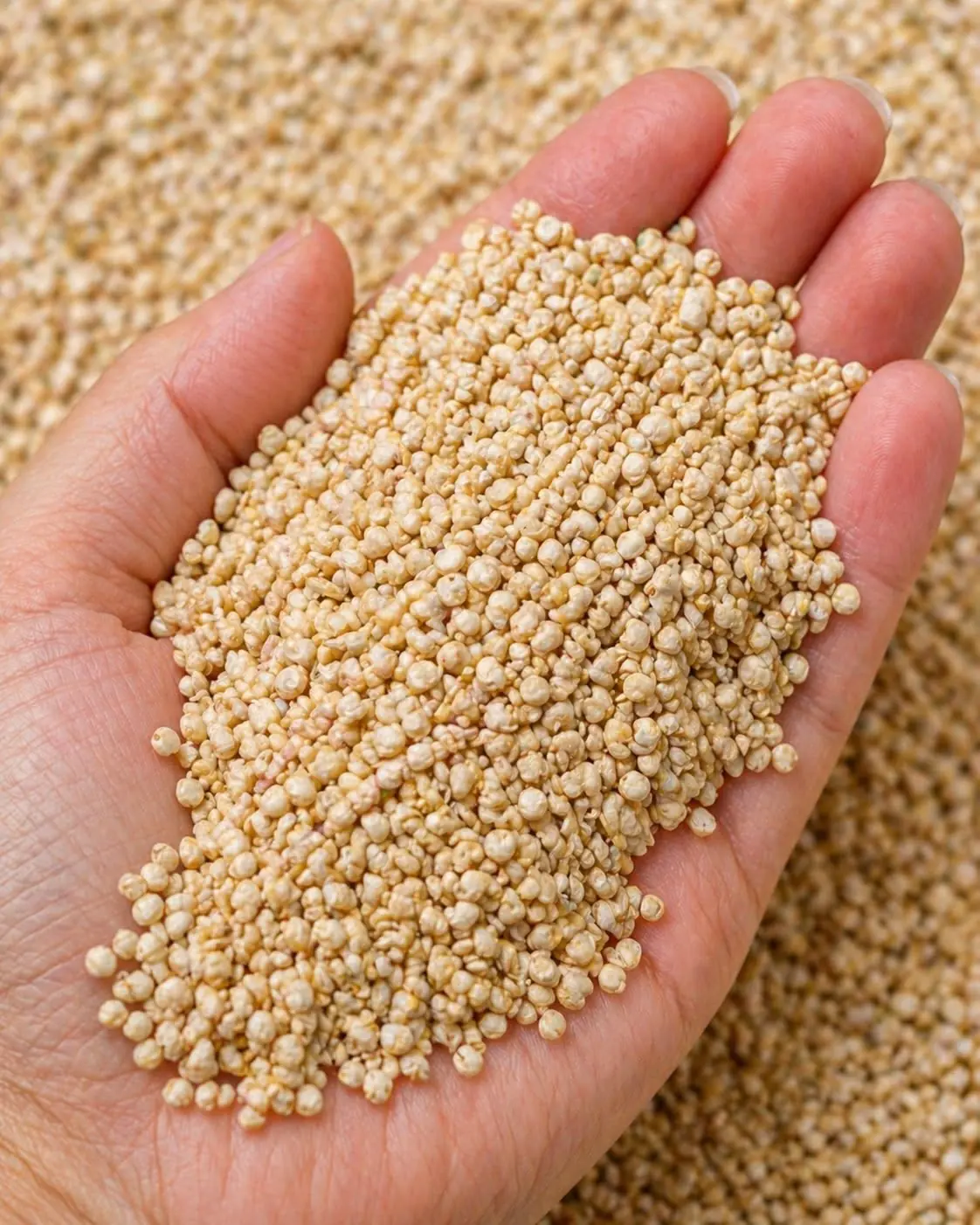
Whole grains provide complex carbohydrates, dietary fiber, vitamins, and essential minerals that help maintain stable blood sugar and healthy cholesterol levels.
Healthy whole grains include:
Oats
Brown rice
Quinoa
Barley
Whole wheat bread
Whole grain pasta
Buckwheat
Unlike refined grains, whole grains contain the bran and germ, preserving nutrients that support heart health and digestive function.
Protein is necessary for repairing tissues, maintaining muscle mass, and supporting normal body functions. Choosing lean protein sources also helps reduce saturated fat intake.
Heart-friendly protein sources include:
Skinless chicken breast
Turkey
Salmon
Tuna
Sardines
Trout
Eggs
Tofu
Tempeh
Beans
Lentils
Fatty fish such as salmon and sardines are particularly valuable because they provide omega-3 fatty acids that support healthy blood vessels and reduce inflammation.
Not all fats are harmful. Healthy unsaturated fats are an essential part of a cardiac diet.
The best sources include:
Extra virgin olive oil
Avocados
Walnuts
Almonds
Pistachios
Chia seeds
Flaxseeds
Pumpkin seeds
Replacing butter or animal fat with olive oil is one of the simplest dietary changes that can benefit heart health.
Beans are inexpensive, nutritious, and naturally low in fat.
Examples include:
Black beans
Kidney beans
Chickpeas
Lentils
Split peas
They provide protein, fiber, magnesium, potassium, and iron while helping improve cholesterol and blood sugar levels.
Eating a moderate handful of unsalted nuts each day can support cardiovascular health.
Some of the healthiest options include:
Almonds
Walnuts
Cashews
Pecans
Brazil nuts
Healthy seeds include:
Chia seeds
Flaxseeds
Sunflower seeds
Pumpkin seeds
Because nuts are calorie-dense, portion control is important.
Low-fat or plain dairy products can be included in a heart-healthy diet.
Good options include:
Plain yogurt
Kefir
Low-fat milk
Cottage cheese
Choose products without added sugar whenever possible.
Highly processed foods often contain excessive sodium, sugar, preservatives, and unhealthy fats.
Examples include:
Fast food
Frozen meals
Chips
Packaged snacks
Processed meats
Too much salt can increase blood pressure.
Try to reduce:
Instant noodles
Processed meats
Canned soups
Salty snacks
Pickled foods
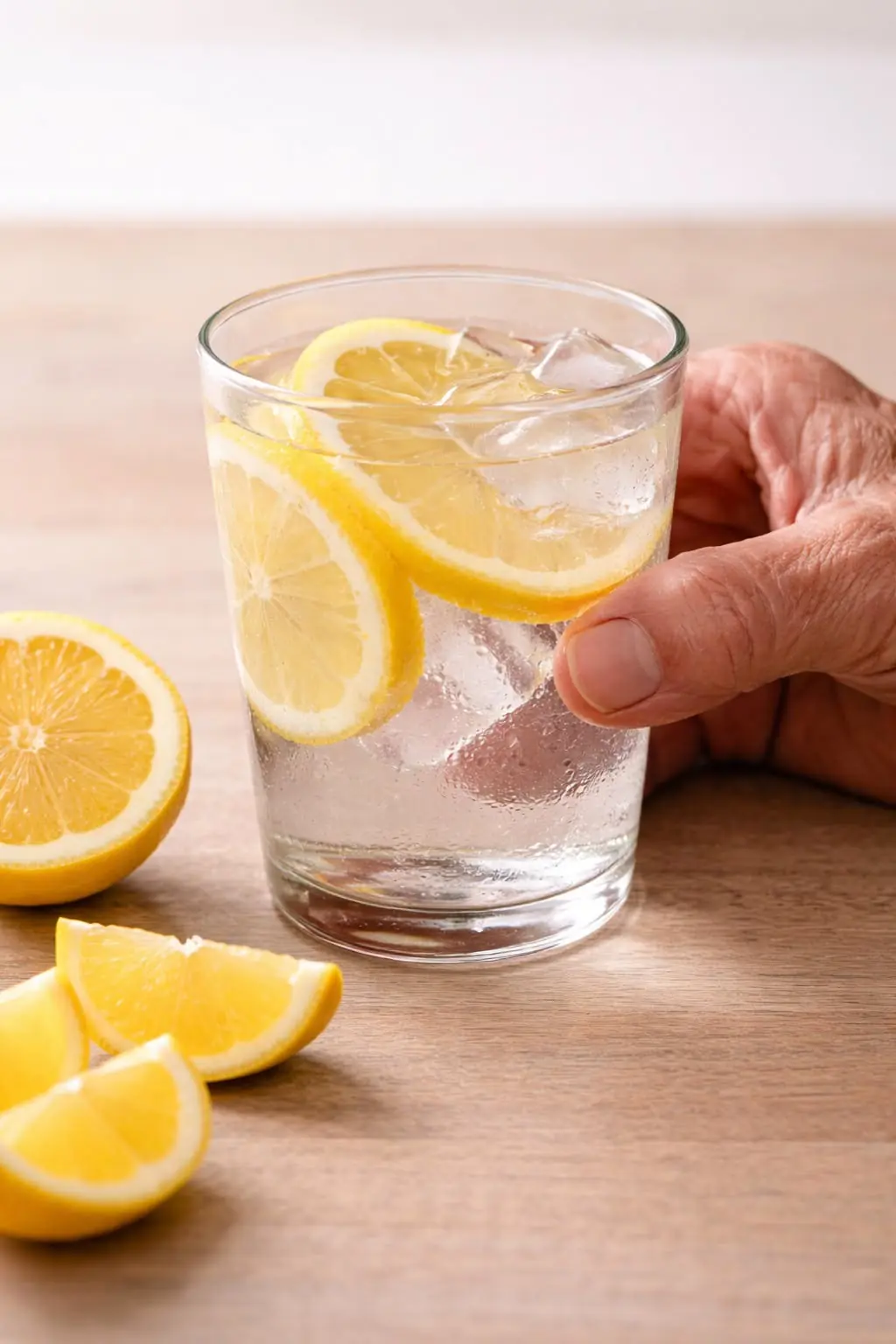
Flavor foods with herbs, garlic, lemon juice, or spices instead of extra salt.
High sugar intake contributes to obesity, diabetes, and heart disease.
Limit:
Soda
Candy
Cakes
Cookies
Sweetened coffee drinks
Energy drinks
Even fruit juices should be consumed in moderation.
These fats may increase LDL cholesterol.
Reduce consumption of:
Fatty beef
Bacon
Sausage
Butter
Lard
Cream
Deep-fried foods
Commercial pastries
Instead, choose healthier unsaturated fats from fish, olive oil, nuts, and seeds.
Oatmeal topped with blueberries, sliced banana, walnuts, and cinnamon
OR
Vegetable omelet with spinach, tomatoes, and mushrooms served with whole-grain toast
Plain Greek yogurt with fresh berries
OR
One apple with a handful of almonds
Grilled chicken breast served with quinoa, roasted vegetables, mixed greens, and olive oil vinaigrette.
Carrot sticks, celery, and hummus.
Baked salmon with steamed broccoli, brown rice, and a fresh green salad dressed with olive oil and lemon juice.
Fresh fruit or a small handful of walnuts.
A cardiac diet works best when combined with healthy daily habits.
Try to:
Exercise for at least 150 minutes each week.
Maintain a healthy weight.
Avoid smoking.
Limit alcohol intake.
Sleep 7–9 hours every night.
Manage stress through relaxation techniques or regular physical activity.
Stay well hydrated.
Small, consistent improvements often produce better long-term results than drastic short-term changes.
Fill half of your plate with vegetables.
Choose whole grains instead of refined grains.
Eat fish twice each week.
Replace butter with olive oil.
Read food labels carefully.
Cook more meals at home.
Snack on nuts or fruit instead of processed snacks.
Reduce sugary beverages.
Drink plenty of water throughout the day.
A cardiac diet is one of the most effective ways to protect your heart and improve overall health. By focusing on whole foods such as fruits, vegetables, whole grains, lean proteins, healthy fats, beans, nuts, and seeds while limiting processed foods, excess salt, added sugars, and unhealthy fats, you can significantly reduce your risk of heart disease.
Healthy eating is not about perfection. Making small, sustainable improvements each day can lead to lasting cardiovascular benefits and a healthier future.