Guava Leaf Tea: Benefits, Traditional Uses, and a Simple Herbal Recipe
Garden Healthy 17/07/2026 18:27
For generations, castor oil has been a staple in traditional wellness and beauty routines. Extracted from the seeds of the Ricinus communis plant, this thick vegetable oil is especially rich in ricinoleic acid, a fatty acid recognized for its moisturizing and skin-conditioning properties.
In recent years, castor oil has gained widespread attention on social media, where it's often promoted as a remedy for everything from joint pain to detoxification. While many of these claims are not supported by strong scientific evidence, castor oil does have several well-established uses—particularly for skin care, massage, and hair conditioning.
This guide explains what castor oil is, how it is commonly used, its possible benefits, important safety considerations, and what current research actually suggests.
Castor oil is a pale yellow vegetable oil obtained by cold-pressing castor beans.
Although raw castor seeds contain ricin, a highly toxic protein, properly manufactured commercial castor oil does not contain ricin because the toxin remains in the leftover seed material during processing.
Its primary components include:
Ricinoleic acid (about 85–90%)
Omega-6 fatty acids
Omega-9 fatty acids
Vitamin E
Naturally occurring plant compounds
Its thick consistency makes it ideal for massage, moisturizing dry skin, and conditioning hair.
For centuries, castor oil has been used in traditional self-care practices to help support:
Skin hydration
Hair care
Massage therapy
Muscle relaxation
Joint comfort
Digestive health (under medical supervision)
Scalp conditioning
Modern research continues to investigate some of these traditional applications, although additional high-quality studies are still needed.
When applied appropriately, castor oil may:
Help strengthen the skin's moisture barrier
Soften dry, rough skin
Condition the scalp and hair
Reduce friction during massage
Provide emollient and moisturizing effects
Contain naturally occurring antioxidant compounds
Promote a relaxing massage experience
Many people include castor oil in their self-care routine for purposes such as:
Its rich texture helps reduce moisture loss, leaving skin feeling softer and smoother.
A gentle massage with warm castor oil may temporarily ease feelings of stiffness after physical activity or long periods of sitting.
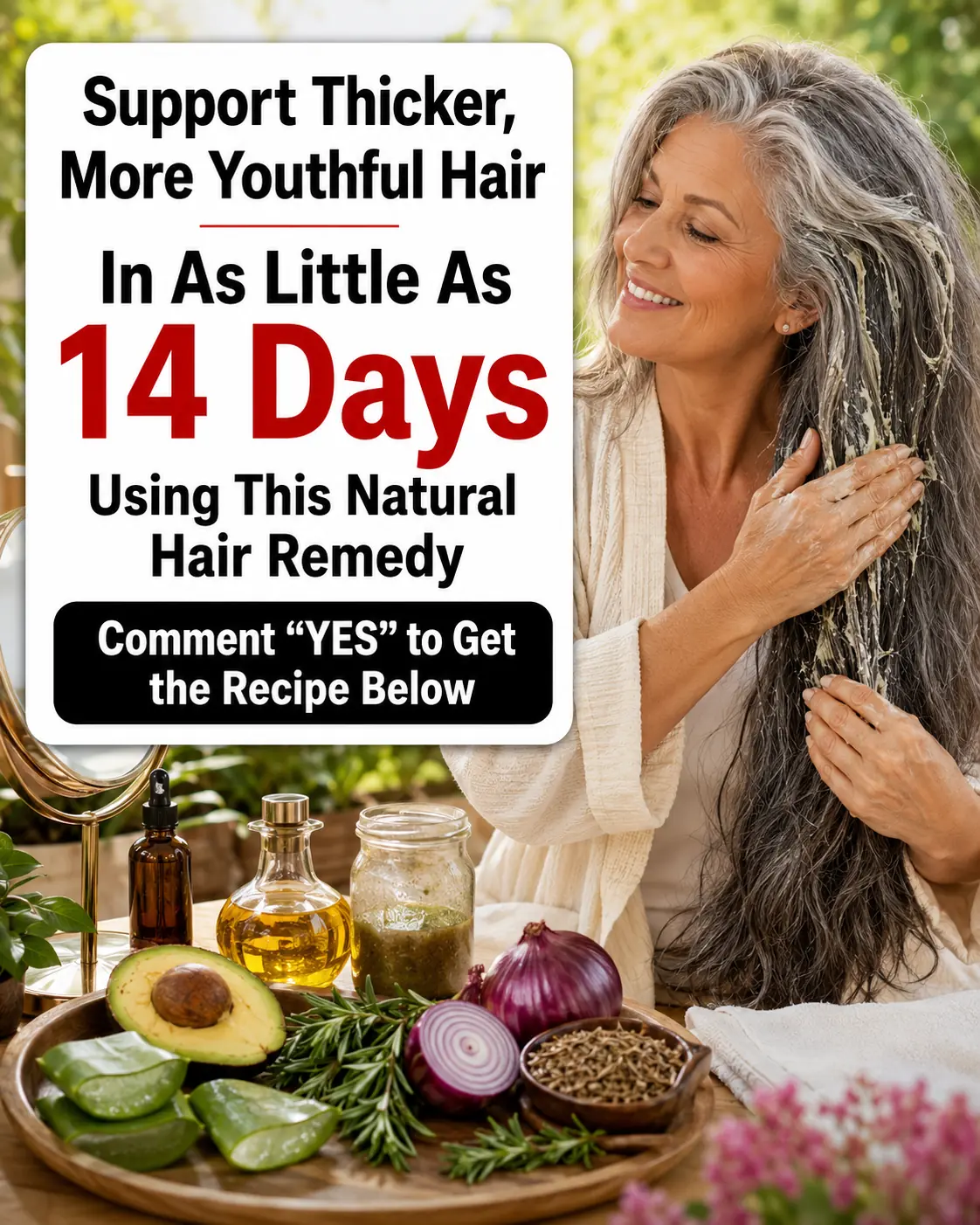
Many people apply castor oil to dry hair or the scalp to improve softness, reduce breakage, and add shine.
Some individuals use small amounts to condition eyebrow and eyelash hairs, although care should be taken to avoid contact with the eyes.
Applied overnight with cotton socks, castor oil can help soften rough skin and cracked heels.
Regular application may help moisturize brittle nails and dry cuticles.
A tiny amount can help relieve dry, chapped lips.
Its emollient properties help improve the appearance and feel of dry, aging skin.
Castor oil may help reduce dryness and improve scalp comfort.
Many people enjoy warm castor oil massage as part of a calming evening routine.
2 tablespoons cold-pressed castor oil
A clean cotton cloth
Plastic wrap (optional)
Heating pad or warm water bottle
Warm the oil slightly.
Soak the cloth with the oil.
Place it over the desired area.
Cover with plastic wrap if preferred.
Apply gentle heat for 30–45 minutes.
Many people repeat this routine two or three times per week as part of a personal comfort routine.
Mix:
1 tablespoon castor oil
1 tablespoon coconut oil
Massage into the scalp and hair.
Leave on for 30–60 minutes before washing with shampoo.
Use once each week if desired.
Warm a small amount of castor oil in your hands.
For a soothing aroma, you may add two or three drops of lavender essential oil.
Massage the lower back gently for about 10–15 minutes before bedtime.
Some castor oil products are approved as stimulant laxatives for occasional constipation.
If using castor oil internally:
Choose only products labeled for oral use.
Follow the manufacturer's instructions carefully.
Do not use it routinely or as a "detox" product.
Seek medical advice if constipation persists.
Castor oil may not be appropriate for everyone.
Talk with a healthcare professional before using it if you:
Are pregnant
Have a known allergy to castor oil
Experience unexplained abdominal pain
Have an intestinal blockage
Have certain digestive disorders
Are considering oral use for a child
Topical use is generally well tolerated, but some people may experience:
Skin irritation
Redness
Allergic reactions
Oral use may cause:
Diarrhea
Abdominal cramping
Nausea
Dehydration if used excessively
Before using castor oil on larger areas of skin, perform a patch test by applying a small amount to your inner arm and waiting 24 hours.
When shopping for castor oil, look for:
100% pure castor oil
Cold-pressed
Hexane-free
Dark glass packaging
No added fragrances or artificial ingredients
These features help preserve the oil's quality and freshness.
No strong scientific evidence shows that topical castor oil removes uric acid from the body. However, massage with castor oil may provide temporary comfort for stiff or tired joints.
No. Castor oil cannot cure arthritis. Some people find that warm castor oil massage or compresses help improve comfort, but arthritis should be managed under the guidance of a healthcare professional.
Research remains limited. Castor oil is best known for moisturizing the scalp and reducing hair breakage, which may help hair appear thicker and healthier over time.
Yes. It is widely used as a rich natural moisturizer that helps soften dry skin and support the skin's protective barrier.
Castor oil has remained popular for generations because of its versatility and moisturizing properties. Whether used for skin care, massage, scalp conditioning, or dry feet, it can be a valuable addition to a balanced self-care routine.
However, it's important to maintain realistic expectations. Castor oil is not a cure for arthritis, gout, hair loss, or other medical conditions. Its greatest benefits come from supporting skin hydration, providing lubrication during massage, and helping maintain healthy-looking hair and skin.
Combined with a nutritious diet, regular physical activity, adequate hydration, and appropriate medical care when needed, castor oil can play a simple yet enjoyable role in everyday wellness.
Disclaimer: This article is for educational purposes only and is not intended to diagnose, treat, cure, or prevent any disease. Always consult a qualified healthcare professional before using castor oil internally or if you have an underlying medical condition.