
Facts 2025-09-28 12:40:14
China has entered the era of dark factory its fully automated with no workers and no lights

China has entered a bold new era of manufacturing—one that feels like science fiction but is already operating in reality. The country has launched “dark factories,” fully automated plants where robots and AI systems manage every aspect of production without a single human on the shop floor. These facilities are literally dark because they don’t require lights, heating, or ventilation; machines function best in optimized environments designed purely for efficiency and precision. This shift represents more than just an experiment in robotics—it’s a glimpse into the future of industry and a sign of how nations may compete in a world where human labor is no longer central to production.
The consequences of this transformation extend far beyond the walls of these factories. On one side, dark factories symbolize progress: lower operating costs, continuous productivity, streamlined operations, and reduced energy demands. On the other, they raise pressing questions about the future of work, the identity and livelihood of millions of employees, and the broader social and environmental challenges of unchecked automation. As China races ahead, the rest of the world is left to reckon with what this means for economies, sustainability, and the very role of human beings in industry.
What Exactly Is a Dark Factory?
A dark factory is a facility where robots and machines carry out every stage of production, eliminating the need for human workers. With no people present, there’s no requirement for lighting, climate control, or break rooms, slashing overhead costs. According to Texspace Today, China has already built and launched several such plants, moving the idea from theory into practice. What was once an experimental concept is now a functioning component of China’s industrial ecosystem, signaling a turning point in global manufacturing.
Robots in these environments work tirelessly without the limits of human endurance. They don’t need rest, wages, or food, and they can maintain extreme precision on repetitive tasks. This opens the door to near-zero error production, particularly appealing for industries such as electronics, aerospace, and automotive manufacturing, where accuracy is paramount. By building environments optimized solely for machines, companies can achieve levels of output that human-centered workplaces could never sustain.
Yet, while the efficiency is alluring, complexity lies beneath the surface. These facilities require advanced robotics, AI, and cybersecurity systems—technologies that demand enormous investment and highly skilled oversight. Even though the factory floor may be empty, a sophisticated ecosystem of programmers, engineers, and system architects is essential to keep the machines running. Human labor doesn’t vanish; it simply shifts into rarefied, specialized roles that are inaccessible to most workers.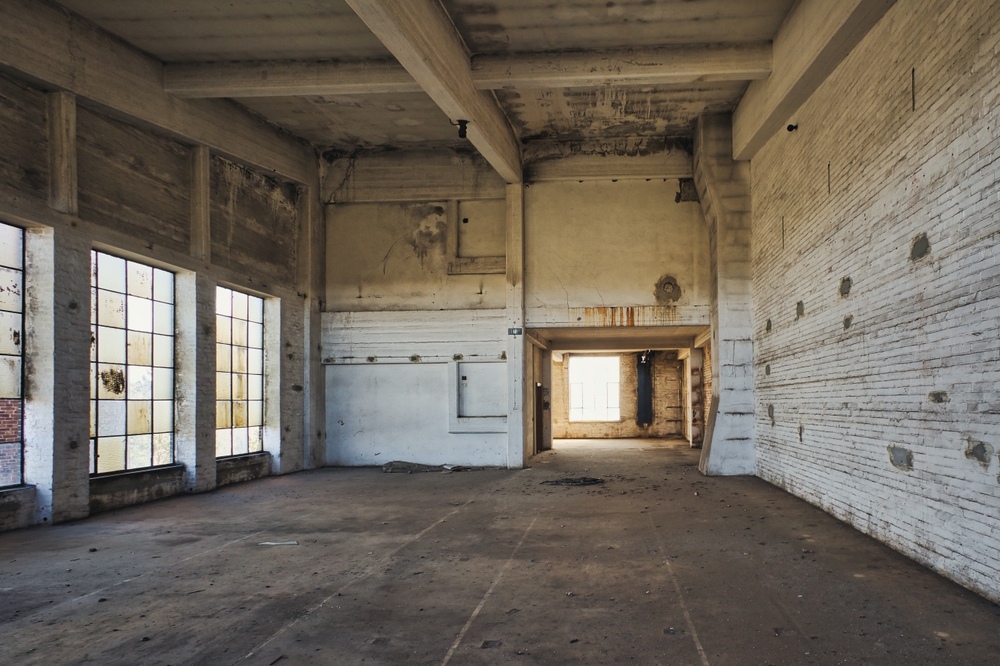
The Promise of Efficiency and Innovation
For corporations and governments, the allure of dark factories lies in relentless efficiency. Machines can run 24/7, stopping only for scheduled maintenance. Energy savings are significant, since human-centered comforts are unnecessary. From a financial standpoint, the advantages are overwhelming, offering cost reductions that strengthen competitiveness in global markets.
China’s embrace of robotics highlights its strategic ambition to dominate the next industrial wave. The International Federation of Robotics reported that China installed nearly 290,000 new industrial robots in 2021—more than any other country. This surge reflects a deliberate national plan to fuse AI and automation deeply into its economy, reducing reliance on human labor and setting global standards for manufacturing speed and precision.
Looking further ahead, dark factories may integrate seamlessly with other emerging technologies. Imagine autonomous supply chains where raw materials are delivered by self-driving vehicles, processed entirely by robots, and shipped to consumers without a human hand involved. This level of automation remains years away, but dark factories mark a significant step toward that reality.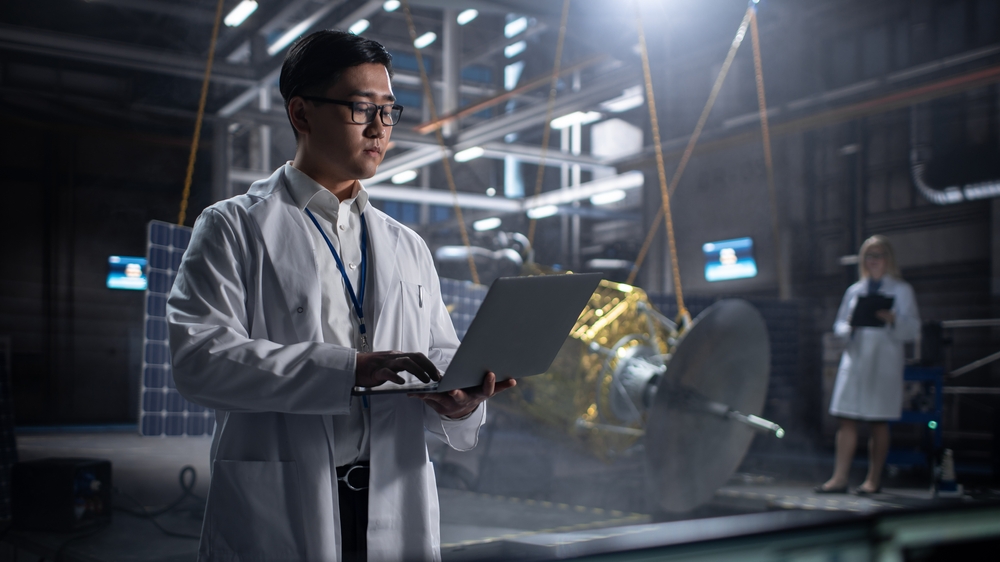
The Human Cost: Jobs and Identity
The most immediate concern is the fate of workers. Manufacturing has long been the backbone of China’s economy, employing millions and contributing nearly 30% of GDP. If human roles vanish on a large scale, the ripple effects could be devastating—mass unemployment, increased inequality, and social unrest.
But beyond economics lies a deeper human issue: the meaning of work. Employment provides not just income, but also identity, dignity, and community belonging. For generations, factory jobs have given workers stability and purpose. What happens when those opportunities vanish? The erosion of this social foundation could lead to cultural dislocation and an identity crisis for entire communities.
Adapting to such shifts will demand more than retraining programs or education reform. Many displaced workers—especially older generations or those without advanced schooling—will struggle to access the highly technical fields that automation creates. Without robust social safety nets and policies to ease the transition, societies risk creating a permanent divide between the beneficiaries of automation and those excluded from it.
Lessons From Past Transitions
History shows that disruptive technologies often displace workers before new industries absorb them. The steam engine, the computer, and the internet all transformed labor markets. But dark factories represent a faster, more sweeping disruption, capable of eliminating entire sectors almost overnight.
Unlike past transitions, where new opportunities were widely distributed, the roles emerging from dark factories are narrow and highly specialized. Millions displaced may never find comparable work. Governments and industries must act proactively, or risk instability and unrest. The urgency is amplified because this shift is unfolding at unprecedented speed, compressing the time societies have to adapt.
Reflections on Sustainability
On the surface, dark factories seem to support sustainability goals. No lighting or heating means less wasted energy, and optimized production could cut carbon footprints. Yet efficiency has a paradox: it often fuels overproduction. Machines capable of continuous output may encourage companies to produce more than ever, straining natural resources and accelerating environmental challenges.
True sustainability requires coupling automation with systemic reforms. If dark factories are powered by renewable energy and embedded within circular economies that reuse materials and minimize waste, they could become allies of ecological resilience. Without such integration, however, efficiency risks becoming a double-edged sword, driving consumption and pollution to new extremes.
What This Means for the Rest of the World
Although China leads today, dark factories won’t remain confined to its borders. Other nations will feel competitive pressure to adopt similar systems. The questions China faces now—about jobs, fairness, sustainability, and human purpose—are questions the world will soon confront.
For individuals, this shift underscores the need for adaptability. While machines excel at repetitive tasks, human qualities such as creativity, empathy, and ethical judgment remain irreplaceable. Cultivating these uniquely human skills will be vital in navigating a future shaped by technology.
For policymakers and business leaders, the responsibility is even greater: to ensure that progress does not come at the expense of social cohesion, stability, and environmental health. The rise of dark factories is not just a story about machines; it’s about how humanity chooses to balance innovation with justice and responsibility.
The dark factory—with its silent, tireless machines working in unlit rooms—is more than a symbol of efficiency. It is a profound challenge to how we define work, identity, and progress in the 21st century. The lights may be off inside these facilities, but the questions they ignite shine brightly on the choices that will shape our shared future.
News in the same category

The Vintage Marble Razor Knife Sharpener: Unlocking the Artistry of a Bygone Craft

The Unsung Hero Hiding in Plain Sight: Why a Rustic Simmer Ring Might Be Your Most Important Tool

The Mystery of Lobster's Green Goodies (And Why It's Actually a Delicacy)

I Found This Strange Object and Had Absolutely No Idea What It Was — The Answer Turned Out to Be Surprisingly Simple (And Deeply Comforting)

Can Spot All the Faces Hidden in This Tree?

The Surprising Power of Shoe Horns in Our Daily Lives
If You See a Plastic Bottle on Your Tire, This Is What It Might Mean

The "Monster" Under the Bed: How a Dusty Pistachio Shell Taught Me About Fear, Laughter, and the Human Brain

Beware the “Seeds in Your Snack”: How Hidden Threats Can Lurk in Everyday Foods

Which Woman Do You Find Most Attractive? Your Choice May Reveal More Than You Think

Here's What The Lines On Bath Towels Actually Mean

Rare and Magnificent Name Beginning with A

Why More Drivers Are Displaying Upside-Down State Flags—And What It Means

What Clearing the Table Says About You

Which Baby Would You Pick? A Fun Personality Quiz That Reveals More Than You Expect

Have You Ever Wondered Why Public Restrooms Have U-Shaped Toilets?

If you spot someone in these shoes, pause and take a look around

Do These 5 Things at 70 You’re Truly Winning at Life

Karmic Insights from Your Birth Date
News Post

Preventing Stroke At Any Age: 3 “Don’ts” After Meals—And 4 “Don’ts” Before Bed
Health 22/07/2026 20:55

Wrinkled Fingers After Water Exposure: What Your Skin May Be Telling You
Health 22/07/2026 20:43

Doctors Warn: Bitter Vegetables May Contain Natural Toxins—Know What to Look For
Health 22/07/2026 20:40

The Reason You Should Always Place a Coin in Your Freezer
Tips 22/07/2026 20:38
6 Powerful Habits That Make Older Women Beautiful
Facts 22/07/2026 20:33

Father’s terrifying warning as 3-year-old is bitten by rattlesnake lurking under Amazon package
News 22/07/2026 18:04
Beluga whales lifted out of defunct theme park to begin journey to new homes in US
News 22/07/2026 18:03

Sausalito City Manager Elaine Forbes’ despicable behavior inside yacht
News 22/07/2026 18:03

The Truth Behind The Sewer Alligator Myth Finally Emerges
News 22/07/2026 17:58
Americas Biggest Underground Water Supply Is Slowly Running Dry
News 22/07/2026 17:57

Eating Leftovers From the Fridge, 50-Year-Old Man Dies: 5 Foods You Should NEVER Keep Overnight . If Left Over, Throw It Away
Health 22/07/2026 17:57

Doctors Say Drinking Up to Five Cups of Coffee a Day May Actually Protect Your Heart
News 22/07/2026 17:57

PART 2: At 2 AM, my husband secretly packed his luggage and slipped out of our bedroom like a thief M1
Life stories 22/07/2026 17:52

PART 2: The CEO's wife mistook me for a waitress, publicly humiliated me right in front of my four-year-old daughter, and barked at me to use the service entrance. M1
Life stories 22/07/2026 17:34

Health warning from doctors: These foods are full of potential risks; they should not be eaten because they contain many disease-causing bacteria and parasites.
Health 22/07/2026 17:25

The Letter That Shouldn’t Exist — A Mother’s Secret Reaches Her Son Ten Years Later
Life stories 22/07/2026 17:12

Doctors Reveal That Eating Boiled Eggs Can Cause This... see more
Health 22/07/2026 16:16

PART 3: “At seventy-three, I married my dy:ing high school sweetheart because it was his final wish.
Life stories 22/07/2026 16:02

Here’s What Your Stool Can Tell You About Your Health
Health 22/07/2026 15:58

Shoulder Pain from Sleeping: Causes, Solutions and More
Health 22/07/2026 15:49