This is the correct way to wash grapes; washing them wrong can make them even dirtier
Tips 07/12/2025 21:49
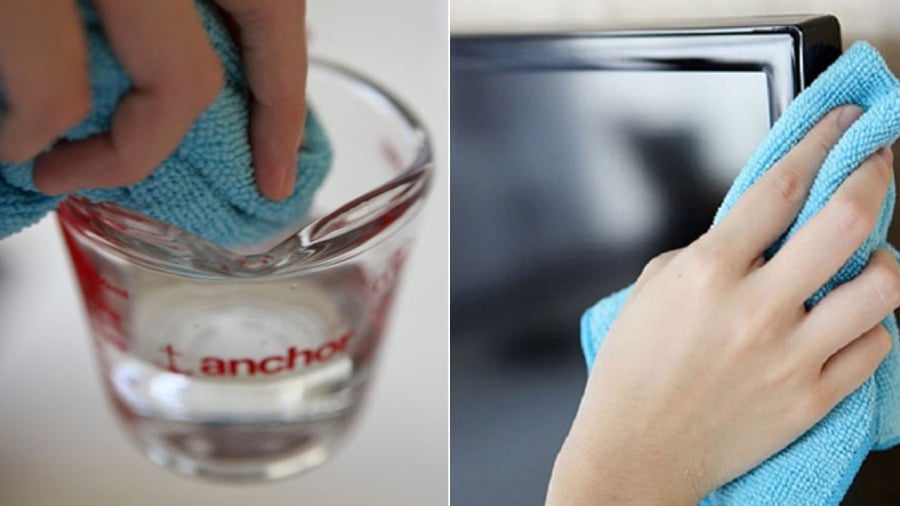
Using tissues or plain water can negatively affect the quality of your TV screen. To clean dust and dirt without causing damage, you should follow the proper method outlined below.
A television is an essential electronic and entertainment device in every modern household. After a period of use, the screen inevitably accumulates dust and smudges, which reduce image clarity and overall viewing experience. However, not everyone knows how to clean a TV screen correctly and safely.
Many people have the habit of wiping the screen with facial tissues or any cloth available at home. Some even use plain water directly on the surface. These methods are risky: tissues and rough cloths often have coarse fibers that can scratch the screen, leaving permanent marks. Meanwhile, using water can cause moisture to seep into small gaps, potentially damaging internal components and affecting the TV’s lifespan.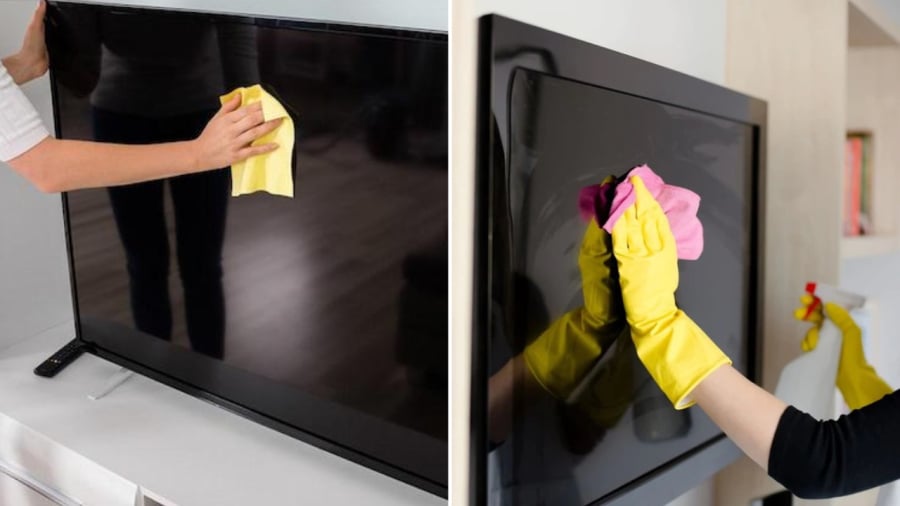
To clean your TV screen properly, start by turning off the power. Always unplug the device before cleaning any electronic equipment. This helps you see dust and stains more clearly on a dark screen and ensures safety by preventing accidental electrical issues.
For wiping the screen, prepare a microfiber cloth, a lens-cleaning cloth, or a soft cloth specifically designed for screen cleaning. Avoid using facial tissues, paper towels, or old clothing, as these materials are not gentle enough and can leave scratches or lint.
You may use warm water, or warm water mixed with a small amount of alcohol or white vinegar. Make sure to avoid cleaning solutions that contain ammonia, acetone, ethyl chloride, or similar harsh chemicals, as these substances can permanently damage the screen’s coating. Commercially available screen-cleaning sprays are also a safe option as long as they are designed for TVs and monitors.
Remember, never spray the cleaning solution directly onto the screen. Liquid can easily seep into the edges and damage internal circuits. Instead, apply a small amount of the prepared solution onto your cloth, then gently wipe the screen using light pressure. Do not press hard on the screen since force can damage the delicate display layers. For stubborn stains, wipe several times patiently rather than scrubbing aggressively.
As for the TV frame and stand, these parts are usually made of durable plastic and are less sensitive. You can use tissues or regular cloths to remove dust and fingerprints from these areas without worry.
With just a few simple steps, your TV screen will be clean, clear, and free from scratches—helping maintain both its appearance and performance over time.