Colon Cleansing: How to Naturally Flush Your Colon at Home (Science Based)
Colon cleansing broadly describes methods used to flush excess waste and toxins from your large intestine. While many claims regarding colon cleanses—like curing all headaches or dramatically boosting energy—lack strong scientific evidence, focusing on natural methods tied to good digestive health is beneficial.
You don't need to resort to invasive procedures like hydrotherapy or enemas to flush your colon. Instead, a diet rich in high-fiber, probiotic, and prebiotic foods, coupled with proper hydration, is the safest and most scientifically sound way to promote natural colon health and detoxification.
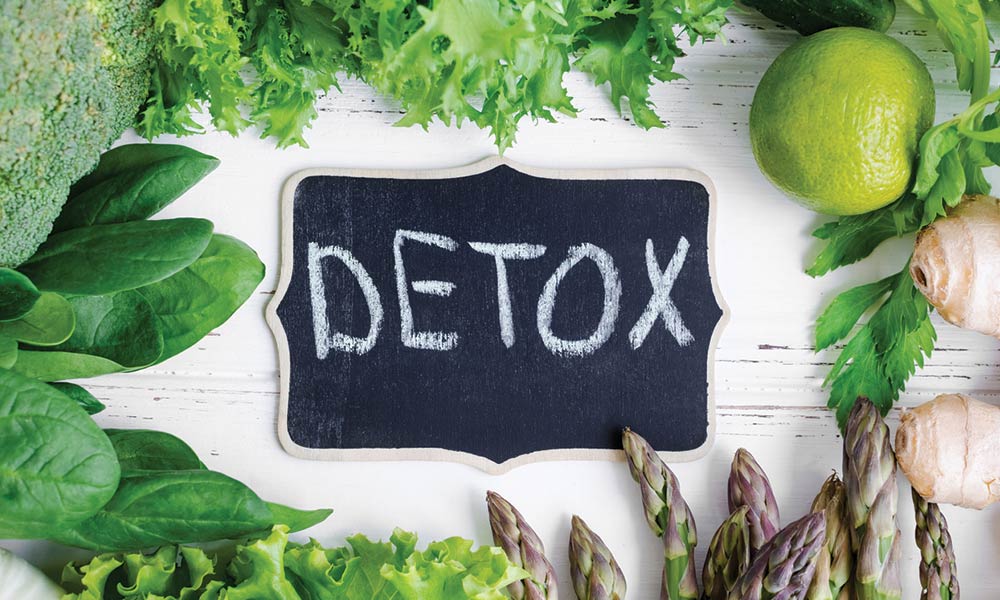
What the Colon Does
The colon, or large intestine, is a vital part of your digestive system. After digested food enters the colon, bacteria break down the remaining waste, removing water, salt, and some nutrients. Muscles then slowly move this material, which eventually becomes stool (feces), out of the body.
For optimal function, the colon requires a healthy balance of gut microflora ("good" bacteria). A healthy colon effectively cleanses the body of waste and is essential for good health. A diet low in fiber and high in fat is linked to microflora imbalances and increased risk of colorectal cancer.
Natural Colon Cleanse Methods
Natural colon cleansing primarily involves adopting a well-balanced diet that promotes healthy gut microflora and regular bowel movements.
1. High-Fiber Foods
Fiber is one of the best ways to clean out your colon effectively. It alleviates constipation, prevents hemorrhoids, and helps manage symptoms of Irritable Bowel Syndrome (IBS). Fiber is also a source of prebiotics, which feed beneficial gut bacteria. The recommended daily fiber intake is 20 to 30 grams.
2. Probiotic and Prebiotic Foods
A healthy gut microflora is essential for human health. Probiotic foods introduce healthy bacteria, while prebiotic foods provide the "food" these bacteria need to flourish.
Probiotics (Introduce Healthy Bacteria)
-
Kefir: A fermented milk drink often superior to yogurt, as it contains a greater variety (up to 60 strains) of healthy bacteria and yeast that protect the colon from harmful microbes.
-
Probiotic Yogurt: A good source of healthy bacteria, especially when consumed with fruits, which provide additional vitamins, minerals, and fiber.
-
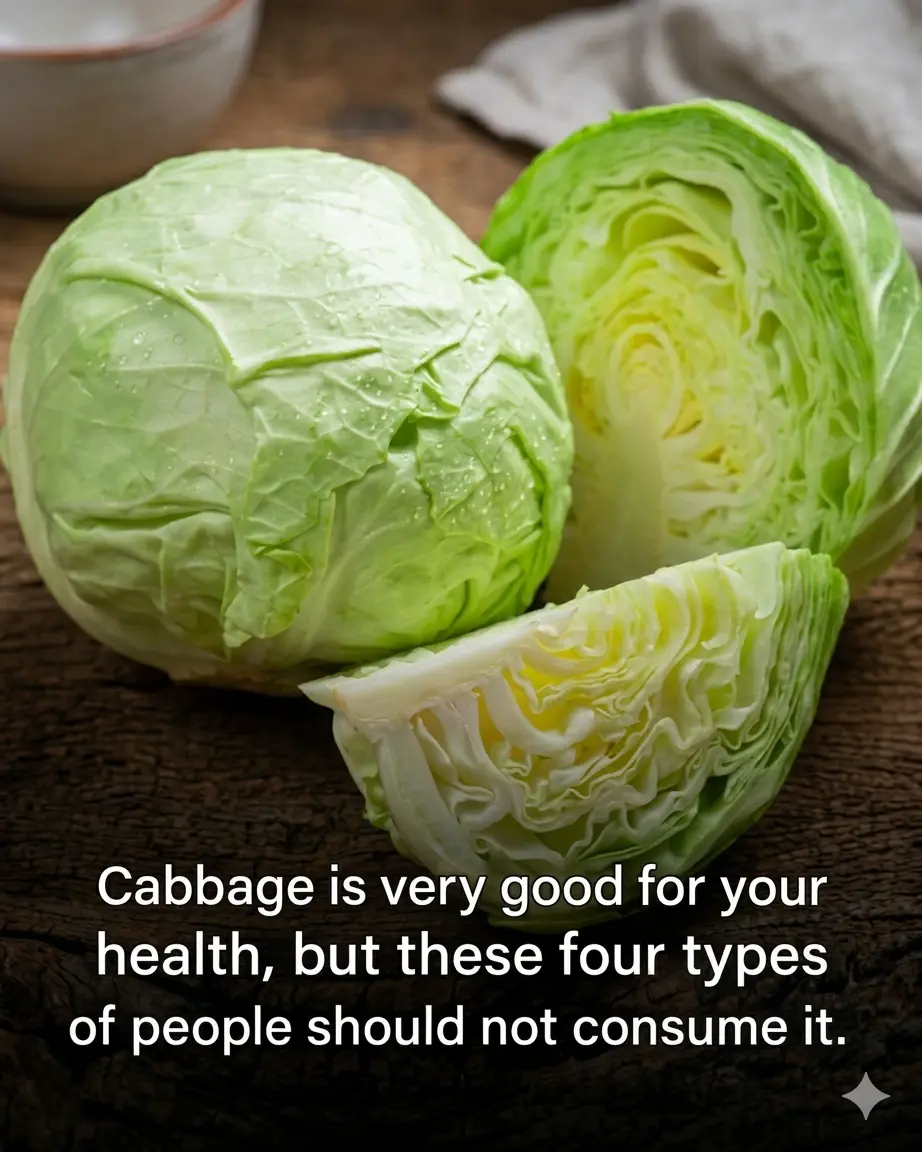
Sauerkraut: This fermented cabbage is full of probiotics; regular consumption can prevent constipation and improve digestion.
Prebiotics (Feed Healthy Bacteria)
-
Leeks, Asparagus, Garlic, Onions, Oats, and Wheat contain compounds that act as a food source for probiotics, improving intestinal health.
3. Juices and Smoothies
Adding natural fruit and vegetable juices or smoothies to your diet can help flush toxins and improve intestinal health.
-
Antioxidant Power: Plant foods are high in dietary polyphenols (antioxidants) that boost "good" bacteria and help eliminate toxins in the colon.
-
Good Options: Apples (especially the peel, which is high in antioxidants) and cranberries show anti-inflammatory effects and improve gut microflora.
-
Tip: While juices are beneficial, smoothies are better because they retain the crucial fiber content from the whole fruit and vegetable.
-
Cruciferous Juices: Blending green leafy vegetables like broccoli, kale, and cabbage provides compounds that improve gut bacteria.
4. Hydration and Herbal Teas
Drinking plenty of fluids is fundamental to preventing a buildup of waste, as water is necessary to aid digestion and help form stool.
-
Water: The best way to flush toxins. It is essential for absorbing nutrients and protecting the intestinal tract.
-
Herbal Teas: These work by increasing fluid intake and improving digestion through herbal properties.
-
Ginger: Contains antimicrobial and anti-inflammatory compounds that help improve colonic health and are linked to a lower risk of colorectal cancer.
-
Turmeric: Its powerful anti-inflammatory, antimicrobial, and antioxidant properties can help lower gastrointestinal inflammation and eliminate toxins.
-
Green Tea: Contains high levels of catechins, antioxidants that have an anti-inflammatory and anticancer effect on the gastrointestinal tract.
5. Salt Water Flush (Use with Caution)
Some people use a salt water flush to quickly induce a bowel movement.
-
How to: Mix 2 teaspoons of non-iodized sea salt or Himalayan salt in 1 liter of warm water. Drink quickly on an empty stomach.
-
Warning: Avoid this flush if you have heart problems, kidney problems, diabetes, or high blood pressure. Potential side effects include nausea and vomiting.
Healthy Colon Tips
To maintain colon health year-round:
-
Limit your consumption of red meat and processed foods.
-
Ensure adequate intake of fiber and include probiotic foods.
-
Drink plenty of water and fluids daily.
Focusing on these natural dietary and lifestyle habits is the safest and most effective way to keep your colon healthy and naturally flushed.