Don’t Cheat. Pick The Odd One Out To See How ‘Difficult’ You Really Are
Facts 19/05/2026 17:09
Did you know bats come to your house when certain conditions make your home attractive to them? Many people are surprised when they suddenly notice bats flying near their roof, hiding in attics, resting behind shutters, or appearing around porches at night.
For centuries, bats have been surrounded by myths, fear, superstition, and mystery.
Some cultures considered them signs of good fortune, while others associated them with darkness or danger. In reality, bats usually come to homes for very practical reasons connected to shelter, safety, temperature, and food.
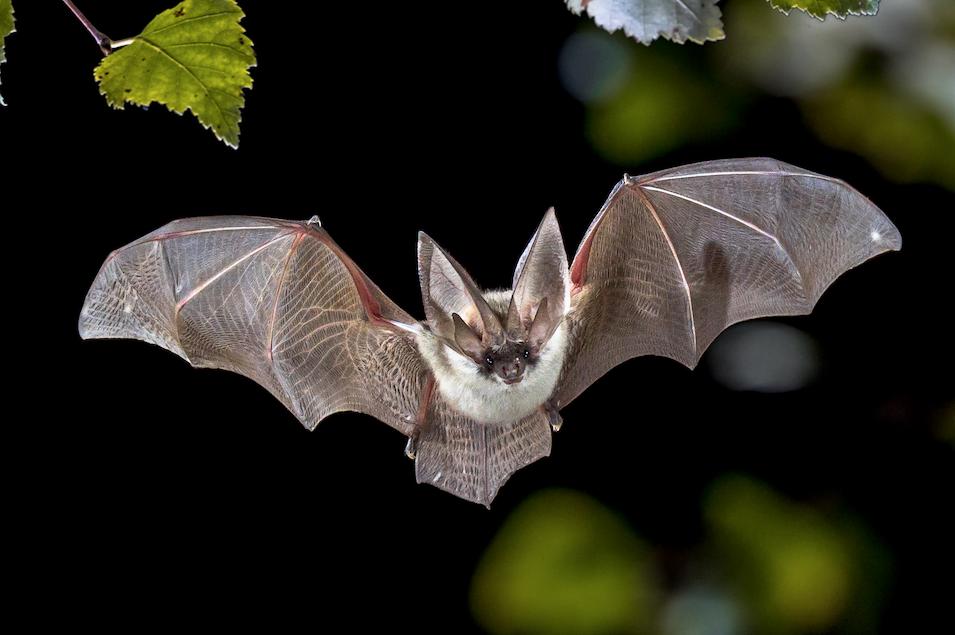
One of the main reasons bats come near houses is because they are searching for a safe place to rest. Bats are nocturnal animals, meaning they sleep during the day and become active at night.
During daylight hours, they look for dark, quiet, enclosed spaces where they can hide from predators and remain undisturbed.
Unfortunately, many modern homes accidentally provide ideal hiding places.
Attics, roof gaps, vents, barns, chimneys, wall cavities, garages, and abandoned structures often create perfect bat shelters because they are warm, dry, and protected from weather.
Another major reason bats gather near homes is because insects are present nearby. Bats feed heavily on insects such as mosquitoes, moths, beetles, flies, and gnats.
In fact, many species of bats can consume thousands of insects in a single night.
If your home has outdoor lights, standing water, gardens, ponds, or humid conditions that attract insects, bats may naturally appear because they are following their food source.
This is one reason bats are often seen flying around streetlights, porches, or backyard lights after sunset.
Warmth also plays an important role. Bats prefer environments that help them conserve energy and stay comfortable.
Roofs and attics absorb heat during the day, creating warm resting spots that many bats find appealing, especially during cooler seasons or breeding periods.
Female bats searching for nursery locations often choose warm spaces where baby bats can develop safely. This is why some homeowners suddenly notice increased bat activity during spring and summer months.
Many people become frightened immediately when they see bats near their house, but in most cases, bats are not attacking humans or intentionally invading homes to cause harm.
They are simply trying to survive. Unlike aggressive animals that actively seek confrontation, bats generally avoid human interaction whenever possible.
Most bats prefer darkness, quiet, and isolation. If a bat enters a living area, it is often confused or accidentally trapped rather than intentionally approaching people.
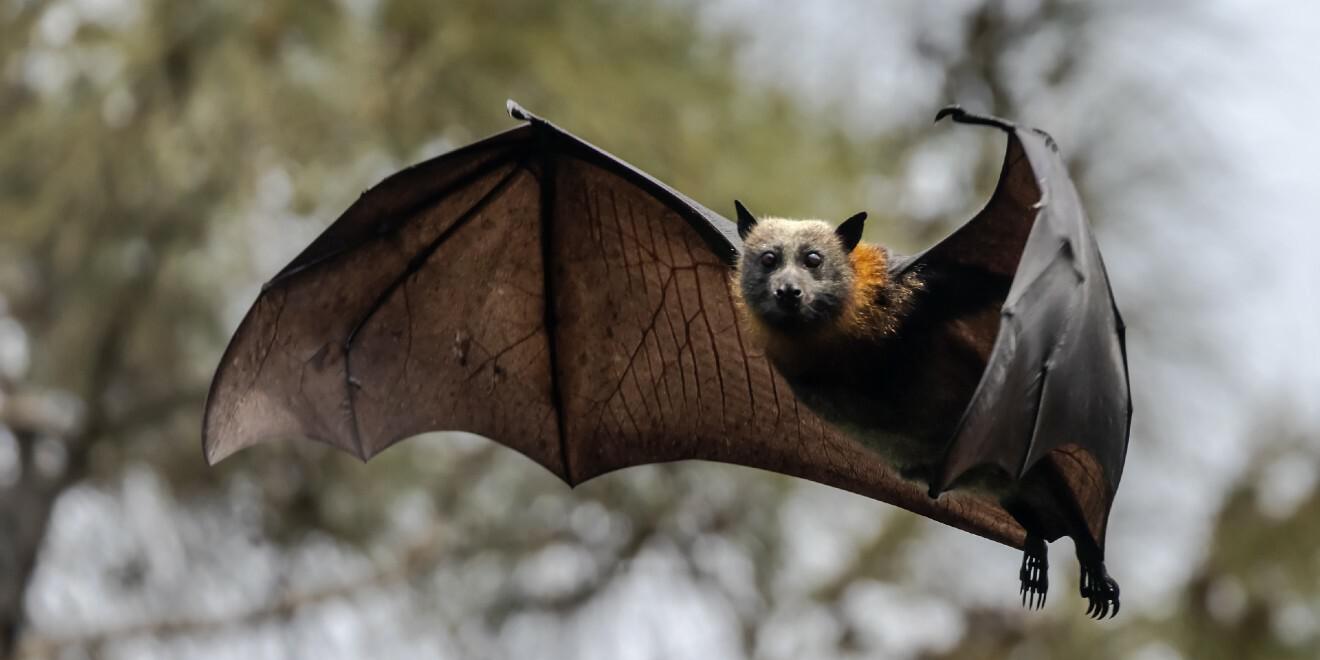
Still, having bats inside a home can become a serious issue if ignored. Bat droppings, known as guano, may accumulate over time and create strong odors, staining, contamination, or structural damage. Large colonies inside attics can produce significant waste buildup that eventually affects air quality and cleanliness. In some cases, guano may support fungal growth associated with respiratory health risks if disturbed heavily.
Another reason bats concern homeowners is the fear of disease. While the vast majority of bats are not dangerous, some bats can carry rabies or other pathogens. Direct handling should always be avoided. If a bat appears sick, injured, unusually aggressive, or unable to fly, professionals should be contacted rather than attempting personal removal. However, it is important to remember that most bats are not aggressively chasing people or spreading disease intentionally.
Interestingly, bats are actually extremely beneficial to the environment. They help control insect populations naturally, reducing the number of mosquitoes and agricultural pests without chemicals. Some species also contribute to pollination and seed dispersal, playing important roles in ecosystems around the world. Farmers in particular often appreciate bats because they help protect crops from destructive insects.
There are also many superstitions connected to bats visiting homes. In some cultures, bats are considered symbols of transformation, intuition, protection, or hidden change. Certain traditions believe bats entering a home represent upcoming change or spiritual messages. Other beliefs view them as omens connected to luck, either positive or negative depending on the region and culture. These symbolic interpretations have existed for centuries and continue appearing in folklore, stories, and internet discussions today.
However, from a scientific perspective, bats usually come to homes because environmental conditions attract them. Open entry points are one of the most common causes. Even very small gaps along roofs, vents, siding, chimneys, or loose boards can allow bats to enter buildings. Because bats are flexible and lightweight, some species can squeeze through surprisingly narrow spaces. Homeowners often do not realize these openings exist until bats have already established resting spots inside.
Seasonal changes also influence bat behavior. During colder months, some bats migrate while others search for sheltered hibernation areas. Homes, barns, and old buildings may provide stable temperatures suitable for survival during winter. In warmer seasons, breeding colonies may form in attics or wall spaces where young bats can grow safely before learning to fly.
Noise and disturbances may also affect whether bats stay or leave. Bats generally prefer quiet areas with minimal human activity. Homes with unused attics, storage spaces, or infrequently visited upper areas may unintentionally create ideal resting conditions. Once a colony becomes established, bats often return repeatedly because they remember safe locations year after year.
Many people first notice bats through sounds rather than direct sightings. Scratching noises, chirping sounds, fluttering near ceilings, or activity around dusk may indicate bats are nearby. Others discover droppings near walls, windows, or attic entrances before actually seeing any animals. In some cases, bats may only appear briefly at sunset as they leave their resting spaces to hunt insects.
Outdoor water sources can also attract bats. Ponds, streams, birdbaths, swimming pools, and damp environments increase insect populations and provide hydration opportunities. Homes located near wooded areas, farmland, caves, or water often experience more bat activity simply because these habitats naturally support bat populations.

Lighting patterns influence bats as well. Some species avoid bright light entirely, while others take advantage of insects gathering around outdoor lamps. Porch lights, security lighting, and illuminated patios may indirectly attract bats because insects concentrate there after dark. This explains why bats are frequently seen circling around lights at night.
People sometimes attempt dangerous or harmful removal methods out of fear, but improper handling can create bigger problems. Sealing entry points while bats are trapped inside may lead to dead animals inside walls or panicked bats entering living areas. Humane exclusion methods performed carefully are generally recommended when removal becomes necessary.
Another reason bats continue returning to certain homes is scent recognition. Colonies leave odors and chemical traces that help bats relocate familiar roosting areas. Even after removal, homes may continue attracting bats unless entry points are properly sealed and cleanup is completed thoroughly.
Although movies and horror stories often portray bats negatively, real bats are usually shy animals focused mainly on feeding and shelter. They are not flying randomly into houses to frighten people. Most encounters happen because the environment accidentally provides what bats need for survival.
At the same time, ignoring bat activity completely is not ideal either. If bats are living inside a structure regularly, professional inspection may help prevent long-term damage or health concerns. Early action is usually easier and safer than dealing with large established colonies later.
In the end, bats come to your house primarily because it offers something valuable to them: shelter, warmth, darkness, safety, insects, or nearby water. Their appearance is usually connected to environmental conditions rather than mystery or aggression. While cultural beliefs may attach symbolic meanings to bats, the real explanation is often practical and connected to survival. Understanding why bats appear can help reduce fear while allowing homeowners to respond safely, responsibly, and calmly if bats begin visiting or nesting near the home.