Don’t Ignore These Bites: Kissing Bugs Are Quietly Invading Homes and Spreading Danger
What Exactly Are Kissing Bugs?
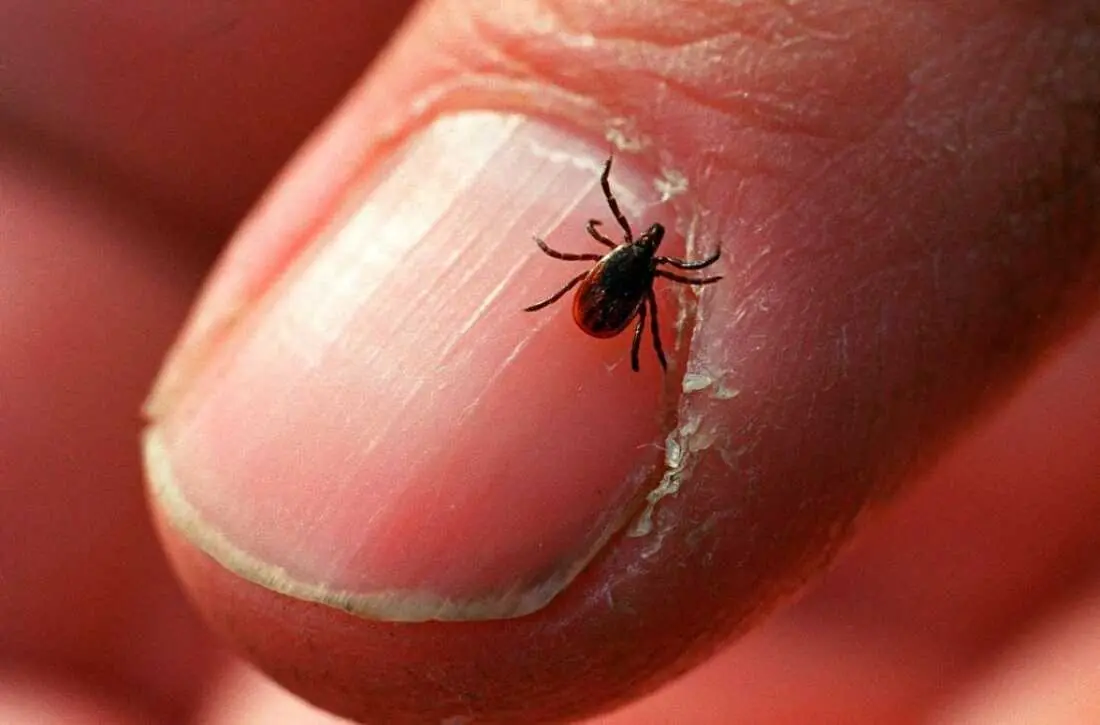
Kissing bugs, scientifically called triatomines, are nocturnal insects that survive by feeding on the blood of humans and animals. During the day, they remain hidden in cracks, woodpiles, or animal nests, and at night they emerge to feed—usually when people are asleep. Their saliva contains a numbing compound, which makes their bites nearly painless, allowing them to go unnoticed until marks or irritation appear.
These bugs are uniquely drawn to the carbon dioxide we exhale, which is why they tend to target the face—especially around the eyes and mouth. This behavior is what earned them the unsettling nickname “kissing bugs.” While they are most common in wooded environments and near rodent or bird nests, they can also invade homes through torn window screens, cracks in walls, or poorly sealed door frames.
Why Are Kissing Bugs Dangerous?
The danger doesn’t come just from the bites themselves but from the serious illness they can transmit: Chagas disease. This condition is most prevalent in South and Central America as well as Mexico, but health authorities have also reported an increasing number of cases in the southern United States. According to the Centers for Disease Control and Prevention (CDC), approximately 8 million people in Latin America are already living with the disease, and cases continue to rise globally.
How to Recognize Kissing Bugs
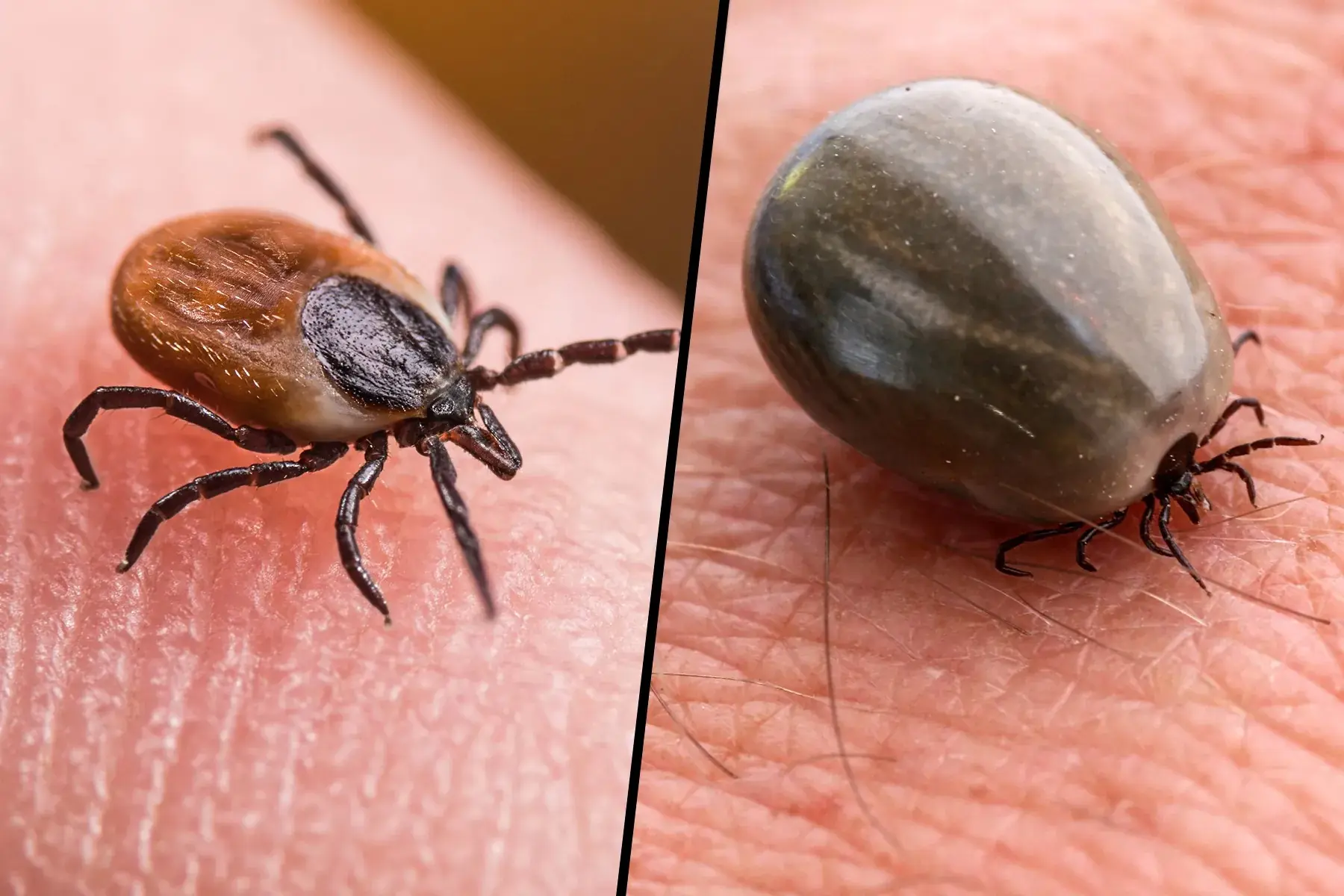
Although they can resemble beetles or other insects, kissing bugs have distinct features that set them apart:
- Long, oval-shaped body with six legs
- Cone-shaped head with prominent antennae
- Dark brown to black body with orange, yellow, or red markings
- Roughly the size of a U.S. penny (about 1 inch long)
Spotting one of these insects near your home should raise immediate concern, especially in regions where Chagas disease is more common.
Symptoms of Kissing Bug Bites
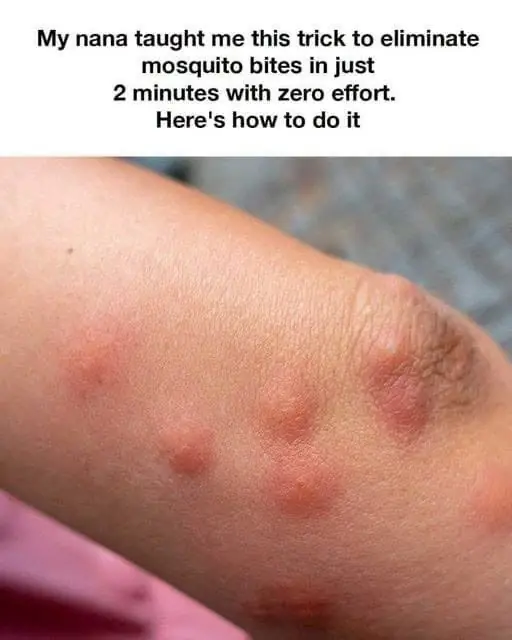
Most people do not immediately notice kissing bug bites, since they are painless. However, clusters of small bites may later appear near the lips, cheeks, or eyes. While some individuals experience nothing more than minor irritation, others may develop allergic reactions. Symptoms can include redness, swelling, itching, or in severe cases, hives and breathing difficulties that require urgent medical care.
The Health Risk: Chagas Disease
The most alarming threat linked to kissing bugs is Chagas disease, caused by the parasite Trypanosoma cruzi. Transmission occurs when the insect defecates near the bite wound, and the parasite enters the body through broken skin or mucous membranes. This often happens when a person unknowingly rubs their eyes or mouth after contact with the bug.
Phases of Chagas Disease:
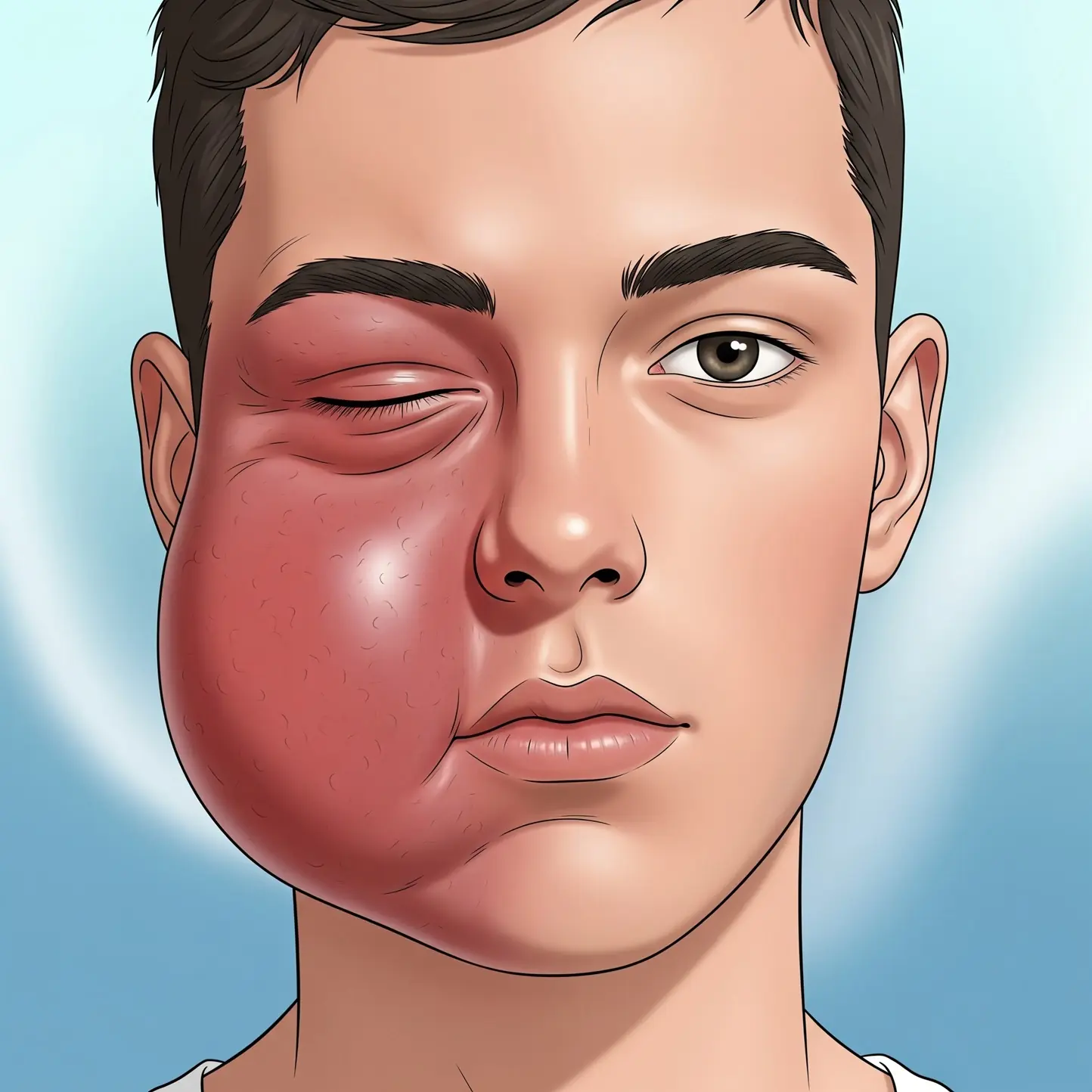
- Acute Phase: Lasts several weeks. Symptoms may include fever, fatigue, rash, swollen lymph nodes, and body aches. Children may develop Romaña’s sign—swelling around one eye—an early warning signal of the infection.
- Chronic Phase: After the initial symptoms fade, the parasite can linger in the body for decades. Most people remain symptom-free, but about 20–30% later develop serious health complications such as heart failure, arrhythmias, or digestive disorders caused by an enlarged colon or esophagus.
Treatment Options
Early detection is critical. Antiparasitic medications like nifurtimox and benznidazole are effective during the acute phase, though they are not always easy to access in the United States. Once the disease progresses into its chronic stage, treatment mainly focuses on managing complications rather than eliminating the infection. This is why prompt medical attention is vital after exposure.
How to Prevent Kissing Bug Infestations
Since prevention is the best defense, homeowners can take several steps to reduce the risk of kissing bugs entering their living spaces:
- Repair or replace torn window and door screens
- Seal cracks in walls, roofs, and flooring
- Keep outdoor areas clean by removing brush, rock piles, and fallen branches
- Reduce outdoor lighting at night, which attracts insects
- Use treated bed nets and insect-repellent curtains in high-risk areas
- Never crush a kissing bug with bare hands—place it in a sealed container with rubbing alcohol or freeze it instead
- Clean any surface that has come in contact with the insect using rubbing alcohol or diluted bleach
When to Seek Medical Help
While most kissing bug bites do not result in Chagas disease, it’s important to remain cautious. Seek medical advice if you:
- Live in or have traveled to regions where Chagas disease is known to occur and notice bites on your face
- Experience flu-like symptoms following a bite
- Have an allergic reaction, including hives, severe swelling, or difficulty breathing
- Suspect an infestation inside your home
Final Thoughts
Kissing bugs may seem like just another summer nuisance, but they carry far greater risks than many realize. With cases of Chagas disease spreading beyond traditional hotspots, awareness and prevention are key. By recognizing the insects, taking steps to secure your home, and seeking prompt medical attention when necessary, you can significantly lower your risk and protect your health.

News in the same category


Most Older Adults Don't Live Much Past 80: Here Are 4 Reasons

These Are the First Symptoms of Sleeping with Pets (And How to Rest Easy Anyway)

8 Warning Signs of Stroke That May Appear One Month Before — and 9 Ways to Help Reduce Your Risk

Eating One Boiled Sweet Potato Every Day: What Really Happened After 30 Days?

How to Treat H. Pylori (Helicobacter Pylori) Naturally Without Antibiotics

Honey and Cinnamon: A Proven Natural Cure For Many Diseases (Evidence Based)

Health Benefits of Green Tea: Weight Loss, Skin, and More (Science Based)

How Much Apple Cider Vinegar Should You Drink?

Medicinal Health Benefits of Garlic (Raw, Supplement) – Science Based

Natural Herbal Drink to Try for Adults Aged 30–75

🌿 Guava Leaves: A Traditional Herbal Remedy Many People Use—But Few Truly Understand 🍃

Magnesium in Water: A Simple Daily Habit to Support Hydration and Healthy Circulation for Older Adults

Parsley Tea: A Simple Herbal Drink to Support Everyday Wellness

Cholesterol-Free Anti-Inflammatory Drink: A Simple Homemade Recipe to Support Everyday Wellness

10 Signs You’re Eating Too Much Sugar

Young Engineer Diagnosed With Stage 3 Colon Can.cer at 25 After Ignoring One Warning Sign

Purslane (Portulaca Oleracea): The Weed with Extraordinary Benefits (Science Based)

Proven Health Benefits of Ground Flax Seeds and Flaxseed Meal (Science Based)

Health Benefits of Potatoes
News Post

Never Tie a Ribbon On Your Luggage

What a Squeaking Hip Could Mean

My Husband Spent 20 Years Swearing the Woman Tattooed Over His Heart Was Imaginary, Her Name Was Rose…

Most Older Adults Don't Live Much Past 80: Here Are 4 Reasons

These Are the First Symptoms of Sleeping with Pets (And How to Rest Easy Anyway)

8 Warning Signs of Stroke That May Appear One Month Before — and 9 Ways to Help Reduce Your Risk

Michael Jackson's Daughter Paris Jackson: Building Her Own Identity Beyond a Legendary Legacy

Eating One Boiled Sweet Potato Every Day: What Really Happened After 30 Days?

Trick To Stop Mosquito Bite From Itching

How to Treat H. Pylori (Helicobacter Pylori) Naturally Without Antibiotics

Soak leftover squeezed lemon halves and 1 common liquid and you will never go back

Honey and Cinnamon: A Proven Natural Cure For Many Diseases (Evidence Based)

Health Benefits of Green Tea: Weight Loss, Skin, and More (Science Based)

How Much Apple Cider Vinegar Should You Drink?

Medicinal Health Benefits of Garlic (Raw, Supplement) – Science Based

Natural Herbal Drink to Try for Adults Aged 30–75

🌿 Guava Leaves: A Traditional Herbal Remedy Many People Use—But Few Truly Understand 🍃

Magnesium in Water: A Simple Daily Habit to Support Hydration and Healthy Circulation for Older Adults

FULL STORY: The Mafia Boss Called the Poor Waitress Trash in Italian and Went Silent When She Corrected His Grammar M1