
Can You Spot the Mistake in This Snowy Scene
News 24/03/2026 11:35
March 24, 2026
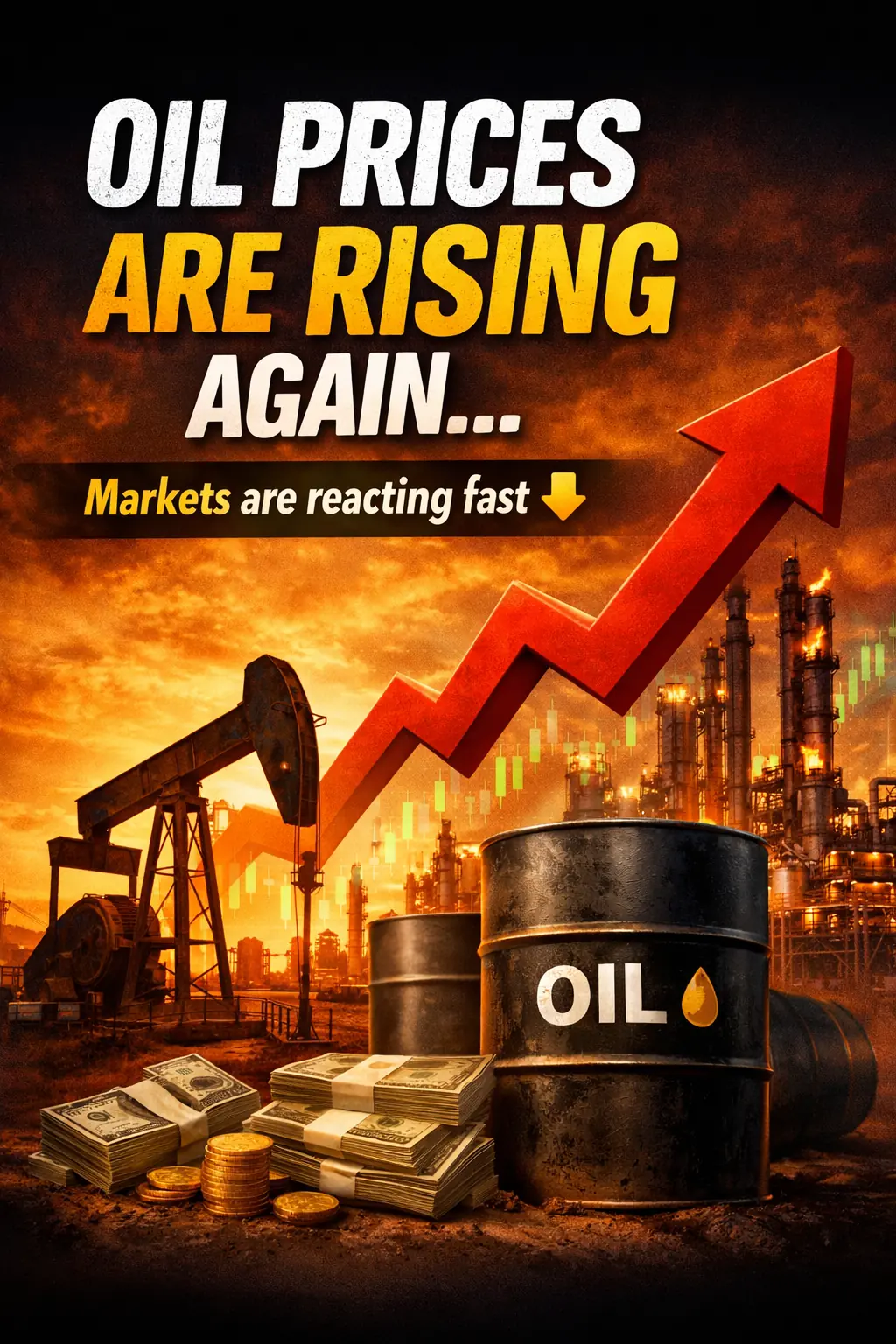
The global energy landscape is facing a period of intense uncertainty. On Tuesday, crude oil prices surged in early trading as geopolitical tensions in the Middle East reached a new boiling point.
In the early hours of GMT on Tuesday, the benchmarks showed a clear upward trajectory:
Brent Crude Futures: Rose by $1.06 (1.1%), hitting the psychological resistance level of $101 per barrel.
West Texas Intermediate (WTI): Climbed $1.58 (1.8%), reaching $89.71 per barrel.
This "moderate bounce" follows a chaotic Monday where prices had plummeted by over 10%. The market is currently a tug-of-war between hope for a diplomatic breakthrough and the stark reality of military escalation in the Gulf.
The volatility of the past 48 hours can be traced directly to conflicting narratives from the White House and the Iranian Revolutionary Guards.
On Monday, President Donald Trump announced a five-day delay to planned strikes on Iranian power plants, claiming that "productive talks" with unnamed Iranian officials had led to "major points of agreement."
However, the relief was short-lived. By Tuesday morning, Tehran officially denied any such contact. Iranian officials dismissed the President’s claims as "psychological operations" designed to manipulate financial markets.
"By shelving the plan to strike Iranian power plants for five days, the U.S. effectively paused the immediate escalation," says Tim Waterer, Chief Market Analyst at KCM Trade. "But today’s bounce shows the market finding its footing again. Traders realize that while the missiles are on hold, the Strait of Hormuz is still far from a clear waterway."
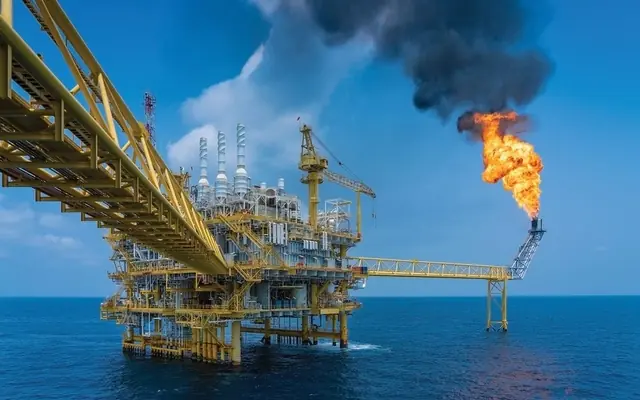
The most significant risk factor remains the Strait of Hormuz. As of late March 2026, the ongoing conflict has nearly halted shipments through this narrow passage, which typically handles one-fifth of the world’s oil and liquefied natural gas (LNG).
While two tankers bound for India managed to navigate the strait on Monday, the overall flow remains crippled.
Price Floor: Expected to stay between $85–$90.
Natural Drift: Prices are likely to gravitate back toward the $110 range until the waterway is fully restored.
Worst-Case Scenario: If the strait remains shut through April, Brent could skyrocket to $150 per barrel, a level that would trigger a global economic recession.
It isn't just the shipping lanes that are under threat; energy infrastructure within Iran is taking a direct hit. Recent reports from the Fars news agency highlight several critical strikes:
Isfahan: A gas company office and a pressure-reduction station were hit.
Khorramshahr: A projectile struck a gas pipeline feeding a major power station.
These internal supply disruptions, coupled with the Revolutionary Guards' vow to launch new attacks on U.S. targets, suggest that the conflict is entering a "war of attrition" phase, targeting the very heart of regional energy production.
In an attempt to prevent a total energy collapse, the United States has issued temporary sanctions waivers on Russian and Iranian oil that was already at sea.
Interestingly, industry sources report that Iranian crude is currently being offered to Indian refiners at a premium to ICE Brent.
Meanwhile, IEA Executive Director Fatih Birol has confirmed that consultations are underway regarding a coordinated release of strategic petroleum reserves (SPR) if the situation worsens.
At an energy conference in Houston this week, the mood was somber. While U.S. Energy Secretary Chris Wright attempted to downplay the crisis, industry executives warned that a prolonged U.S.-Israel-Iran conflict could reset the global inflation trajectory.
For those managing digital portfolios or news pages, the "Snowy Scene" of the oil market is clear: the footprints of diplomacy are missing. Until there is a verified, bilateral move toward a ceasefire, the "war premium" will continue to support high prices.












![🔥[KALEB STORY]🔥THE PAINFUL CHILDHOOD BEHIND THAT SMILE YOU SEE ON TV 💔](https://onplusnewscom.8cache.com/onplusnewscom/images/2026/03/21/1774099813GY09LCXgWc.webp)