
What Happens to Your Body When You Eat Too Much Sugar? Hidden Health Risks You Should Know
Health 08/07/2026 16:06
How much protein you need for muscle gain depends on your individual needs and activity level. Pairing a high-protein diet with strength training maximizes muscle gain.
Protein provides your body with amino acids, or the "building blocks" of proteins.
Your body breaks protein-rich foods down into amino acids. It uses amino acids to build new proteins and other essential compounds like neurotransmitters (chemical messengers).1
Certain amino acids, like valine, leucine, and isoleucine, are especially important for muscle maintenance and growth.2
Your body needs a consistent intake of amino acids through protein-rich foods to build muscle. Muscle hypertrophy, or the enlargement of muscle mass, can only occur when there's a positive net protein balance.
Muscle growth exceeds muscle breakdown.3 A high-protein diet, combined with resistance training, is key to preventing muscle loss and promoting muscle gain.4
You need to consume protein daily. The recommended dietary allowance (RDA) is 0.8 grams per kilogram of body weight, or 0.36 grams per pound, each day.4
However, the RDA is the minimum needed to prevent muscle loss and meet basic needs. It's not necessarily the ideal intake for muscle gain.4
Research suggests that active individuals aim for 1.2–2.0 grams of protein per kilogram of body weight daily, or 0.54–0.9 grams per pound, to maintain muscle mass.4
Experts recommend 1.6–2.2 grams per kilogram, or 0.72–1 gram per pound, to maximize muscle growth through resistance training.5
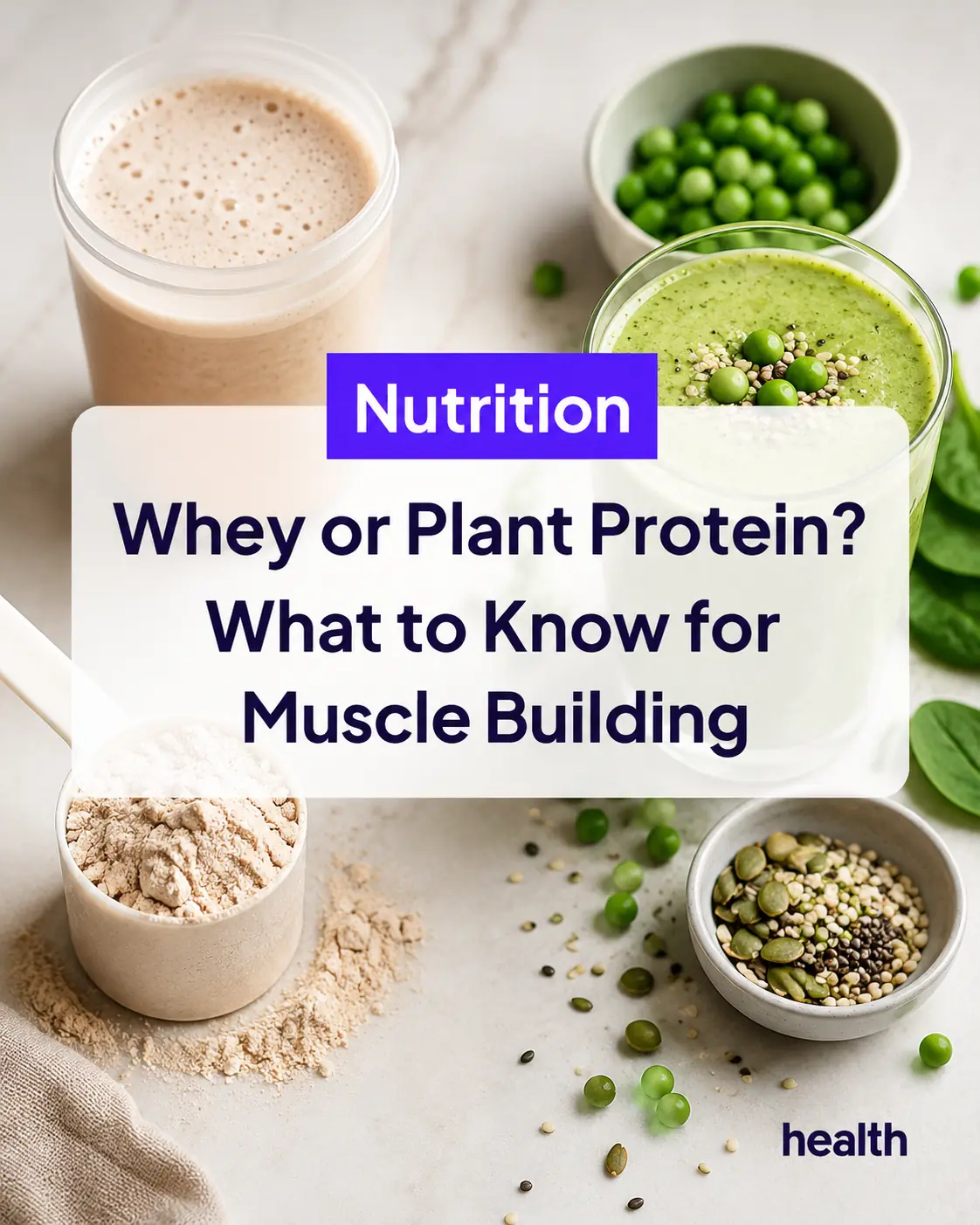
Supplementing with protein after resistance training may be most effective for supporting muscle gains.6 Drinking a protein shake or having a protein-rich snack or meal that provides around 20 grams of protein after a workout may help you reach your body composition goals.
For people who want to maintain body weight and build muscle, experts advise 1.6-2.2 grams of protein per kilogram of body weight per day, or 0.72-1 gram per pound. People who are actively trying to lose weight while maintaining or gaining muscle mass have even higher daily protein needs. Aim for 2.3-3.1 grams of protein per kilogram of body weight a day, or 1-1.4 grams per pound.5
Eating more protein-rich foods and adding a source of protein to every meal and snack can help you boost your overall protein intake. Try spacing protein-rich meals at least three hours apart to stimulate muscle growth.
Specific protein-rich foods, as well as certain amino acids, can support muscle growth. Whether you follow an omnivorous or plant-based diet, there are plenty of protein-rich foods to enjoy.
Animal proteins are categorized as "complete" proteins, meaning they deliver all nine of the essential amino acids your body needs to function. Some of the most protein-rich animal sources include:
Most plant-based proteins are "incomplete" because they are missing or low in one or more essential amino acids. This is why plant-based proteins are known to have lower muscle-building potential than animal proteins. Plant-based foods generally contain less total protein per serving than animal foods and are less digestible.1415
That said, it's entirely possible to build muscle on a plant-based diet as long as you eat a variety of plant-based proteins:16
It was once thought that high-protein diets were harmful to the kidneys, heart, and bones. Research has found that balanced high-protein diets are generally safe for most people. Diets that provide more than four times the RDA for protein are safe for physically active people and can benefit body composition and bone and heart health.2324
Diets high in specific types of protein, like red and processed meats, may increase the risk of colon cancer and heart disease.25 High-protein diets are safe for most people with normal kidney function, but they could worsen kidney function in those with kidney disease.26
Bilancio G, Cavallo P, Ciacci C, Cirillo M. Dietary protein, kidney function and mortality: Review of the evidence from epidemiological studies. Nutrients. 2019;11(1):196. doi:10.3390/nu11010196











Proven Health Benefits of Sage (Science Based)






Proven Health Benefits of Sage (Science Based)