Scientifically Proven Health Benefits of Papaya (Fruit) + Uses for the Seeds
⏱️ 1 min read 13/08/2026 15:48
Understanding Hemorrhoids: Causes, Symptoms, and Effective Solutions
Let’s face it: talking about hemorrhoids isn’t something most people enjoy. You might even be dealing with one right now. But if you’re among the millions experiencing itching, pain, or the unsettling sight of blood, you’re not looking for a casual conversation—you’re looking for real solutions and long-lasting relief. The good news is that hemorrhoids are extremely common, and in most cases, they are treatable. The issue lies in the widespread misinformation and the stigma surrounding them, which prevents many from seeking the help they need.
This guide will help change that. We’ll explore what hemorrhoids really are, why they develop, and what you can do about them—from simple lifestyle changes to effective medical treatments. Consider this your go-to guide for understanding and managing this common condition. You’ll discover that you have more control over it than you think, and that you don’t have to suffer in silence. (This article is based on insights from Dr. Paul Zalzal and Dr. Brad Weening)
Hemorrhoids Are Normal (Until They’re Not): Hemorrhoids are natural vascular cushions in the anal canal that assist with continence. They only become problematic when they swell, inflame, and produce symptoms.
Prevention is Key: Preventing hemorrhoids is the most effective strategy. A diet rich in fiber, staying hydrated, regular exercise, and proper bathroom habits are your best defenses.
Location Matters: There are two main types of hemorrhoids—internal and external—and their location dictates the symptoms. Internal hemorrhoids are typically painless but can bleed, while external hemorrhoids can be extremely painful.
Don’t Be Afraid to See a Doctor: A doctor can accurately diagnose the condition, rule out more serious issues like cancer, and guide you toward appropriate treatment. They’ve seen it all.
Effective Treatment Options: Relief can come from simple home remedies, dietary supplements, and, if necessary, minimally invasive procedures that can be done in a doctor’s office.

When you hear the term “hemorrhoid,” you likely picture a painful, swollen vein. While that’s part of the picture, it’s not the whole story. Everyone has hemorrhoids—they are normal anatomical features consisting of cushions of tissue, filled with blood vessels (both veins and arteries), located in your anal canal. These cushions perform two vital functions.
First, they have a vascular role. The veins within these cushions are part of a complex network that helps draw blood away from the anal area. This is important for maintaining tissue health, especially in an area prone to bacteria. Proper blood flow is crucial to prevent infections.
Secondly, these hemorrhoidal cushions also serve a mechanical purpose. Typically, there are three main bundles that fit together like puzzle pieces. Along with the sphincter muscles, they form a tight seal that keeps the anus closed. This helps with continence—the ability to control bowel movements and prevent leakage. Therefore, hemorrhoids are actually a necessary part of your anatomy.
A hemorrhoid becomes a medical issue when the veins within these cushions become dilated, swollen, and inflamed, causing them to bulge and produce symptoms.
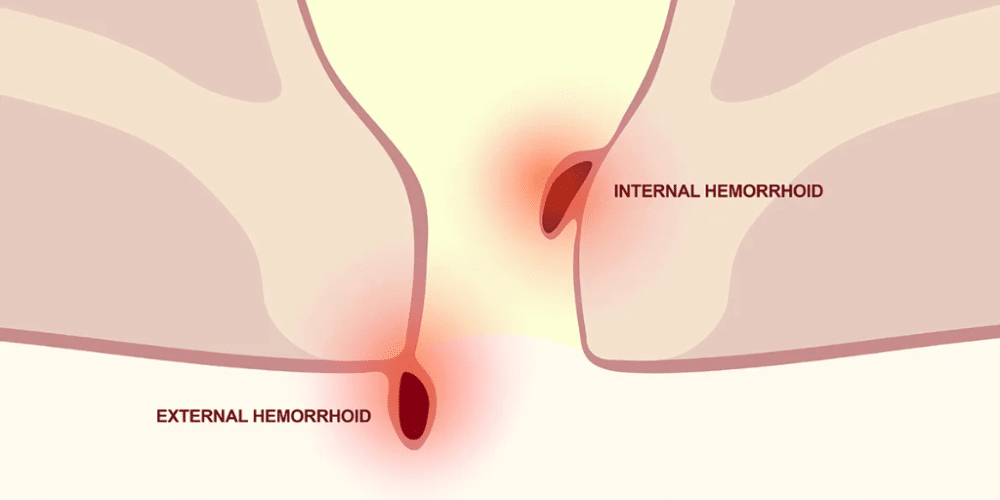
To better understand your symptoms and treatment options, it’s important to know the "dentate line" (or pectinate line), a landmark in your anal canal. This line divides internal from external hemorrhoids.
Internal Hemorrhoids:
These are located above the dentate line in your rectum. The tissue in this area has a different nerve supply, called visceral nerves, which don’t sense sharp pain, temperature, or pressure. This is why internal hemorrhoids are often painless. Their most common symptom is bright red, painless bleeding during a bowel movement.
External Hemorrhoids:
Located below the dentate line at the anal opening, external hemorrhoids are covered by a type of modified skin known as anoderm. This area is rich in somatic nerve endings, which are highly sensitive to pain, stretch, and temperature. This is why external hemorrhoids can be extremely painful, especially if a blood clot forms inside one (a thrombosed hemorrhoid).
This distinction is critical for treatment. Painless procedures like banding are typically used for internal hemorrhoids, while external hemorrhoids may require different methods.

If you're wondering whether your symptoms are pointing to hemorrhoids, here are some common signs to look out for:
Feeling a Lump:
You may feel a soft or firm lump around your anus while bathing or cleaning after a bowel movement. Many people initially fear it’s cancer, but it’s often just a hemorrhoid.
Pain and Discomfort:
Pain is the hallmark of external hemorrhoids. It can range from a dull ache to sharp, intense pain, especially when sitting or during a bowel movement.
Bleeding:
Bleeding is a classic sign of internal hemorrhoids. You might notice bright red blood on the toilet paper after wiping, in the toilet water, or on your stool. The blood should be bright red; black, tarry, or maroon-colored stool suggests bleeding from higher up in your digestive tract and requires immediate medical attention.
Itching and Irritation:
Swollen hemorrhoids can leak small amounts of mucus, leading to itching and irritation in the anal area.
Prolapse:
In some cases, an internal hemorrhoid becomes so large that it bulges outside the anus. This is called prolapse. It may protrude during a bowel movement and retract on its own (Stage 2), or you may need to push it back in yourself (Stage 3). In severe cases, it stays outside all the time (Stage 4).

Hemorrhoids are fundamentally caused by increased pressure in the veins of your lower rectum and anus. The most common risk factors include:
Straining During Bowel Movements: The primary cause of hemorrhoids, straining due to constipation, significantly increases pressure in the anal area.
Low-Fiber Diet: A diet low in fiber can lead to constipation, making bowel movements harder to pass.
Chronic Constipation or Diarrhea: Both extremes can cause strain and irritation.
Prolonged Sitting: Spending too much time sitting, particularly on the toilet, can cause blood to pool in hemorrhoidal veins, increasing pressure.
Pregnancy: The growing uterus and hormonal changes during pregnancy increase the risk of hemorrhoids.
Heavy Lifting: Activities that increase abdominal pressure, such as lifting heavy weights, can trigger hemorrhoids.
Age: As you age, the connective tissues supporting the veins in your rectum and anus weaken, making hemorrhoids more likely.

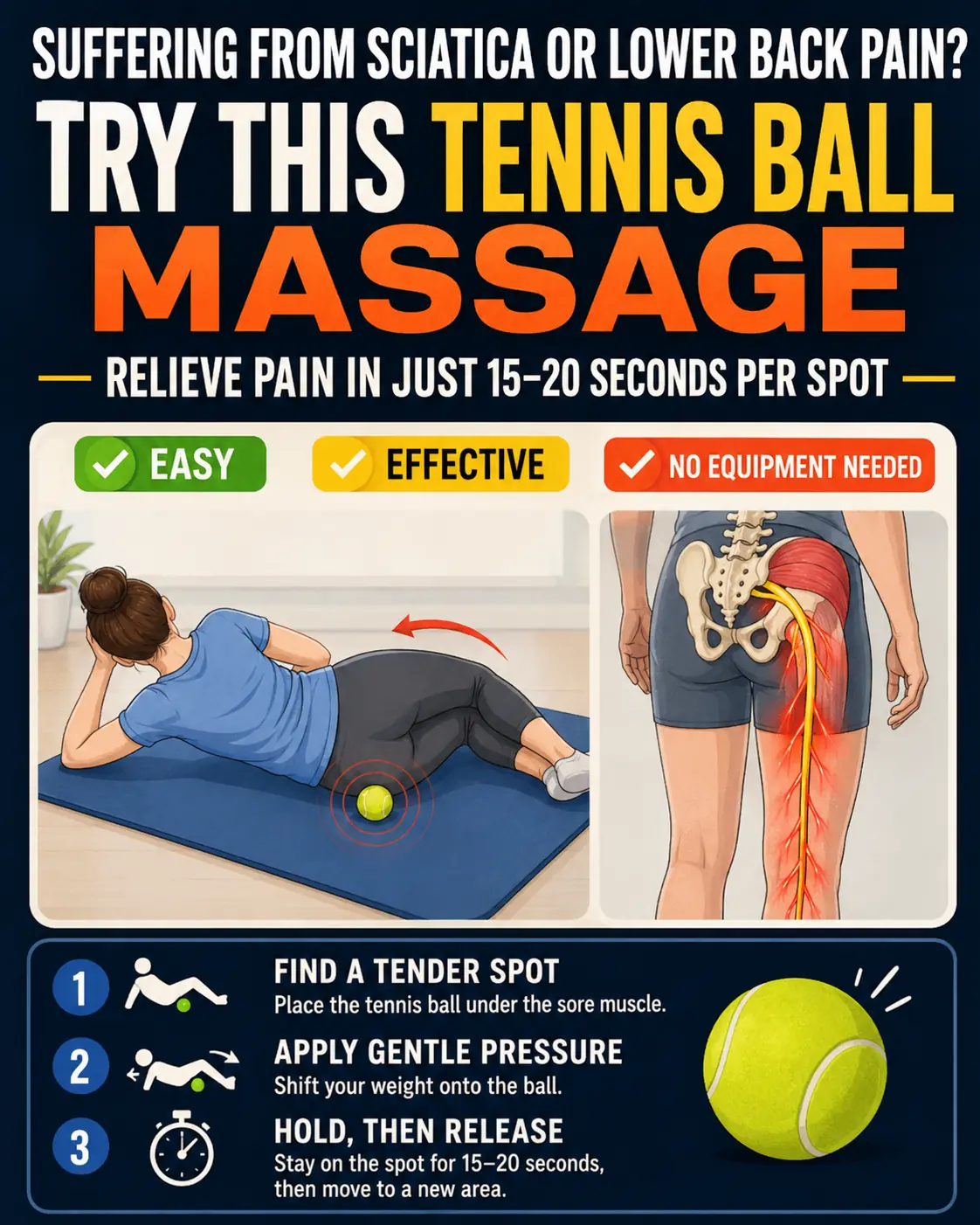
How to Use Tennis Ball to Relieve Sciatic Pain and Back Pain (Evidence Based)

8 Hidden Ingredients You Didn’t Know Were In Your Bread









How to Use Tennis Ball to Relieve Sciatic Pain and Back Pain (Evidence Based)
8 Hidden Ingredients You Didn’t Know Were In Your Bread