
Why Women Prefer Hotter Showers Than Men
Health 26/02/2026 22:24
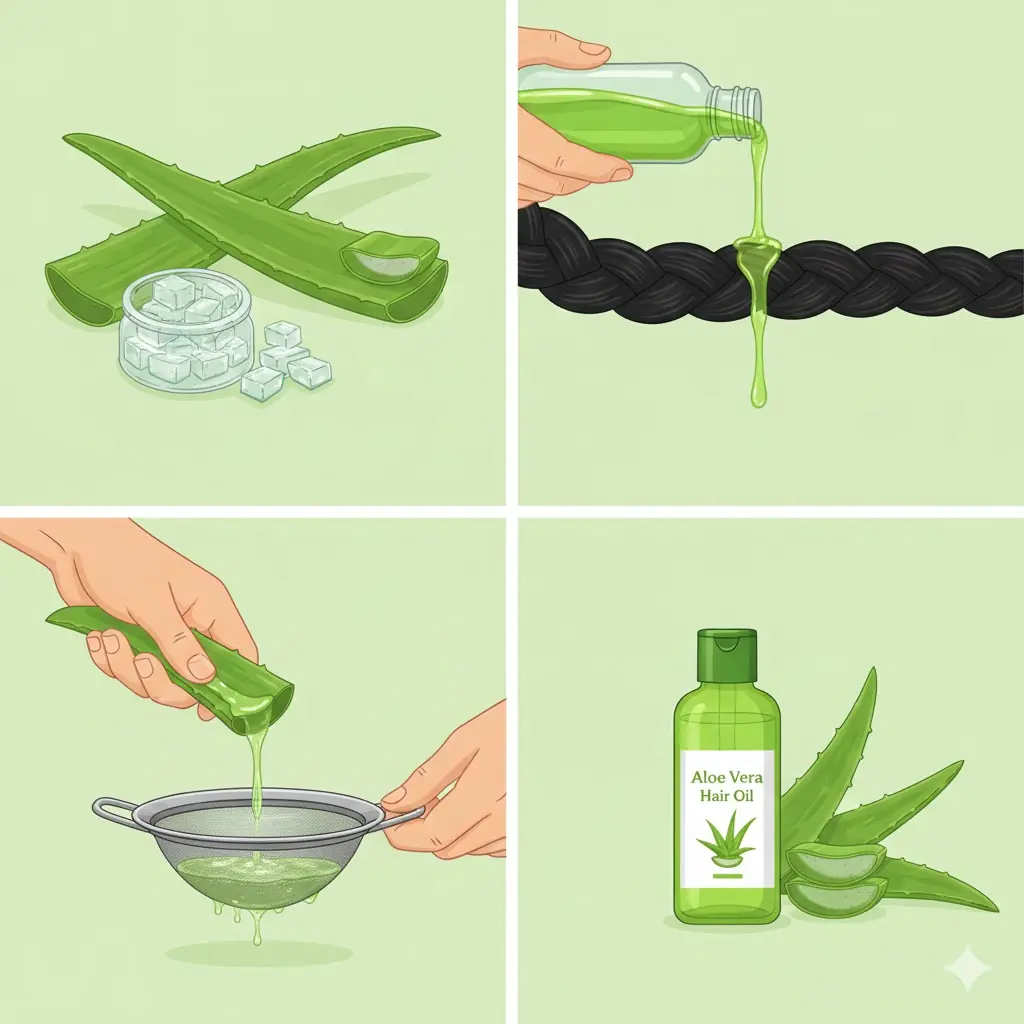
Natural hair care has been part of traditional beauty rituals for centuries. One of the most valued plants in these routines is aloe vera (aloe vera), known for its soothing, hydrating, and nutrient-rich gel.
When infused into a carrier oil, aloe vera becomes easier to apply, more versatile, and ideal for weekly scalp and hair treatments. While it’s not a miracle solution for hair loss, it can support a healthier scalp environment — which plays an important role in maintaining strong, resilient hair over time.
In this guide, you’ll learn:
How to make aloe vera oil step by step
Why it may support overall hair health
How to use it safely and effectively
Practical tips for best results
aloe vera contains naturally occurring:
Vitamins A, C, and E (associated with skin renewal)
Vitamin B12 and folic acid (linked to hair health)
Enzymes that help gently remove buildup from the scalp
Amino acids and minerals that support scalp comfort
It’s widely appreciated for its:
✔ Hydrating properties
✔ Soothing effect on dry or irritated scalp
✔ Ability to help balance excess oil
✔ Lightweight texture that doesn’t overly weigh down hair
When infused in oil, aloe’s compounds blend with nourishing fats that help distribute moisture along the hair shaft and scalp.
With consistent use, aloe vera oil may help:
Improve the appearance of excessive shedding
Strengthen hair strands from the roots
Hydrate a dry scalp
Reduce the look of mild flaking
Add softness and natural shine
Support overall scalp comfort
Important: aloe vera oil does not instantly regrow hair or stop hair loss. However, a healthier scalp environment can contribute to stronger-looking, more resilient hair over time.
2–3 large fresh aloe vera leaves
1 cup carrier oil (coconut, olive, or sweet almond oil)
Small saucepan
Fine strainer or clean cloth
Clean glass jar for storage
Fresh aloe leaves are ideal because they contain higher concentrations of active compounds. If unavailable, use high-quality pure aloe gel.
Wash the leaves thoroughly.
Trim off the thorny edges.
Slice the leaf open and scoop out the clear gel.
Avoid the yellow latex layer, which may cause irritation.
Cut the gel into small pieces.
Each oil offers slightly different benefits:
Coconut oil – deeply nourishing and penetrating
Olive oil – ideal for dry or damaged hair
Sweet almond oil – lightweight, good for fine hair
Pour 1 cup of your chosen oil into a saucepan and add the aloe gel pieces.
Warm over low heat.
Stir occasionally.
The gel will gradually darken as moisture evaporates.
This process takes about 10–20 minutes.
Avoid high heat — excessive temperatures may reduce beneficial compounds.
Remove from heat and allow to cool slightly.
Strain out the aloe residues.
Transfer the oil into a clean, dry glass jar.
Store in a cool, dark place. Properly stored, it may last several weeks.
Apply a small amount directly to the scalp.
Massage gently for 5–10 minutes.
Leave on for at least 30 minutes (or overnight if tolerated).
Wash with a mild shampoo.
Scalp massage may help improve local circulation and enhance absorption.
You can mix aloe oil with:
Plain yogurt
honey
Egg (if suitable for you)
Apply to scalp and hair length. Leave 30–45 minutes before washing.
Rub 1–2 drops between your palms.
Apply lightly to hair ends only.
This can help reduce frizz and improve shine without heaviness.
1–2 times per week is enough for most people.
Very dry scalp may tolerate slightly more frequent use.
Oily scalp types should begin once weekly.
Consistency matters more than frequency.
✔ Perform a patch test before first use.
✔ Use a gentle, sulfate-free shampoo when possible.
✔ Maintain balanced nutrition and good hydration.
✔ Be patient — natural routines often show gradual results.
Homemade aloe vera oil is a simple, affordable addition to a natural hair care routine. While it won’t create overnight transformations, regular use may help support scalp comfort, improve hair softness, and promote stronger-looking strands over time.
If you’re looking for a gentle, plant-based way to complement your routine, aloe vera oil is a practical and mindful option worth trying.