The Surprising Heart-Healing Power of Olive Oil, Chia Seeds, and Cayenne Pepper
Health 08/12/2025 02:26
Hypothyroidism is one of the most underdiagnosed medical conditions worldwide. Often referred to as a “silent condition,” it develops slowly and subtly, causing symptoms that many people mistake for stress, aging, or lifestyle fatigue. But when the thyroid slows down, every cell in the body slows down with it — affecting metabolism, mood, heart function, digestion, and energy levels.
Understanding the symptoms, causes, and treatment can help you identify hypothyroidism early and manage it more effectively.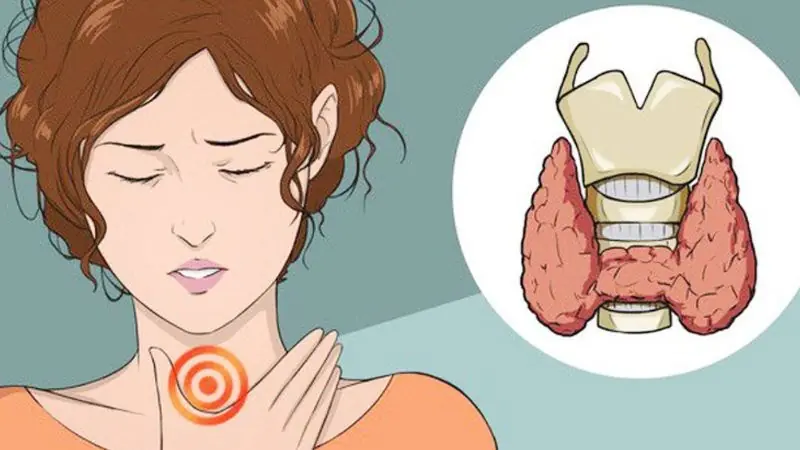
The thyroid is a small butterfly-shaped gland located at the base of the neck. It produces hormones (T3 and T4) that regulate metabolism, body temperature, heart rate, and energy levels.
When the thyroid doesn’t produce enough hormones, the body enters a “low power mode,” leading to hypothyroidism.
This condition affects people of all ages but is especially common in:
Women over 40
People with autoimmune conditions
Those with a family history of thyroid disorders

Hypothyroidism develops gradually. Symptoms overlap with many other conditions, causing people to ignore them or misinterpret them as something minor.
Common phrases from undiagnosed patients include:
“I’m just getting older.”
“Maybe I’m stressed.”
“I’m tired because I work too much.”
But the thyroid may be the real reason.
The most common symptom. People feel drained even after a full night’s sleep.
Even when eating normally or exercising, metabolism slows down, causing weight gain.
Low thyroid hormones reduce heat production.
Skin becomes rough, pale, and dry. Hair thins due to slowed cell turnover.
Low thyroid hormones impact mood and cognitive function.
Digestive processes slow dramatically.
A common but often overlooked sign in women.
Thyroid issues can disrupt how the body processes fats.
Metabolic slowdown affects muscle recovery.
Thyroid enlargement or inflammation can affect the voice.
Even one or two of these symptoms may signal thyroid dysfunction.
An autoimmune condition where the body attacks its own thyroid. The most common cause worldwide.
Still common in areas with low iodine in soil or diet.
Both can affect hormone production.
Such as lithium or amiodarone.
Having a family member with thyroid disease increases your risk.
A full thyroid panel usually includes:
TSH
Free T4
Free T3
Thyroid antibodies (TPO, TGAb)
TSH is the most common test, but relying solely on TSH can miss many early cases. A complete panel gives a clearer picture.
The standard treatment is daily thyroid hormone replacement (levothyroxine).
When taken correctly, it restores hormone balance and reverses symptoms.
While medication remains essential for most people, lifestyle changes support overall thyroid health.
Foods that help:
Seaweed (nori, kelp)
Eggs
Dairy
Iodized salt
Avoid excess iodine, which can worsen autoimmune thyroid disorders.
Selenium activates thyroid hormones. Found in:
Brazil nuts
Tuna
Turkey
Sunflower seeds
Chronic stress elevates cortisol and suppresses thyroid function.
Try meditation, yoga, or deep breathing.
Those with Hashimoto’s often have gluten sensitivity.
Rest helps restore hormone balance.
Walking, stretching, and yoga improve metabolism without overstraining the body.
You should seek medical evaluation if you experience:
Persistent fatigue
Sudden weight gain
Mood changes
Hair thinning
Cold intolerance
Early treatment prevents long-term complications like heart disease, infertility, and nerve damage.
Hypothyroidism is a silent condition — but with awareness and proper care, it is highly manageable. Knowing the symptoms can help you catch the disorder early and restore your energy, metabolism, and overall well-being.