Fingernails are often viewed as simple protective coverings at the tips of our fingers, but in reality, they can serve as subtle indicators of internal health.
The nail plate, nail bed, cuticle, and surrounding tissues reflect changes in circulation, nutrition, oxygen levels, hormonal balance, and even organ function.
While nail abnormalities alone cannot diagnose disease, they can provide early warning signs that something inside the body may require attention.
Understanding what different nail changes might mean can help people seek timely medical evaluation.
Healthy fingernails are usually smooth, slightly curved, consistent in color (a light pink tone due to blood flow beneath the nail bed), and free of deep ridges or discoloration.
They grow steadily—about 2–3 millimeters per month.
When the body experiences stress, nutritional deficiency, infection, or chronic illness, nail growth and appearance may change.
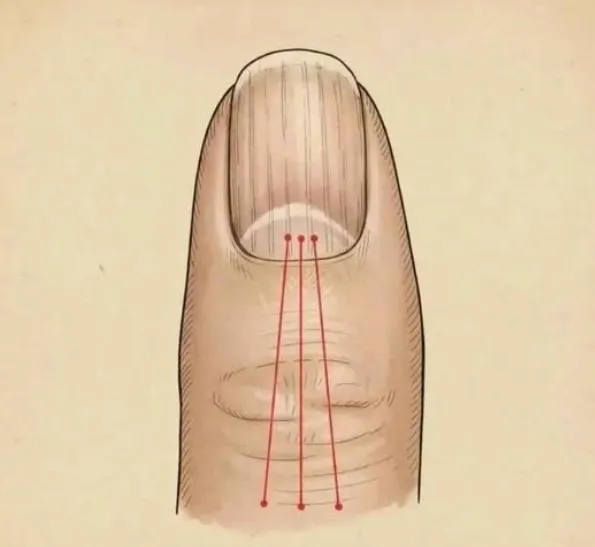
One of the most common changes is brittle or easily broken nails.
While this can result from frequent exposure to water, chemicals, or aging, it may also indicate iron deficiency anemia or thyroid disorders.
Iron plays a critical role in oxygen transport within the blood. When iron levels are low, tissues—including the nail matrix—may not receive adequate oxygen, leading to thin, fragile nails.
Hypothyroidism (an underactive thyroid) can also slow nail growth and make nails dry and brittle due to reduced metabolic activity.
Another well-known nail sign is spoon-shaped nails, medically called koilonychia. In this condition, the nails curve upward at the edges, forming a concave shape that can hold a drop of water.
This is often associated with iron deficiency anemia. In some cases, it may also relate to chronic blood loss, liver disorders, or genetic conditions.
When spooning appears alongside fatigue, pale skin, or shortness of breath, a blood test is strongly recommended.
Yellow nails can have multiple causes.
Mild yellowing may result from nail polish staining or fungal infection.
However, persistent yellow nails—especially when thickened and slow-growing—can indicate a rare condition called yellow nail syndrome, which is associated with respiratory disorders and lymphatic problems.
In other cases, yellowing may be linked to diabetes, where high blood sugar levels affect circulation and immune function, increasing susceptibility to fungal infections.
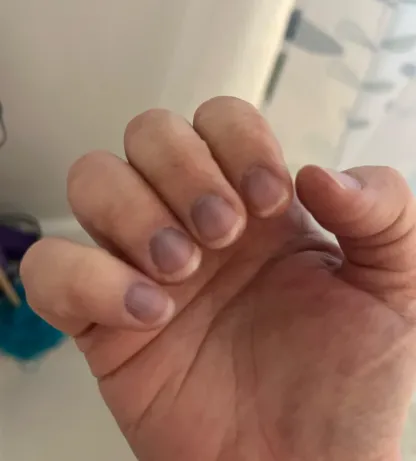
Bluish or purple nails may signal insufficient oxygen in the blood.
This condition, called cyanosis, can be related to lung diseases such as chronic obstructive pulmonary disease (COPD), asthma, pneumonia, or heart conditions that impair oxygen delivery.
When the nail bed appears blue and is accompanied by shortness of breath or chest discomfort, immediate medical evaluation is necessary.
White nails can also be meaningful.
Completely white nails with a darker rim at the tip (a condition called Terry’s nails) may be associated with liver disease, congestive heart failure, or diabetes.
Partial whitening can sometimes indicate kidney disease or low protein levels in the blood.
However, small white spots on the nail plate are usually harmless and often result from minor trauma rather than calcium deficiency, which is a common myth.
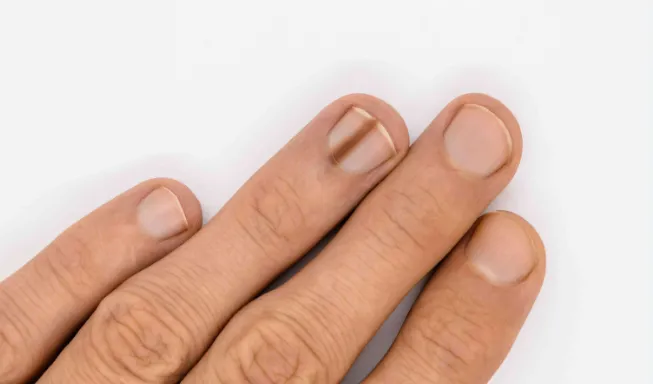
Dark lines beneath the nail should be carefully evaluated.
While some pigmentation is harmless, especially in individuals with darker skin tones, a dark vertical streak can sometimes indicate subungual melanoma, a serious form of skin cancer.
If a dark stripe appears suddenly, changes shape, or extends into the surrounding skin, a dermatologist should examine it promptly.
Clubbing of the nails is another important sign.
This condition causes the fingertips to enlarge and the nails to curve downward around the fingertips.
Clubbing develops gradually and is often associated with chronic lung diseases, heart disease, inflammatory bowel disease, or certain cancers.
It reflects long-term low oxygen levels in the blood.
Horizontal ridges across the nails, known as Beau’s lines, may appear after severe illness, high fever, major stress, surgery, or chemotherapy.
These ridges form when nail growth temporarily stops due to systemic shock or metabolic stress.
The depth of the ridge can sometimes reflect the severity of the event.
Vertical ridges, on the other hand, are common with aging and usually harmless.
However, if they are accompanied by splitting or discoloration, they could signal nutritional deficiencies, particularly low levels of magnesium or vitamin B12.
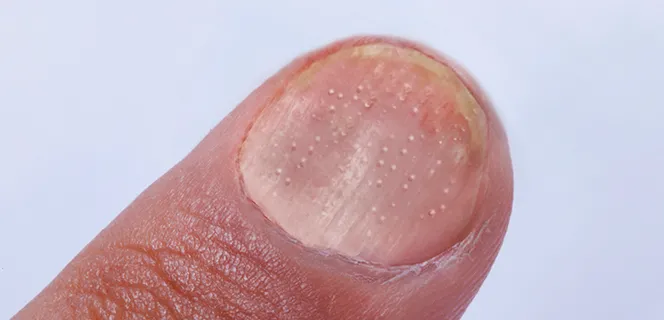
Pitting of the nails, which appears as small dents or depressions in the nail surface, is often associated with autoimmune conditions such as psoriasis.
Psoriasis affects skin cell turnover, including in the nail matrix. Nail pitting may also occur in alopecia areata or other inflammatory disorders.
Red or brown streaks under the nails could indicate small areas of bleeding called splinter hemorrhages.
These may result from minor injury, but when multiple streaks appear without trauma, they can sometimes signal heart valve infections (endocarditis) or systemic vasculitis.
It is important to emphasize that nail changes are not diagnostic on their own.
Many nail abnormalities have harmless explanations, including aging, environmental exposure, or temporary stress.
However, persistent, unusual, or rapidly changing nail signs—especially when accompanied by other symptoms—should prompt medical evaluation.
Maintaining nail health involves balanced nutrition, adequate hydration, proper hygiene, and protection from excessive chemicals.
Diets rich in protein, iron, zinc, biotin, and essential vitamins support healthy nail growth.
Regular medical check-ups can also identify underlying issues before nail changes become severe.
In conclusion, fingernails truly can act as a “mirror” reflecting internal health.
Changes in color, shape, texture, or growth pattern may provide clues about nutritional deficiencies, circulation problems, organ dysfunction, autoimmune disorders, or systemic disease.