Why Ear Hair Appears as We Age
Health 26/07/2026 21:31
Your Sleep Pattern May Be Revealing More Than You Think - Especially If You Wake Up at 3 or 4 A.M
Have you ever found yourself suddenly awake at 3 or 4 in the morning, staring at the ceiling and wondering why? If it happens once in a while, it's usually nothing to worry about. But if you find yourself waking up at the same time night after night, your body may be trying to tell you something.
Many people assume that waking up during the night is simply a normal part of aging or a random sleep disturbance. While occasional nighttime awakenings are common, frequent wake-ups at 3 or 4 a.m. may be linked to factors ranging from stress and lifestyle habits to underlying health conditions.
Understanding the possible reasons behind these early-morning awakenings can help you improve your sleep quality and overall well-being.
Yes. In fact, most people briefly wake up several times during the night without even remembering it.
Sleep occurs in cycles that include:
Light sleep
Deep sleep
REM (Rapid Eye Movement) sleep
At the end of each cycle, brief awakenings can occur naturally. Usually, people fall back asleep within seconds or minutes.
The concern arises when:
You wake up frequently
You remain awake for extended periods
The pattern becomes consistent
It affects daytime functioning
If you're repeatedly waking up at 3 or 4 a.m., several factors may be involved.
One of the most common reasons people wake up during the early morning hours is stress.
When you're under emotional pressure, your body's stress-response system becomes more active.
Stress hormones such as cortisol may:
Increase alertness
Make it difficult to stay asleep
Trigger racing thoughts
Cause nighttime awakenings
You may notice:
Worrying about work or finances
Overthinking conversations
Feeling tense before bed
Difficulty relaxing
Many people discover that their minds become most active during the quiet hours of the night.
Cortisol, often called the "stress hormone," follows a daily rhythm.
Normally:
Cortisol is lowest during the night
Levels gradually rise toward morning
This helps prepare the body to wake up
However, chronic stress may disrupt this pattern.
When cortisol rises too early, it can trigger awakening around 3 or 4 a.m.
Some individuals feel:
Fully alert
Unable to return to sleep
Mentally active despite feeling tired
Your daily routine may have a significant impact on nighttime sleep quality.
Certain habits can increase the likelihood of waking up in the early morning hours.
Excess caffeine
Late-night screen use
Irregular sleep schedules
Heavy evening meals
Alcohol consumption before bed
Although alcohol may initially make you feel sleepy, it often disrupts sleep later in the night.
Some researchers believe blood sugar changes may contribute to nighttime awakenings in certain individuals.
If blood sugar drops during the night, the body may release hormones that stimulate wakefulness.
Potential symptoms include:
Sudden awakening
Night sweats
Hunger
Increased heart rate
Feeling anxious upon waking
Eating patterns and metabolic health may influence this process.
Sleep apnea is a common but often undiagnosed sleep disorder.
It occurs when breathing repeatedly stops and starts during sleep.
People with sleep apnea may wake up multiple times throughout the night without realizing the cause.
Common signs include:
Loud snoring
Morning headaches
Daytime fatigue
Dry mouth
Poor concentration
Because sleep apnea can have serious health consequences, medical evaluation is important if it is suspected.
Hormones play a major role in sleep regulation.
Changes in hormone levels may contribute to nighttime awakenings, particularly among:
Women during menopause
Women during perimenopause
Pregnant women
Older adults
Symptoms may include:
Night sweats
Hot flashes
Restlessness
Difficulty staying asleep
Hormonal fluctuations can significantly affect sleep quality.
As people age, sleep patterns naturally change.
Older adults often experience:
Lighter sleep
More frequent awakenings
Reduced deep sleep
Earlier wake times
This does not mean poor sleep is inevitable, but aging can make individuals more sensitive to disruptions.
Sleep disturbances are closely linked with mental health.
One common symptom of depression is early morning awakening.
People experiencing depression may:
Wake earlier than intended
Struggle to fall back asleep
Feel low energy throughout the day
Lose interest in activities they once enjoyed
Persistent mood changes should be discussed with a healthcare professional.
Sometimes the explanation is surprisingly simple.
Your sleep environment may be contributing to the problem.
Potential triggers include:
Noise
Light pollution
Room temperature
Uncomfortable bedding
Pets
Partner movement
Even subtle disruptions can repeatedly wake sensitive sleepers at similar times each night.
Several health conditions may interfere with sleep, including:
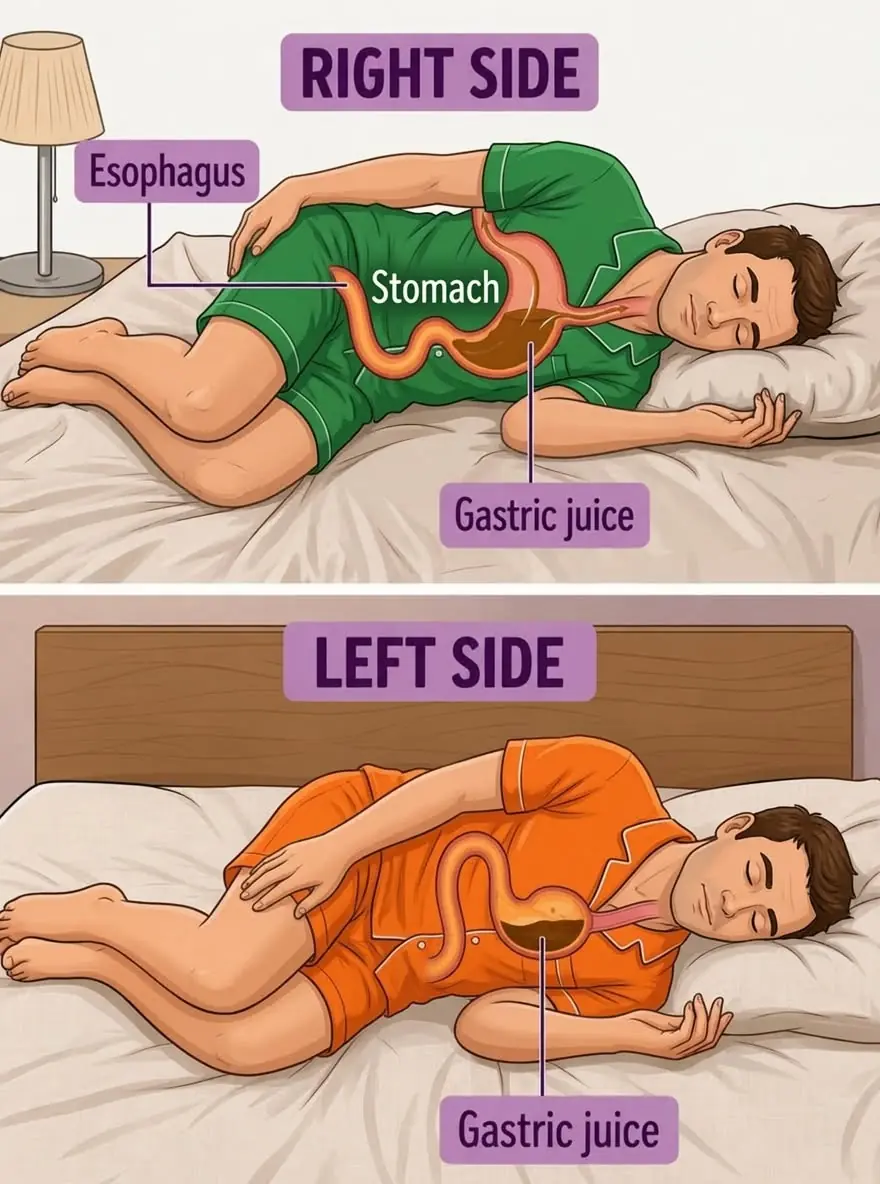
Acid reflux
Chronic pain
Asthma
Thyroid disorders
Heart disease
Restless legs syndrome
These conditions can become more noticeable during the quiet hours of the night.
If you wake up occasionally, try not to panic.
Watching the clock and worrying about sleep often makes it harder to fall asleep again.
Constantly checking the time can increase stress and alertness.
Bright light signals the brain that it's time to wake up.
Try:
Deep breathing
Meditation
Progressive muscle relaxation
Gentle stretching
Phones and tablets emit blue light that can interfere with melatonin production.
Going to bed and waking up at the same time each day helps regulate your internal clock.
Occasional early-morning awakenings are usually not a cause for concern.
However, consider speaking with a healthcare professional if:
The problem occurs several times per week
You feel exhausted during the day
You experience loud snoring
You have symptoms of anxiety or depression
Sleep problems persist for several weeks
Identifying the underlying cause is often the first step toward finding effective solutions.
Not necessarily. Sleep naturally becomes lighter during the early morning hours, making awakenings more noticeable.
Human sleep patterns vary considerably. Brief awakenings are normal for many people.
While various cultural and spiritual traditions have interpretations of nighttime awakenings, scientific explanations often involve sleep cycles, stress, hormones, or lifestyle factors.
Waking up during the night can be frustrating, but identifying potential causes—from stress to sleep environment—can help you take steps toward better, more restful sleep.