6 Surprising Ways to Use Dishwasher Pods Around the House
Tips 02/12/2025 17:18

When making pickled eggplants at home, many people often face the problem of the eggplants turning dark or losing their crispness. To solve these issues, here are some essential tips for preparing pickled eggplants that are both flavorful and visually appealing.
Pickled eggplant is a traditional dish loved by many. During the summer, a bowl of pickled eggplants alongside sour soup or crab soup makes any meal feel perfect. While pickled eggplants are readily available in local markets, making them at home ensures better hygiene, allows you to adjust flavors to your preference, and can be more economical. Homemade pickled eggplants can also be stored for several weeks if prepared correctly.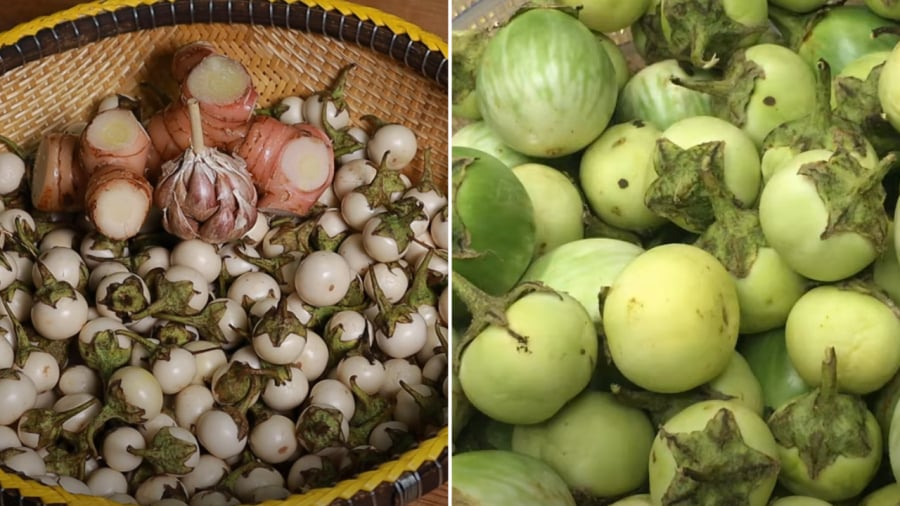
The ingredients for pickled eggplants are quite simple. Besides the eggplants themselves, you will need some salt, sugar, vinegar, ginger, garlic, and chili. You can also experiment with additional spices such as lemongrass or dried chili flakes to enhance the aroma and taste.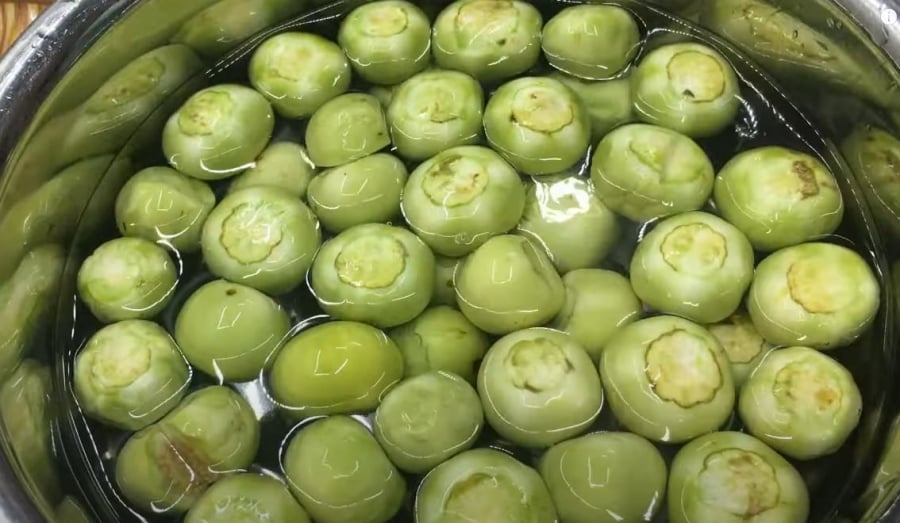
When selecting eggplants, choose fruits that are neither too young nor too old. Young eggplants tend to be soft and will result in pickles that are not crispy and spoil quickly. On the other hand, older eggplants may be too firm and contain many seeds. The two most common varieties are green-skinned and white-skinned eggplants. Some may have a purple top with a white bottom. Both green and white eggplants can be used for pickling, depending on your preference.
In northern regions, green-skinned eggplants are more popular, while in central regions, white eggplants are commonly used. Green eggplants tend to have thicker flesh and fewer seeds but are slightly less crisp compared to white ones. Choose the type that best suits your taste.
To ensure your pickled eggplants remain crispy, it is common to sun-dry them slightly before processing. After drying, trim off the stems carefully without cutting too deeply into the flesh, as this can cause the eggplants to become soft or mushy. Once trimmed, soak the eggplants in lightly salted water for about an hour. This helps reduce bitterness, prevent discoloration, and keep the eggplants firm and white rather than turning dark.
While soaking, you can also prepare sliced ginger, garlic, and chili to add flavor to your pickles. These ingredients can be thinly sliced and added to the pickling jar later.
The pickling brine is usually made by dissolving salt in boiled water and letting it cool. Adjust the amount of salt according to your taste, but avoid using too little, as this may cause the eggplants to spoil quickly. The more salt used, the longer the pickles can be stored. Traditionally, pickled eggplants are made very salty to preserve them for long periods, sometimes for an entire year.
To speed up the fermentation and make the pickles slightly tangy, a small amount of sugar and vinegar can be added to the brine. Another method is to boil water with salt and spices, let it cool slightly, and then pour it over the eggplants. If you want faster results, you can pour the brine while it is still slightly warm.
Pickling should be done in glass, ceramic, or earthenware jars. Before adding the eggplants, sterilize the container by rinsing it with boiling water to ensure long-lasting preservation. Make sure the jars are completely dry before use.
Place the eggplants in the jar along with ginger, garlic, and chili, then pour the prepared brine until the eggplants are fully submerged. Use a clean bamboo lid, plate, or a heavy stone to press down the eggplants so that they remain under the brine. If the eggplants are exposed to air, they may discolor and spoil quickly.
In hot weather, the eggplants should develop a tangy flavor within 2-3 days. Once the desired level of sourness is achieved, store the jar in the refrigerator to slow down fermentation and extend shelf life.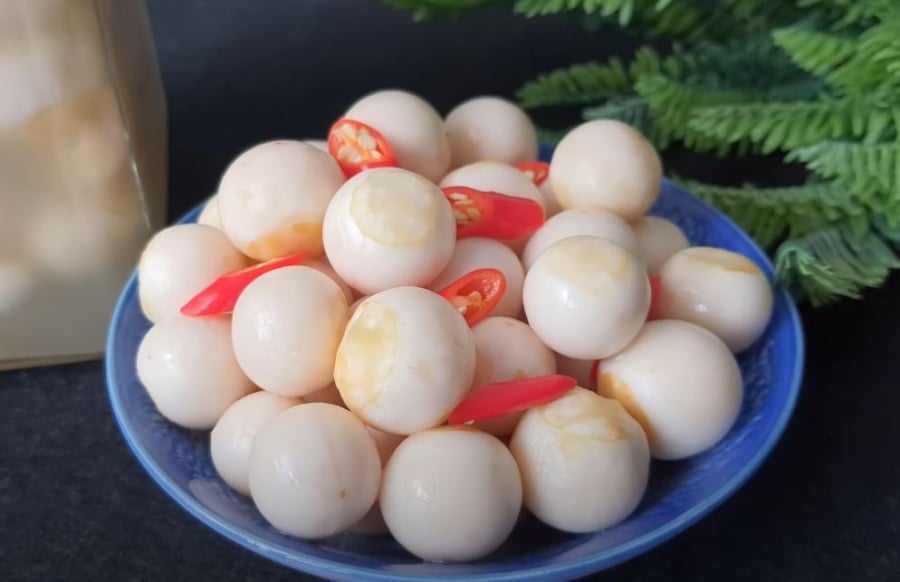
Use clean chopsticks or a fork when taking eggplants from the jar to avoid contamination. Do not return leftover pieces back into the jar. If the pickles become too sour over time, remove them, cut them in half, squeeze out some of the excess brine, and rinse with cooled boiled water. Then, you can mix them with a little sugar, garlic, and chili to balance the flavor.
With these simple techniques, you can enjoy homemade pickled eggplants that are crispy, flavorful, and perfect for complementing any meal. Making pickled eggplants at home not only guarantees freshness but also allows you to customize the taste to your liking, creating a delicious addition to your summer meals.