What Happens to Your Body When You Eat Canned Tuna Every Day
Health 07/12/2025 22:30
For millions of people, coffee is more than a beverage—it’s a comforting ritual that jumpstarts the day. But new medical insights reveal that this beloved drink can interfere with a variety of commonly prescribed medications. From antidepressants to blood thinners and thyroid medications, caffeine may alter how these drugs work in your body, sometimes reducing their effectiveness or increasing side effects. Understanding these interactions is essential for anyone managing chronic conditions such as hypertension, diabetes, thyroid disease, heart issues, or kidney concerns.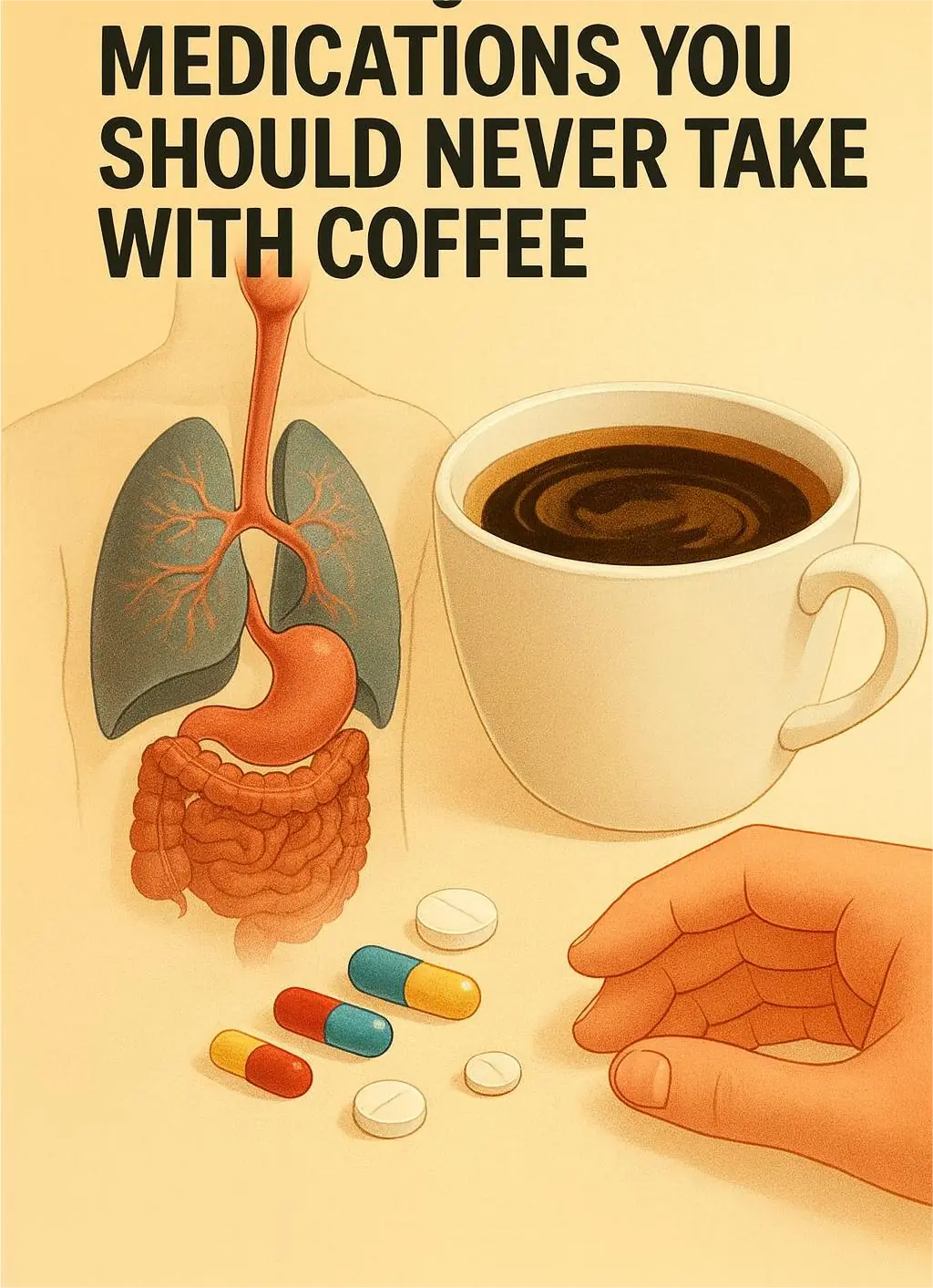
Caffeine can interfere with the absorption and action of many medications.
Drugs for mental health, blood pressure, asthma, thyroid function, and blood clotting may interact negatively with coffee.
Always talk to your doctor about coffee intake when taking medication.
Caffeine is a powerful stimulant that affects the nervous system, cardiovascular function, and metabolic processes. Because of this, drinking coffee at the same time as certain medications can either amplify their effects or reduce their efficacy. This may lead to unwanted reactions such as increased heart rate, anxiety, elevated blood pressure, or diminished therapeutic results.
Below are key medication categories that should be approached with caution when it comes to coffee consumption.
Certain antidepressants—particularly MAOIs and tricyclic antidepressants—can interact with caffeine, leading to overstimulation, jitteriness, elevated heart rate, and increased anxiety. Some antidepressants also rely on consistent absorption rates, which caffeine can alter.
Caffeine may interfere with how your body metabolizes medications like warfarin. This can affect clotting times and lead to complications, especially for people with cardiovascular or kidney conditions.
Levothyroxine, one of the most commonly prescribed thyroid drugs, must be absorbed on an empty stomach. Coffee can significantly reduce its absorption, leading to unstable thyroid hormone levels and symptoms like fatigue, weight gain, and mood disturbances.
Drugs such as theophylline act as bronchodilators. Because caffeine also stimulates the central nervous system, combining both may cause side effects like rapid heartbeat, dizziness, or tremors.
Caffeine temporarily raises blood pressure. When taken with antihypertensives, this can counteract their intended effect, making blood pressure management more difficult. This is especially important for individuals with CKD or heart disease.
Caffeine can raise blood glucose levels by increasing adrenaline, making blood sugar harder to control for people with diabetes.
Bisphosphonates like risedronate may lose effectiveness when taken with coffee. Coffee reduces absorption by preventing the medication from binding properly in the stomach.
Caffeine may interfere with the metabolism of medications like clozapine, making them less effective or increasing side effects.
Many over-the-counter cold remedies contain stimulants. Taken alongside coffee, these can intensify jitteriness, insomnia, and rapid heartbeat.
If a medication interacts with caffeine, space them apart. A general guideline is to wait at least one hour after taking your medication before having coffee.
Always discuss your caffeine habits with your doctor, especially when starting a new prescription. Your provider can help guide how much caffeine is safe for your condition.
If you notice side effects like anxiety, restlessness, palpitations, or blood pressure changes, it may be a sign that caffeine is interfering with your medication.
Coffee can be a comforting and enjoyable part of your daily routine—but only when consumed safely. Understanding how caffeine interacts with specific medications can help you avoid potential health risks and ensure your treatments remain effective. By adjusting timing, monitoring symptoms, and consulting with your doctor, you can continue to enjoy your cup of coffee without compromising your wellbeing.