Secret Beneath the Mountain
Life stories 29/06/2026 20:09
She did not look up from her crossword.
“A mistake,” she said. “Don’t worry.”
That week, I heard her on the phone speaking quietly.
“Make it untouchable, Valentin. He will try.”
That night, she took my hand.
“When I die,” she said, “take the notebook from the drawer. Do not let your father have it.”
“Grandma—”
“Promise me.”
So I promised.
On October 5, a Sunday, the coffee pot was cold when I arrived.
I found her in bed with her hands folded over her old Bible, eyes closed, the room too quiet.
I called 911.
Then my father.
He arrived two hours later.
His first words were not, “Are you okay?”
Not, “Was she in pain?”
Not, “I’m sorry.”
He asked, “Did she have a will?”
Then, while his mother’s body was still in the house, he started searching drawers.
He never found the notebook.
Because I had already taken it.
Part 3
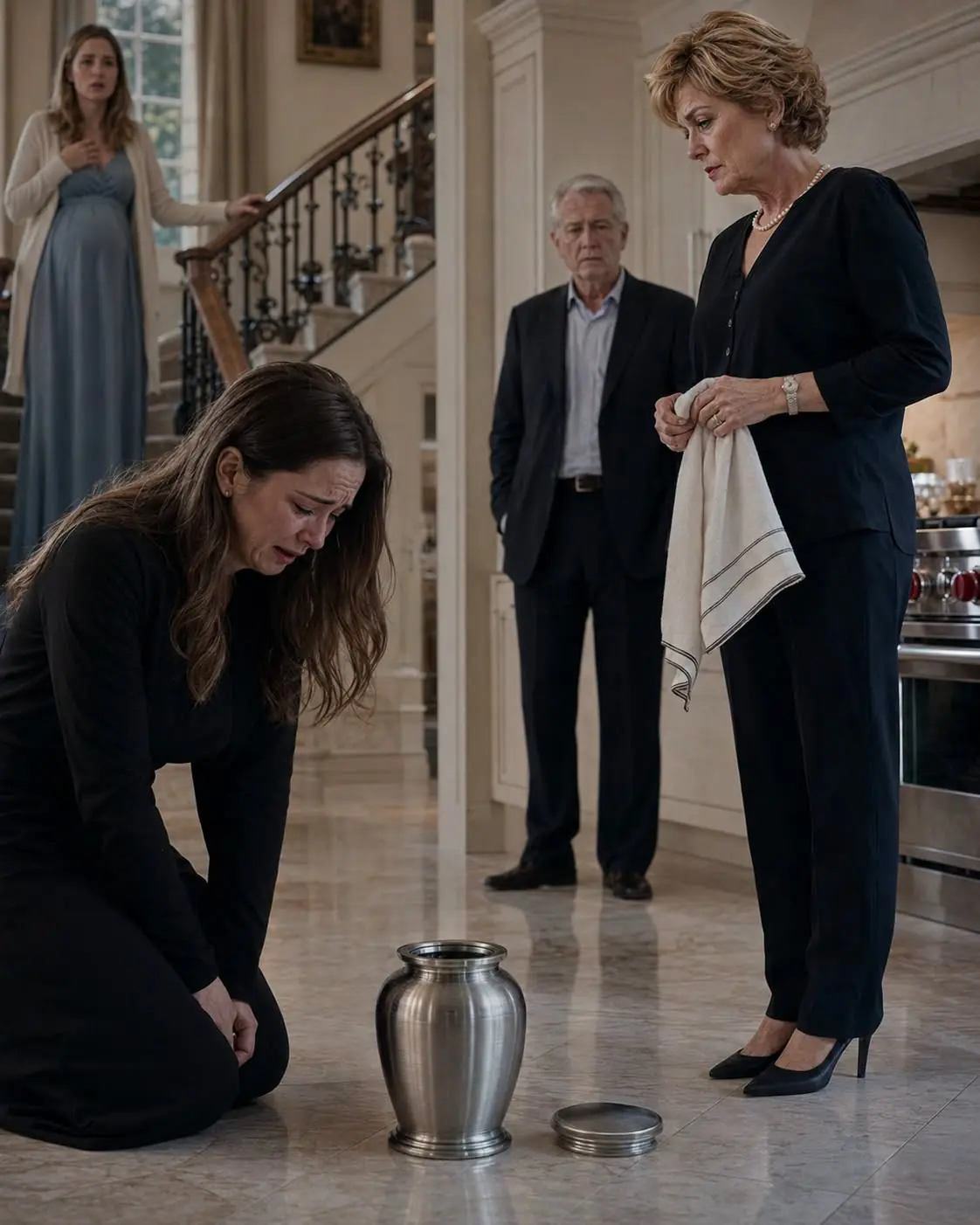
The funeral nearly broke me.
Not because I did not expect grief.
Because I had not expected theater.
My father stood at the front of Saint Matthew’s Church and spoke about devotion, family, and sacrifice. His voice trembled at all the right places. Diana dabbed her eyes with a tissue. Carlos stared at his phone until someone looked at him, then lowered his head like a grieving grandson.
I sat in the second pew with my hands clasped so tightly my knuckles hurt.
I knew the truth.
My father had not called Grandma on her birthday.
He had not come when she had pneumonia.
He had searched her house before her body was cold.
Still, people cried when he spoke.
That is the cruelty of public grief. Sometimes the person who performed love best gets believed.
After the burial, Valentin approached me near the grave.
“Your grandmother wanted you to have this.”
He handed me an envelope.
Inside was the savings book.
The rest happened quickly.
My father snatched it, saw the balance printed on the visible page, and threw it onto the coffin.
Four thousand two hundred dollars.
That was all he believed it was.
That was all he believed she had been.
Later that afternoon, I returned to my father’s house to change clothes.
My belongings were in the hallway in black trash bags.
Three bags.
My nursing textbooks were in a cardboard box.
My mother’s quilt, the only thing I had kept from her since I was ten, was folded badly on top.
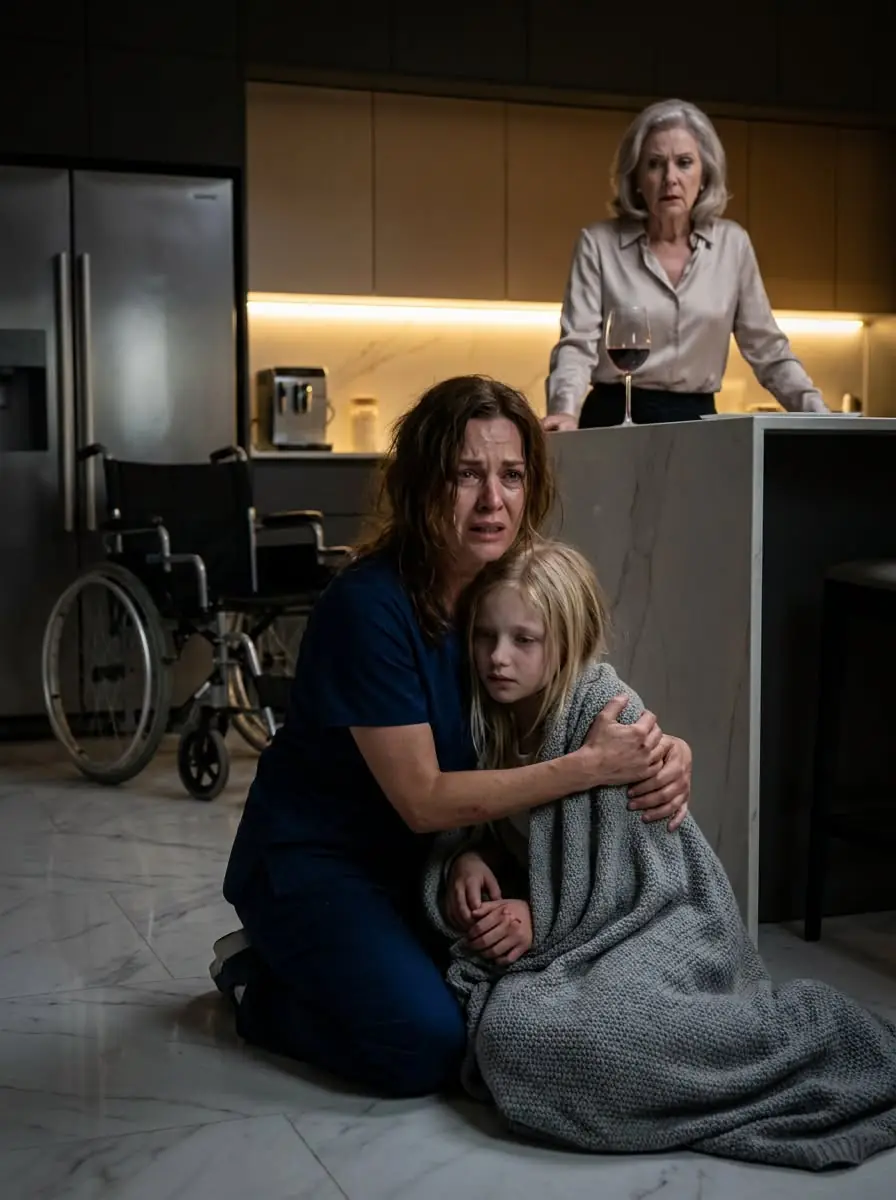
Diana opened the door and did not step aside.
“Carlos needs the room,” she said.
“The garage room?”
She smiled. “Your father agrees.”
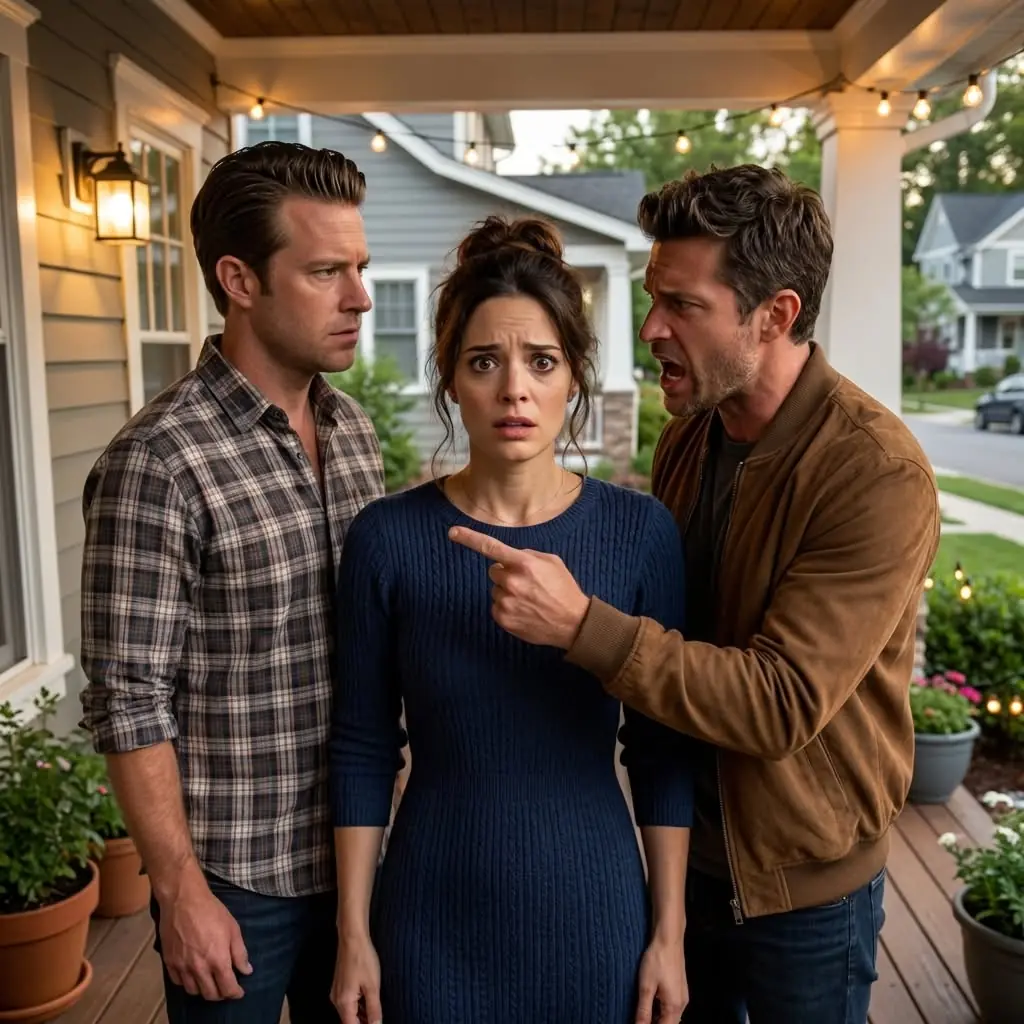
My father appeared behind her with his arms crossed.
“You’re thirty-one, Laura. It’s time to wake up.”
“It’s the day of Grandma’s funeral.”
“And now you have your inheritance.”
Behind him, Carlos snorted.
I did not argue.
I loaded the bags into my car while they watched from the doorway.
Then the porch light turned off.
I called Petra Calleja, Grandma Rosa’s oldest friend.
She answered on the second ring.
“Come here tonight, sweetheart,” she said. “Rosa would have wanted that.”
In Petra’s kitchen at eleven p.m., with tea cooling between us, I opened the savings book.
$4,200.
The same number my father had mocked.
But tucked between the last page and the back cover was a note in Grandma’s handwriting.
Go to the bank. Ask for Janet. The book opens the door.
I did not sleep.
At 9:05 the next morning, I walked into First Heritage Bank in the same black dress.
Janet Rios came out two minutes after I gave her name.
She was in her forties, with glasses on a chain and a handshake firm enough to steady me.
When she saw the book, her expression changed.
Not dramatically.
Carefully.
She took me into her office, wrote the account number, and entered it into the system.
Then she stopped breathing for a second.
“Miss Sandoval,” she said, “this account is linked to an irrevocable trust. You are listed as the sole beneficiary.”
I stared at her.
“What trust?”
She checked another screen.
Then another.
Her face turned pale.
“I need to contact law enforcement. There are unauthorized withdrawals connected to a revoked power of attorney.”
I heard my pulse in my ears.
“How much is in the trust?”
She turned the monitor.
$2,317,000.
My grandmother had not been poor.
She had been careful.
Part 4
The police arrived within the hour.
Two officers and a financial crimes investigator took my statement in the bank’s private conference room while Janet printed documents with shaking hands.
The truth unfolded in papers.
Grandma Rosa had worked as an accountant for Colton Industries for thirty-one years. After my grandfather died in 2005, she received his life insurance payout. In 2010, she sold eighty acres of agricultural land that had belonged to his family. She invested quietly. Lived simply. Clipped coupons. Wore the same three sweaters. Saved coffee cans. Grew petunias from seeds.
My father believed she was poor because she chose not to look rich.
He never bothered to look deeper.
In 2017, she established an irrevocable trust.
First Heritage Bank served as corporate trustee.
I, Laura Maria Sandoval, was named the sole beneficiary.
The savings book was the physical activation key. I had to present it in person after her death to begin the transfer process. The visible account balance was small by design.
A decoy.
A test.
And my father had failed it in front of sixty witnesses.
Then came the withdrawals.
March 2023: $15,000.
June 2023: $12,000.
September 2023: $13,000.
Total: $40,000.
All requested under a power of attorney my grandmother had revoked on January 9, 2023.
Every withdrawal after that date was fraud.
The name attached to the transactions was Gerardo Sandoval.
My father had stolen from his sick mother while asking everyone to believe he was her grieving son.
Two days later, I sat in Valentin Ochoa’s office. He was older than I remembered, with deep lines around his eyes and a calmness that made me understand why Grandma had trusted him.
He told me everything.
“Rosa came to me in 2017,” he said. “She said, ‘My son will try to take everything when I am gone. I need him unable to reach it.’”
“Why didn’t she tell me?”
“She did not want you carrying it while caring for her.”
“And the savings book?”
Valentin almost smiled.
“Because she knew your father. He would search for contracts, deeds, account folders, passwords. He would not give a second look to a little savings book that appeared to hold four thousand dollars.”
“She was right.”
“She usually was.”
He slid a copy of the trust across the desk.
“Rosa reported the withdrawals in 2023 but instructed the bank not to confront him immediately.”
“Why?”
Valentin looked at me.
“Her words were: Let him dig his own grave. The truth will come out when it needs to.”
I sat back.
For the first time since the funeral, grief gave way to awe.
Grandma Rosa had built a legal fortress with the patience of a woman who knew exactly what kind of son she had raised and exactly what kind of granddaughter would need protection from him.
My father responded the way guilty people often respond.
He went public.
He called every relative with the same story.
Laura manipulated my mother.
Rosa was confused at the end.
I only wanted what was fair.
Do not let money destroy this family.
Diana organized a family meeting.
I did not attend.
According to Petra, my father cried.
According to Aunt Carolina, Diana suggested a “fair” fifty-fifty split.
According to everyone, Petra arrived uninvited, stood on the porch, and said six words before leaving.
“Rosa knew exactly what she did.”
By morning, the calls slowed.
My father called me after prosecutors summoned him.
His voice sounded small.
“Please call them off.”
“I didn’t start this, Dad.”
The line went dead.
Diana called later.
“We will tell everyone you manipulated a sick old woman.”
“Go ahead,” I said. “The truth is on my side.”
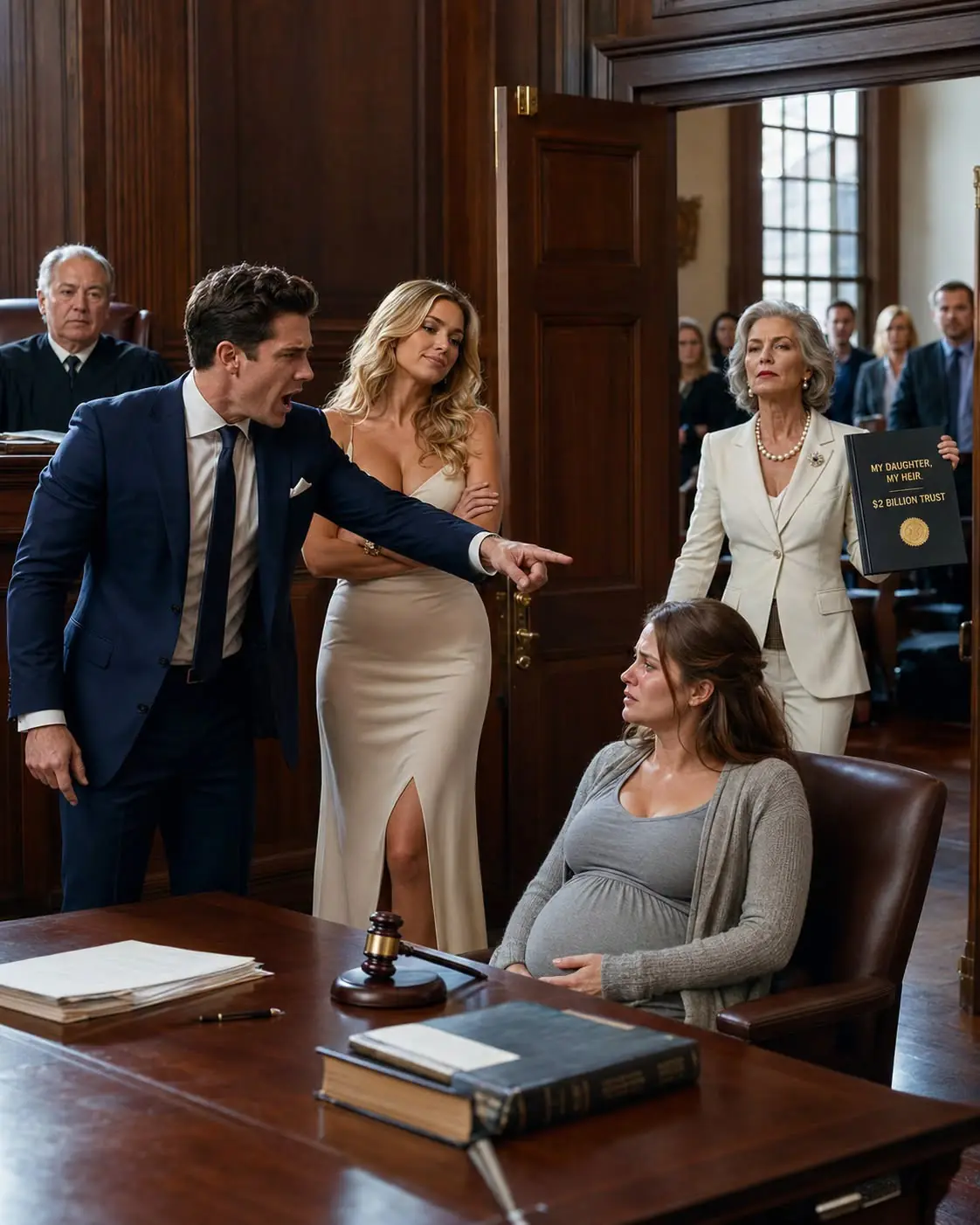
Then they sued me.
Undue influence.
That was the phrase.
My father claimed I had pressured Grandma Rosa into leaving me everything.
Valentin laughed for the first time when he read the filing.
“To prove that,” he said, “he needs to prove Rosa was incompetent in 2017.”
Then he handed me three things.
A cognitive evaluation from the same month Grandma created the trust.
Ninety-third percentile.
Clear mind.
No impairment.
The bank records showing my father’s revoked power of attorney and fraudulent withdrawals.
And Carlos’s funeral video, posted online with the caption:
Grandma’s Great Inheritance LOL.
My father had filmed his own destruction through his stepson’s phone.
Part 5
I nearly gave in once.
I will not pretend I was strong every hour.
One night at Petra’s house, I sat alone in the dark guest room with my phone in my hand and my father’s number on the screen.
Not the father who stole from Grandma.
The other one.
The one memory kept alive against my better judgment.
The one who lifted me onto his shoulders when I was five. The one who made pancakes on Saturday mornings before my mother died. The one who cried with his whole body the day we buried Elena. The one I had spent twenty-one years trying to find inside the colder man who replaced him.
I almost called.
I almost said he could have half if he would just stop.
Petra appeared in the doorway with chamomile tea.
“Rosa told me this night might come.”
I looked up.
“What?”
“She said, ‘If Laura gives in, Gerardo will spend every cent in two years and then blame her for having nothing left.’”
I put the phone down.
Petra sat beside me.
“You are not fighting him,” she said. “You are honoring her. There is a difference.”
Thanksgiving came like a trap dressed as dinner.
Diana sent a group message.
Family welcome at our home. Time to heal.
My name was not included, but Aunt Carolina forwarded it.
You should come, she wrote. People need to hear your side.
I knew exactly what it was.
A stage.
A table full of relatives.
A turkey, candles, guilt, and my father hoping the pressure of witnesses would force me to become small again.
I called Valentin.
“You owe them nothing,” he said. “But if you go, go prepared.”
He gave me copies of the key documents.
“If they don’t ask, eat turkey and leave. But I know your father. He will not resist.”
The night before, Petra ironed my blouse while I made Grandma Rosa’s corn pudding.
“She would be proud of you,” Petra said.
“Grandma would tell me to bring more pudding.”
Petra laughed.
For the first time in weeks, I did too.
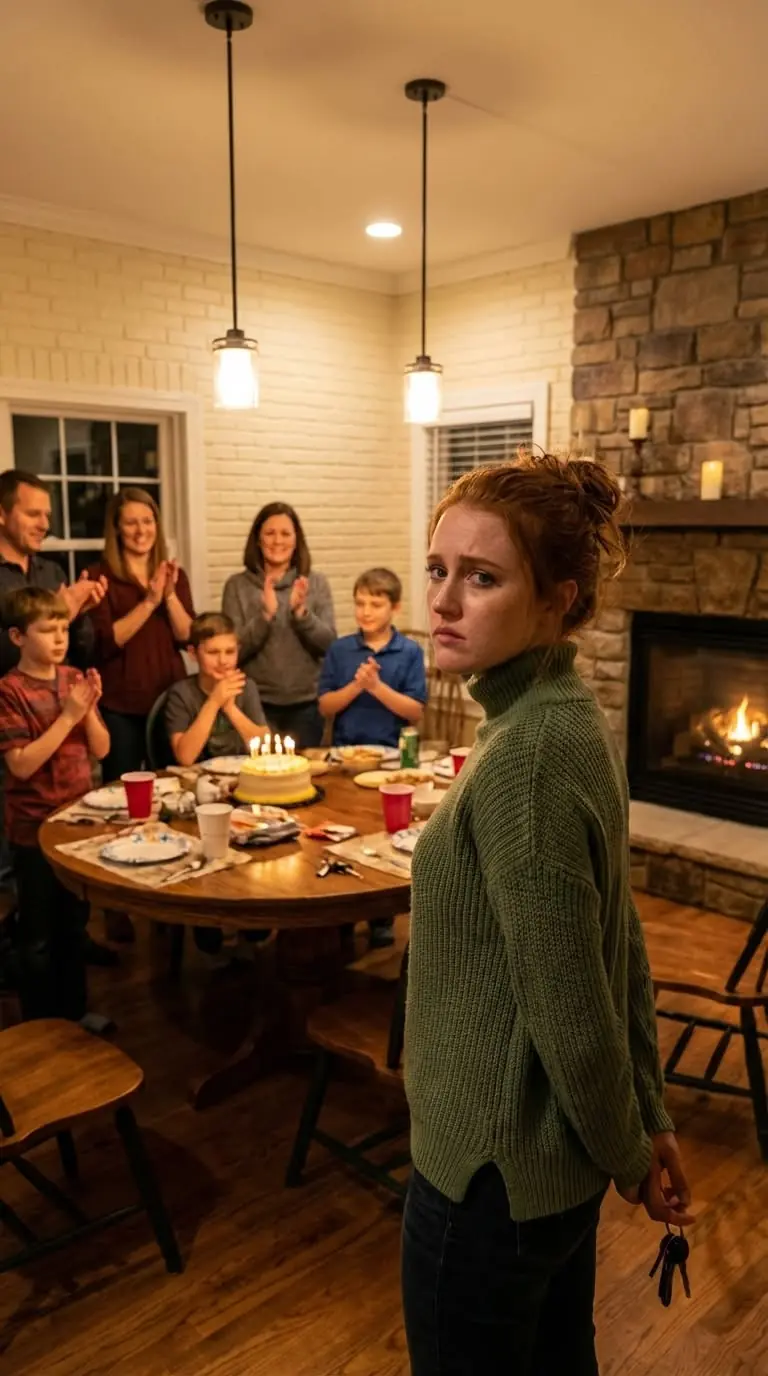
Thanksgiving at my father’s house looked beautiful from the doorway.
White tablecloth.
Candles.
Fifteen relatives.
Diana seated me at the end near the wall.
That was fine.
I had spent most of my life at the edge of that family.
The first course passed.
Then my father stood and tapped his glass.
He spoke about family, gratitude, confusion, grief.
Then came the turn.
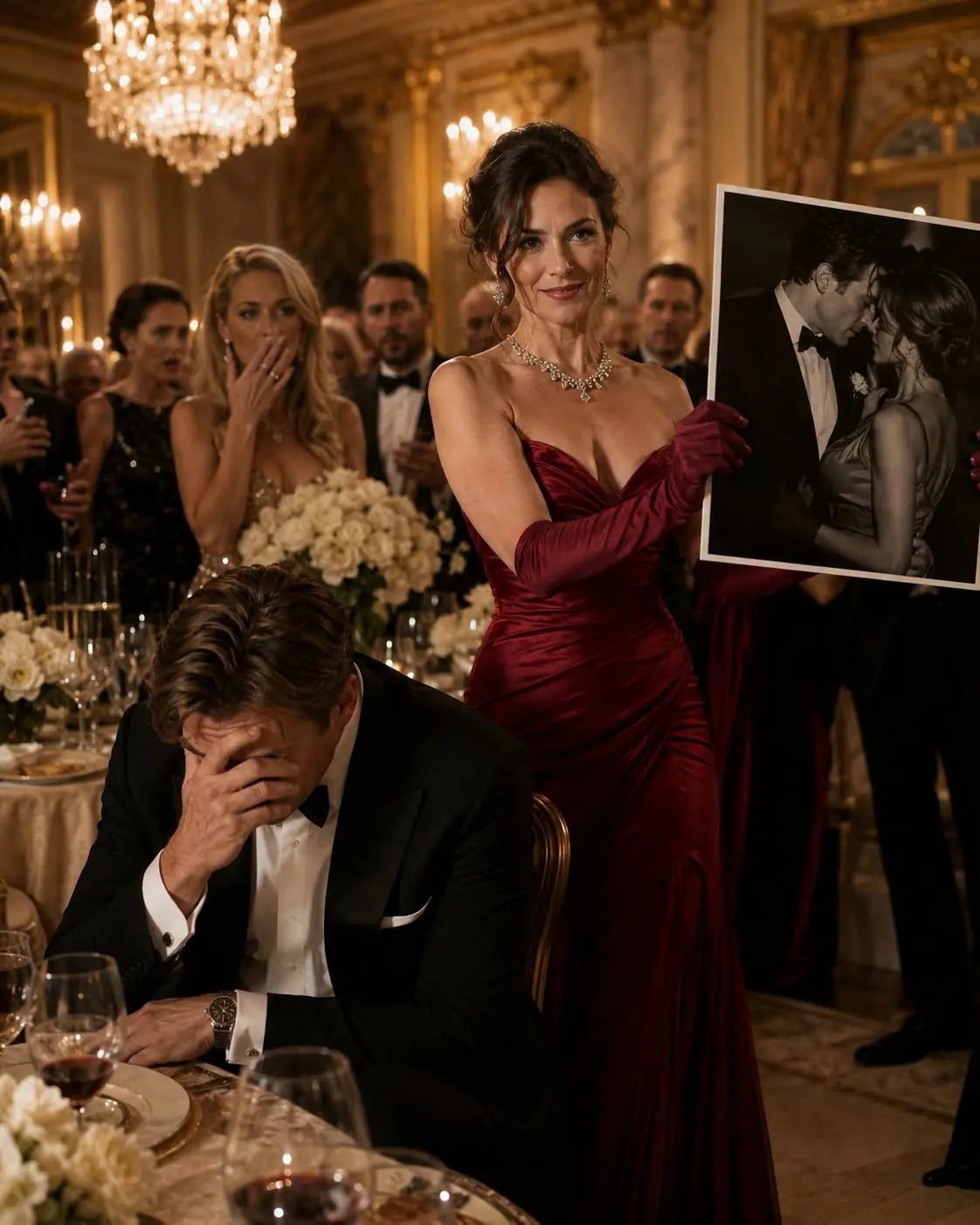
“As many of you know, there has been confusion about my mother’s estate,” he said. “If she made certain decisions near the end, it was because someone she trusted too much influenced her.”
He looked directly at me.
Fifteen heads turned.
Diana added softly, “We only want what’s fair. Rosa would have wanted her son to be okay.”
Carlos, mouth full, said, “Yeah, Laura. Do the right thing.”
I set down my fork.
Then I stood.
For thirty-one years, I had been the quiet one.
The garage-room daughter.
The girl who paid bills no one mentioned.
The granddaughter who showed up every Sunday.
That night, I was done being useful in silence.
“You want to talk about what Grandma Rosa wanted?” I said. “Then let’s talk.”
Part 6
My voice did not shake.
I was proud of that.
“You visited her three times in two years,” I said, looking at my father. “I was there every Sunday. I changed her sheets. I took her to every cardiology appointment. I cooked when she couldn’t swallow. I held her hand when she couldn’t sleep.”
My father’s face hardened.
“You told everyone she was poor,” I continued. “She was not poor. She chose to live simply. There is a difference.”
I slid the first document toward the center of the table.
“In 2023, someone used a revoked power of attorney to withdraw forty thousand dollars from her account. Fifteen thousand in March. Twelve thousand in June. Thirteen thousand in September.”
The room went still.
A fork slipped from someone’s hand.
“The police are investigating. The name attached to those withdrawals is Gerardo Sandoval.”
Diana stood halfway. “That is a lie.”
“The power of attorney was revoked January ninth. Every withdrawal after that was unauthorized.”
I looked at my father.
“Financial exploitation of an elderly person is a serious crime.”
Aunt Carolina covered her mouth.
Carlos lowered his phone under the table.
I turned to him.
“Don’t bother deleting the funeral video. Screenshots are forever.”
His face drained.
My father’s eyes filled with tears.
Not grief.
Panic.
“She knew you wouldn’t take care of her,” I said quietly. “She knew Diana would pressure you. She knew Carlos would laugh. She loved you, Dad. She just didn’t trust you.”
Diana pointed at me.
“This is ridiculous. She manipulated an old woman and now she’s trying to—”
A voice came from behind me.
“I would not finish that sentence, Diana.”
Petra Calleja stepped out of the kitchen.
Nobody had seen her come in.
She held a small digital recorder in one hand.
“Rosa kept every voicemail,” Petra said. “Including the one from January fifteenth where you told Gerardo to empty the old account before Rosa changed her mind.”
Diana’s face collapsed.
“I never—”
Petra pressed play.
Diana’s voice filled the dining room.
Gerardo, stop waiting. If she changes the paperwork again, we’ll get nothing. Take what you can while the bank still accepts the old authorization.
Nobody moved.
Even the candles seemed to stop flickering.
Aunt Carolina turned slowly toward my father.
“You threw that savings book onto your mother’s coffin.”
My father looked down.
No speech came.
No defense.
No tears convincing enough to rescue him.
I put on my coat.
“I did not come here to humiliate anyone,” I said. “I came here because you invited the family to pressure me. Now the facts are on the table.”
I looked at each face.
“I am not giving up what Grandma Rosa left me. Not half. Not one dollar. She did not leave it as a prize. She left it as a boundary.”
Then I picked up the corn pudding from the sideboard.
“Grandma would not want good food wasted.”
Petra followed me out.
Behind us, the silence settled like judgment.
Part 7
The trust was confirmed the first week of December.
Valentin called me to his office, handed me the final paperwork, and said, “It is done.”
I thought I would feel joy.
Instead, I felt tired.
Safe, maybe.
But tired in the way a person gets after holding their breath for years.
When I left Valentin’s office, I went straight to Petra’s house. She was waiting with a cream-colored envelope.
My name was written on it in Grandma Rosa’s handwriting.
“Rosa made me promise to give this to you only after everything was resolved,” Petra said.
My hands trembled as I opened it.
Dear Laura,
If you are reading this, it means I am gone and you saved the book. I knew you would. You were always the one who kept showing up.
If Gerardo had known, he would have found a way to take it from you. He is my son, and I love him, but I know who he is.
This money is not a reward. It is a starting place. Use it to build the life you deserve, the life your mother would have helped you build if she had been given more time.
Do not hate your father. He is lost. But do not sacrifice yourself for his mistakes.
You have the right to choose yourself.
With all my love,
Grandma Rosa
P.S. I hope you keep making my Sunday chicken soup. Thick carrots, Laura. Not thin. Thin carrots are for people in a hurry, and we are not in a hurry.
I pressed the letter to my chest and cried.
Not politely.
Not quietly.
I cried the way grief finally lets you cry when survival stops interrupting.
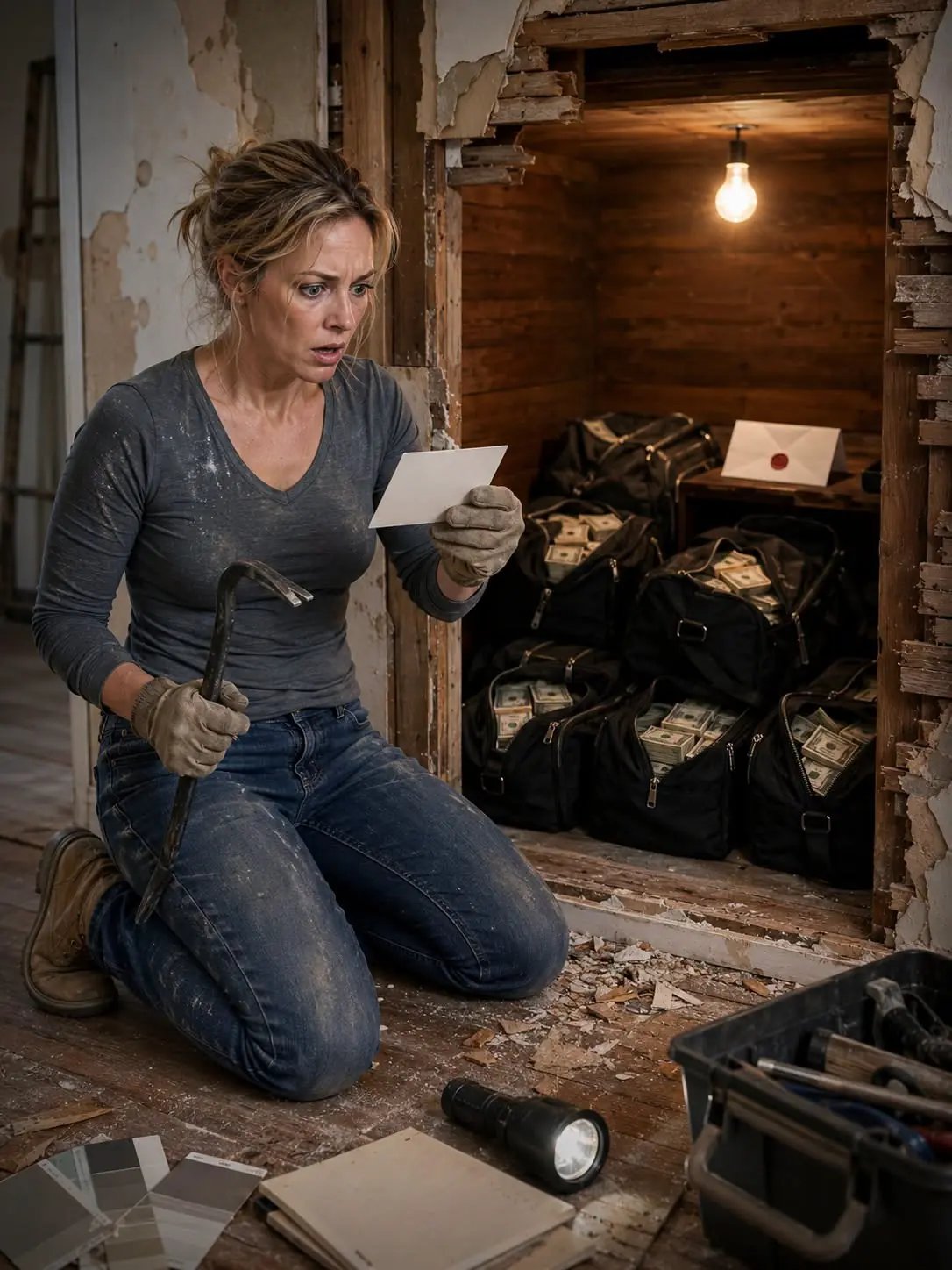
Then Petra took me to the basement of Grandma Rosa’s old house.
Behind the water heater, under an old towel, sat a wooden box.
Dark walnut.
Softened by time.
One name engraved on the lid.
Elena.
My mother.
I knelt on the concrete floor and opened it.
Inside was a diary in my mother’s handwriting.
Entries from when she was pregnant.
Baby kicked today. I think she’s going to be stubborn.
There were photographs.
My parents on their wedding day.
My mother laughing on a porch.
My father looking at her like she was the only person in the world.
My mother in the hospital holding me as a newborn.
A thin silver bracelet she used to wear every day.
And an unfinished birthday card.
Happy eleventh birthday, my little—
She had died six weeks before I turned eleven.
My father had thrown the box away when he cleared space for Diana.
Grandma Rosa had rescued it from the trash and kept it for me for twenty years.
That was when I understood.
She had not only protected my future.
She had protected my past.
My father accepted a deal.
Three years of probation. Restitution of the forty thousand dollars in installments. Two hundred hours of community service. A permanent record. In a town like Millfield, a record follows you to the grocery store.
Diana stopped going to church.
Carlos moved to the city without leaving an address.
I do not speak to my father now.
I did not block his number.
The door is not locked.
But I am not opening it for him.
There is a difference.
Part 8
I used part of the trust to buy a small white bungalow on the road to Lake Verdell, six minutes from Grandma Rosa’s old house.
Two bedrooms.
A porch wide enough for two chairs.
Good morning light in the kitchen.
I planted petunias along the walkway, the same kind Grandma grew. Pink, purple, and white. They looked fragile at first. Then they took hold.
I went back to full-time nursing.
People asked why.
With that much money, why work?
Because nursing was mine.
Because I had earned it.
Because security is not the same as idleness.
I hired a financial advisor, built a conservative long-term plan, and learned the difference between being rich and being safe.
Grandma Rosa had known that difference.
Now I do too.
Every Sunday, I visit the Millfield cemetery.
Petunias in summer.
Chrysanthemums in fall.
White roses in winter.
I sit beside Grandma Rosa’s headstone and tell her about the week. I tell her which patients made me laugh, which bills I paid, which recipe I ruined, which neighbor asked about the flowers. Sometimes I read her letters from Aunt Carolina, who calls every other Sunday now. We are building something small, slowly.
Small can be real.
On Sundays, I make chicken soup.
Grandma’s way.
Whole chicken, not pieces.
Thick carrots, not thin.
Because thin carrots are for people in a hurry, and we are not in a hurry.
Above the stove in my kitchen, I framed the savings book.
Clean now.
No dirt.
No shame.
Next to it hangs a photograph of Grandma Rosa on her porch wearing clip earrings and smiling like she knew more than she was saying. Beside that is a photograph of my mother, Elena, young and laughing, silver bracelet catching the sun.
Sometimes I stand there with coffee in my hand and look at them both.
The woman who gave me life.
The woman who protected it.
My father threw that savings book onto a coffin and called it trash.
He thought he was humiliating me.
He thought he was reducing Grandma Rosa’s love to four thousand dollars and a dirty little book.
But that book was the most valuable thing anyone ever gave me.
Not because of the money.
Because it proved someone had planned for me.
Someone saw what was coming and built a door.
Someone believed I deserved to be protected before I believed it myself.
If you are standing in a family that tells you love means surrender, remember what my grandmother wrote.
You have the right to choose yourself.
That sentence saved me before the money ever did.
And every Sunday, when the soup begins to simmer and the kitchen fills with carrots, chicken, onion, and memory, I swear I can hear Grandma Rosa’s voice again.
Not rushing.
Not shouting.
Just steady.
Like someone who knew the truth would arrive on time.
THE END