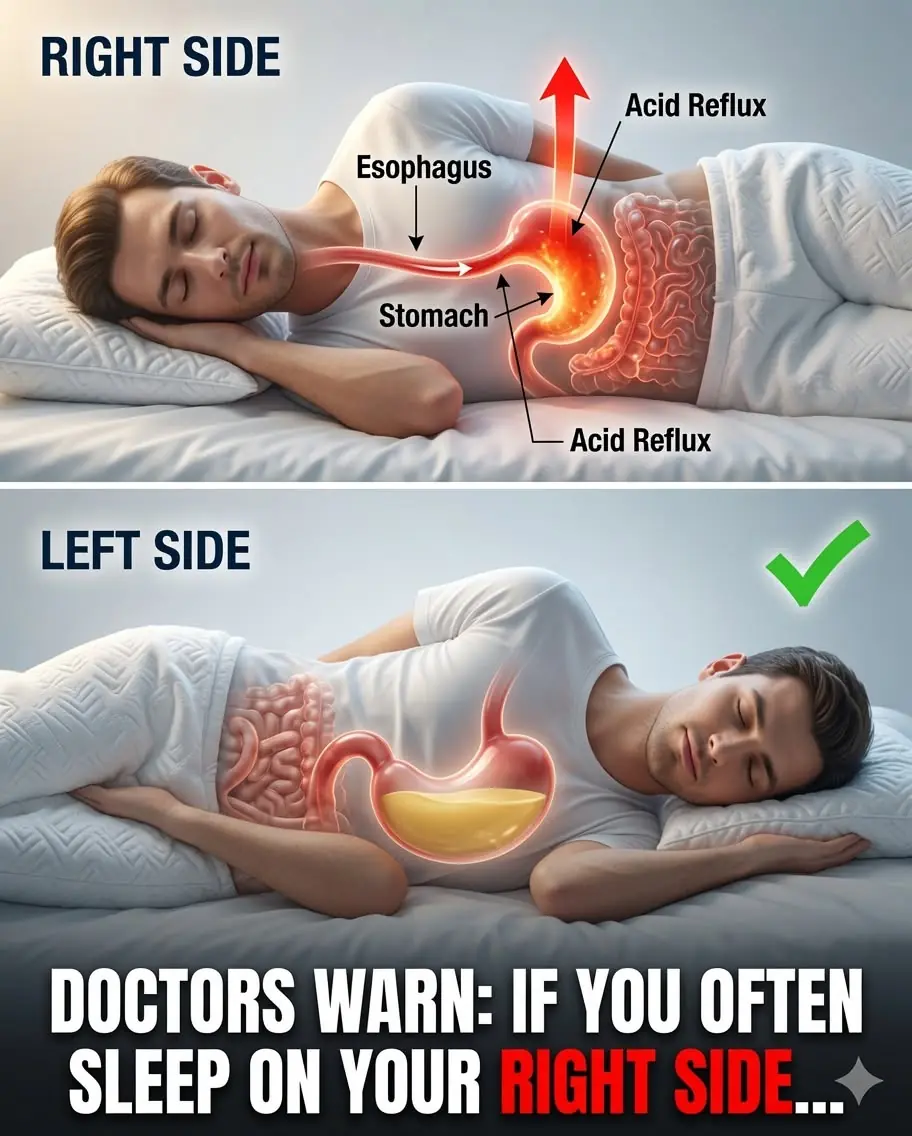
Doctors Warn: Your Sleeping Position May Affect Acid Reflux Symptoms
Health 25/06/2026 17:32
Constipation occurs when you rarely have a bowel movement (fewer than three times a week) or when passing stool requires significant effort because the feces are dry and hard. While often temporary, chronic constipation can cause daily discomfort and pain.
The good news is that for most people, simple home remedies and lifestyle changes can effectively treat constipation without relying on medications. Natural ingredients like prunes, kiwifruit, and flaxseeds are excellent for softening stools and promoting regularity.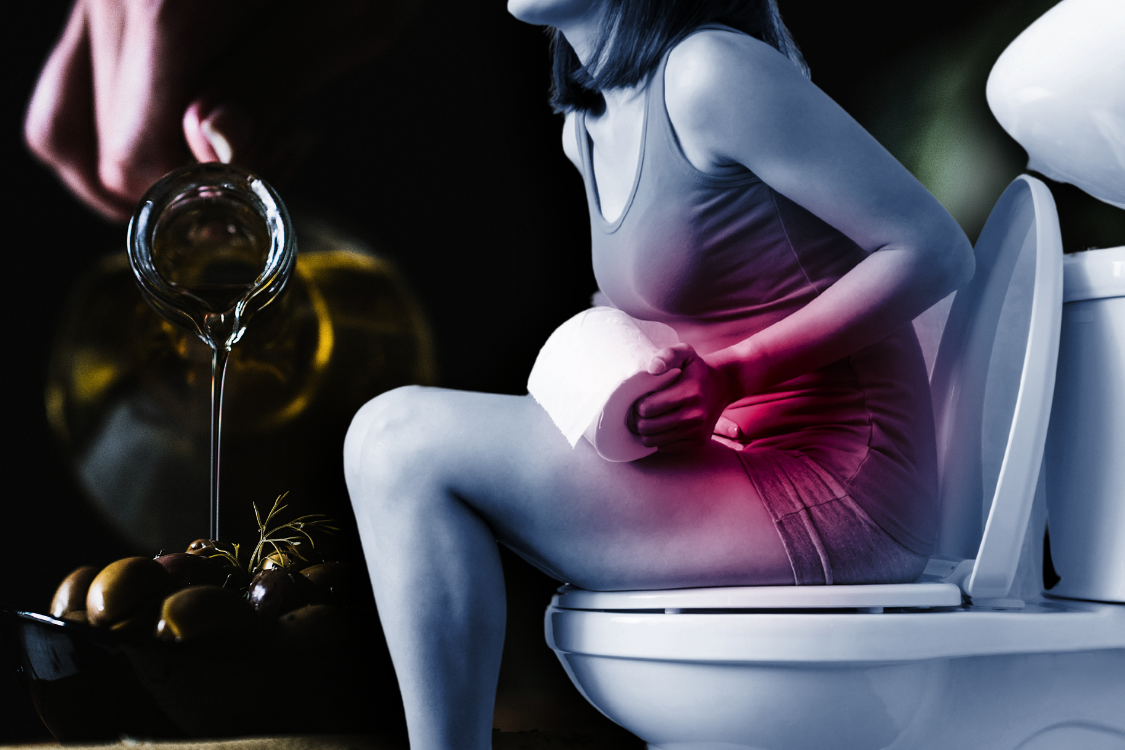
Constipation makes it difficult for the body to eliminate waste products effectively.
The primary cause of functional constipation (the most common type) is dietary: not eating enough fiber and not drinking enough fluids. However, there are many secondary causes:
Dehydration: A major contributor to hard, dry stool.
Lifestyle: Being physically inactive or ignoring the urge to have a bowel movement.
Diet: A poor diet rich in animal fats or sugar and low in plant fiber.
Health Conditions: Irritable Bowel Syndrome (IBS), underactive thyroid, or pregnancy.
Medications: Certain drugs, including those containing aluminum or calcium.
Overuse of Laxatives: Can weaken the colon muscles over time.
The most common signs are straining to pass hard, small stools and having infrequent bowel movements. Other symptoms include:
Feeling that the bowels haven't emptied completely.
Abdominal swelling or pain.
Frequent gas.
Pain during bowel movements, sometimes leading to hemorrhoids.
Fiber adds bulk and softness to stool, making it easier to pass through your intestines. This is the most common advice doctors give for treating constipation.
Food Sources: Whole grains, wheat bran, oats, citrus fruits, seeds, and the skins of fruits and vegetables (don't peel your produce!).
Smart Use: If you are not used to high fiber intake, increase it gradually to prevent excess gas. Always consult a doctor if you have had recent gastrointestinal surgery or disease.
Dehydration is a primary cause of hard stool. Drinking plenty of water is a cheap and effective method to prevent and ease constipation.
Target: Doctors recommend drinking two to four extra glasses of water a day beyond your normal fluid intake.
Alternatives: If you dislike plain water, try flavored water, honey-lemon water, or herbal teas that aid digestion.
Certain fruits and oils have compounds that naturally stimulate the digestive tract.
Prunes and Figs: These are high in fiber and contain a natural sugar alcohol called sorbitol, which has a laxative effect. Eating about 100 grams (roughly 10-12 prunes) a day can significantly improve stool consistency and frequency.
Kiwifruit: Eating two kiwifruits a day for four weeks has been shown to improve the frequency of bowel movements and overall bowel function due to its fiber and water content.
Apple Cider Vinegar (ACV): Raw, unprocessed ACV contains pectin, a soluble dietary fiber that can speed up the time food passes through the gut.
Tip: Mix 1-2 tablespoons of raw ACV into a glass of warm water and drink it daily.
Castor Oil: This acts as a stimulant laxative, moving things through the intestines.
Tip: Take one to two teaspoons of castor oil on an empty stomach. You should not take it for more than 7 days, and it may take 6 to 12 hours to work.
Probiotics provide "good" bacteria to your gut, which helps keep your digestive system healthy.
Probiotic Sources: Consume more live, plain yogurt or kefir (an excellent probiotic drink).
The Power of Kefir + Flaxseeds: A simple, powerful home cleanse involves mixing ground flaxseeds (which absorb water and add bulk) with milk kefir. Start with a small amount before breakfast and again before bed.
Flaxseeds: These are a natural powerhouse for the digestive tract. Ground flaxseeds have both laxative and anti-diarrhea effects. Add them to yogurt, cereals, or smoothies.
Aloe Vera: Drinking aloe vera juice can increase bowel movement frequency and soften feces.
Tip: Try of aloe vera juice daily until stools pass easily, then reduce the dose to for prevention.
Exercise: A sedentary lifestyle is a risk factor for constipation. Regular activity, even just walking, helps stimulate bowel movement. Aim for regular exercise to improve digestive, heart, and overall health.
Relax: Stress can disrupt the digestive system. Use relaxation techniques, meditation, or natural remedies (like chamomile) to calm yourself, which may help ease stress-related constipation.
While most cases are mild, chronic or sudden, severe constipation can lead to complications like fecal impaction or hemorrhoids.
See your doctor immediately if you experience:
Severe stomach pain and an inability to pass any stool or gas.
Passing blood along with your stools.
Unexpected weight loss.
A case of severe constipation for the very first time.