7 Powerful Bay Leaf Benefits for Heart Health and Smoother Blood Flow
Health 02/12/2025 18:10
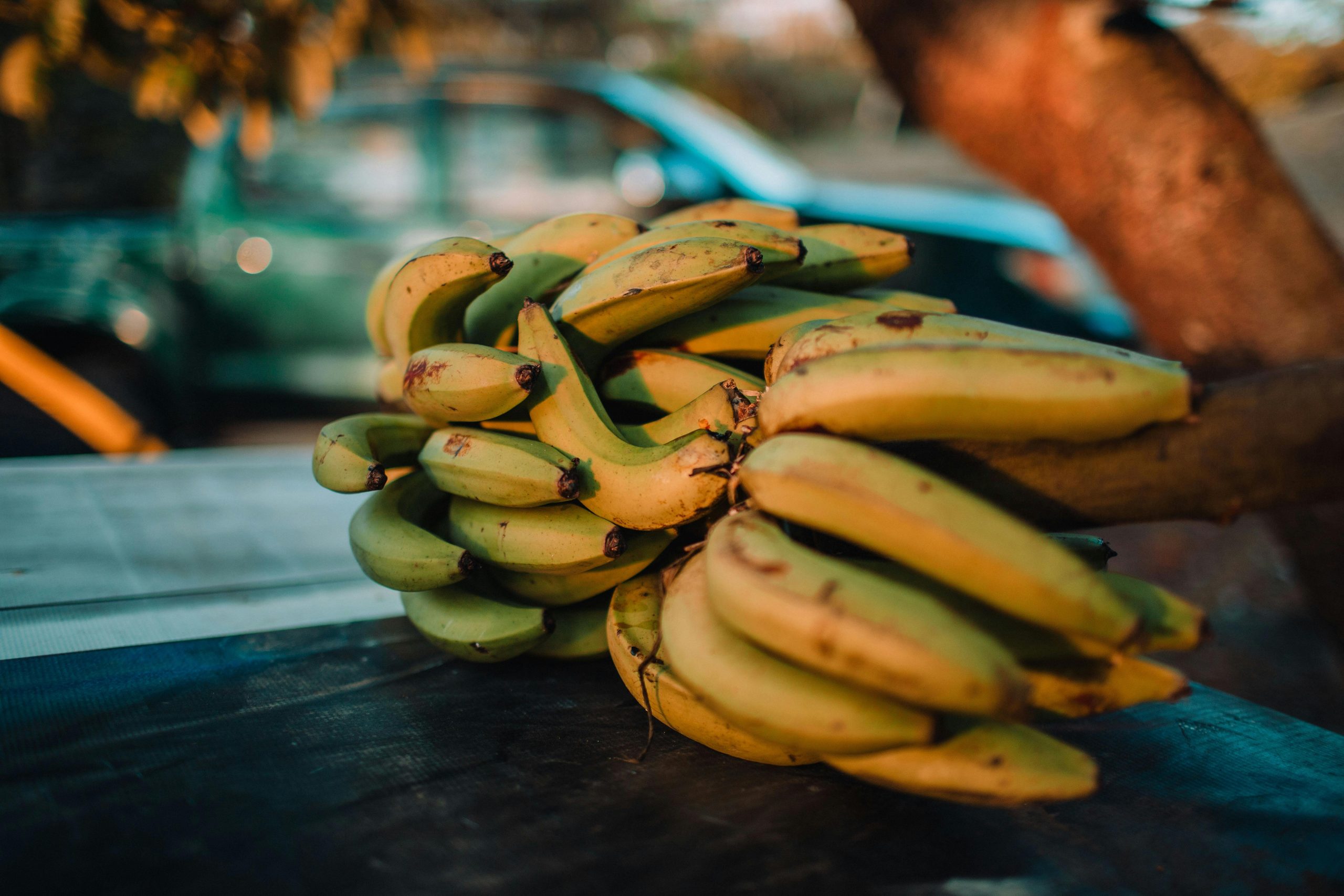
It’s an everyday sight in the kitchen: a banana ripening on the counter, its bright yellow peel gradually spotted with brown. Yet behind this familiar transformation lies a surprising scientific story. Researchers are discovering that as bananas ripen, they generate a range of compounds that may help the body defend itself against some of the most dangerous forms of cancer. What began as a modest dietary investigation more than twenty years ago has grown into a compelling field of research—one that links ordinary foods to measurable, long-term protection against disease.
Central to this story is resistant starch, a form of carbohydrate found in green bananas, oats, beans, whole grains, and even cooled pasta. Unlike typical starches that break down into glucose in the small intestine, resistant starch travels intact to the large intestine. There, it becomes nourishment for beneficial gut bacteria, promoting fermentation and helping to create a healthier microbial ecosystem.
This process is more than a digestive quirk. By reshaping the gut environment, resistant starch may reduce harmful bile acids and decrease inflammation—both of which are linked to DNA damage and increased cancer risk. As bananas ripen and resistant starch converts to sugar, new compounds emerge as well: bioactive molecules, antioxidants, polyphenols, and even immune-modulating factors. While bananas haven’t been declared a miracle cure, the accumulating evidence suggests their chemistry plays a meaningful role in supporting the body's natural defenses.
One of the most influential long-term studies in nutritional science involved nearly 1,000 individuals with Lynch syndrome, a hereditary condition that sharply increases the risk of cancers such as colorectal, stomach, and pancreatic cancer. This research, known as the CAPP2 trial, was conducted by scientists from the University of Leeds and Newcastle University. The study explored whether taking resistant starch daily could lower cancer risk in this high-risk group.
Participants were randomly assigned to consume either 30 grams of resistant starch per day—roughly the amount found in a single green banana—or a placebo. After the first two years, the results seemed disappointing: there was no significant decline in bowel cancer, the most common cancer associated with Lynch syndrome.
Yet science often yields its breakthroughs slowly. A decade later, researchers revisited national cancer records and uncovered a striking pattern: those who took resistant starch had developed more than 50% fewer cancers of the upper digestive tract, including the stomach, oesophagus, pancreas, and bile ducts. Even more astonishing, the protective effect persisted long after participants stopped taking the supplement, suggesting a lasting change in gut physiology.
Professor John Mathers of Newcastle University emphasized the significance of these findings: “Resistant starch reduces a range of cancers by over 60 percent. The effect was most obvious in the upper part of the gut, where cancers are difficult to detect early.” This insight underscored how a simple dietary component could influence cancers that are notoriously difficult to diagnose in their early stages.
To appreciate how bananas may play a role in long-term health, it helps to examine how their chemistry evolves during ripening. Green bananas are firm, mildly bitter, and rich in resistant starch—a substance that behaves much like dietary fiber. As it ferments in the colon, it produces short-chain fatty acids such as butyrate, which help regulate inflammation, strengthen the gut lining, and support immune function.
As bananas turn yellow and eventually brown, the starches break down into natural sugars, making the fruit sweeter. But this transformation also triggers the formation of antioxidant compounds like flavonoids and polyphenols. A 2023 review of banana phytochemicals shows that several of these compounds can interfere with cancer-related pathways: some slow tumor growth in laboratory models, others trigger apoptosis (programmed cell death), and many help reduce chronic inflammation—a precursor to multiple forms of cancer.
Earlier studies in Japan also observed increased activity of tumor necrosis factor (TNF) in association with ripe bananas, a finding that prompted years of further investigation. Although researchers caution against overstating these early results, they highlight a promising avenue for understanding how banana-derived compounds may stimulate immune defenses.
The idea that a simple fruit could contribute to cancer resistance may sound surprising, but biologically it aligns with what scientists now understand about the gut. The gut microbiome is one of the body’s largest immune organs, influencing everything from metabolic health to inflammation and even genetic stability within intestinal cells.
Resistant starch helps nurture gut bacteria that produce anti-inflammatory compounds, protect the intestinal lining, and reduce potentially harmful bile acids. This shift may explain the lasting protective effects seen in the CAPP2 trial. By subtly reorganizing the gut environment, resistant starch creates conditions less conducive to cellular mutations and chronic irritation.
In this way, bananas act more as ecosystem engineers than direct cancer fighters. They don’t attack tumor cells like chemotherapy; instead, they help establish physiological conditions that make cancer less likely to arise in the first place.
The internet often exaggerates scientific findings, and claims that spotted bananas “produce a substance that kills cancer cells” have gone viral many times. While not literally true, the underlying science isn’t pure fiction. When bananas develop brown spots, their antioxidant levels rise—giving them greater potential to neutralize free radicals that damage DNA.
In laboratory studies, extracts from various parts of the banana plant—including fruit, peel, and flowers—have shown the ability to slow or stop the growth of several cancer cell lines, such as breast, liver, cervical, and colon cancer. Compounds like ferulic acid and protocatechualdehyde, abundant in bananas, have been shown to suppress tumor pathways in experimental models.
However, these results stem largely from cell and animal studies, not human clinical trials. Eating a ripe banana is not equivalent to receiving a concentrated dose of these compounds. Still, the consistency of findings across studies suggests that bananas provide more than simple calories—they offer bioactive molecules with measurable effects on human biology.
The idea of bananas as healing plants has existed for centuries. Traditional medicinal practices in Asia, Africa, and the Pacific Islands have used not only the fruit but also leaves, flowers, and stems to treat a variety of health issues, from inflammation and ulcers to infections. Modern research helps explain these traditions: bananas are rich in polyphenols, catechins, and dopamine, all of which possess antioxidant, antimicrobial, and anti-inflammatory properties.
A 2021 review catalogued numerous banana-derived compounds with promising anticancer activity in preclinical research. Banana flower extracts inhibited cervical cancer cells, while peel extracts suppressed colon and liver cancer pathways. Even green banana flour reduced early markers of colon cancer in susceptible mice. Although these findings are preliminary, they collectively point to a plant with a remarkable chemical repertoire.
Importantly, toxicity studies show banana extracts are remarkably safe, even at high doses—an encouraging sign for potential therapeutic development.
Despite the excitement, it is essential to avoid overstatement. Bananas do not cure cancer, and they are not substitutes for medical treatment. The strongest human evidence—such as the CAPP2 trial—applies specifically to individuals with genetic predispositions and focuses on resistant starch, not banana fruit alone.
Still, the broader message is uplifting: dietary choices can meaningfully shape long-term health. The benefits of resistant starch may extend to other fiber-rich foods, suggesting a synergistic pattern in plant-based diets. At a time when modern cancer therapies can be aggressive and costly, the possibility of reducing risk through everyday nutrition is both practical and empowering.
For most people, the takeaway is simple. Incorporating bananas into a varied, plant-forward diet can support gut health, stabilize blood sugar, and contribute to long-term wellness. Slightly green bananas offer more resistant starch and may provide benefits associated with microbiome health, while ripe bananas deliver higher antioxidant activity. There’s no need to choose one over the other—each stage of ripeness offers a different set of advantages.
Pair bananas with whole grains, legumes, vegetables, and regular physical activity, and you create a holistic framework for reducing inflammation and supporting immune function. Routine medical screenings and healthy lifestyle habits remain the most reliable strategies for prevention, but bananas earn their place as part of a supportive, nutrient-dense diet.
The story of bananas and cancer prevention is not one of dramatic breakthroughs but one of patient inquiry and accumulating evidence. Twenty years of research suggests that something as ordinary as a banana—readily available, inexpensive, and culturally universal—may play a meaningful role in reducing cancer risk. Much remains to be studied, from specific mechanisms to clinical applications, but the scientific direction is undeniably promising.
Perhaps the most inspiring aspect is the accessibility of this discovery. Unlike pharmaceuticals that require years of development, bananas are widely available and safe for nearly everyone. They blur the line between food and medicine, reminding us that some of the most effective tools for long-term health may already be sitting in our kitchens. Whether green, yellow, or dotted with brown, the banana’s story is still unfolding—and our understanding of its protective potential continues to ripen alongside it.