Does anyone know what this is? This is:...
Facts 24/05/2026 21:44
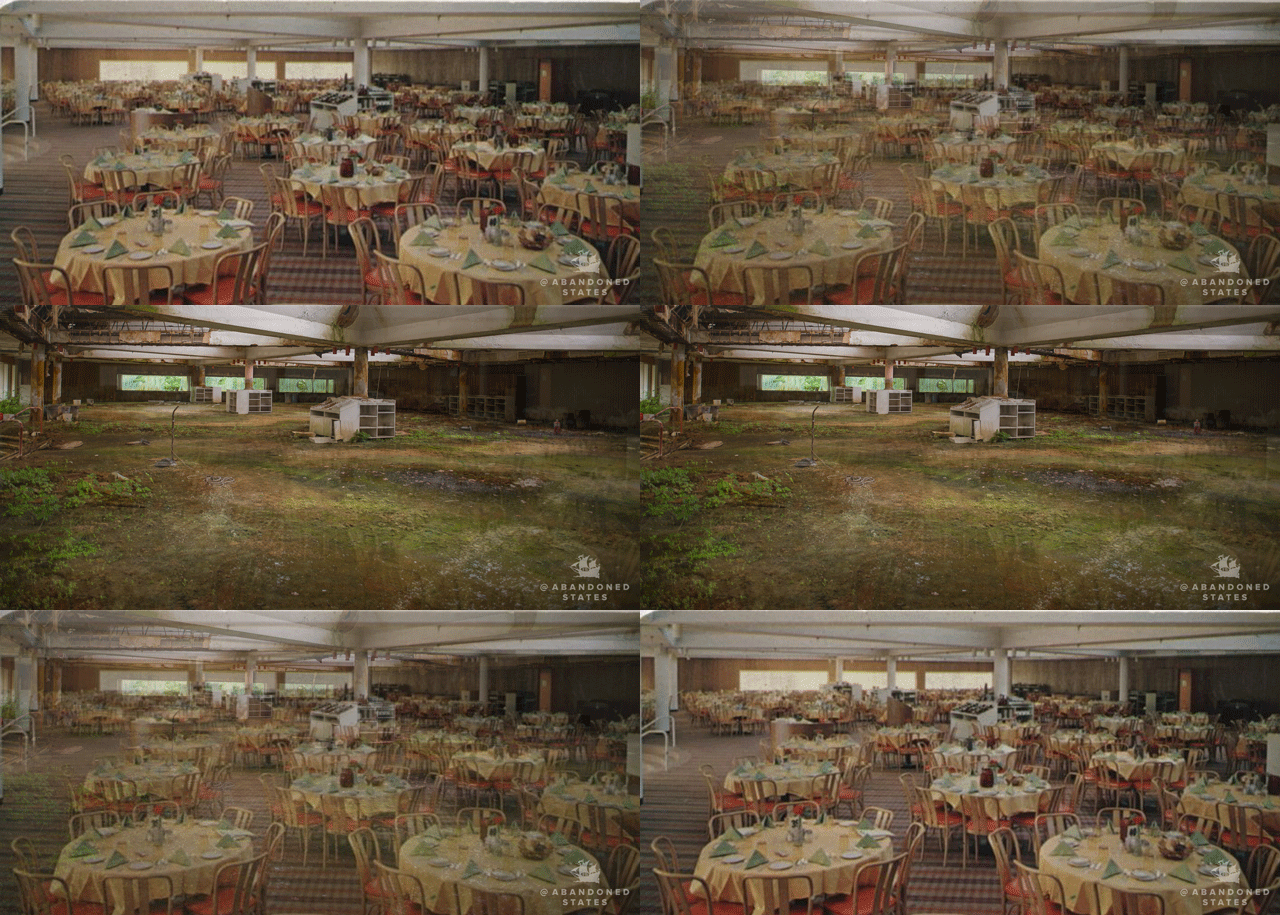
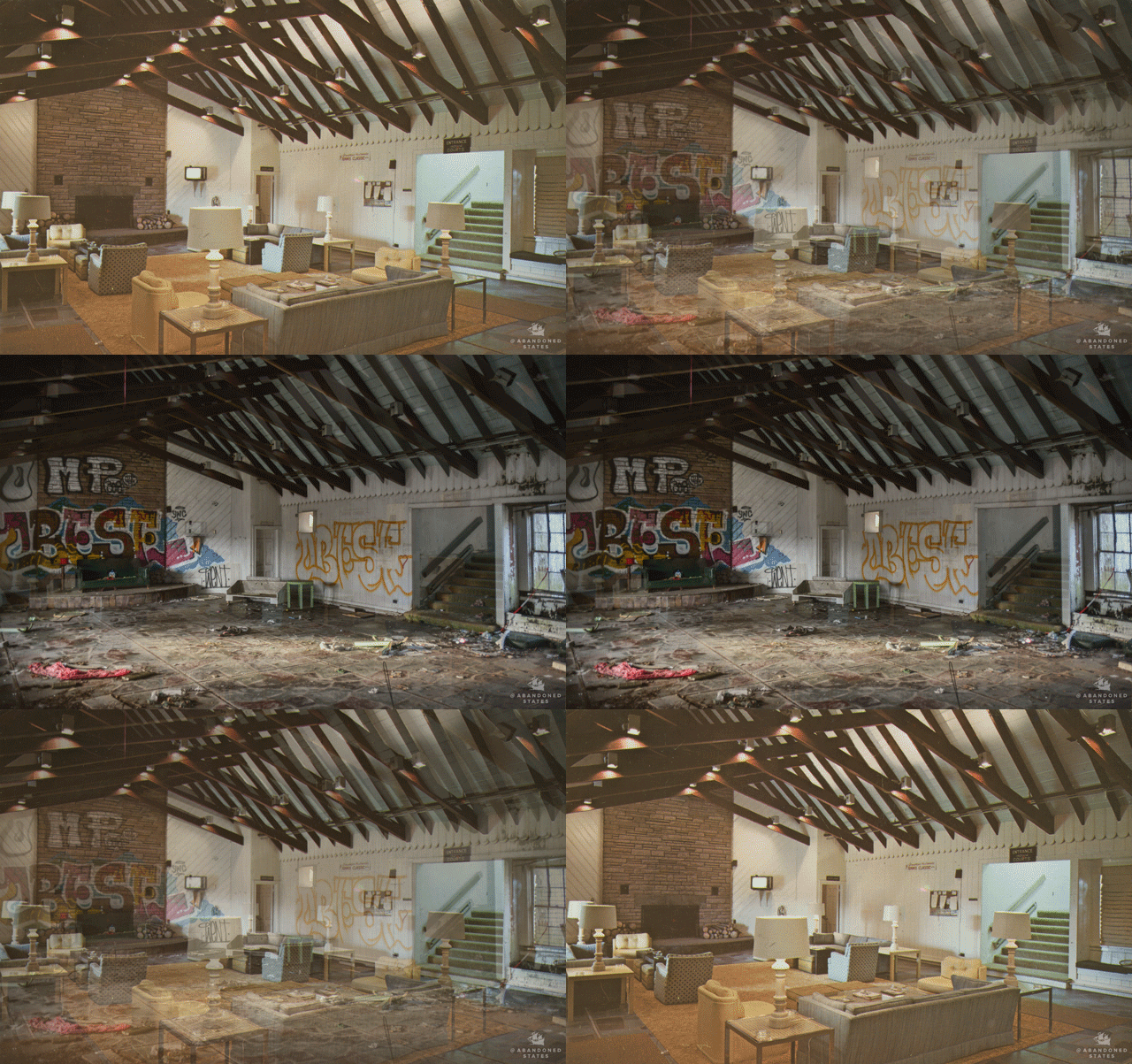
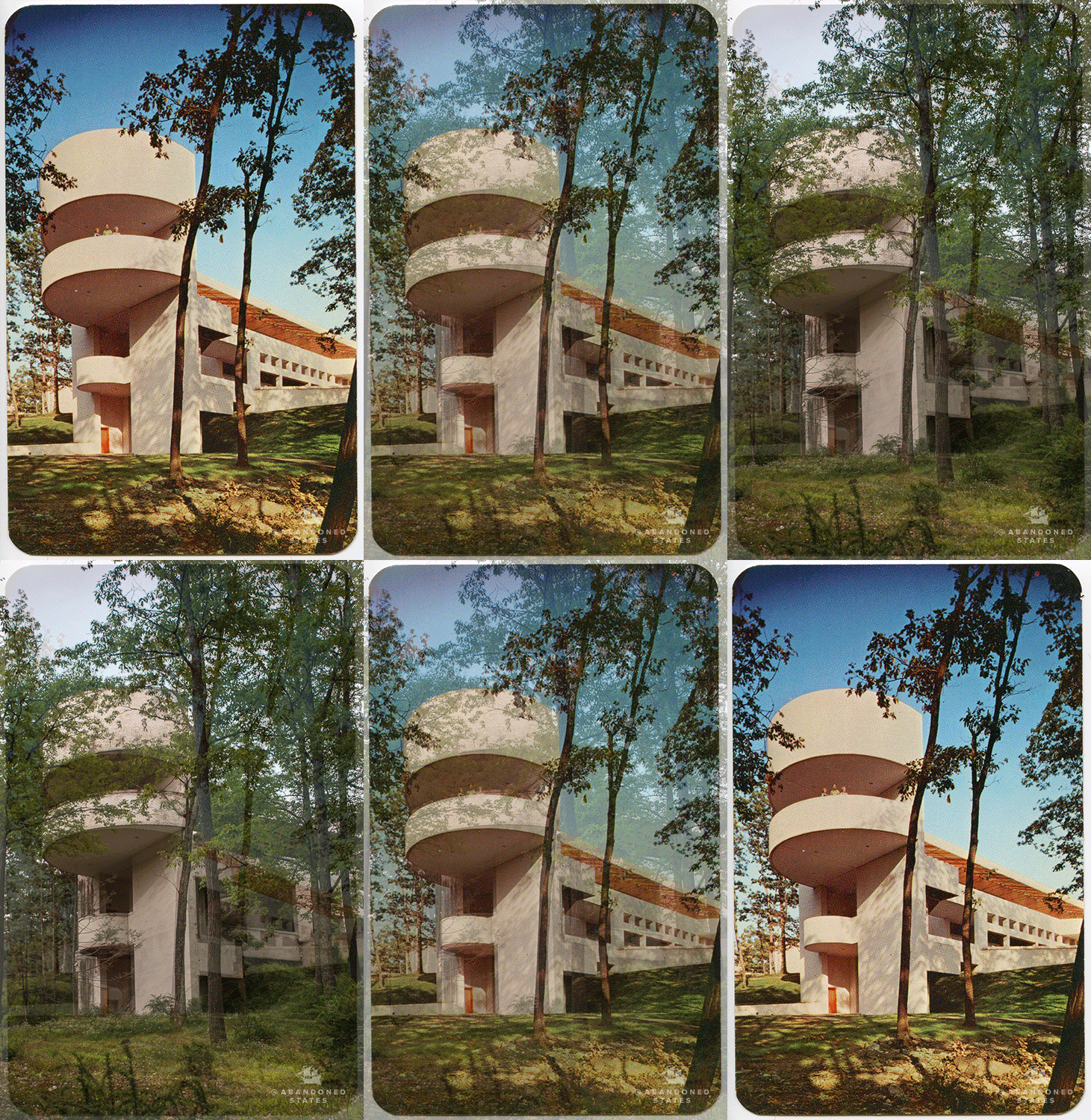
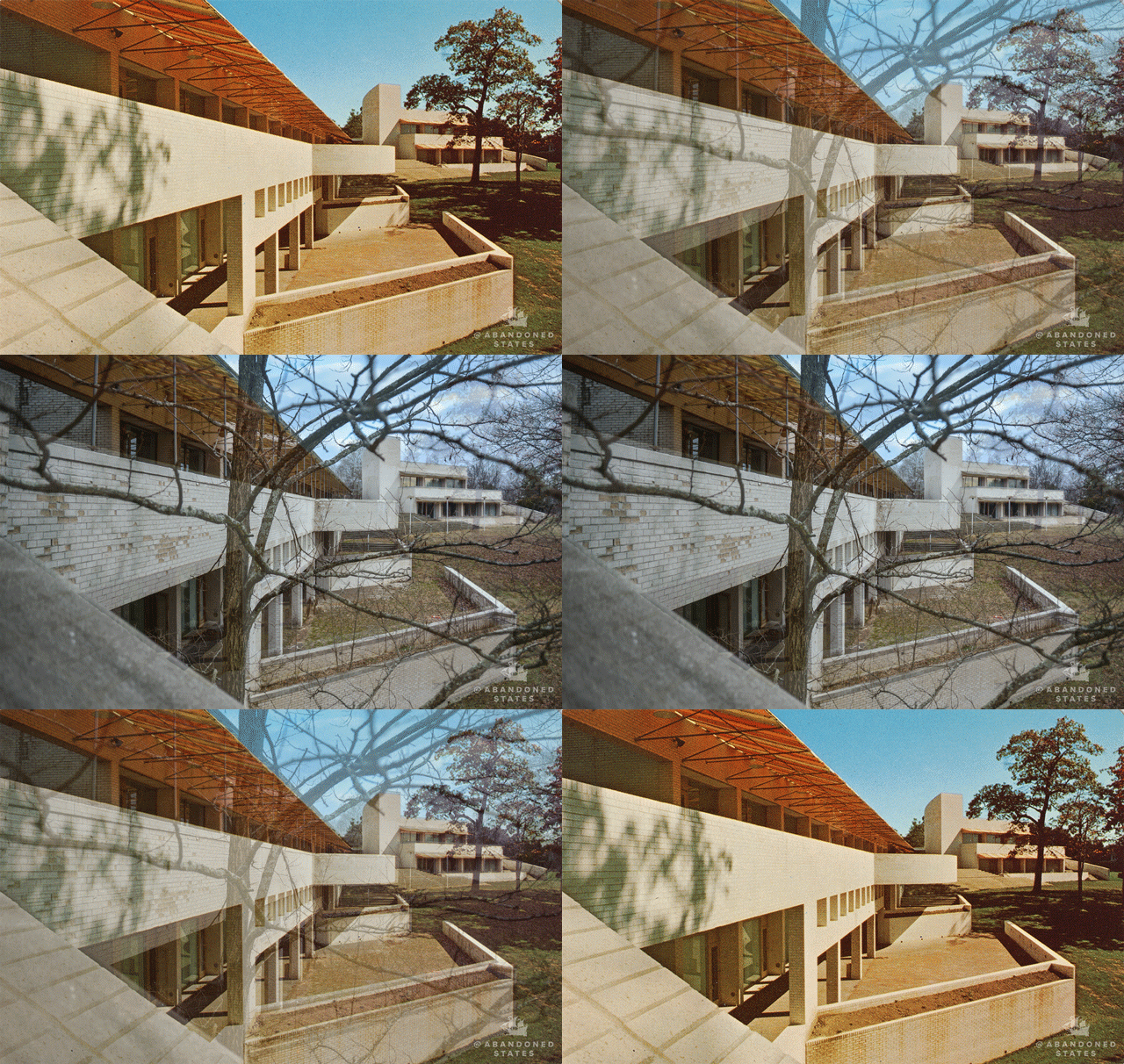
Not long ago, an old matchbook resting on photographer Pablo Iglesias Maurer’s desk caught his attention. More precisely, it was the postcard-like image printed on it—a vibrant picture of a sprawling resort complex constructed in the 1960s. This nostalgic glimpse sparked Pablo’s curiosity about how the place might look today. His quest for answers inspired an incredible photo series he titled Abandoned States.
The image bore the caption How to Run A Successful Golf Course, but upon visiting the site, Maurer quickly realized the owner of Penn Hills Resort had clearly not heeded that advice. Instead of thriving, the resort had fallen into disrepair. Pablo aimed his camera at the same spot, capturing a haunting “5-decades-later” shot of the decaying building, showing nature and neglect slowly reclaiming the structure.
This initial experience hooked Pablo deeply. He began ordering more vintage 1960s postcards from eBay and traveled across the country, visiting these once-glamorous resorts. His goal was to document how these iconic places, once bustling with life and luxury, now stand abandoned, their faded grandeur reduced to ghostly memories.
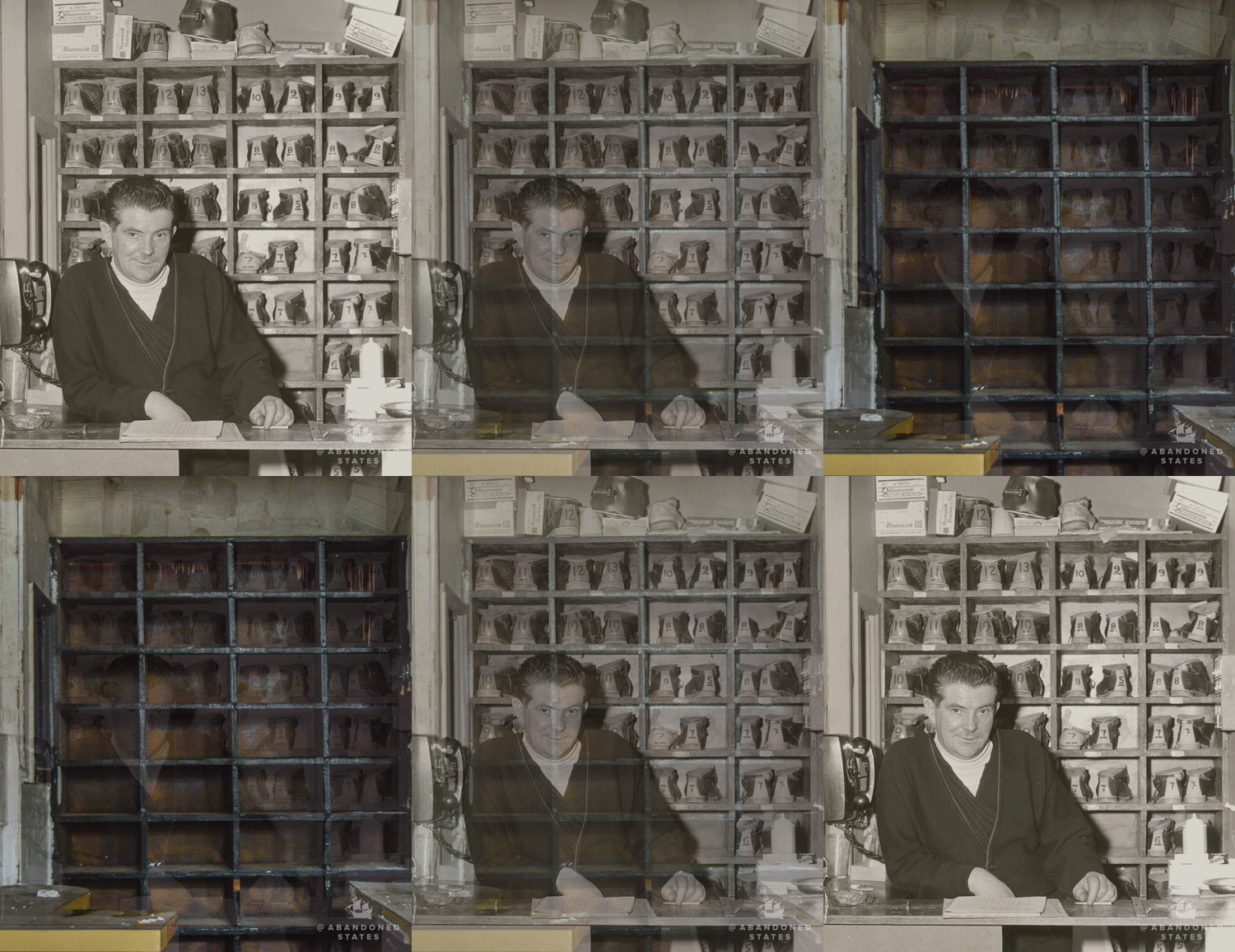
“The postcards have a certain haze to them—the places were probably never quite as perfect as they appear,” Pablo notes. “I often struggle to get the two images—the old postcard and the present-day photo—to align perfectly. But time blurs those differences and brings the essence of the story into sharp focus.”
One particularly striking example is the indoor pool at Grossinger’s resort. The tiled floor was once heated, and the entire space was air-conditioned for guests’ comfort. Above, elegant mid-century “sputnik” chandeliers cast a warm glow over swimmers. Beneath the pool were exercise rooms, a gym, a salon, and many other amenities that made the resort a top destination. Unfortunately, this pool has been vacant since the late 1990s and has now deteriorated beyond repair.
Nearby, Grossinger’s outdoor Olympic-sized pool, built in 1949 at a cost equivalent to about $5 million today, no longer hosts sunbathers or swimmers. The private cabanas, changing rooms, and lounging areas have vanished, leaving only the empty basin behind.
The once vibrant Poconos dining hall, with its reds, browns, and oranges, now features a carpet overtaken by green moss, showing how nature slowly reclaims manmade spaces.
The Homowack Lodge, positioned on the southern edge of the famous “Borscht Belt,” now sits deserted. Its highlight was a four-lane Brunswick bowling alley on the lower level—once a place of laughter and friendly competition. Though the resort closed in the mid-2000s, it briefly transformed into a Hasidic retreat and then a summer camp before being condemned as uninhabitable by the New York Department of Environmental Conservation.
Grossinger’s indoor tennis center carries memories beyond just sport—the back of its postcard advertises the resort’s famous rye bread, a beloved local staple. Resort royalty Jenny Grossinger herself endorsed it, promising visitors an irresistible, healthy treat.
Many of these places once hosted glamorous events and celebrities. For instance, the indoor pool at Grossinger’s, which opened in 1958, was graced by Elizabeth Taylor at its launch. Florence Chadwick, the first woman to swim the English Channel in both directions, was the first to swim in its waters. As Ross Padluck wrote in Lost Architecture of Paradise, “The new indoor pool at Grossinger’s was the zenith of the Catskills. It symbolized the 1950s Catskills style: extravagance, luxury, modernism, and celebrity.”
Some postcards carry heartfelt personal messages. One from 1967 reads: “Dear Jonnie: If you were only here, I would take you out for a horse-back ride—or else we could go golfing. Be good until I see you. Dr. Waterman.” These intimate notes remind us that behind every grand resort was a tapestry of personal stories and joyful moments.
A modernist spaceship-like building, constructed in the early 1970s to replace a fire-damaged resort building in the Poconos, still stands tucked deep in the woods—a striking testament to the bold architectural experimentation of that era.
Other venues like the Poconos theater, once lauded as the “resort world’s most modern showplace,” have lost their luster. Despite its 1200-seat capacity and grandeur, the theater closed in the early 1990s, its curtain falling for the last time.
The cocktail lounge of a now-defunct Poconos resort, once a haven for “peaceful relaxation” and “healthful recreation,” remains frozen in time—a silent witness to decades of parties and gatherings that shaped countless vacations.
Buried beneath papers beside a waterlogged, frozen book titled How to Run A Successful Golf Course, the matchbook itself bore the inscription: “Swim n’ Sun Indoor Swimming Pool at Penn Hills Lodge and Cottages. The Poconos’ Finest Modern Resort.”
One of the last structures built at Grossinger’s was the Mies van der Rohe-inspired “Jenny G Wing,” opened in 1964. Designed by Morris Lapidus—the architect credited with creating the iconic “Miami Modern” style—the wing housed dining rooms, cocktail lounges, lobbies, and offices. Today, these spaces remain eerily quiet, waiting to be rediscovered.
Downstairs, abandoned theaters, bowling alleys, and tennis courts stand as silent reminders of a bygone era. The Homowack Lodge’s lane attendants and resort staff, who once bustled about these places, are now only memories.
Pablo Iglesias Maurer’s Abandoned States is more than a photo series—it is a poignant exploration of how time, nature, and shifting cultural tastes have transformed places that were once symbols of luxury and leisure. Through his lens, these forgotten resorts tell stories of glory days past, offering us a chance to reflect on impermanence and the ever-changing face of Americana.