The Sunshine Secret: Why Your Bones and Legs May Be Asking for More Support
Garden Healthy 21/07/2026 17:26
Often overlooked as a common roadside weed, knotgrass (Polygonum aviculare) is a hardy plant that has been used in traditional herbal medicine across Europe and Asia for generations. Although it has a long history of folk use, modern research into its medicinal properties is still developing, making careful and informed use especially important.
This guide explains how to recognize knotgrass, explores its traditional applications, and highlights important precautions before considering it as an herbal remedy.
Knotgrass is a low-growing annual plant that adapts well to compacted soils and frequently appears along paths, driveways, gardens, and open fields.
Common identifying features include:
Thin, branching stems that spread close to the ground, often reaching up to 60 cm (24 inches) in length
Small oval or lance-shaped leaves arranged alternately along the stems
Tiny white, greenish, or pale pink flowers that emerge where the leaves join the stem
Small, dark brown to black seeds enclosed within the flowers
Because several related species look similar, proper identification is recommended before harvesting any wild plant.
For centuries, knotgrass has been included in traditional herbal practices for a variety of purposes. While many of these uses are supported primarily by historical experience rather than strong clinical evidence, researchers have identified several naturally occurring compounds—including flavonoids, tannins, silica, and phenolic compounds—that continue to attract scientific interest.
Traditional herbal medicine has commonly used knotgrass as a mild diuretic to encourage normal urine production and support healthy urinary function.
People with kidney disease or other urinary disorders should seek medical advice before using any diuretic herbs.
Knotgrass contains flavonoids such as quercetin and other plant antioxidants that may help protect cells from oxidative stress.
A diet rich in antioxidant-containing foods and herbs is generally associated with overall wellness.
Laboratory studies suggest that some compounds found in knotgrass possess anti-inflammatory activity. However, additional human studies are needed before firm conclusions can be made.
Because of its naturally occurring tannins, knotgrass has historically been prepared as an herbal tea to support digestive comfort during occasional digestive upset.
Excessive intake, however, may irritate the digestive system.
In some herbal traditions, knotgrass has been included in preparations intended to soothe coughs and support respiratory comfort, although clinical evidence remains limited.
Fresh or dried knotgrass has also been applied externally in traditional remedies for minor skin irritation and superficial wounds.
Modern wound care recommendations should always take priority for significant injuries.
Although knotgrass has a long history of traditional use, it is not appropriate for everyone.
The plant naturally contains oxalates, which may contribute to kidney stone formation in susceptible individuals when consumed in large amounts.
Its tannin content may interfere with nutrient absorption if consumed frequently or in excessive quantities and can sometimes cause digestive irritation.
Plants growing in heavily fertilized or nitrogen-rich soils may accumulate elevated nitrate levels, making wild harvesting from uncertain locations inadvisable.
Large amounts of knotgrass may not be suitable for grazing animals or household pets, particularly if consumed over extended periods.
If you choose to explore knotgrass as a traditional herbal tea, consider these precautions:
Harvest only from clean areas free of pesticides, traffic pollution, and industrial contamination.
Wash thoroughly before preparation.
Some herbal traditions recommend briefly boiling the plant and discarding the first water before preparing tea, although evidence supporting this practice is limited.
Begin with small amounts to assess individual tolerance.
Avoid prolonged daily use unless guided by a qualified healthcare professional.
Knotgrass is an exceptionally resilient species that thrives in disturbed and compacted soils where many other plants struggle.
While this makes it valuable for stabilizing bare ground, it can also spread aggressively under favorable conditions and compete with native vegetation in some environments. Monitoring its growth can help maintain healthy garden biodiversity.
Consult a healthcare professional before using knotgrass if you:
Are pregnant or breastfeeding
Have kidney disease or a history of kidney stones
Take prescription medications, particularly diuretics or blood-thinning medications
Have chronic digestive disorders
Children should only use herbal products under appropriate professional guidance.
Knotgrass (Polygonum aviculare) demonstrates how even the most common wild plants can have a long history of traditional use. Rich in naturally occurring plant compounds, it continues to be studied for its potential antioxidant and anti-inflammatory properties. However, many traditional claims have not yet been confirmed through high-quality clinical research.
When properly identified and used responsibly, knotgrass may be an interesting addition to traditional herbal practices—but it should never replace evidence-based medical care or professional advice.
Disclaimer: This article is provided for educational purposes only and is not intended to diagnose, treat, cure, or prevent any disease. Always consult a qualified healthcare professional before using herbal remedies, particularly if you have underlying health conditions or take prescription medications.
Enjoyed learning about traditional medicinal plants? Share this article with friends and fellow nature enthusiasts.






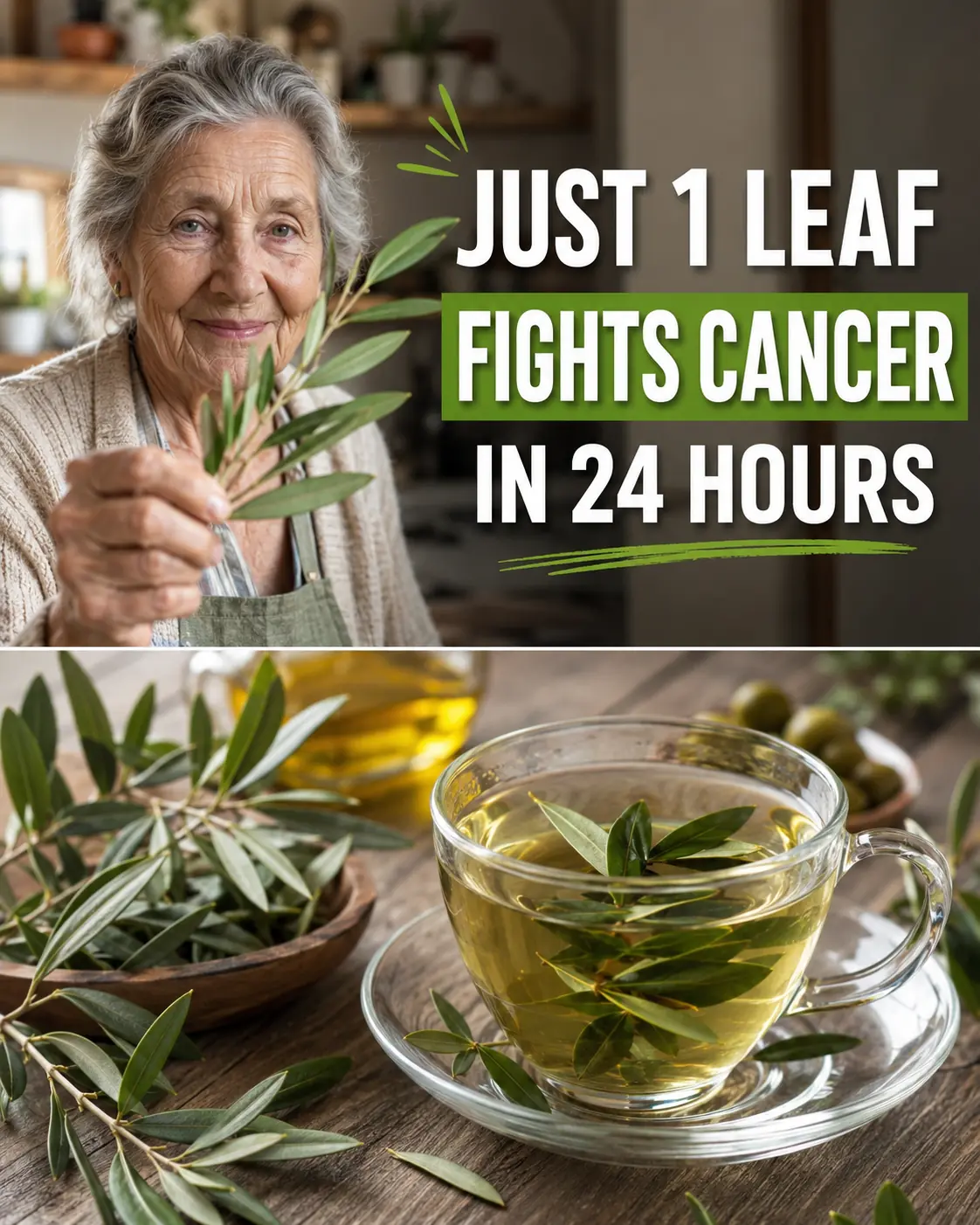







Scientifically Proven Health Benefits of Olive Oil (Extra Virgin, Pure, Unrefined)