The Natural Secret Doctors Never Tell You That Melts Away Uric Acid Fast
Health 07/12/2025 21:18
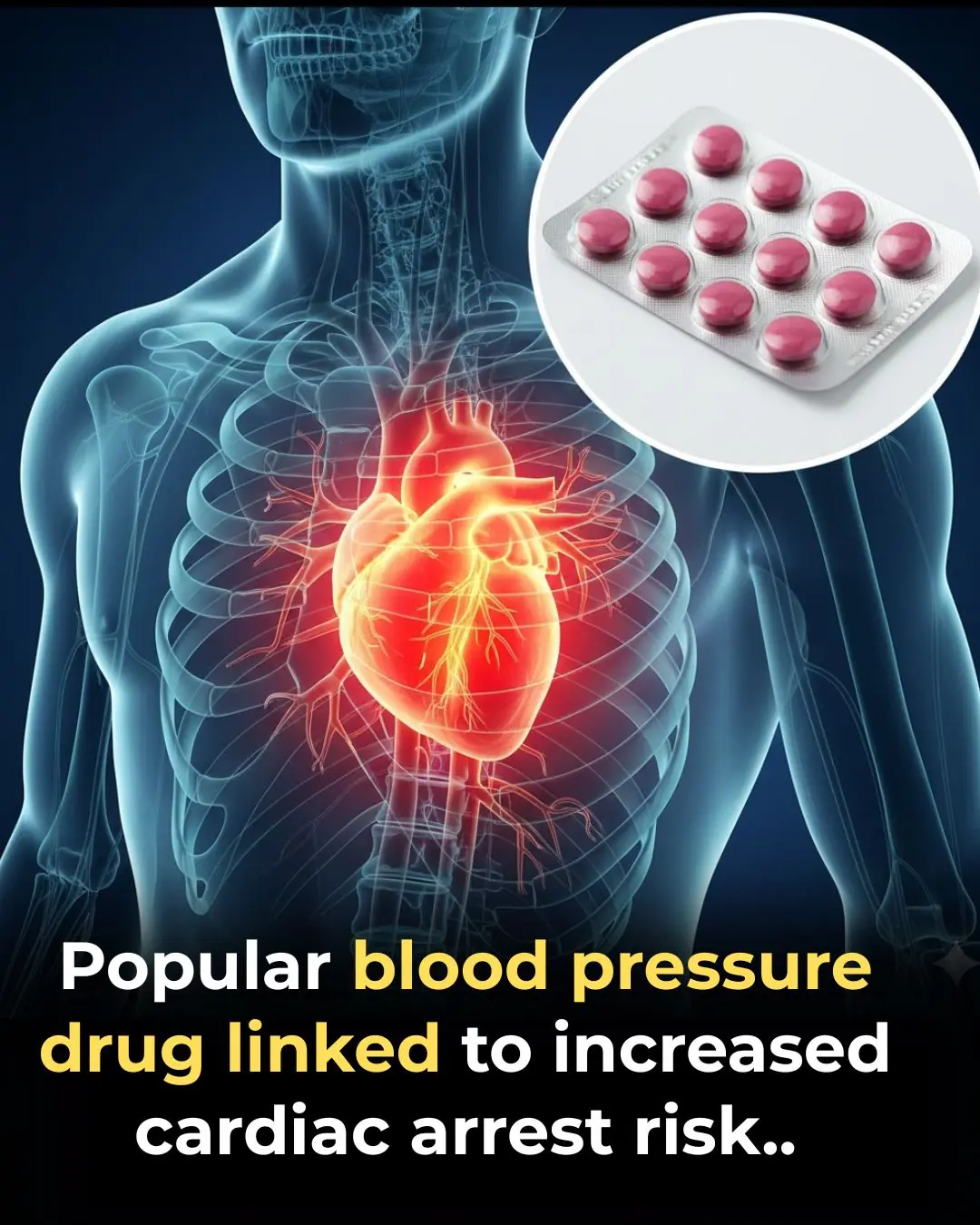
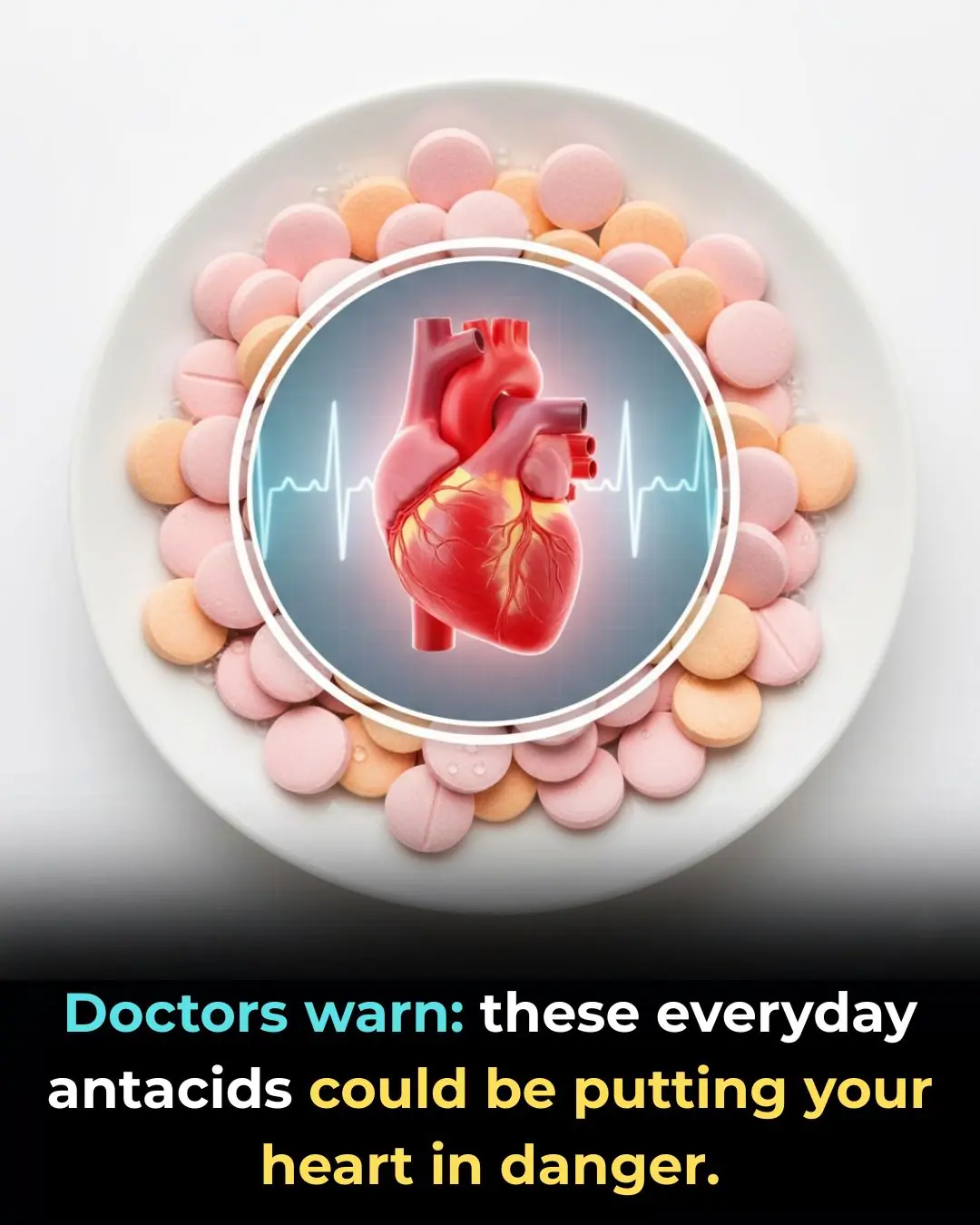
A recent study presented at EHRA 2019 suggests that nifedipine, a commonly prescribed medication for high blood pressure and angina, may increase the risk of sudden cardiac arrest (SCA) when used at high doses. Notably, amlodipine, another drug in the same dihydropyridine class, did not show the same risk elevation.
High-dose nifedipine may significantly increase the risk of sudden cardiac arrest.
Amlodipine does not appear to share this increased risk.
High doses of nifedipine may trigger fatal arrhythmias by excessively shortening cardiac action potentials.
More research is required before changes in clinical treatment guidelines can be recommended.
Sudden cardiac arrest occurs when the heart abruptly stops pumping blood effectively, often due to a dangerous arrhythmia. Without immediate intervention, SCA is fatal within minutes. In the United States alone, an estimated 475,000 deaths per year are attributed to cardiac arrest. Identifying medications or conditions that may increase this risk is therefore essential for prevention and clinical decision-making.
The findings come from the ESCAPE-NET (European Sudden Cardiac Arrest network) project, which investigates potential contributors to cardiac arrest. Researchers analyzed data from:
Over 10,000 users of dihydropyridine calcium channel blockers
50,000 control subjects
Two commonly prescribed drugs were evaluated:
Nifedipine
Amlodipine
The analysis revealed that individuals taking high doses of nifedipine had a significantly higher likelihood of experiencing out-of-hospital cardiac arrest compared to both controls and amlodipine users. In contrast, amlodipine did not demonstrate an increased risk.
Both nifedipine and amlodipine block L-type calcium channels, essential for generating electrical signals in the heart. Blocking these channels shortens the action potential of cardiac cells.
However, laboratory experiments found that high-dose nifedipine caused a much stronger and potentially dangerous shortening of these action potentials compared to amlodipine. Excessive shortening increases the risk of arrhythmias, which can escalate into sudden cardiac arrest.
These laboratory findings support the population data, suggesting a biological explanation for the observed increased risk.
Dr. Hanno Tan, ESCAPE-NET project leader, cautioned that while the findings are compelling, they require replication in larger and more diverse populations before any clinical practice changes should be recommended. If future research confirms this association, it may influence medication choices for individuals treated for hypertension or angina.
Although more evidence is needed, this study raises important questions about the safety of high-dose nifedipine. Patients should never stop or change medications without consulting their healthcare provider, but awareness of these findings may help guide future treatment decisions and support safer, more personalized care.