Protect your kidneys before it’s too late 💧 These warning signs may appear earlier than you think
Your kidneys could be silently struggling 😨 Here are the signs to watch for and habits that may help protect them
Kidney disease is often called a “silent condition” because symptoms may not appear until the kidneys
are already significantly damaged. These vital organs help filter waste, balance fluids, regulate blood
pressure, and support overall health. When they stop functioning properly, serious complications can
develop.
Here are some warning signs of kidney disease you should never ignore — along with simple ways to
protect your kidneys and maintain better long-term health.
Warning Signs of Kidney Disease
1. Persistent Fatigue and Weakness
When the kidneys cannot effectively remove toxins from the blood, waste builds up in the body. This
may lead to constant tiredness, weakness, and difficulty concentrating.
2. Swelling in the Legs, Ankles, or Face
Damaged kidneys may struggle to remove excess fluid and sodium, causing swelling in the feet, ankles,
hands, or even around the eyes.
3. Changes in Urination
Pay attention to unusual urination patterns, such as:
Frequent urination, especially at night
Foamy or bubbly urine
Blood in the urine
Dark or pale urine
Difficulty urinating
These changes can be early signs of kidney problems.
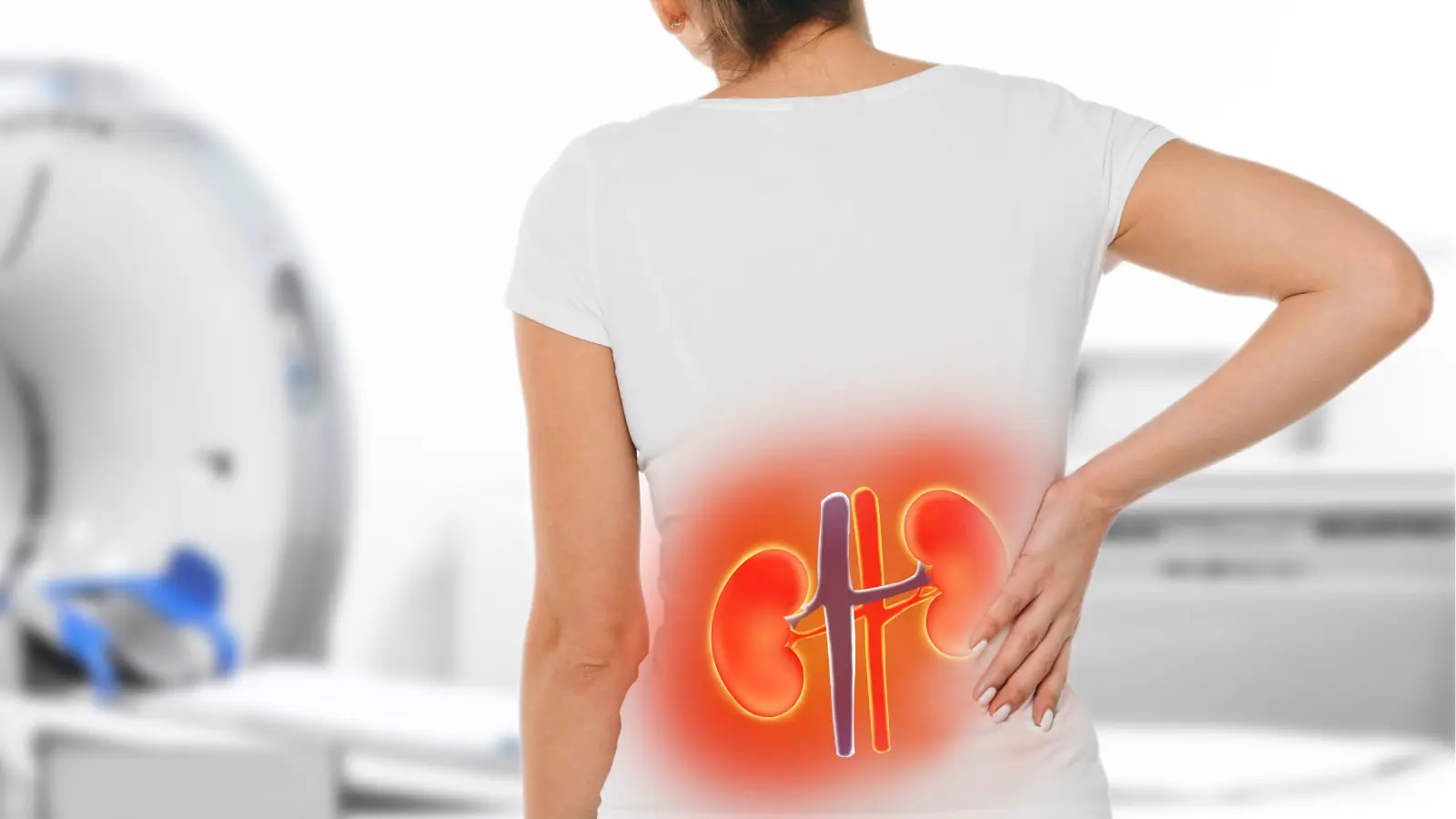
4. Persistent Back Pain
Pain near the lower back or sides may sometimes be linked to kidney infections, kidney stones, or other
kidney conditions.
5. High Blood Pressure
The kidneys help regulate blood pressure. Damaged kidneys can contribute to hypertension, while
uncontrolled high blood pressure can further damage the kidneys.
6. Loss of Appetite and Nausea
A buildup of toxins in the bloodstream may lead to nausea, vomiting, poor appetite, and an unpleasant
metallic taste in the mouth.
7. Itchy or Dry Skin
Kidney disease can affect mineral and nutrient balance in the body, sometimes leading to dry, irritated,
or itchy skin.
Ways to Protect Your Kidneys 💧
Stay Hydrated
Drinking enough water helps the kidneys remove toxins and maintain healthy function.
Control Blood Sugar and Blood Pressure
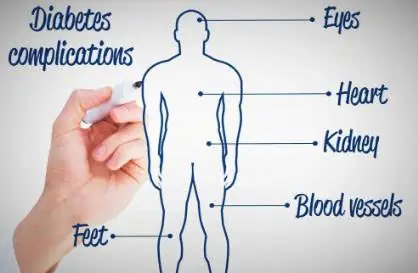
Diabetes and high blood pressure are among the leading causes of kidney disease. Regular monitoring
and healthy habits are essential.
Limit Excess Salt and Processed Foods
Too much sodium can increase blood pressure and place extra strain on the kidneys.
Avoid Smoking and Excess Alcohol
Both can reduce blood flow to the kidneys and increase the risk of kidney damage.
Exercise Regularly
Physical activity supports healthy blood pressure, weight management, and overall kidney health.
Be Careful With Painkillers
Overuse of certain medications, especially nonsteroidal anti-inflammatory drugs (NSAIDs), may harm
the kidneys over time.
Get Regular Health Checkups
Routine blood and urine tests can help detect kidney disease early, before serious damage occurs