Rebuild Your Strength After 70 with Protein-Rich Seeds: A Simple and Realistic Daily Plan

Meta Description:
Discover how protein-rich seeds can support healthy aging after 70. Learn which seeds to choose, how to prepare them, and practical ways to include them in a balanced lifestyle for muscle health and everyday vitality.
Have You Ever Looked at Your Hands and Wondered, “When Did I Lose My Strength?”
Many adults notice gradual changes after the age of 70. Climbing stairs may take more effort, carrying groceries feels heavier than before, and getting up from a chair isn't quite as effortless as it once was.
These changes are common and are often linked to the natural loss of muscle mass that occurs with aging.
The encouraging news? Supporting healthy muscles doesn't always begin with an intense exercise program. Sometimes, one of the first positive steps is simply improving the quality of the foods you eat each day.
A handful of nutritious seeds may not seem impressive, but when combined with balanced meals and regular movement, they can become a valuable part of a healthy aging routine.
Understanding Muscle Changes After Age 70
As we grow older, the body naturally loses muscle tissue—a process known as age-related muscle loss (sarcopenia).
While this is a normal part of aging, lifestyle habits can help support muscle maintenance.
Healthy muscles generally rely on two important factors:
- Regular physical activity
- Adequate protein and overall nutrition
Without enough dietary protein, the body may have fewer building blocks available to help maintain muscle tissue.
It's Not Just About Eating More Protein
Many people immediately think of eggs, chicken, or dairy when they hear the word "protein."
Those foods can certainly contribute to a balanced diet, but plant foods also provide valuable nutrients.
Many seeds contain:
- Plant-based protein
- Healthy unsaturated fats
- Fiber
- Magnesium
- Zinc
- Iron
- Other essential minerals
These nutrients help support overall wellness and can fit into a healthy eating plan.
Why Protein-Rich Seeds Are Worth Considering
When eaten as part of a varied diet, nutritious seeds may help:
- Support healthy muscle maintenance
- Increase overall protein intake
- Provide important minerals involved in normal muscle function
- Promote digestive health thanks to dietary fiber
- Help you feel satisfied between meals
- Add healthy fats to your diet
- Complement light strength training and walking
- Encourage consistent healthy eating habits
It's important to remember that no single food can rebuild muscle on its own. Consistency across nutrition, movement, sleep, and hydration matters most.
Six Protein-Rich Seeds to Add to Your Routine
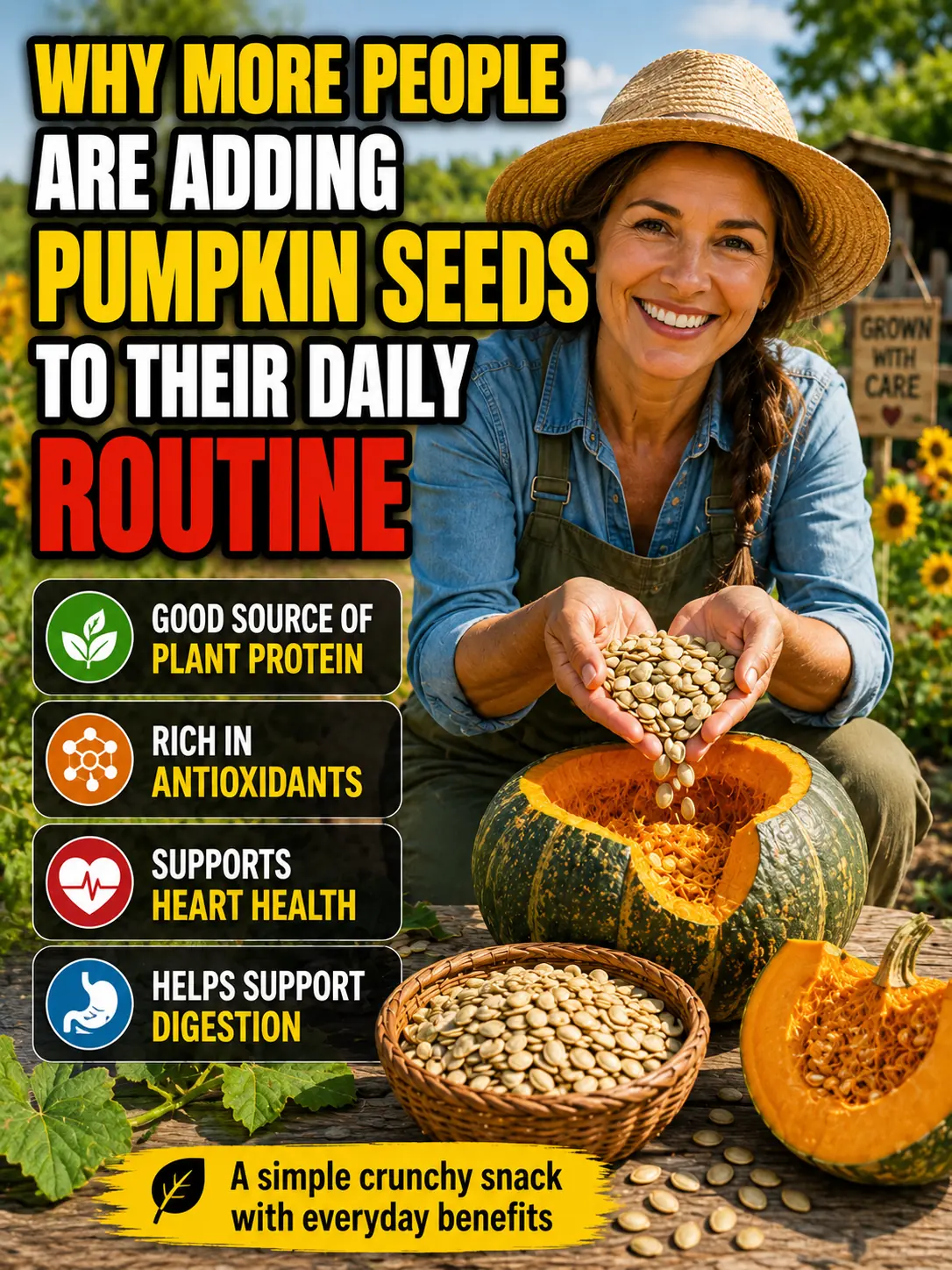
1. Pumpkin Seeds
Pumpkin seeds are among the richest seed sources of protein and magnesium.
They can be sprinkled over:
- Soups
- Salads
- Yogurt
- Roasted vegetables
2. Sunflower Seeds
Sunflower seeds provide protein along with vitamin E and healthy fats.
Enjoy them:
- As a snack
- Mixed into oatmeal
- On salads
- With homemade trail mix
3. Ground Flaxseeds
Flaxseeds contain fiber, plant protein, and omega-3 fats.
Because whole flaxseeds may pass through the digestive system largely intact, grinding them helps improve availability.
Try adding ground flaxseed to:
- Yogurt
- Smoothies
- Oatmeal
- Whole-grain cereal
4. Chia Seeds
When soaked, chia seeds develop a soft, gel-like texture that many people find easy to enjoy.
They work well in:
- Overnight oats
- Yogurt
- Smoothies
- Homemade puddings
5. Hemp Seeds
Hemp seeds are naturally soft and offer complete plant protein, meaning they contain all nine essential amino acids.
They can easily be sprinkled over almost any meal.
6. Sesame Seeds (or Tahini)
Sesame seeds provide protein, calcium, and healthy fats.
Tahini, made from ground sesame seeds, can be spread on whole-grain toast or mixed into vegetable dishes and dressings.
Simple Preparation Tips
Preparing seeds properly may improve texture and make them easier to enjoy.
Some helpful ideas include:
- Start with small portions.
- Soak chia seeds before eating.
- Grind flaxseeds before use.
- Lightly toast sesame seeds for extra flavor.
- Soak certain larger seeds if preferred.
A typical serving for many adults is 1–2 tablespoons daily, depending on individual nutritional needs and tolerance.
A Gentle One-Week Plan
Days 1–3
- Add one tablespoon of your preferred seed each day.
- Keep the rest of your eating habits the same.
- Drink plenty of water.
Days 4–7
Continue your seed routine and include about 10 minutes of light activity, such as:
- Walking
- Gentle stretching
- Chair exercises
- Light resistance exercises if appropriate
Small, consistent habits often produce better long-term results than dramatic changes.
Important Safety Considerations
Although seeds are nutritious, they may not be appropriate for everyone.
Speak with your healthcare provider before making significant dietary changes if you:
- Have kidney disease
- Take blood-thinning medications
- Have difficulty swallowing
- Experience digestive conditions requiring a specialized diet
- Have food allergies
- Manage diabetes and need individualized nutrition guidance
If you have a sensitive stomach, begin with very small amounts and increase gradually if well tolerated.
Healthy Aging Is Built One Habit at a Time
There is no "miracle seed" that restores youthful strength overnight.
However, protein-rich seeds can become one useful part of a healthy lifestyle that also includes:
- Balanced meals
- Regular movement
- Good sleep
- Staying hydrated
- Adequate protein throughout the day
These simple habits can help support independence, mobility, and overall well-being as you age.
Frequently Asked Questions
Which seed contains the most protein?
Hemp seeds and pumpkin seeds are among the highest-protein seed options commonly available.
Should I eat seeds every day?
Many people enjoy seeds daily as part of a balanced diet, but portion size should fit individual nutritional needs.
Can seeds replace meat or eggs?
Seeds contribute protein, but they generally work best alongside a variety of other protein sources rather than replacing them completely.
Is one tablespoon enough?
Even a small daily serving can contribute valuable nutrients when combined with an overall healthy eating pattern.
Final Thoughts
Growing older doesn't mean giving up your strength.
Supporting healthy muscles is often about making realistic, sustainable choices each day—not chasing quick fixes.
Adding a tablespoon or two of protein-rich seeds to balanced meals, staying active, and maintaining consistent healthy habits can all contribute to healthy aging.
Sometimes, lasting progress begins with one small step—and perhaps one simple spoonful.
Disclaimer: This article is for educational purposes only and is not medical advice. It is not intended to diagnose, treat, cure, or prevent any disease. Always consult a qualified healthcare professional before changing your diet, especially if you have underlying medical conditions or take prescription medications.
News in the same category


6 Seeds Often Called the “Enemies” of Cellular Stress: Small Foods That May Support Everyday Wellness 🌱✨

🥥🧄🌱 Coconut Water, Garlic & Ginger Blend: A Traditional Tonic to Support Everyday Vitality (Enjoy in Moderation)

Castor Oil: 25 Practical Uses, How to Use It Safely, and What You Should Know

Avoid Ginger? 5 Health Conditions Older Adults Should Not Ignore

Natural Overnight Face Mask: A Simple Way to Support Soft, Radiant Skin While You Sleep

🌿🍋 Baby Oil with Clove & Lemon: A Gentle DIY Skin Care Blend for Softer, Smoother, and More Radiant-Looking Skin ✨💛

Aloe Vera and Cinnamon May Support a Hidden Renewal for Eye Wellness Most People Overlook

Unlock Beautiful Hair: The Hidden Kitchen Ingredients for Healthier Hair Growth You’ll Wish You Knew Sooner

Three Traditional Leaves for Everyday Wellness: A Simple Herbal Infusion to Support Metabolic and Cardiovascular Health

The Health Benefits and Uses of Broadleaf Plantain (Plantago major)

🌿✨ Onion Hair Oil: A Traditional Scalp Care Ritual for Healthier-Looking Hair

Guava Leaf Tea: Benefits, Traditional Uses, and a Simple Herbal Recipe

Tip Layering: One of the Easiest Ways to Propagate Plants at Home

What Happens to Your Body If You Drink Plantago lanceolata Every Day?

How to Remove a Tree Stump: 4 Alternative Methods

Red Clover (Trifolium pratense): A Natural Ally for Women’s Hormonal Balance

🧅 Onion Oil for Hair: A Traditional Natural Remedy for Stronger, Healthier-Looking Hair 🌿✨

🥭 Everyone Loves Papaya, But Few People Realize How Valuable Papaya Latex Can Be 🌿✨

Natural Remedies for Warts: How to Use Banana Peel and Other Traditional Ingredients
News Post

Strange marks on your pillow don’t automatically mean can:cer—here’s what doctors say you should really watch for

12 Unusual Changes in Your Feet That Could Be Linked to Li.ver Problems

He Ate Garlic Every Day For 5 Months Hoping To Heal His Kidneys

The link between ovarian and breast cancer

Why Raw Green Onions Can Carry Hidden Risks—and How to Eat Them Safely

Woman Ate Eggs at Every Meal for Five Months—A Routine Checkup Revealed a Surprising Blood Test Result

5 Mini Stroke Warning Signs Every Family Should Know About

Note that if you always sleep on your right side, you should have... See more

🍈✨ Raw Guava: A Fiber-Rich Fruit That May Help Support Healthy Blood Sugar Balance Naturally

6 Seeds Often Called the “Enemies” of Cellular Stress: Small Foods That May Support Everyday Wellness 🌱✨

25-Year-Old Man Suffers Acute Kidney Failure After One Bite. Doctors Warn

Symptoms That May Indicate an Aneu.rysm

🥥🧄🌱 Coconut Water, Garlic & Ginger Blend: A Traditional Tonic to Support Everyday Vitality (Enjoy in Moderation)

If You Experience Leg Cramps at Night, Here’s What Your Body May Be Trying to Tell You

Castor Oil: 25 Practical Uses, How to Use It Safely, and What You Should Know

What to Drink if Your Legs Feel Weak: 6 Beverages That May Support Overall Health

Avoid Ginger? 5 Health Conditions Older Adults Should Not Ignore

Natural Overnight Face Mask: A Simple Way to Support Soft, Radiant Skin While You Sleep

32-Year-Old Woman Lived a “Healthy” Lifestyle but Developed Li.ver Can.cer—