
Reasons you probably don't know
Health 17/03/2026 08:37
Your urine isn’t just waste leaving your body—it’s a health indicator that can reveal surprising details about your hydration, nutrition, and even hidden health conditions. By learning to decode the color changes, you can catch early warning signs, make better lifestyle choices, and safeguard your well-being.
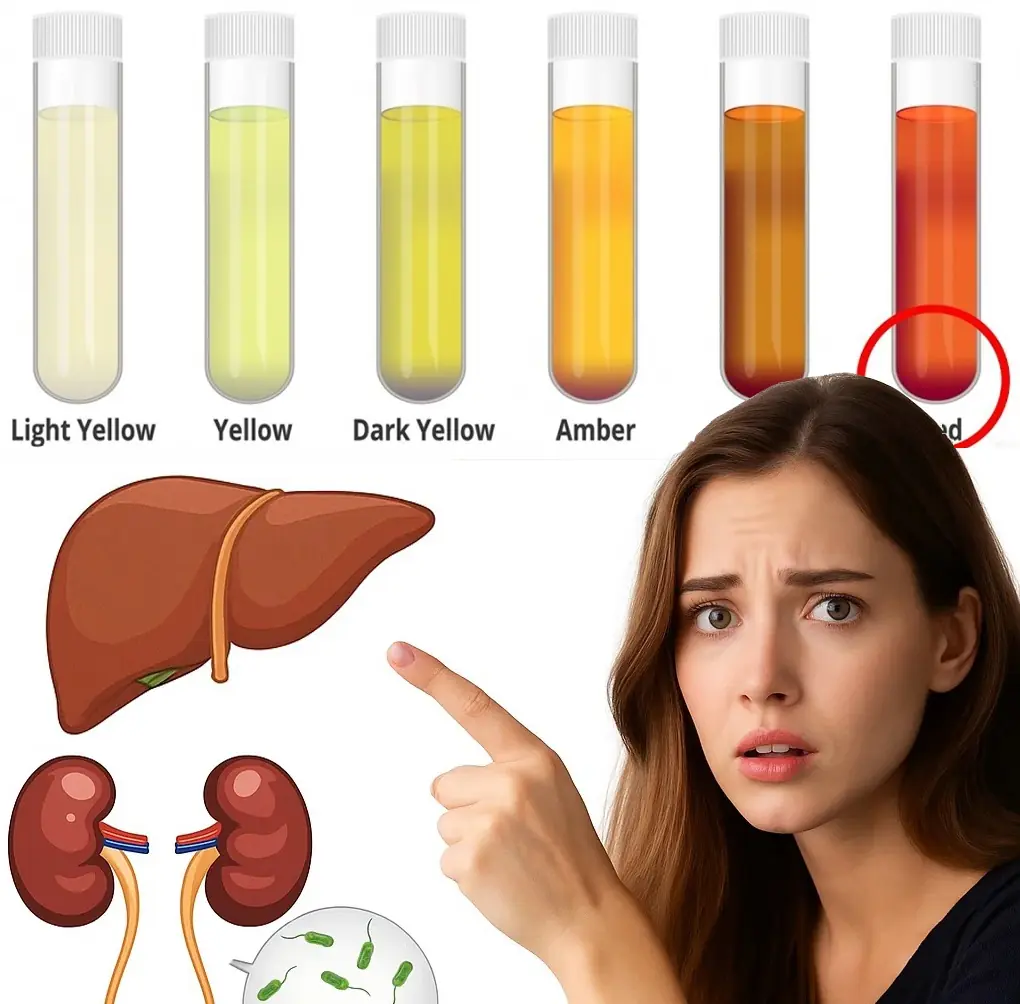
Clear or Pale Yellow Urine: A Sign of Optimal Hydration
A light straw shade or pale yellow usually signals that your body is well hydrated and your kidneys are efficiently filtering out toxins. This is often considered the “gold standard” for healthy urine color. It means your body has the right fluid balance to support proper circulation, digestion, and temperature regulation.
Extra note: If your urine looks almost completely transparent all the time, it could suggest you are drinking more water than necessary. Overhydration may flush out essential electrolytes such as sodium and potassium, which are vital for nerve and muscle function. Balance is key—drink enough, but not excessively.
Dark Yellow or Amber: Time to Refill Your Water Bottle
When your urine appears dark yellow or amber, your body is telling you it needs more fluids. This deeper shade usually occurs because your kidneys are conserving water, making the urine more concentrated.
What to do: Increase your water intake consistently throughout the day, especially after workouts, in hot climates, or when you sweat more than usual. Adding water-rich foods like cucumbers, melons, or citrus fruits to your meals can also help maintain hydration.
Orange Urine: Dehydration or Possible Medication Influence
Orange-tinted urine may point to more severe dehydration, but it can also result from medications such as rifampin, sulfasalazine, or phenazopyridine, which are often used to treat infections or discomfort in the urinary tract. Excess intake of beta-carotene (found in carrots, sweet potatoes) or high-dose vitamin C supplements may also cause this color shift.
When to act fast: If orange urine appears along with pale stools or a yellowish tint to your eyes or skin, it could indicate liver or bile duct complications. This situation requires immediate medical attention.
Pink or Red Urine: Possible Food Pigments or Blood in Urine
A pink or red shade may be harmless, often caused by natural pigments in foods like beets, blueberries, or rhubarb. However, it can also signal blood in the urine (a condition called hematuria), which should never be ignored. Potential causes include:
Urinary tract infections (UTIs)
Kidney stones
Prostate concerns in men
Bladder or kidney disease
Important reminder: If you notice this color without having eaten pigment-rich foods recently, consult a healthcare professional to determine the underlying cause.
Blue or Green Urine: Strange but Not Always Dangerous
Although rare, blue or green urine does occur. It can be triggered by certain medications (like propofol or amitriptyline), artificial food dyes, or even asparagus. In some cases, it may signal underlying issues such as familial hypercalcemia or infections caused by specific bacteria.
Smart move: If you see blue or green urine without any clear dietary or medication-related reason, seek medical advice to rule out metabolic conditions or bacterial infections.
Brown or Cola-Colored Urine: A Red Flag for Serious Conditions
Urine that looks dark brown, tea-like, or cola-colored is a serious warning sign. It may be linked to:
Severe dehydration
Liver conditions such as hepatitis or cirrhosis
Hemolysis (rapid breakdown of red blood cells)
Rhabdomyolysis (muscle breakdown from injury or overexertion)
Immediate action: If this discoloration is accompanied by fatigue, yellowing of the skin, abdominal discomfort, or nausea, contact a healthcare provider right away. Early detection is critical.
Foamy or Cloudy Urine: Watch Out for Protein or Infection
Cloudy or frothy urine may appear harmless but can suggest several issues:
Urinary tract infection (especially if it has a strong odor or causes burning sensations)
Excessive protein in the urine, which can point to kidney concerns
Too many phosphates due to diet or dehydration
Recommendation: If foamy or cloudy urine continues for several days, it’s time to schedule a check-up to prevent long-term kidney damage or untreated infection.
Final Thoughts: Your Urine as a Health Clue
The color of your urine acts like a natural health meter, offering valuable hints about what’s going on inside your body. While some changes may be harmless or diet-related, others can be early indicators of more serious conditions. The best strategy is to stay hydrated, maintain a balanced diet, and consult medical professionals whenever unusual changes persist. By paying attention to these subtle signals, you can protect your urinary health and overall well-being before issues become severe.