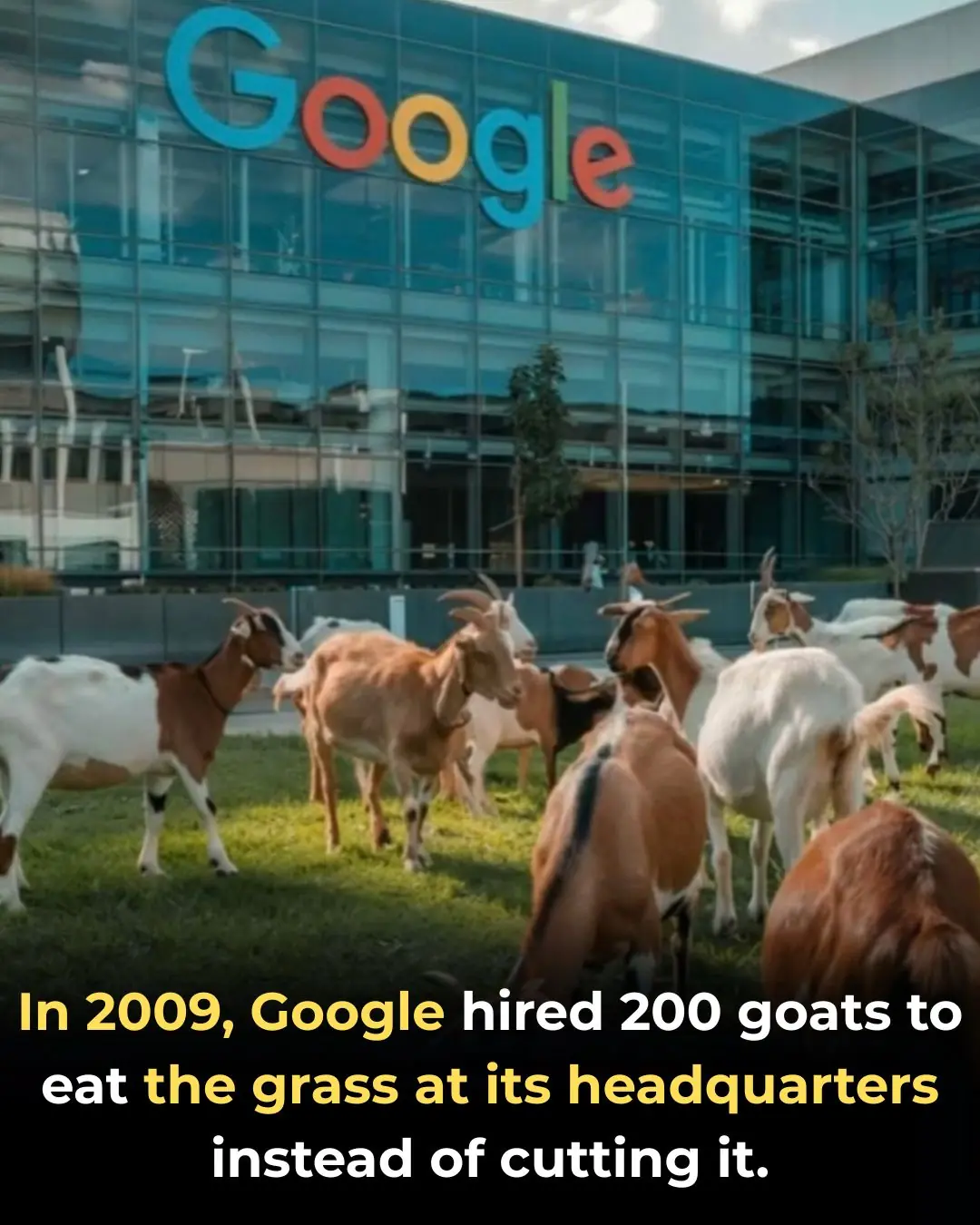
Inside Google’s Green Initiative: The Goats of Mountain View
Facts 04/12/2025 09:27
Singapore is transforming unused rooftop spaces on its high-rise buildings into productive urban farms, using advanced hydroponic and vertical-growing technologies to boost local food production. This initiative is a key part of the nation’s ambitious “30 by 30” strategy, launched by the Singapore Food Agency (SFA), which aims to produce 30 percent of the country’s nutritional needs domestically by 2030. With Singapore importing more than 90 percent of its food, according to SFA, expanding local production has become a critical priority for strengthening long-term food security.
These rooftop farms are designed to maximize output in a city where land is extremely scarce. Hydroponic systems allow vegetables and herbs to grow efficiently without soil, using nutrient-rich water and controlled environments to ensure steady yields throughout the year. Many of these farms use vertical racks, automated monitoring systems, and climate-responsive lighting to increase productivity while minimizing water usage. According to a Reuters report, some rooftop farms in Singapore can produce several tons of leafy greens annually from spaces that would otherwise sit unused.
Beyond improving food resilience, these elevated farms offer meaningful environmental benefits. By growing produce closer to consumers, they significantly cut the carbon footprint associated with transporting food over long distances. This aligns with global recommendations from the Food and Agriculture Organization (FAO), which emphasizes localized food production as a way to reduce greenhouse gas emissions in urban areas. Additionally, the greenery created by rooftop agriculture helps cool surrounding buildings, enhances urban biodiversity, and contributes to better air quality in densely populated districts.
Rooftop farms have also generated positive social and economic impacts. They supply fresh, pesticide-free vegetables to local markets, restaurants, and community programs, giving residents access to healthier food options. Some projects even provide educational opportunities, teaching students and the public about sustainable agriculture and the technology behind modern farming. According to The Straits Times, several rooftop farms have partnered with community groups to promote environmental awareness and urban farming skills.
Singapore’s model demonstrates how innovative agricultural solutions can reshape the future of food production in cities around the world. Despite its limited land area and dense skyline, the country has shown that technology-driven farming can unlock new spaces for cultivation, reduce dependency on imports, and build a more resilient food system. As climate change and global supply chain disruptions continue to challenge traditional agriculture, Singapore’s rooftop farming movement offers a promising blueprint for other urban nations seeking sustainable ways to grow their own food.