Pick a Bowl of Fries and Discover Your True Personality 🍟
Tips 13/04/2026 08:21
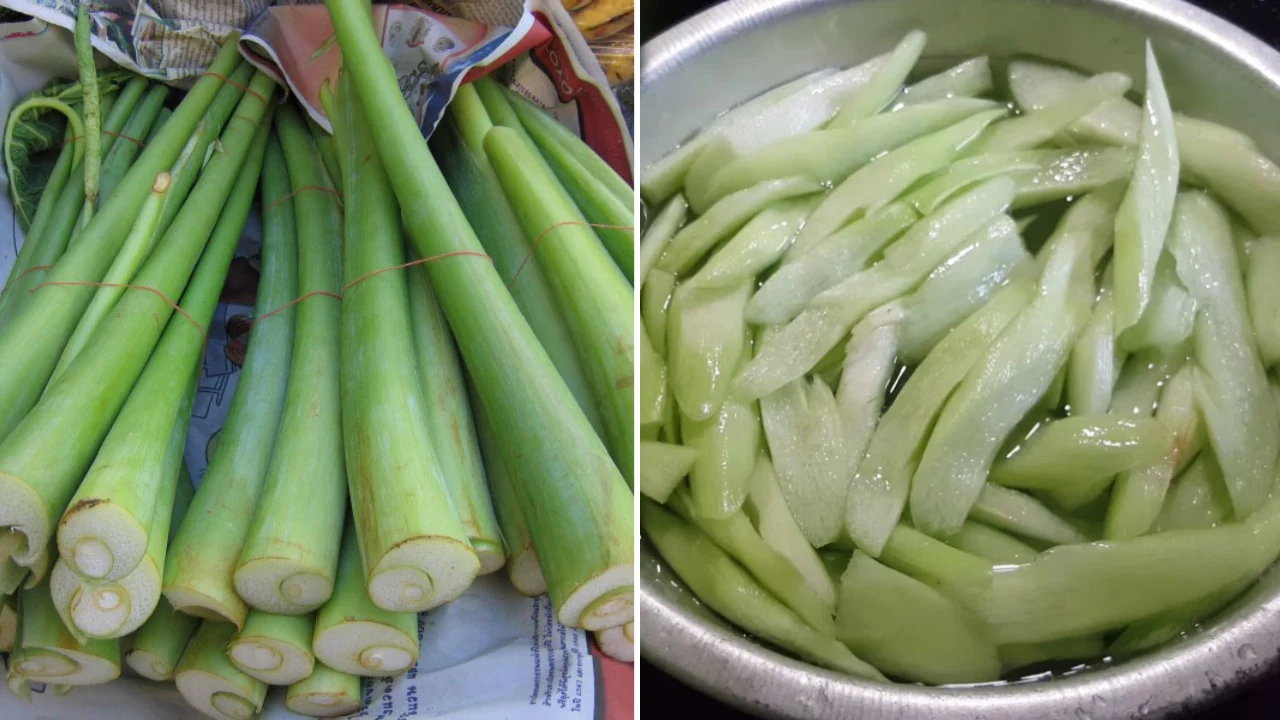
To avoid itching when eating doc mung (taro stems), proper preparation plays an extremely important role. Many people love using taro stems in soups or noodle dishes, but the itching sensation they sometimes cause can be very uncomfortable. With the right techniques, however, you can handle taro stems safely and enjoy them without worry.
Taro stems are a versatile ingredient commonly used in dishes such as sour soup, pork rib soup, fish soup, or bun bung. They provide a pleasant crunch and absorb flavors very well. Despite their delicious taste, taro stems can cause mouth and throat irritation due to natural compounds that trigger itching. Even during preparation, touching raw taro stems directly may lead to itchy or irritated skin.
To prevent itching while handling taro stems, the simplest solution is to wear gloves. This prevents your skin from directly coming in contact with the irritating substances. If you don’t have gloves, you can wrap your hands in plastic bags for protection—anything that creates a barrier between your skin and the stems will work.
If no protective barrier is available, you can wash your hands and the taro stems with saltwater to reduce the chance of irritation. Saltwater helps neutralize some of the natural compounds that cause itching.
When you bring the taro stems home, rinse them under water to remove mud or dirt. Then peel off the outer green skin, similar to how you would peel banana stems. Trim the curved inner section before slicing the stems diagonally into bite-sized pieces. Proper trimming and peeling help reduce irritation and improve texture when cooked.
Next, place the sliced taro stems in a bowl. Add a tablespoon of coarse salt and mix well. Let them rest for about 15 minutes. Salt helps draw out the compounds responsible for itching, which prevents mouth and throat irritation after cooking.
Afterward, soak the salted taro stems in a bowl of clean water and gently knead them with your hands. Rinse several times until the salt is washed away. Lightly squeeze out excess water and set them aside in a strainer.
For best results, blanch the taro stems in boiling water for a few minutes. Many people skip this step, but blanching helps remove any remaining irritating compounds. After blanching, transfer them immediately into cold water and rinse several times. This method ensures that the taro stems are safe to eat and will not cause itching.
Besides using salt, you can also rub taro stems with vinegar during preparation. Applying a small amount of vinegar to your hands may also reduce the itching sensation that sometimes occurs when handling the raw stems.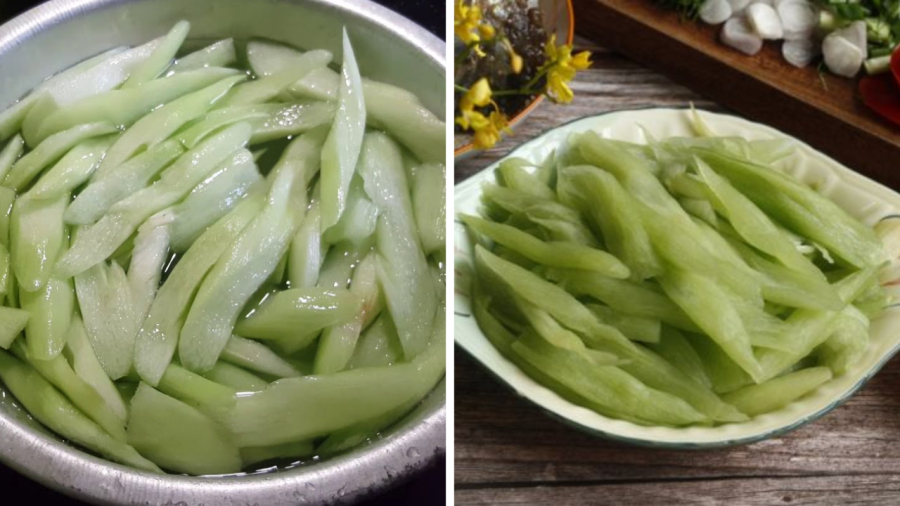
1. Use milk
If your hands feel itchy after touching raw taro stems, pour a small amount of milk onto your palms and massage it gently over the affected areas. After a few minutes, the itching will begin to subside. Rinse your hands with clean water afterward.
2. Apply a warm compress
If the itching is strong, warm a towel and gently press it onto the irritated areas. The heat helps soothe the skin and alleviate discomfort. This method is especially useful if you experienced prolonged contact with taro stems.
3. Use sugar
Place a small amount of sugar on your hands and rub gently until it dissolves. Sugar crystals help neutralize the plant sap and reduce irritation. Rinse thoroughly with water once the itching decreases.
4. Saltwater with ginger
If eating taro stems causes itchiness in your mouth or throat, crush a small piece of fresh ginger and soak it in a cup of diluted saltwater. Use this mixture to gargle several times. It helps wash away irritants while the ginger provides a soothing, warming effect.
5. Drink warm water
If ginger or saltwater is not available, gargling with warm water alone can help. Warm water helps rinse away the itchy compounds and relieves discomfort in the mouth and throat. It’s a simple, quick remedy that works surprisingly well.