Sudden confusion or difficulty speaking: when it’s more than just fatigue
A stroke occurs without warning. It happens “when blood flow to the brain stops, and brain cells in the area begin to die,” as per Healthline.
One of the most important things to do in case of a stroke is to seek medical help as soon as possible. According to the guidelines for the Early Management of Patients With Acute Ischemic Stroke published by the American Heart Association (AHA) and American Stroke Association (ASA) in 2018, people treated with “a blood clot-dissolving drug within 4.5 hours of symptoms have a greater chance of recovering without major disability.”
In order to be able to act quickly in case you or someone else experiences stroke, it is of crucial importance to know the signs that indicate a person has suffered a stoke.
As per the Stroke Association, some of those signs are:
Face Weakness: Check if the person can smile and whether their face and eyes drop.
Arm Weakness: Can the person raise both their arms and keep them in that position?
Speech Problems: Is their speech slurred? Do they speak clearly and understand what you say to them?
Time to call 999: If you notice any of this signs, seek medical help.
This test is known as FAST.
Although there are not warning signs that may indicate a stroke will happen, a 2020 study published in The Journal of Headache and Pain suggests that around 15% of 550 adult participants who had suffered an ischemic stroke experienced sentinel headache before.
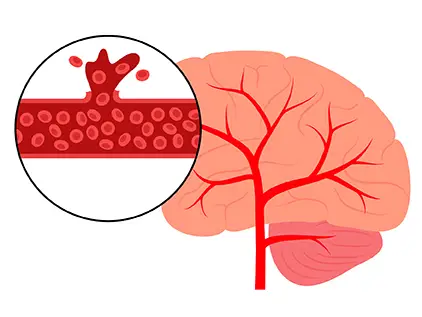
Transient ischemic attack (TIA), often called a “mini-stroke” occurs when blood flow to the brain is temporarily blocked, causing stroke-like symptoms that typically last for a few minutes or hours. TIAs should never be ignored.

As per the research, these headaches started within seven days of a stroke and lasted until the stroke happened.
One-third of individuals who have experienced TIA will suffer a more serious stroke in the future.
Although a TIA can be considered a warning sign for a stroke, the number of people who suffer an acute stroke within 90 days after a TIA has decreased in recent years, as per a recent research published in Jama Network. This may be an indicator that the actions taken after a TIA help in reducing the risks.
Other symptoms that can help determine if a person had a stoke are:
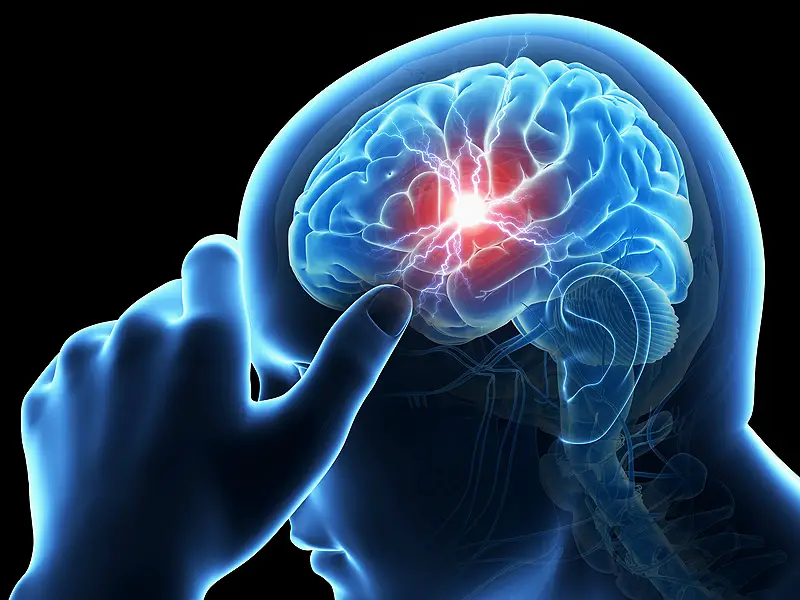
- Numbness or Weakness: Sudden numbness or weakness in the face, arms, or legs, particularly on one side of the body.
- Confusion or Difficulty Speaking: Trouble understanding speech or slurred words.
- Vision Problems: Sudden loss of vision in one or both eyes or blurred vision.
- Difficulty Walking: Dizziness, loss of balance, or uncoordinated movements.

Why Immediate Action Matters
This is a medical emergency, and quick action can save your life. Call emergency services immediately if you or someone near you exhibits any of the symptoms. Fast treatment reduces the risk of long-term damage and increases the likelihood of a full recovery.
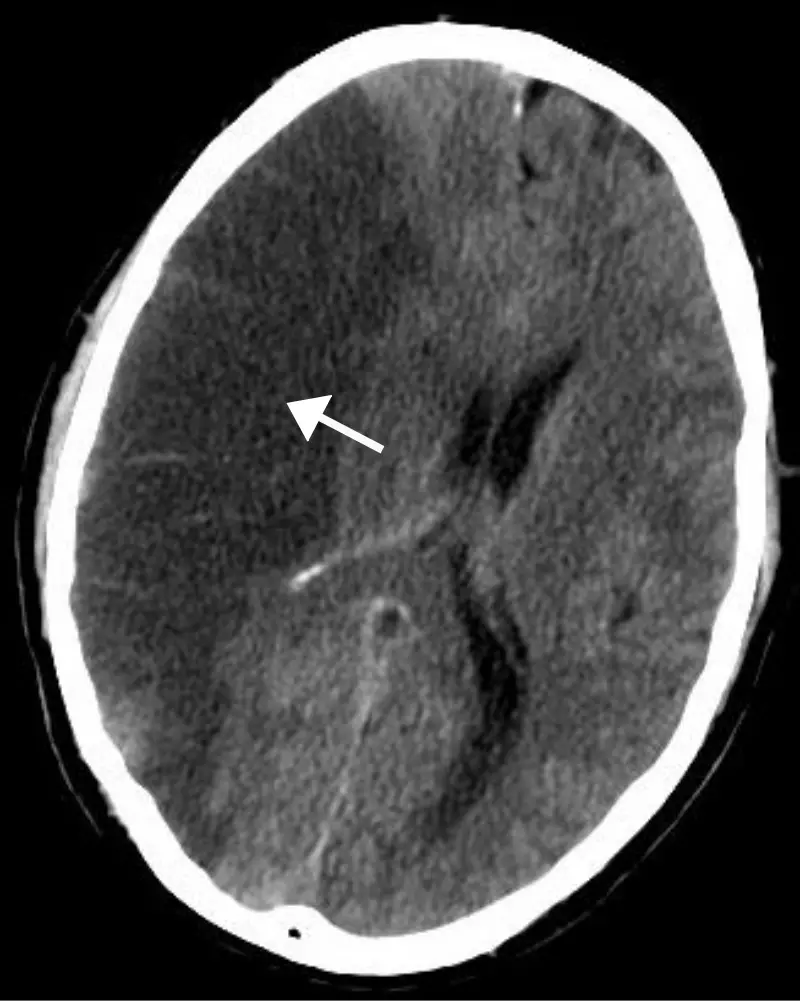
Conclusion
Understanding your risk factors and being prepared ensures you’re ready to handle an emergency.
Please SHARE this article with your friends and family on Facebook!
Bored Daddy
Love and Peace
*Disclaimer: Please fact-check with your doctor before acting on any of the information provided.
*This post is an update to a previous one, as some of the information shared earlier was found to be misleading such as the writing that the body sends signals of a stoke a month before it happens.
News in the same category


Napping During The Day Seriously Affects Brain Aging

Waking at 3 AM every night? 4 hidden causes

Waking at 3 AM every night? 4 hidden causes

The Four Best Times to Drink Coffee for Maximum Health Benefits

7 Tips to Give Your Evening Routine a Refresh

Your Butt May Reveal Your Diabetes Risk

Doctor, 30, died seven months after cancer diagnosis following unusual symptom

After the age of 70, never let anyone do this to you

Support Joint Health Naturally

The Most Dangerous Time to Sleep

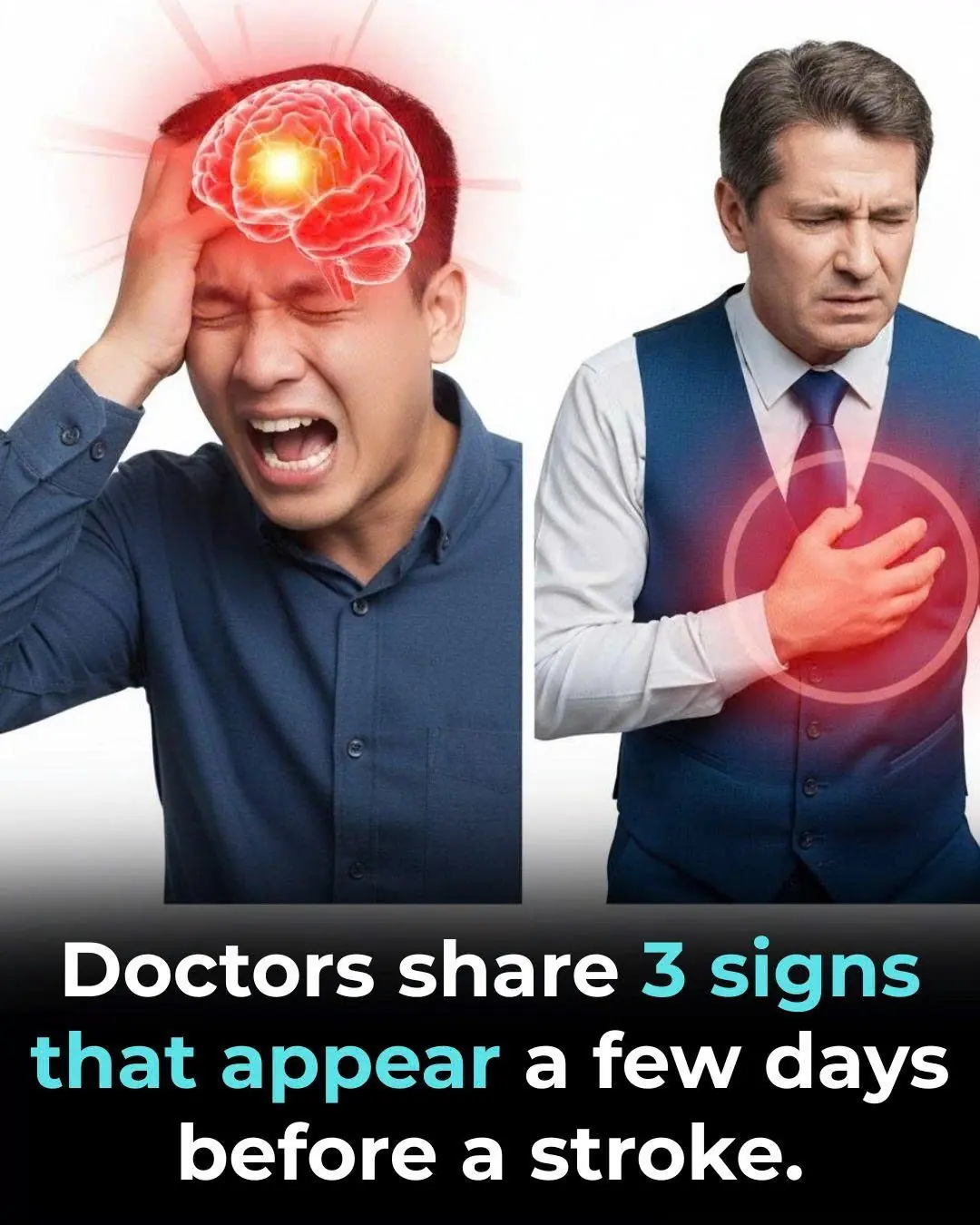
Doctor Shares Three Warning Signs That May Appear Days Before a Stroke

A Couple Diagnosed with Liver Cancer at the Same Time: When Doctors Opened the Refrigerator, They Were Alarmed and Said, “Throw It Away Immediately!”

Expanded Summary of the PISCES Trial

Resveratrol–Copper Combination Shows Promise in Altering Glioblastoma Biology

Early Signs of Kidney Disease & How to Protect Your Kidneys (Evidence Based)

Sore Legs for No Reason: What It Means According to Science

How to Get Rid of Worms in Humans (Including Parasite Cleanse Diet)

14 Tips to Improve Varicose Veins Naturally + The Best Essential Oils for Varicose Veins
News Post

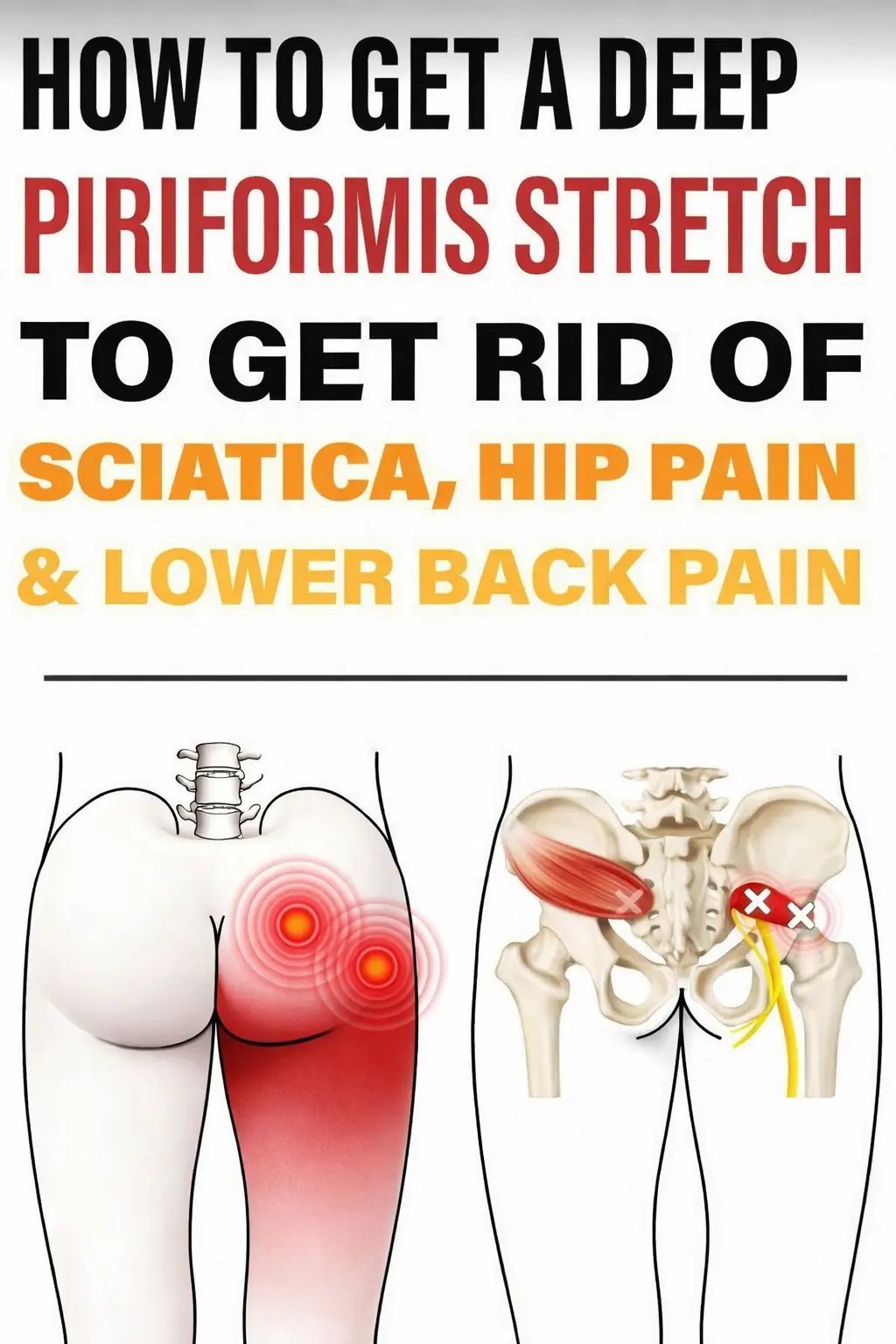
Powerful Piriformis Stretch to Soothe Sciatic, Hip, and Lower Back Pain

Napping During The Day Seriously Affects Brain Aging

It turns out mosquitoes fear "this" the most. Put this on a lemon and leave it in a corner of the house, and the mosquitoes will be gone forever

Waking at 3 AM every night? 4 hidden causes

Waking at 3 AM every night? 4 hidden causes

Six Money-Saving Habits That Can Quietly Increase Cancer Risk

The Four Best Times to Drink Coffee for Maximum Health Benefits

Pouring Hot Water on Apples: A Simple Way to Detect Preservatives

6 seemingly harmless items in the bedroom but can silently damage the pancreas

Place ginger under your pillow before bed and receive 5 amazing benefits.

7 Tips to Give Your Evening Routine a Refresh

4 places in the house where you absolutely should not place a mirror

When thawing pork, don't soak it in water. These two methods are extremely quick and help the meat retain its fresh flavor

Is your pan losing its non-stick coating? Add a few drops of this, and your old pan will be like new again.

Your Butt May Reveal Your Diabetes Risk

Smart people always turn on the bathroom light when staying overnight at a hotel

Fry the fish with these two ingredients, the fish will be crispy and fragrant, not sticking to the pan

5 tips for making crispy, golden-brown spring rolls.