
👠 The Shoes You Choose Reveal What Kind of Woman You Are
Facts 04/04/2026 11:56
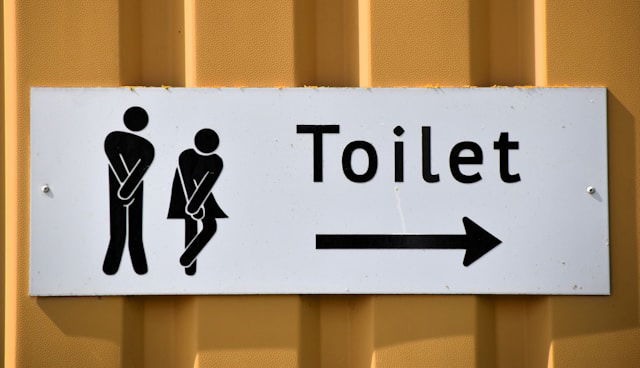
How often you urinate reflects how well your kidneys, bladder, and nervous system are working together. Urine is how your body removes waste and extra fluids. When this system works smoothly, urination feels effortless and regular.
If you urinate too often, it may interrupt sleep, work, or daily life. If you urinate too rarely, toxins may stay in your body longer than they should. Neither extreme is ideal. That is why knowing what is typical for your age helps you understand whether your habits fall within a healthy range.
It is also important to remember that normal does not mean identical for everyone. Two people of the same age may urinate a different number of times per day and still be healthy.
AdvertisementPhoto by
Waldemar Brandt
on
Unsplash
Children tend to urinate more often than adults. Their bladders are smaller, and they process fluids differently as their bodies grow.
Infants can urinate up to 20 times a day. This is completely normal. Babies consume mostly liquid and have very small bladders. Parents often notice frequent wet diapers, especially in the first months of life.
Toddlers and young children usually urinate between 8 and 14 times per day. As they grow, their bladder capacity increases. They also begin to recognize the sensation of needing to urinate and gain more control.
By the time children reach school age, many urinate around 6 to 10 times daily. At this stage, bathroom habits become more consistent. Still, excitement, play, and distractions may delay going to the bathroom, leading to sudden urgency later.
Teenagers often urinate slightly less often than younger children, but more frequently than many adults. Hormonal changes, growth spurts, and varying activity levels all play a role.
Most teenagers urinate about 5 to 8 times per day. Increased fluid intake, especially from sports or warm weather, can increase this number. Caffeinated drinks like soda or energy drinks may also cause teens to urinate more often.
Stress and anxiety, which are common during adolescence, can also affect bladder habits. Some teens may feel the urge to urinate more frequently during stressful situations, even if their bladder is not full.
AdvertisementFor most healthy adults, urinating between 4 and 8 times per day is considered normal. This range includes waking hours and does not usually include nighttime trips to the bathroom.
Adults who drink a lot of water may go to the bathroom more often, and that can still be healthy. People who drink less fluid may urinate less often, as long as urine color remains light yellow and there is no discomfort.
Work schedules, access to bathrooms, and habits also influence how often adults pee. Some people unconsciously train their bladder to hold urine longer, while others go at the first sign of urgency.
Waking up at night to urinate is called nocturia. Occasionally waking once per night can be normal, especially if you drink fluids close to bedtime.
However, regularly waking up two or more times each night to pee may affect sleep quality. While this can happen at any age, it becomes more common as people get older.
AdvertisementNighttime urination can be influenced by fluid intake, alcohol, caffeine, and certain medications. It can also be linked to underlying health conditions, which become more common with age.
As people age, bladder capacity often decreases, and muscles involved in urination may weaken. Because of this, older adults may pee more frequently than younger adults.
Many older adults urinate 6 to 10 times per day. Nighttime urination also becomes more common. Some people over 60 may wake up multiple times at night to urinate.
These changes are often part of normal aging. However, sudden or extreme changes should not be ignored. Difficulty holding urine, pain, or strong urgency may signal a medical issue rather than normal aging.
AdvertisementMen and women may urinate at different frequencies due to anatomy and hormonal factors.
Women often urinate more frequently than men. Pregnancy, childbirth, and menopause can all affect bladder control and sensitivity. Hormonal changes may weaken pelvic floor muscles, increasing urgency.
Men may experience changes in how they urinate as they age, often related to prostate enlargement. This can cause weaker urine flow, difficulty starting urination, or the feeling of needing to urinate again shortly after going.
Despite these differences, healthy men and women often fall within the same general frequency ranges.
AdvertisementAge is not the only factor. Several everyday habits and conditions can change bathroom frequency.
Fluid intake is one of the most obvious factors. Drinking more water leads to more urine production. Drinks containing caffeine or alcohol can increase how often you pee because they act as diuretics.
Diet also matters. Foods with high water content, such as fruits and vegetables, may increase urine output. Spicy or acidic foods may irritate the bladder in some people.
Physical activity, climate, and sweating affect fluid balance. On hot days or during intense exercise, you may urinate less because your body loses water through sweat.
 Photo by
Giorgio Trovato
on
Unsplash
Photo by
Giorgio Trovato
on
Unsplash
Medical Conditions That Influence Urination
Certain health conditions can change how often you urinate.
Urinary tract infections can cause frequent urination, burning, or urgency. Diabetes may lead to increased urination because excess sugar in the blood pulls more water into the urine.
An overactive bladder can cause a sudden, strong urge to urinate, even when the bladder is not full. Kidney problems may also affect urine volume and frequency.
These conditions may occur at any age. Changes in how often you urinate that come with pain, discomfort, or other symptoms should not be ignored.
Some medications affect how often you urinate. Diuretics, often prescribed for blood pressure or heart conditions, increase urine production.
Other medications may irritate the bladder or affect muscle control, leading to changes in urination patterns. If you notice changes after starting a new medication, it is worth discussing with a healthcare provider.
When Frequent Urination Is Normal
Frequent urination is not always a problem. It can be normal during pregnancy, when the growing uterus puts pressure on the bladder.
Increased urination can also occur when you intentionally drink more water for health reasons. In these cases, frequent bathroom trips are expected and healthy.
Temporary stress or anxiety may also make you feel like you need to urinate more often. This usually resolves once stress levels decrease.
When Infrequent Urination Is Normal
Urinating less often can be normal if you drink fewer fluids or lose more water through sweat. As long as urine is not dark and there is no discomfort, infrequent urination may not be a concern.
However, going long periods without urinating regularly should be monitored, especially if accompanied by thirst, fatigue, or swelling.
Certain signs suggest that changes in how often you urinate may need attention. Pain or burning during urination is never normal.
Blood in the urine, strong odors, or cloudy urine can signal infection or other issues. Sudden changes in frequency without changes in fluid intake should also be taken seriously.
Difficulty starting to urinate, weak urine flow, or feeling unable to empty the bladder fully may indicate underlying problems.
Your body often signals when something is off. Paying attention to how often you urinate, how it feels, and whether patterns change over time can help you stay aware of your health.
Tracking habits for a few days can reveal useful patterns. Noticing differences between daytime and nighttime urination can also provide clues.
What matters most is not comparing yourself to others, but understanding what is normal for you.
How often you urinate changes throughout life, and most of these changes are completely normal. From frequent urination in infancy to more structured patterns in adulthood and increased nighttime trips later in life, each stage brings its own norms.
Age, lifestyle, and health all influence urination habits. Occasional changes are expected, especially with diet, stress, or routine shifts.
Understanding what is typical for your age helps you feel more confident and informed. When changes feel sudden, uncomfortable, or disruptive, paying attention and seeking guidance can make all the difference.
Urinating is a simple daily function, but it provides valuable insight into your overall well-being.