Life stories 01/07/2026 12:57
“The Flower Was the Receipt.” My Daughter Gave Her Mother-in-Law a $20,000 Ring and Gave Me a Plastic Flower—By Sunrise, She Was Begging Me Not to Sell the Company That Paid for Her Perfect Life

Part Two: The Ledger of a Mother
People think betrayal arrives in one dramatic moment, but most betrayal is built slowly, by inches, through what we excuse because we love someone. I did not wake up one morning and realize Sloane had become entitled. I taught her, little by little, that I would absorb discomfort so she did not have to. When she complained that student loans would delay her future, I wrote checks. When Preston’s mother implied that a “proper wedding” reflected the bride’s family, I increased the budget. When Sloane said Preston felt emasculated by needing help, I routed contracts through business channels so he could pretend he had earned them cleanly. When she forgot my birthday but remembered to ask whether I could watch the children for a weekend, I told myself young families were busy. When she stopped inviting me to small gatherings but called whenever something broke, I told myself being needed was still a form of being loved. That lie can keep a mother alive for years. It can also bleed her dry.
The total on the yellow pad was $417,860, and that was before I counted indirect help: inflated maintenance contracts awarded to Preston’s company, consulting referrals passed to Sloane for bookkeeping work she barely performed, the office lease discount I arranged for her friend because she asked, the unpaid hours my staff spent untangling financial problems that belonged to her household. I sat there with a calculator in one hand and the plastic flower in front of me, realizing I had built an entire invisible economy around my daughter’s comfort. She had not needed to know the full size of it because my silence served everyone. Preston could call himself a provider. Celeste could claim her son had married well. Sloane could perform gratitude toward the woman whose approval she wanted while depending on the mother she assumed would never leave. My money was not a gift in their world. It had become weather, something expected, constant, and rarely thanked unless it disappeared.
On Monday morning, I wore my navy suit and drove to see Naomi Park, my attorney. Naomi had been with Whitaker Strategic Services for almost eighteen years. She knew every contract, every partnership, every expansion, every panic call I had taken during recessions and lawsuits and Arthur’s final illness. Her office overlooked downtown Charlotte, and when I walked in, she took one look at me and closed the folder she had been reading. “What happened?” she asked. I placed the plastic flower on her conference table. It looked especially pathetic under the clean white lights. Then I placed the yellow legal pad beside it. “I want to sell the company,” I said.
Naomi did not speak for a moment. “Last quarter you wanted to acquire an accounting firm.”
“Last quarter I still believed my family needed me. Now I understand they were using me.”
I told her everything, not because I wanted sympathy, but because I needed a witness before I lost courage. I told her about Celeste’s ring, the trip, the applause, the plastic flower, and the card. I told her about the checks, the contracts, the secret mortgage payments, the way Sloane’s calls always began with small talk and ended with a request. Naomi listened the way good lawyers do, without rushing emotion into strategy. When I finished, she turned the legal pad toward herself and read the total. “If you sell,” she said carefully, “Preston’s company will almost certainly lose the service contracts tied to your properties and clients. Sloane’s referral income will stop. Their mortgage arrangement will need to be unwound. Depending on the buyer, any informal agreements disappear immediately.”
“I know.”
“This will change their lives.”
I looked at the plastic flower. “They changed mine. They just assumed I would never respond.”
Naomi folded her hands. “There are gentler options. We can formalize repayment schedules. We can reduce contracts over twelve months. We can give notice.”
“Gentle is how I taught them consequences were optional.”
She nodded slowly. Then the lawyer in her took over. Selling a privately held firm required discretion. We would need confidentiality agreements, a business valuation, buyer vetting, employee protections, review of outstanding vendor contracts, and careful separation between company obligations and my personal generosity. “If your daughter finds out early,” Naomi warned, “she may interfere, intentionally or emotionally. Family members often treat privately owned businesses like community property when they’ve benefited from them long enough.”
“She already treats me like community property,” I said.
Over the next month, my life became two lives. At the office, I remained Marion Whitaker, founder, strategist, mentor, calm in meetings, precise in negotiations, reassuring to employees who had no idea their future was being examined behind closed doors. At home, I became an archivist of my own motherhood. I reviewed every transfer and wrote notes beside each one. Not for revenge. For clarity. The work hurt, but it also steadied me. Numbers do not soften themselves to protect your feelings. A wire transfer either happened or it did not. A contract either subsidized Preston’s company or it did not. A daughter either called or she did not. Paperwork, at last, told a truth I could no longer afford to ignore.
The first thread I cut was Preston’s. His company, Harrow Outdoor Living, had been maintaining grounds for five commercial properties connected to my clients, at rates twenty percent higher than comparable firms. I called my operations director and requested competitive bids. Within forty-eight hours, Preston called me directly. His voice had that easy charm he used when he wanted something without appearing needy. “Marion, I heard there’s some review happening with the property contracts. Anything I should know?” “We’re evaluating vendors,” I said. “Standard process.” He laughed. “Come on. We’re family.” “That is not a business qualification.” The laugh stopped. “Is this about Mother’s Day?” There it was again, the assumption that my pain was a mood and his money was the real subject. “This is about operations,” I said. “You’ll receive formal communication.” He called Sloane before I had hung up.
She called me seven minutes later. “Mom, why is Preston worried about contracts?” “Because he relies on them.” “That’s not an answer.” “It is the answer.” She sighed, annoyed. “If this is about the gift, I already told you we didn’t know what to get you. You always say you don’t want things.” I closed my eyes. “I did not want things, Sloane. I wanted thought.” “That’s not fair.” “No,” I said. “It wasn’t.” She missed the meaning. She usually did when the truth was inconvenient.
By the time Naomi found a serious buyer, Ashford Lane Partners, a regional advisory group with strong capital and a reputation for retaining staff, Sloane had grown suspicious. She texted more often but only with questions. Why are you reviewing vendors? Are you mad? Did Vivian say something? Can you just talk to me instead of being weird? I did not answer every message. Silence, for once, belonged to me. Ashford Lane signed nondisclosure agreements and began due diligence. Their offer was fair, clean, and respectful of my employees. It also had no room for hidden family support. That was precisely why I accepted.
The preliminary signing was scheduled for a Thursday morning. I was in Naomi’s conference room, pen above the first document, when her assistant stepped in with an expression that made the room tighten. “There’s an issue,” she said. “Ashford Lane received an email from someone claiming to represent Mrs. Whitaker’s family interests.” Naomi’s head snapped up. “What email?” The assistant handed over a printout. I read three lines and felt every bit of warmth leave my body.
The email claimed that my daughter, Sloane Harrow, had “equitable family interest” in Whitaker Strategic Services and that any sale without her consent would be “contested publicly and privately.” It was poorly written, legally absurd, and emotionally unmistakable. Attached was a photograph of a file from my home office. A private file. A file Sloane had no right to see.
I stood. “She went into my house.”
Naomi’s voice turned flat. “Do not call her from here. We are going with you.”
Part Three: The Office She Thought She Owned
I found my daughter sitting at Arthur’s old desk as if inheritance were a chair you could occupy before someone died. She had let herself into my house with the emergency key I had given her years earlier after Arthur’s second surgery. Papers were spread across the blotter: client lists, old transfer records, vendor contracts, and the folder containing my notes on the sale. Her purse sat on top of Arthur’s framed photograph. That small detail nearly undid me. The purse was expensive, pale leather, likely purchased for one of Celeste’s luncheons, resting over the face of the man who had once stayed up all night assembling Sloane’s science fair project because I was trapped at a client emergency. For one second, I saw my little girl at nine years old, spinning in my office chair and pretending to be the boss. Then Sloane looked up with adult fear in her eyes, and the memory collapsed.
“Mom,” she said, standing quickly. “Before you get angry, I can explain.”
Naomi, who had followed me inside with her associate, answered before I could. “You can explain after you step away from confidential documents you accessed without authorization.”
Sloane blinked. “Who are you?”
“My attorney,” I said.
That frightened her more than my anger would have. “Mom, this is family.”
“No,” I said. “This is my home office. Those are company records. And you sent a threatening email to a buyer.”
Sloane’s face reddened. “I was trying to stop you from making a terrible mistake. You were going to sell everything without even telling me.”
“I was selling my company.”
“Your company?” she repeated, wounded and outraged at once. “That company was our life. You built it while I was growing up. I sacrificed for it too. Do you know how many dinners you missed? How many times Dad picked me up because you were working? How many times I sat in your lobby waiting for you to finish one more call?”
The accusation landed because part of it was true. That was why it had worked on me for so long. “Yes,” I said. “I know. And I spent years paying for that guilt. I paid until you confused compensation with entitlement.”
Her eyes filled. “You think this is all about money.”
“No. It became about money because money was the only language you kept using with me.”
Naomi began gathering documents with gloved professionalism, photographing the disturbed files as evidence. Sloane watched, panic rising. “This is ridiculous. Are you going to sue your own daughter?” “I hope I don’t have to,” I said. “But you will return the key. Today.” Her mouth opened as if I had asked for a kidney. “Mom.” “The key.”
She dug into her purse with shaking hands and threw it on the desk. “Fine. Take it. Take everything. That’s what this is, right? Punishment because Vivian got a better gift?” For the first time that day, I laughed. Not loudly. Not happily. But with the exhausted disbelief of someone finally hearing the childishness beneath the cruelty. “A better gift? She received a diamond ring bought with money you claimed you didn’t have when your daughter needed braces.” Sloane flinched. “That’s not fair.” I pulled the yellow legal pad from my bag and placed it on the desk. “No. This is not fair.” She looked down. Her eyes moved over the numbers slowly. Tuition. Wedding. Mortgage. Preston’s payroll emergency. School deposits. Car repairs. Medical bills. Business contracts. Referral income. Month after month, year after year, my invisible hand beneath her life.
The color drained from her face. “You kept score?”
“I kept records. There is a difference.”
“You offered.”
“Yes,” I said. “And you accepted. Then you forgot there was a person behind the offering.”
She sat down hard. “I didn’t know it was that much.”
“You didn’t want to know.”
Her phone rang. Preston’s name lit the screen. She answered on speaker without thinking. “Well?” he demanded. “Did you stop it?” Sloane stared at me. Naomi looked up sharply. “Preston,” I said. Silence. Then his voice, colder. “Marion. You’re making a huge mistake.” “I’m correcting one.” “My crews depend on those contracts. My children depend on that house. Sloane depends on the referral income you’re about to destroy.” “Then you should have built a life that did not require me to fund it invisibly.” His politeness cracked. “You’re jealous of my mother. That’s what this is. You couldn’t stand seeing Celeste appreciated.” I looked at Sloane, whose face had crumpled. “Celeste was appreciated because she required tribute. I was tolerated because I supplied support. I am done confusing the two.”
Preston cursed under his breath. “You bitter old woman.”
Naomi stepped forward. “Mr. Harrow, this is Naomi Park, counsel for Mrs. Whitaker. Any further communication regarding the sale, contracts, or alleged family interest in Whitaker Strategic Services should come through my office. If you or your wife interfere with the transaction again, we will pursue remedies.” Preston hung up.
Sloane covered her face. For a moment, she looked so young that my body ached to comfort her. Motherhood is cruel that way. Even after your child wounds you, your hands remember how to reach. But I had spent too many years soothing pain that should have taught her. “Mom,” she whispered. “Please don’t do this. We can fix it. I’ll apologize to you in front of everyone. I’ll return the ring. I’ll tell Vivian we can’t go to France. I’ll bring the kids every Sunday. Just tell me what you want.” There it was: the bargain. The desperate search for a price that would restart the machine.
“I want you to stop treating love like a subscription you can renew when service is threatened.”
She cried then, truly cried, not the pretty tears she had shed over Celeste’s ring, but frightened, ugly sobs that shook her shoulders. “I love you,” she said. “I do.” I believed her, and that made it harder. Love can be real and still selfish. Love can exist inside entitlement. Love can be too immature to protect the person it claims. “I love you too,” I said. “That is why I am no longer paying you to avoid growing up.”
Naomi and her associate secured the files and left with documentation. I walked Sloane to the front door. She paused on the porch, eyes swollen. “If you close this door, things won’t be the same.” I looked at my daughter—the child I had raised, the woman I had enabled, the stranger I had finally recognized. “No,” I said. “They won’t.” Then I closed the door gently, leaned my forehead against the wood, and cried until my knees gave way. Freedom did not feel victorious that day. It felt like grief with a spine.
Part Four: The Sale and the Silence After
The sale nearly collapsed, but not because Sloane had a claim. She had none. It nearly collapsed because family drama makes buyers nervous, and no serious company wants to purchase a firm surrounded by emotional sabotage. Naomi handled it with surgical calm. The unauthorized email was documented. Sloane signed a statement acknowledging she had no ownership interest. Preston’s contracts were reviewed and terminated according to proper notice provisions. My home security system was changed. The emergency key was gone. The buyer was reassured. Two weeks later, in a conference room filled with white light and the faint smell of new carpet, I signed the final sale documents for Whitaker Strategic Services.
People imagine signing away a company feels like cashing a giant check. It does not. It feels like placing a life in someone else’s hands. That company had been my ambition, my apology, my shield, my proof that I could survive widowhood, motherhood, recessions, and rooms where men spoke over me until my numbers made them quiet. When I signed, I thought of Arthur bringing me sandwiches at midnight. I thought of Sloane sleeping on a blanket under my first desk because childcare fell through. I thought of every employee who had trusted me with their mortgage, their health insurance, their future. Ashford Lane retained my staff. That mattered. They honored the transition plan. That mattered too. But as I carried one cardboard box out of the office—Arthur’s photograph, my brass nameplate, a paperweight Sloane gave me when she was twelve, and the plastic flower in a glass jar—I felt less like a woman becoming rich than a woman leaving a house after a fire.
By noon the next day, Sloane had called thirty-one times. Her voicemails moved from apology to accusation to panic to bargaining. Mom, please call me. Mom, Preston says we may lose the house. Mom, I know I hurt you, but you’re hurting the kids. Mom, I’ll do anything. Mom, Vivian says this is elder manipulation and we need to protect you from bad advisors. That last message made me laugh so sharply I startled myself. Celeste, who had accepted diamonds funded by a system she never questioned, now worried I was being manipulated because the money no longer moved toward her family. I did not return the calls that day. I sat at my kitchen table with the plastic flower between my hands and let the phone ring until silence became something I chose instead of something done to me.
A week later, Preston came to my house without Sloane. I watched him through the doorbell camera, pacing my porch in a fitted blazer, anger barely contained beneath practiced charm. I spoke through the intercom. “This is not a good time.” He looked up sharply. “Marion, open the door. We need to discuss the children.” “The children have education trusts now. Directly funded. You and Sloane cannot access them.” His face changed. “You what?” “Their schooling will be covered. Their parents’ lifestyle will not.” He stepped closer to the camera. “You think money makes you God.” “No, Preston. I used to think money made me necessary. I know better now.” He called me cruel. He called me lonely. He said Arthur would be ashamed of me. That was the only sentence that pierced. For one second, I almost opened the door just to slap him. Instead, I said, “Arthur spent his life telling me I was more than what I gave people. You should leave.” When he refused, I called security from the neighborhood patrol. He left before they arrived.
The consequences unfolded over months. Without inflated contracts, Preston’s company shrank quickly. Without referral income, Sloane had to look for work with a résumé full of soft titles and favors disguised as experience. The Westhaven house went on the market after they realized they could no longer maintain it. Celeste, according to family gossip I did not ask for but received anyway, was furious that France had been postponed indefinitely. The diamond ring was returned quietly, not to me, but to a jeweler who offered far less than they had paid. Preston blamed Sloane. Sloane blamed me for a while. Then, slowly, reality found them the way water finds cracks.
I moved before the house sold. Not because I wanted to disappear, but because the old house had become a museum of being needed. Every room held evidence of roles I no longer wanted to perform. I bought a smaller cottage near Lake Wylie, with pine floors, a screened porch, and a kitchen that did not remember Arthur’s illness. I brought the things that still felt alive: his books, my mother’s quilt, three photographs of Sloane as a child, one painting my granddaughter had made with purple handprints, and the plastic flower. I placed it on the windowsill above my desk, not as punishment, but as testimony. On lonely days, it reminded me not to buy affection with self-erasure. On stronger days, it reminded me that even humiliation can become a door if you stop kneeling in front of it.
For six weeks, Sloane did not call. That silence hurt more honestly than her panic. I learned the shape of my own days. I walked by the lake. I joined a book club where no one knew me as Sloane’s mother or Preston’s benefactor or the widow who still wore her wedding ring on a chain. I met a retired teacher named June who invited me for dinner and asked what I liked to do when nobody needed anything from me. I had no answer at first. That question stayed with me for days. What did I like when usefulness was not required? I discovered small things. Black coffee on the porch before sunrise. Old jazz records. Working in the garden badly. Reading without checking email. Saying no without explaining it until the listener felt comfortable.
Naomi kept me updated only when necessary. Preston filed for business restructuring. Sloane took an administrative job at a local elementary school. The Westhaven house sold below what they hoped but enough to clear the worst of the debt. Celeste stopped hosting Sunday brunch for a while. I did not celebrate any of this. Watching your child meet consequences is not satisfying when you still love her. It is simply necessary. A mother’s heart does not stop aching because she made the right decision.
Then, in October, a letter arrived.
Part Five: The Letter Without an Invoice
Sloane’s handwriting on the envelope was careful, almost formal. I opened it at my desk while rain moved across the lake in silver sheets. Inside were six pages. No demand. No check request. No explanation of why she had been misunderstood. Just words that looked as if they had cost her something.
Dear Mom, the letter began. I have written this letter four times. The first version was angry. The second was full of excuses. The third tried to explain that I felt abandoned by your work when I was young, and maybe that is true, but it is not the whole truth. The truth is that I learned how to use your guilt before I ever learned how to understand your love. I told myself you liked helping because it made you feel important. I told myself you had so much that taking from you did not count. I told myself Vivian needed beauty because she expected it, and you did not need anything because you never asked. I see now how convenient that was.
I stopped reading for a moment because my eyes had filled.
She wrote about the house, about taking a job and realizing how long a workday felt when no one was quietly padding the edges. She wrote about Preston’s anger, their separation, and the way Celeste had blamed her for “losing control of the family money,” a phrase that apparently opened Sloane’s eyes more than anything I had said. She wrote about finding the plastic flower in a box after they moved and being unable to throw it away. I keep it on my kitchen windowsill now, she wrote. Not because I am proud of it. Because I need to remember the day I gave my mother the least of me and expected her to keep giving the most of herself.
At the end, she wrote, I am not asking you to fix anything. I am not asking for money. I am not even asking you to forgive me quickly. I just want you to know I am sorry in a way that has finally become heavier than fear. I love you. I loved you badly. I want to learn how to love you better, even if all you can give me right now is silence.
I read the letter three times. Then I walked to the kitchen, made tea, and cried with the kind of grief that loosens instead of tightens. That night, I wrote back. I did not invite her for Thanksgiving. I did not offer money. I did not promise that everything could be repaired. I wrote, Dear Sloane, thank you for telling me the truth without asking it to rescue you. I love you. I need time. I hope you keep becoming someone who can sit with consequences without turning them into blame.
I mailed it the next morning.
Healing did not happen like a movie. There was no grand reunion where violins rose and the past dissolved. There were letters first. Then short phone calls. Then one coffee in a town halfway between us, where Sloane arrived in a simple sweater, no designer bag, no Preston, no Celeste’s shadow. She looked tired. She looked real. We spoke awkwardly at first, like two people learning a language they should have known by blood. She told me about the school office, about children coming in with lost lunchboxes and stomachaches, about how strange it felt to be useful in a way that did not make her superior. I told her about the lake, the book club, and the tomatoes I had failed to grow. Neither of us mentioned money for nearly an hour. That felt like progress.
When she finally apologized aloud, she did not cry beautifully. She cried into a paper napkin and said, “I treated you like a safety net instead of a mother.” I looked at my daughter, and for the first time in years, I saw not the woman who had humiliated me at Celeste’s table, but the child who had once written that I was tired but magic. “I let you,” I said. “That was my part. I thought if I stopped catching you, I would lose you.” She reached across the table but stopped short, asking permission without words. I took her hand. It was not forgiveness in full. It was a beginning.
Preston and Sloane divorced the following year. I will not pretend I was sad about that. Some marriages are less a partnership than a stage where two people perform versions of themselves for an audience. Without my money and Celeste’s approval holding up the scenery, there was not enough tenderness beneath it. Sloane moved into a modest townhouse with her children and a secondhand dining table she sanded and painted herself. The first time I visited, she cooked soup that was too salty and apologized three times until I told her imperfect soup offered with love was better than champagne served with contempt. My grandchildren showed me their rooms. My granddaughter, Lily, had taped a drawing above her bed: Grandma Marion’s lake house. In the picture, I stood beside a blue square of water holding a purple flower. Not plastic. Real. Children notice more than adults think.
Celeste never apologized. Preston never did either. That used to matter to me, the idea that every person who hurt you should one day understand the wound clearly. Now I know some people are committed to misunderstanding because truth would cost them their favorite version of themselves. I stopped waiting. That was freedom too.
Two years after the Mother’s Day brunch, Sloane invited me to her small apartment for dinner. It was not a holiday. There was no audience. No patio. No velvet box. When I arrived, she hugged me at the door and held on just long enough to make us both cry. On the table was a vase of flowers from the grocery store—yellow tulips, slightly uneven, their leaves bending in different directions. Beside my plate was an envelope. Inside was a handwritten card. No printed message. No price sticker residue. Just Sloane’s careful handwriting: Mom, thank you for everything I understood too late, and for loving me enough to stop paying for the parts of me that needed to grow up.
I did not need diamonds. I never had. I needed to be seen.
After dinner, Lily asked about the plastic flower because children love artifacts, especially ones adults handle with mysterious care. Sloane looked at me, and I nodded. So she told the truth, gently, without making herself the hero. She said, “I gave Grandma a careless gift once because I was careless with her heart. She kept it, and it helped me remember to do better.” Lily frowned with the moral seriousness of a ten-year-old. “That was mean.” Sloane nodded. “Yes. It was.” My grandson, Theo, asked, “But Grandma still came to dinner?” I smiled. “Grandma believes people can grow. But Grandma also locks her doors now.” The children laughed, but Sloane understood.
Later that night, back at the lake house, I placed Sloane’s new card beside the plastic flower on my desk. The flower was still ugly. Bent stem, cheap petals, fake shine. But it no longer hurt the same way. It had become part of the story, not the ending. Some receipts prove what you lost. Others prove what you finally stopped buying.
I was seventy years old when I realized my tomorrow belonged to me. Not to my daughter’s emergencies. Not to her husband’s failures. Not to another woman’s appetite for admiration. Not even to the guilt I had mistaken for love. I had sold the company, yes. I had cut the money, changed the locks, and let consequences arrive. But I had not lost my daughter. I had lost the arrangement that stood between us pretending to be love. What remained was smaller, poorer in some ways, less polished, less certain, but real enough to begin again.
And that, I have learned, is the only inheritance worth leaving.
Final Lesson
A mother’s love should never become a bank account that everyone withdraws from but no one honors. Sacrifice can be beautiful when it is seen, respected, and freely given, but it becomes dangerous when it is expected, exploited, and used to keep someone silent. People may call you selfish when you finally set a boundary, especially if they benefited from you having none. Let them. A boundary is not the end of love; sometimes it is the first honest shape love has ever taken. You can help your children without funding their entitlement. You can forgive without returning to the same arrangement that broke you. And sometimes the smallest, cheapest gift is not an insult to be buried, but a receipt from life itself, showing you exactly where you must stop paying for love and start requiring respect.
Tags:
News in the same category

My Parents Sued Me For My $3 Million Lake Estate Because They Said I Owed My Sister Everything
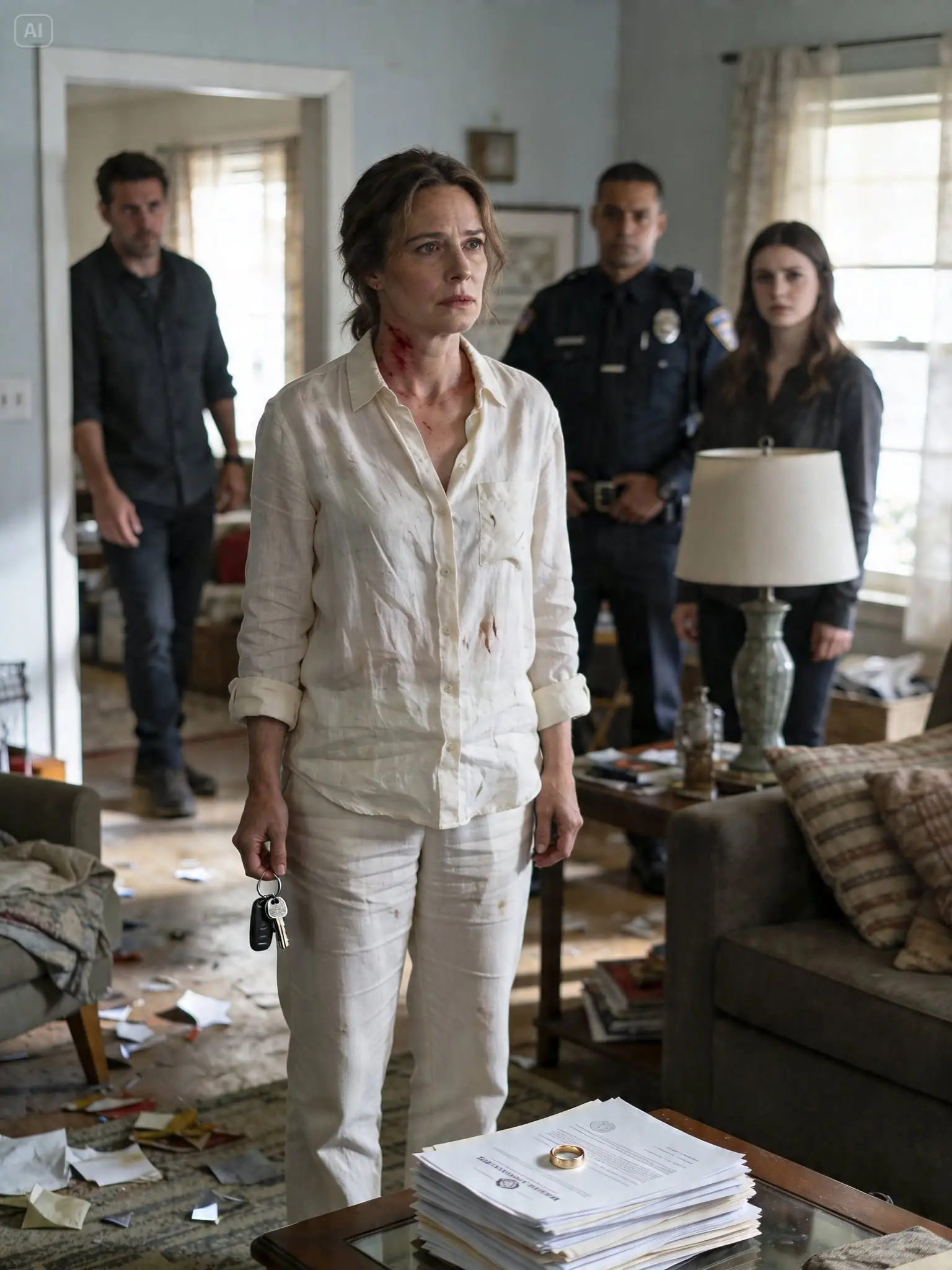
During breakfast, my husband threw boiling hot coffee in my face.

After my car crash, I woke up in a hospital bed and my parents flatly refused to hold my six-week-old baby girl,

“This Belongs to You.” I Returned My Husband’s Lover Her Red Lingerie at Her Family Party—But the Real Gift Was the Evidence That Destroyed Their Lies
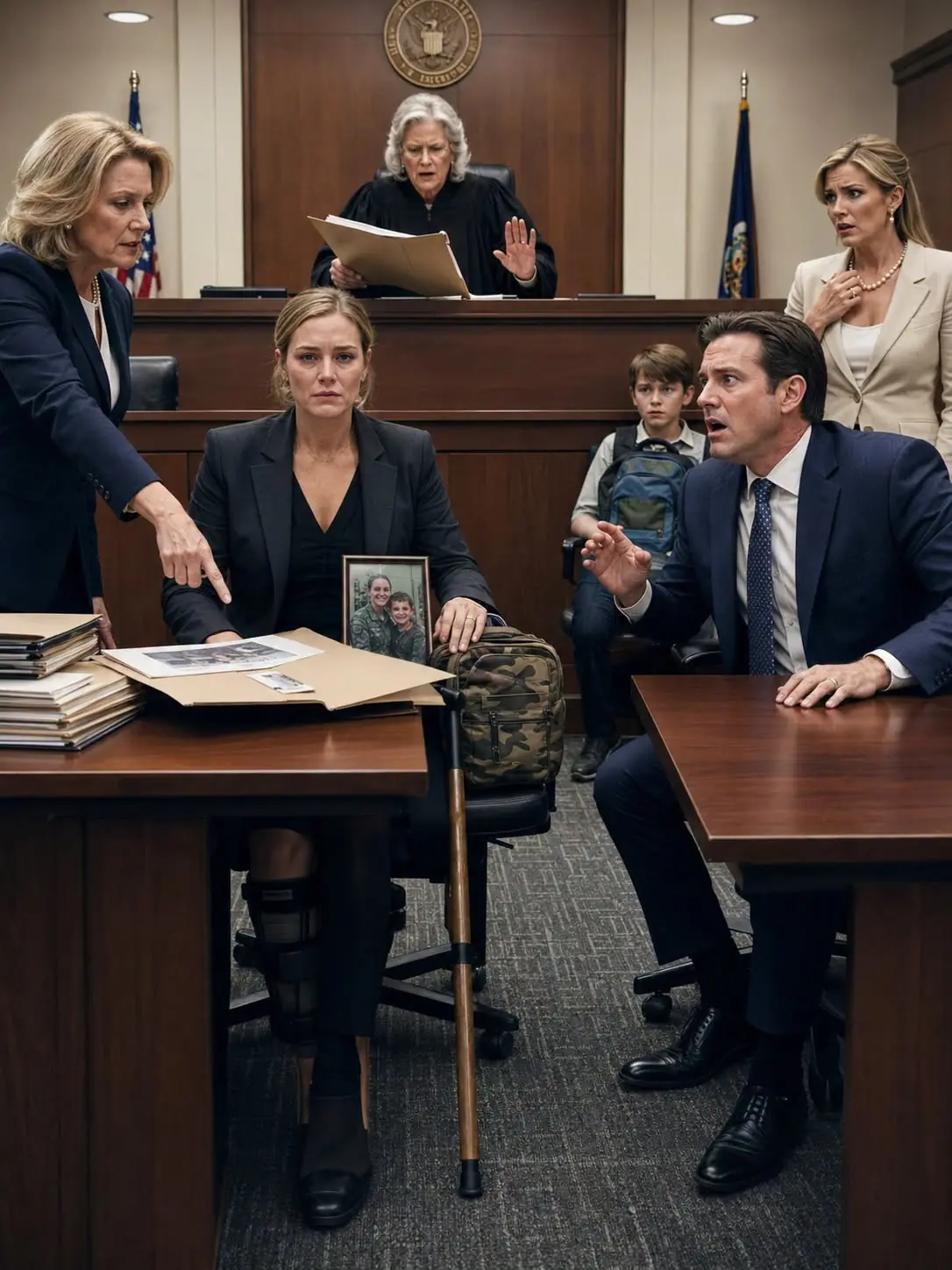
He Abandoned Me and Our Baby While I Learned to Walk Again—Then He Took Me to Court
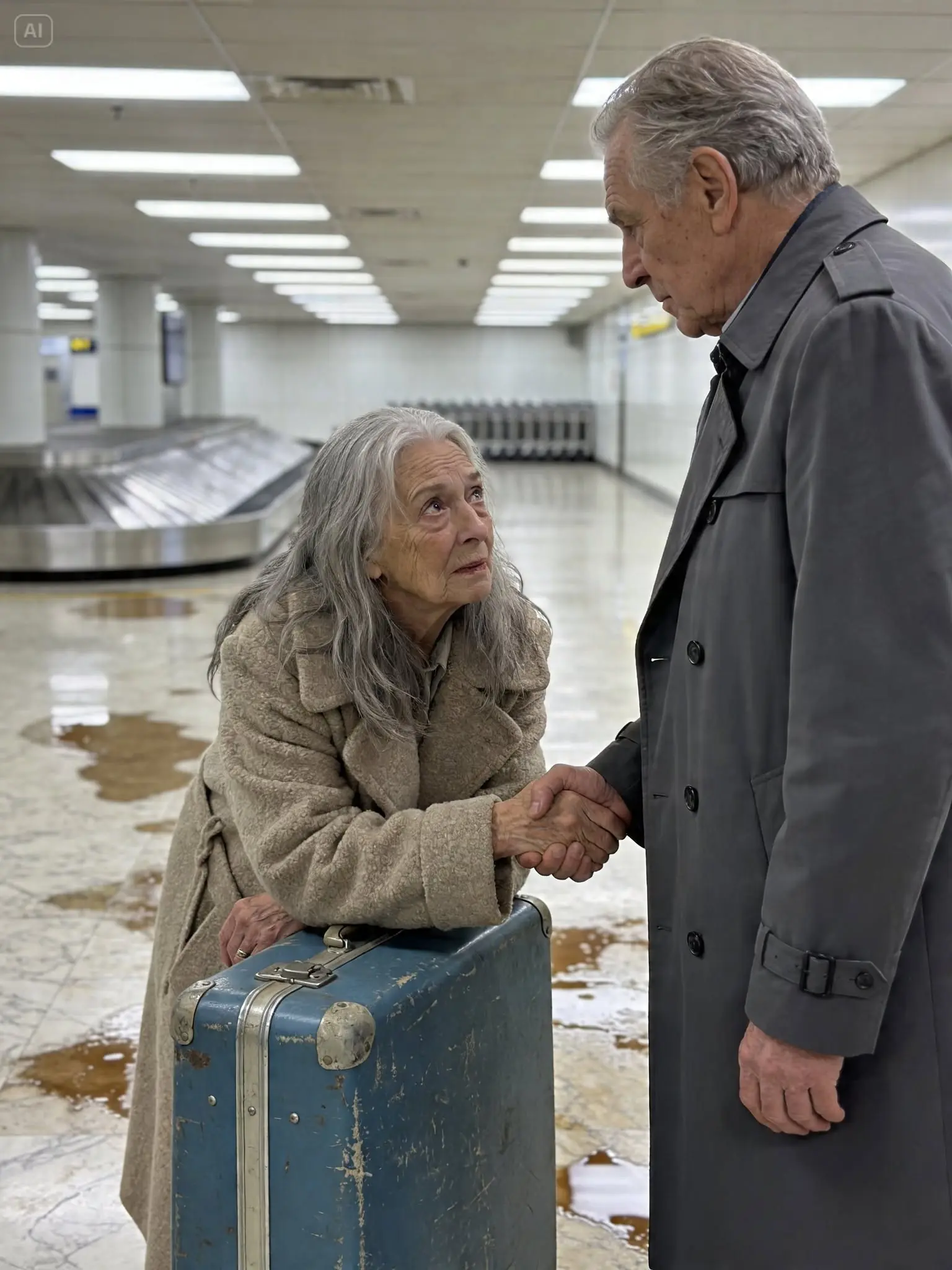
I had just come out of a risky surgery, my body weak and fear still clinging to my skin. I wrote in the family group chat that my flight was landing at one and asked if someone could pick me up.

https://beauty.thebustednews.com/p/the-one-who-gives-us-a-son-stays-my-mother-in-law-said-the-woman-who-gave-my-husband-a-son-could-stayseven-months-later-their-perfect-family-lie-collapsed-35593

“The One Who Gives Us a Son Stays.” My Mother-in-Law Said the Woman Who Gave My Husband a Son Could Stay—Seven Months Later, Their Perfect Family Lie Collapsed
My Stepmother Sold Me to a Homeless Stranger for $200, Not Knowing He Was the Billionaire Who Would Expose Her Whole Lie

A farmer noticed that every day one of his chickens disappeared without a trace

ABANDONED BY THEIR CHILDREN, THEY DISCOVER A MOUNTAIN PASSAGE… AND WHAT WAS INSIDE…
“Get out of my house.” My father said it in front of everyone—while the turkey, the wine, and the mortgage were all paid with my money. – News

it desperately tried to stop the man from approaching the enclosure
“Happy Anniversary… You’re Finally Free.” My Mother-in-Law Handed Me Divorce Papers in Front of Hundreds—But by Sunrise, Her Family Was Begging Me for Mercy
My Brother Drained $7,650 From My Card Before Sunrise, Then One Quiet Move Made His Whole Life Collapse at 7:35 A.M.
On Christmas Eve, My Son Texted: ‘It’s a Small Family Thing, Mom — See You in January…

She walked in with champagne for his promotion and walked out with the truth that saved her life
News Post

During a Young Woman’s Cremation, Her Husband Suddenly Stopped the Ceremony—Minutes Later, Everyone Was Horrified to Learn Why
Life stories 01/07/2026 13:58
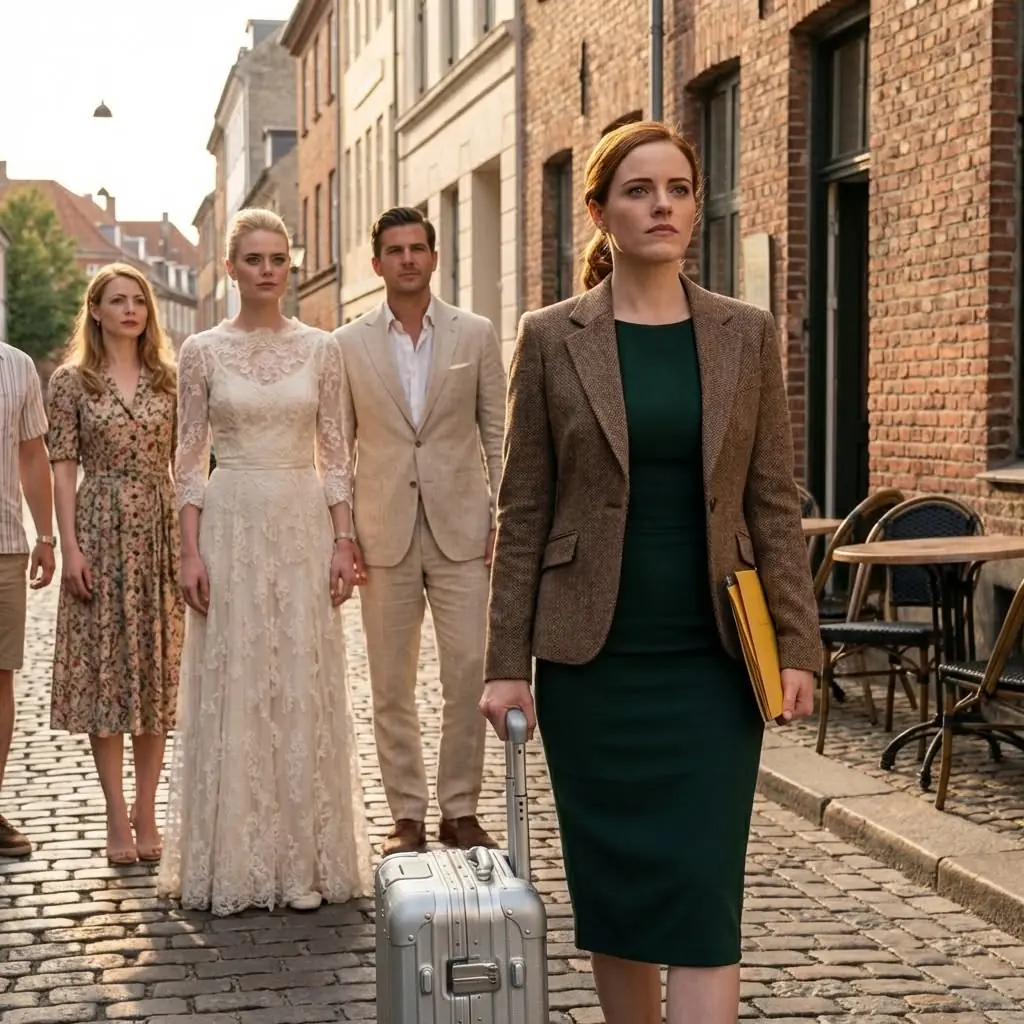
My husband’s sister snapped, “You don’t belong on this trip.
Life stories 01/07/2026 12:58
My Parents Sued Me For My $3 Million Lake Estate Because They Said I Owed My Sister Everything
Life stories 01/07/2026 12:56
During breakfast, my husband threw boiling hot coffee in my face.
Life stories 01/07/2026 12:50
After my car crash, I woke up in a hospital bed and my parents flatly refused to hold my six-week-old baby girl,
Life stories 01/07/2026 12:50
“This Belongs to You.” I Returned My Husband’s Lover Her Red Lingerie at Her Family Party—But the Real Gift Was the Evidence That Destroyed Their Lies
Life stories 01/07/2026 12:47
He Abandoned Me and Our Baby While I Learned to Walk Again—Then He Took Me to Court
Life stories 01/07/2026 12:46
I had just come out of a risky surgery, my body weak and fear still clinging to my skin. I wrote in the family group chat that my flight was landing at one and asked if someone could pick me up.
Life stories 01/07/2026 12:40
If You Ever Spot This Insect, Get Rid of It Immediately! The Truth About the Spotted Lanternfly
Facts 01/07/2026 12:39
https://beauty.thebustednews.com/p/the-one-who-gives-us-a-son-stays-my-mother-in-law-said-the-woman-who-gave-my-husband-a-son-could-stayseven-months-later-their-perfect-family-lie-collapsed-35593
Life stories 01/07/2026 12:38
“The One Who Gives Us a Son Stays.” My Mother-in-Law Said the Woman Who Gave My Husband a Son Could Stay—Seven Months Later, Their Perfect Family Lie Collapsed
Life stories 01/07/2026 12:37
My Stepmother Sold Me to a Homeless Stranger for $200, Not Knowing He Was the Billionaire Who Would Expose Her Whole Lie
Life stories 01/07/2026 12:36
A farmer noticed that every day one of his chickens disappeared without a trace
Life stories 01/07/2026 12:36
ABANDONED BY THEIR CHILDREN, THEY DISCOVER A MOUNTAIN PASSAGE… AND WHAT WAS INSIDE…
Life stories 01/07/2026 12:32
“Get out of my house.” My father said it in front of everyone—while the turkey, the wine, and the mortgage were all paid with my money. – News
Life stories 01/07/2026 12:28
it desperately tried to stop the man from approaching the enclosure
Life stories 01/07/2026 12:28
“Happy Anniversary… You’re Finally Free.” My Mother-in-Law Handed Me Divorce Papers in Front of Hundreds—But by Sunrise, Her Family Was Begging Me for Mercy
Life stories 01/07/2026 12:27
My Brother Drained $7,650 From My Card Before Sunrise, Then One Quiet Move Made His Whole Life Collapse at 7:35 A.M.
Life stories 01/07/2026 12:26

If You’re Alone and Think You’re Having a Heart Attack, Here’s What You Should Do Immediately
Health 01/07/2026 10:33