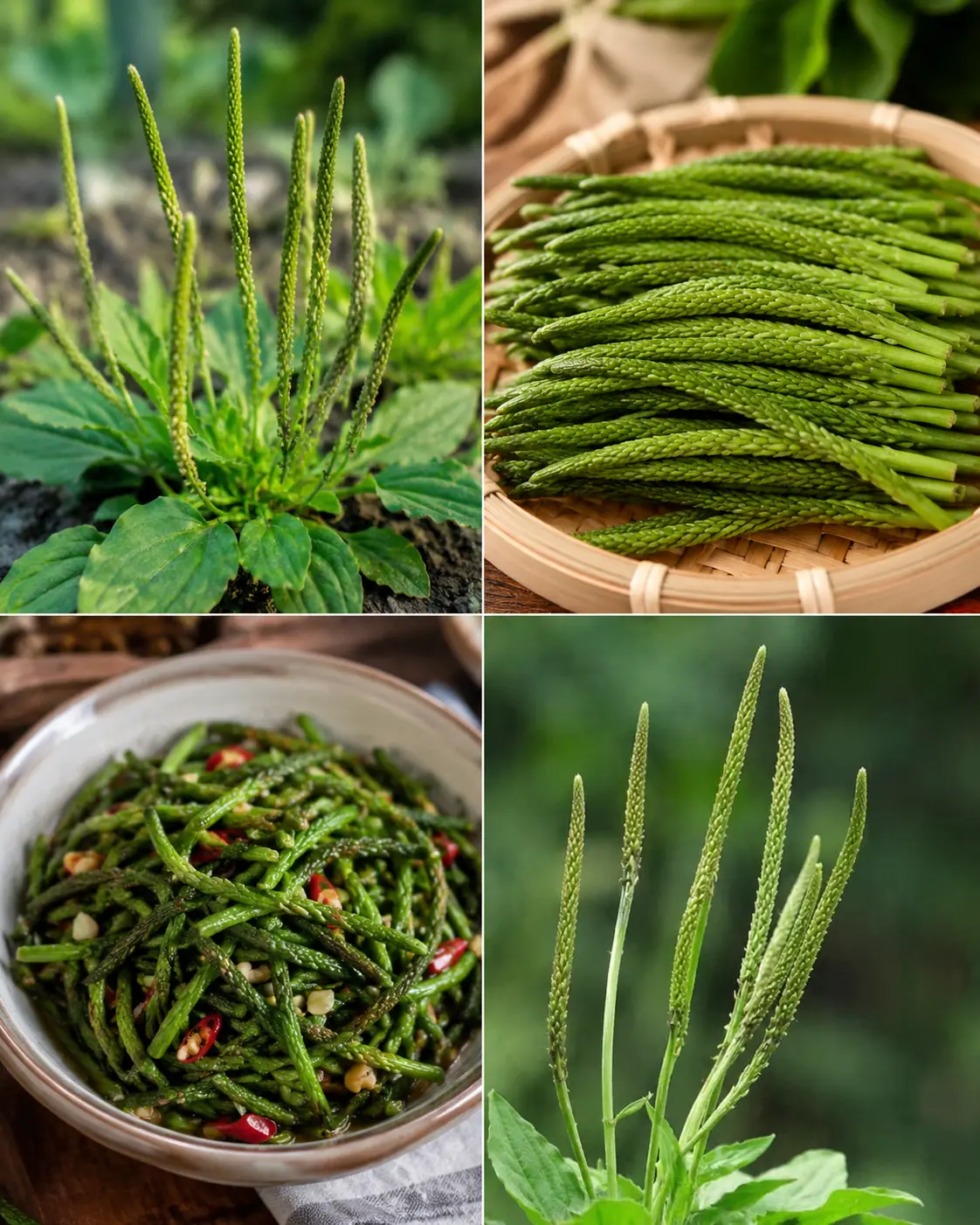
Male papaya flowers are one of the least-known but most powerful parts of the papaya plant. While people often focus on the fruit or leaves, the flowers contain unique compounds — flavonoids, tannins, saponins, and antioxidants — that make them incredibly valuable for daily health.
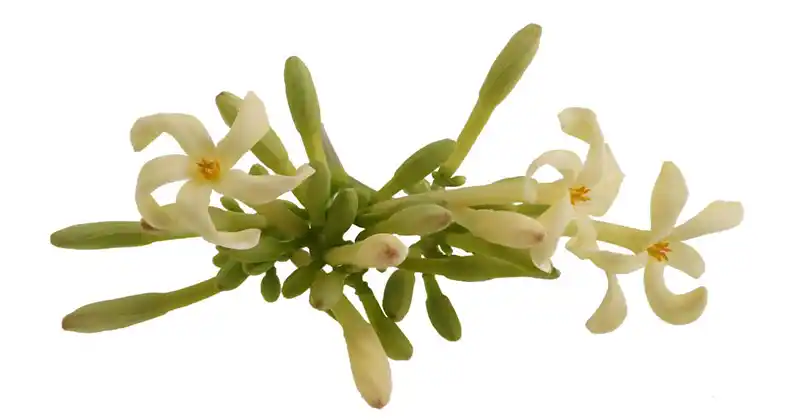
Their main strength, based on long-standing traditional use, is blood sugar control. Their secondary major benefit is supporting heart and blood vessel health.
Other benefits, including digestion and inflammation control, appear as supportive effects around these two core powers.
Below is the complete guide, arranged in the exact order of importance.
1. Blood Sugar Control (Main Power)
Male papaya flowers have a natural bitterness that stimulates metabolic processes and helps regulate glucose levels.
They are especially valued in Indonesia, where they are commonly eaten by people trying to maintain stable blood sugar.
Why it works
- Flavonoids improve insulin sensitivity
- Tannins and saponins slow down sugar absorption
- Bitter compounds activate digestive enzymes and improve sugar breakdown
- Antioxidants protect pancreatic cells
Altogether, these effects help keep blood sugar from spiking after meals.
How to Use Male Papaya Flowers for Blood Sugar
- Boiled Method (Traditional):
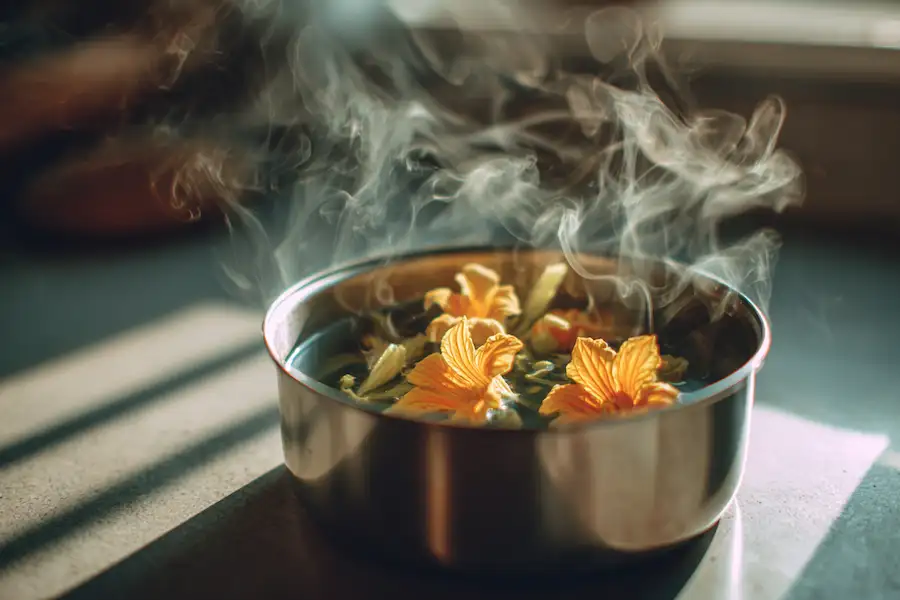
- Boil a handful of male flowers in lightly salted water for 3–5 minutes.
- Drain, rinse, and eat as a side dish.
- Stir-Fry Method:
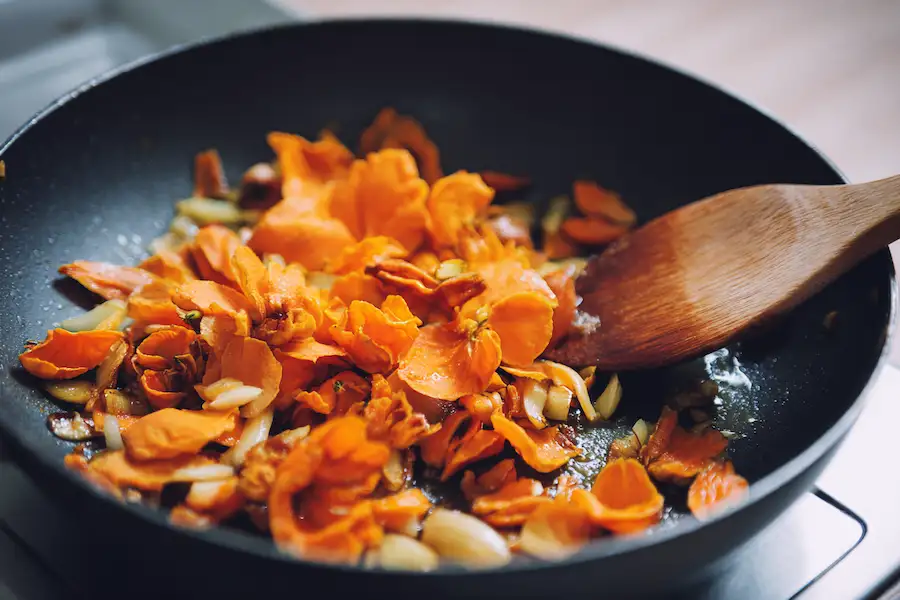
- Sauté the flowers with garlic, onions, or chili to reduce bitterness.
- Tea Method:
- Steep 1 tablespoon of dried male flowers in hot water for 10 minutes.
- Drink warm once a day.
Note: Fresh flowers are stronger than dried ones.
2. Heart & Blood Vessel Support (Highly Connected to #1)
This is the second most important benefit and closely linked to blood sugar control, since stable glucose is essential for preventing long-term cardiovascular damage.
Male papaya flowers support:
- Better circulation
- Lower bad cholesterol (LDL)
- Healthier blood vessels due to reduced inflammation
- Lower triglyceride levels
How They Support Heart Health
- The bitterness stimulates bile flow, helping break down fats.
- Antioxidants prevent plaque formation in the arteries.
- Natural plant compounds support blood vessel elasticity.
How to Use Them for Heart & Blood Vessel Health
- Flower + Turmeric Mix:
- Boil male papaya flowers with a small slice of turmeric.
- Drink the water or eat the flowers.
- This combination is popular for heart and circulation.
- Stir-Fry with Olive Oil:
- A small amount of olive oil helps absorption of fat-soluble antioxidants.
- Daily Bitter Side Dish:
- Eat a small portion (2–3 tablespoons cooked) with meals to help break down fats.
3. Anti-Inflammatory and Antioxidant Support
While not the main benefit, these effects strengthen everything else — heart, metabolism, liver, digestion, and immunity.
What it does
- Reduces oxidative stress
- Helps protect the liver indirectly
- Supports recovery from internal inflammation
- Slows down cellular aging
Ways to Use for Inflammation
- Flower Tea: Combine male papaya flowers with ginger or lemongrass.
- Broth: Add flowers to soups like a bitter herb.
- Salad (Steamed): Steam the flowers and mix with lemon juice.
4. Digestive Support
Male papaya flowers aid digestion because their bitterness activates digestive enzymes and bile production.
Benefits
- Reduces bloating
- Improves fat digestion
- Stimulates the appetite for people who need it
- Helps maintain regular bowel movements
Ways to Use for Digestion
- Bitter Appetizer: Eat 1–2 tablespoons of boiled flowers before a meal.
- Flower Soup: Add to clear soups to stimulate digestive activity.
- With Apple Cider Vinegar: Mix steamed flowers with a teaspoon of vinegar to activate digestion even more.
5. Other Benefits (Short List)
These are not the main powers but still appear in traditional use:
A. Immunity Support
The antioxidants may help the body fight infections.
B. Men’s Vitality Support
Some cultures use the flowers to support stamina and hormonal balance.
C. Antimicrobial Properties
Traditional use includes applying or consuming bitter herbs to help fight bacteria.
D. General Detox Support
Not a “liver cleanse,” but the bitterness and antioxidants help support natural detox pathways.
Ways to Use (General)
- Add flowers to omelets
- Mix with chili sauce to reduce bitterness
- Combine with papaya leaves for stronger effects (only for people used to bitter herbs)
Disclaimer
This information is for educational purposes only and is not medical advice.
Male papaya flowers are powerful, but they should not replace medical treatment, medication, or professional care.
People with serious medical conditions, pregnant women, or those taking medication (especially for diabetes or the heart) should consult a healthcare professional before consuming strong bitter herbs.