Could This Be an Early Warning Sign of a Stroke? What You Need to Know
A stroke is a medical emergency that occurs when blood flow to part of the brain is interrupted or when a blood vessel in the brain
ruptures. Every minute during a stroke, millions of brain cells can be damaged, making rapid recognition and treatment critical.
What many people don't realize is that, in some cases, the body may provide an early warning before a major stroke occurs. One of the
most important warning signs is a transient ischemic attack (TIA), often called a "mini-stroke."
Although the symptoms of a TIA usually disappear within minutes or hours, they should never be ignored. A TIA is a medical
emergency because it can be a warning that a full stroke may occur in the days, weeks, or months ahead. Recognizing the signs and
seeking immediate medical care may help reduce the risk of a future stroke.
Here's what you need to know.

What Is a Transient Ischemic Attack (TIA)?
A transient ischemic attack occurs when blood flow to part of the brain is temporarily blocked.
Unlike a major stroke, the blockage resolves before permanent brain damage occurs, so symptoms usually disappear completely within 24 hours often much sooner. However, a TIA is not harmless.
It is often a sign that the blood vessels supplying the brain are affected by an underlying problem, such as narrowing from plaque buildup or a blood clot.
Studies have shown that people who experience a TIA have a significantly increased risk of having a stroke, particularly within the first few days after the event.
Common Warning Signs of a TIA or Stroke
The symptoms of a TIA are nearly identical to those of a stroke.
They may include:
Sudden weakness or numbness
Especially affecting:
One side of the face One arm One leg A person may suddenly have difficulty lifting one arm or notice facial drooping. Difficulty speaking Speech may become: Slurred Confused Difficult to understand Some people suddenly cannot find the right words or have trouble understanding others. Sudden vision changes Vision problems may include: Blurred vision Double vision Loss of vision in one eye Loss of part of the visual field
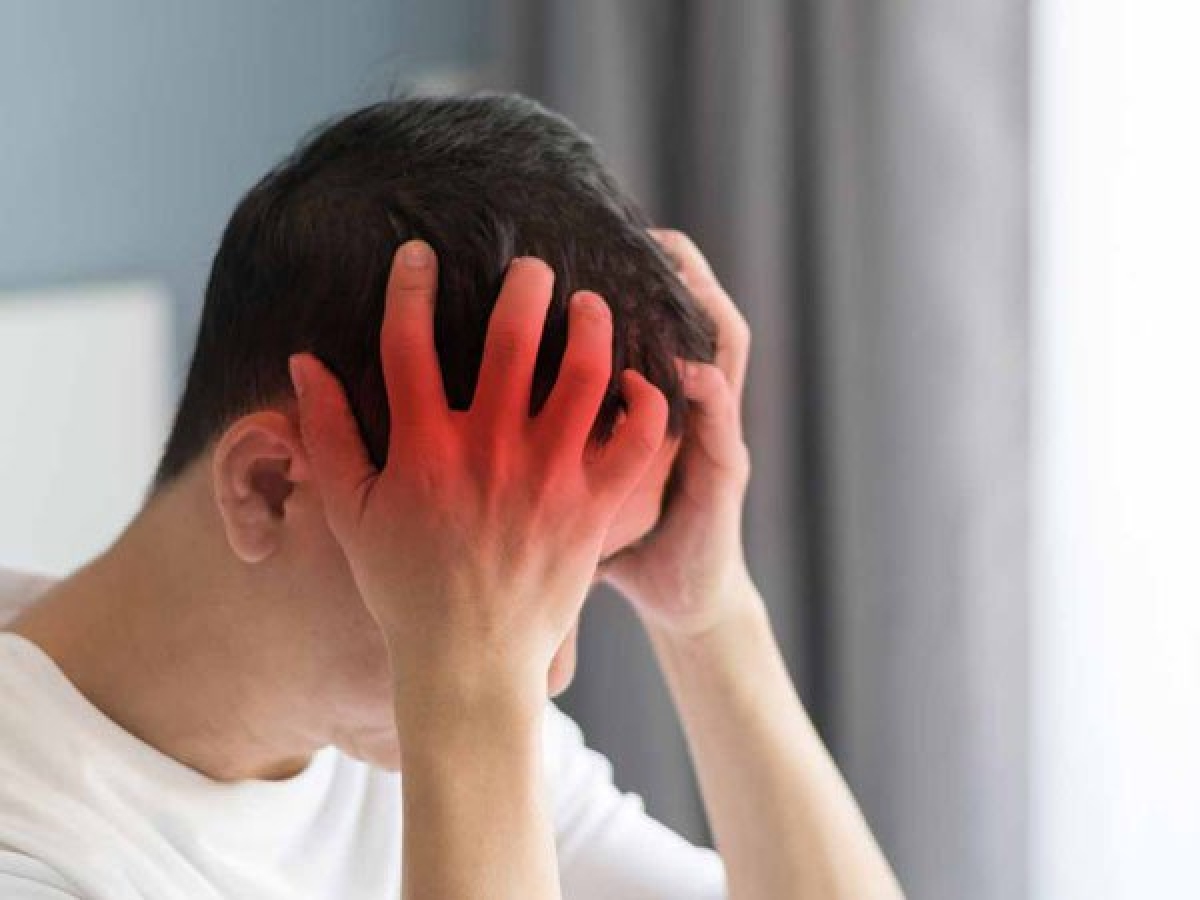
These symptoms may last only a few minutes but still require emergency evaluation. Loss of balance or coordination A TIA may cause sudden: Dizziness Difficulty walking Poor coordination Loss of balance These symptoms can increase the risk of fals. Sudden severe headache Although more common with bleeding strokes, a sudden, severe headache-especially when accompanied by other neurological symptoms should never be ignored.
Remember the FAST Warning Signs
Health organizations often recommend the FAST acronym to recognize a possible stroke quickly.
F - Face: Does one side of the face droop?
A - Arms: Is one arm weak or difficult to raise?
S - Speech: Is speech slurred or difficult to understand?
T - Time: Time is critical. Call emergency medical services immediately.
Even if symptoms disappear after a few minutes, seek emergency medical care right away.
Why Immediate Medical Attention Matters
Many people mistakenly believe that because TIA symptoms disappear, the danger has passed.
Unfortunately, that's not true. A TIA provides doctors with an opportunity to identify the underlying cause and begin treatments that may reduce the risk of a future stroke. Depending on the cause, treatment may include:
Blood-thinning or antiplatelet medications
Blood pressure management
Cholesterol-lowering medications
Blood sugar control
Lifestyle changes
Procedures to improve blood flow in certain cases
Early intervention can significantly improve long-term outcomes.
Who Is at Higher Risk?
Several factors increase the likelihood of both TIA and stroke.
Some cannot be changed, including:
Older age
Family history
Previous stroke or TIA
Others can often be managed through healthy lifestyle choices and medical care.
These include:
High blood pressure
Diabetes
High cholesterol
Smoking
Obesity
Physical inactivity
Excessive alcohol consumption
Atrial fibrillation and other heart conditions
Managing these conditions is one of the most effective ways to reduce stroke risk.
Healthy Habits That Support Stroke Prevention
While no strategy can completely eliminate the risk of stroke, healthy daily habits can make a meaningful difference.
Control Blood Pressure
High blood pressure is one of the strongest risk factors for stroke.
Regular monitoring and following your treatment plan are essential.
Stay Physically Active
Aim for at least:
150 minutes of moderate-intensity exercise each week
Walking, swimming, cycling, and dancing are all excellent options.
Eat a Heart-Healthy Diet
Choose foods such as:
Fruits
Vegetables
Whole grains
Beans
Fish
Lean proteins
Healthy fats like olive oil and nuts
Limit excessive sodium, added sugars, and highly processed foods.
Ayoid Smoking
Smoking damages blood vessels and increases the risk of blood clots.
Quitting smoking provides benefits at any age.
Manage Diabetes
Good blood sugar control helps protect blood vessels throughout the body, including those supplying the brain.
Maintain a Healthy Weight
A healthy weight supports better blood pressure, blood sugar, and cholesterol levels.
Get Enough Sleep
Poor sleep quality has been associated with an increased risk of cardiovascular disease, including stroke.
Aim for seven to nine hours of quality sleep each night.
When Should You Call Emergency Services?
Call emergency medical services immediately if you or someone else experiences sudden:
Facial drooping
Arm weakness
Difficulty speaking
Vision loss
Contact
Loss of balance
Confusion
Severe headache with neurological symptoms
Do not drive yourself to the hospital if emergency medical services are available. Prompt evaluation can be lifesaving, and emergency responders can begin care on the way to the hospital.
Even if symptoms resolve within minutes, emergency evaluation is still necessary because a TIA requires urgent medical assessment.
Can a Stroke Be Prevented?
Not every stroke can be prevented, but many are linked to modifiable risk factors.
Experts estimate that controlling blood pressure, avoiding tobacco, staying physically
active, maintaining a healthy diet, managing diabetes, treating high cholesterol, and addressing heart rhythm disorders can substantially reduce stroke risk.
Routine medical checkups also play an important role by identifying silent risk factors before symptoms develop.
The Bottom Line
A transient ischemic attack, or "mini-stroke," is one of the most important warning signs that a future stroke may occur. Although its symptoms often disappear quickly, a TIA should always be treated as a medical emergency because it signals an increased risk of a major stroke.
Recognizing the warning signs-such as sudden weakness, facial drooping, speech difficulties, vision changes, or loss of balance-and seeking immediate medical attention can make a critical difference. Fast evaluation allows healthcare professionals to identify the cause, begin appropriate treatment, and reduce the risk of future strokes.
Your brain depends on a constant supply of blood and oxygen. Never ignore sudden neurological symptoms, even if they seem to go away. Acting quickly could help protect your health and, in some cases, save your life.