You must know these 5 things
Health 08/12/2025 10:11
Random or unexplained bruises on the legs—and other parts of the body—can be alarming, especially when they appear without any noticeable injury. Bruises can cause unsightly discoloration and may be accompanied by mild pain or tenderness. Many people find themselves bruising more easily than others, where even a seemingly insignificant bump can result in dark blue or purplish marks on the skin.
Unexplained bruising can occur for a wide variety of reasons. Factors such as prolonged sun exposure, aging, or vitamin deficiencies can weaken the small blood vessels near the skin’s surface, making them more prone to breaking. In some cases, bruising without any remembered injury may be a sign of an underlying medical condition, such as diabetes, autoimmune disease, or a blood-clotting disorder.
This article explains the common causes of random bruises on the legs and other body parts, what bruising indicates, and when you should seek medical attention. It also covers how bruises form and ways to help them heal faster when appropriate.
It is extremely rare for a bruise to appear without any cause at all. However, people who bruise easily may simply not remember the minor impact that triggered the discoloration.
Dr. John Cunha (eMedicineHealth) explains that bruising occurs when tiny blood vessels under the skin—capillaries—break and leak blood into the surrounding tissues. This pooled blood gives the bruise its initially dark blue or purple color. As the bruise heals, your body reabsorbs the blood, causing the mark to change to green, yellow, and eventually fade completely.
According to Dr. Cunha, most bruises take one to two weeks to disappear, though some may last longer depending on severity. Bruises can feel tender at first and may become itchy as they heal.
Understanding what contributes to mysterious bruising can help you prevent future cases and identify whether medical evaluation is needed.
Older adults bruise more easily because aging causes the skin to thin and lose its protective fat layer. This makes blood vessels more vulnerable to breaking.
Mayo Clinic notes that as collagen decreases with age, even minor bumps can result in noticeable bruising.
Research from the University of California adds that older adults may have reduced balance, making them more prone to accidental impacts with furniture or door frames.
The same report cautions that unexplained bruising in elderly individuals should be evaluated to rule out potential abuse. Over 90% of bruises in older adults occur on the arms and legs rather than on areas like the ears, neck, or soles of the feet.
Lack of certain vitamins — especially vitamin C and vitamin K — can cause spontaneous or easily triggered bruising on the legs.
The Journal of the American Academy of Dermatology reports that vitamin C helps strengthen blood vessels, preventing capillary fragility that leads to bruising.
MedlinePlus (NIH) states that vitamin K is essential for proper blood clotting. Low vitamin K levels can lead to unexplained bruising, particularly in individuals taking blood-thinning medications.
Severe deficiencies can also cause purpura or petechiae, small red or purple spots on the skin due to bleeding under the surface.
Certain medications can thin the blood or interfere with clotting, resulting in easy bruising.
Common culprits include:
Aspirin
Some antibiotics
Anticoagulants (blood thinners) such as warfarin or heparin
Non-steroidal anti-inflammatory drugs (NSAIDs)
According to Mayo Clinic, these drugs may impair platelet function or the clotting cascade, leading to more severe or frequent bruising.
Several herbal supplements also have natural blood-thinning properties, including ginger, turmeric, ginkgo biloba, and feverfew.
Before taking such supplements—especially alongside prescription blood thinners—consult a healthcare professional.
Genetics can play a major role in how easily you bruise.
Dr. William Blahd (WebMD) notes that if your parents bruise easily, your chances of bruising easily are higher as well.
Women, in general, bruise more easily than men due to having more fragile capillaries and thinner skin.
If bruising is the only symptom you experience, it is usually not a cause for concern.
Disorders that affect your blood's ability to clot can cause large, unexplained bruises.
Conditions include:
Hemophilia
Von Willebrand disease
The National Hemophilia Foundation notes that people with these conditions may also experience frequent nosebleeds, prolonged bleeding from minor cuts, excessive menstrual bleeding, and unexplained joint pain.
Bruising alone is rarely the only sign.
While sunlight is necessary for vitamin D synthesis, excessive ultraviolet (UV) exposure damages the skin and underlying blood vessels.
Drugs.com warns that prolonged UV exposure increases the risk of bruising, especially in sun-damaged areas.
Severe sunburn may lead to blistering, swelling, and even long-term changes in skin pigmentation.
Natural remedies such as aloe vera, witch hazel, honey, or oatmeal baths can soothe sunburned skin if used correctly.
High-intensity workouts—particularly weightlifting or resistance training—can damage small blood vessels and cause unexplained bruises.
According to Dr. Debra Jaliman (WebMD), heavy exercise may create micro-tears in capillaries.
Runners frequently develop bruised toenails due to repetitive impact against the shoe.
To treat exercise-related bruises, follow the RICE protocol:
Rest the injured area.
Ice (avoid direct skin contact).
Compression to reduce swelling.
Elevation to minimize blood flow to the area.
People with diabetes may bruise more easily due to damage to blood vessels and poor circulation.
Dr. Melinda Ratini (WebMD) explains that peripheral vascular disease—a complication of diabetes—affects blood flow to the legs.
The Journal of Physical Therapy Science reports delayed wound and bruise healing as a common complication.
Other warning signs include excessive thirst, frequent urination, nausea, weight loss, and fatigue.
Some viral infections can reduce platelet count (thrombocytopenia), which interferes with blood clotting.
According to Dr. Neha Pathak (WebMD), viruses that may cause unexplained bruising include:
Chickenpox
Mumps
Rubella
HIV
Leukemia-related viral complications
Aplastic anemia
Low platelets often cause additional symptoms such as fatigue, nosebleeds, or bleeding gums.
Autoimmune conditions cause the body to attack its own tissues, including blood vessels and platelets, leading to bruising.
Examples:
Lupus – The American Academy of Family Physicians notes lupus may lead to excessive bleeding and bruising.
Rheumatoid arthritis – The Annals of the Rheumatic Diseases reports that both the disease and certain RA medications can cause easy bruising.
Vasculitis – The National Heart, Lung, and Blood Institute states that inflammation of blood vessels can cause red-purple patches and bruising on the skin.
Although less common, some advanced diseases can present with bruising among other symptoms.
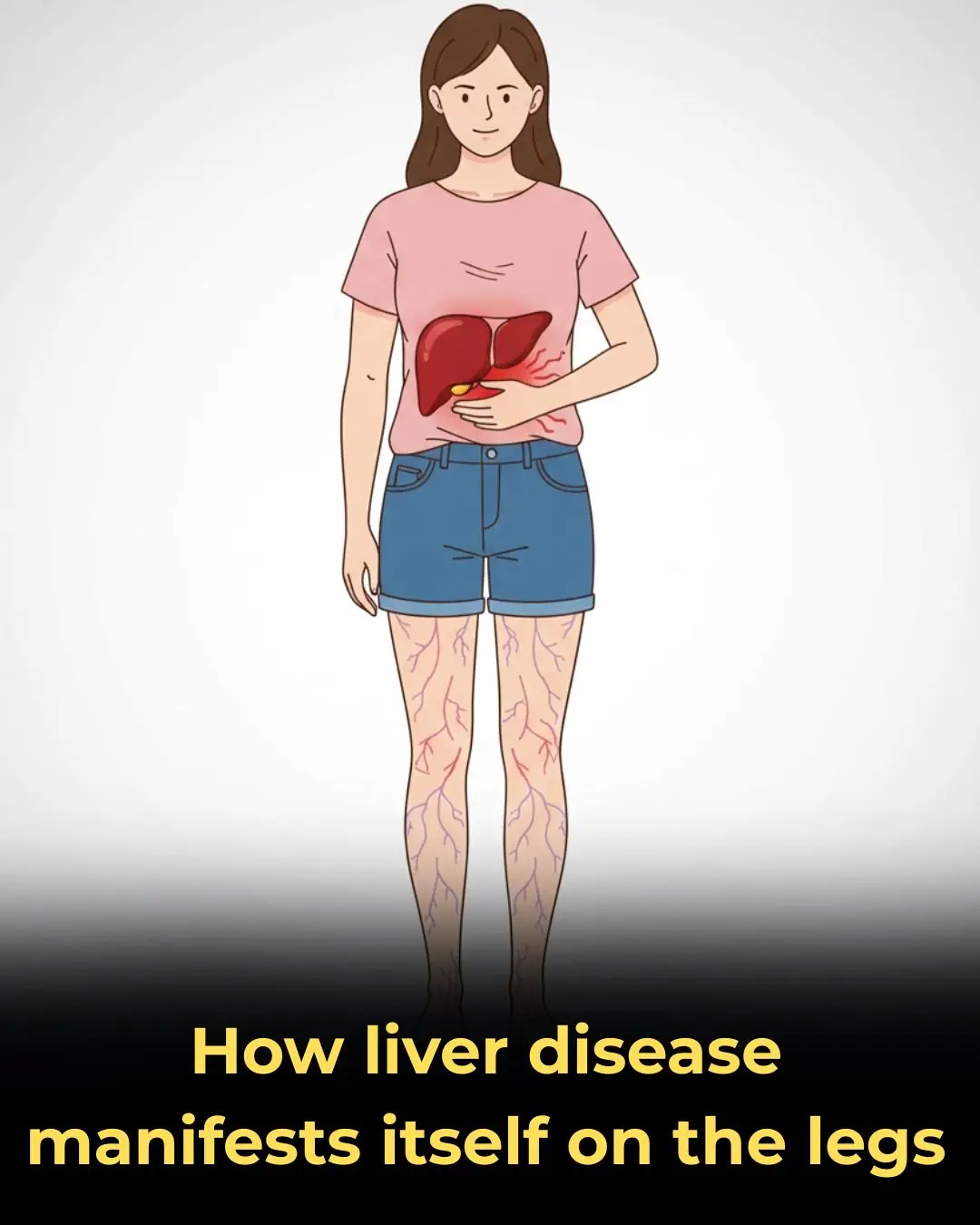
The liver produces essential clotting factors. When damaged, clotting becomes impaired.
MedicineNet notes that symptoms may include yellowing skin, intense itching, leg swelling, and intestinal bleeding.
End-stage kidney disease can cause easy bruising.
Dr. Charles Silberberg reports additional symptoms such as morning nausea, numbness, fatigue, metallic breath odor, and blood in the stool.
Some cancers and cancer treatments affect platelet production.
The National Cancer Institute notes that chemotherapy commonly causes bruising and small red/purple skin spots.
Inflammatory breast cancer may cause a persistent, bruise-like discoloration on the breast along with swelling, nipple changes, and pain.
The American Cancer Society adds that leukemia can lead to unexplained bruising, recurrent infections, fatigue, and weight loss.
It’s important to remember that serious diseases typically present with multiple symptoms, not bruising alone.
Most bruises resolve within two weeks. However, you should seek medical care if you experience any of the following symptoms, according to NHS and WebMD:
A bruise does not improve after two weeks
Frequent or unexplained bruising on the legs or other body areas
Suddenly bruising more easily than before
Severe pain around a bruise
Signs of infection, such as warmth, pus, fever, or increasing redness
Bruising accompanied by bleeding gums, nosebleeds, or extreme fatigue