How to Use Garlic to Get Rid of Pests: Mice, Flies, Lice, Cockroaches, Lizards, Mosquitoes, and Kitchen Cockroaches
Health 08/12/2025 00:43

Think vaping is a safer choice than smoking? Think again. The very device you might use to protect your health could be putting your heart at risk—without you even realizing it.
Vaping has rapidly become a popular alternative to smoking, especially among young people and those living in areas of high deprivation. While it’s often marketed as a “healthier” option compared to traditional cigarettes, recent research has started to challenge that belief. If you care about your heart—and want to separate hype from hard science—read on for the facts you need to make informed decisions.
Many people see vaping as a safer alternative to smoking. This is partly true—if you’re switching from cigarettes, vaping may expose you to fewer harmful substances. But that doesn’t mean it’s safe. New findings suggest the benefits of vaping over smoking might not be as clear-cut as once hoped. In fact, the idea that vaping is risk-free is rapidly fading in the face of new evidence.
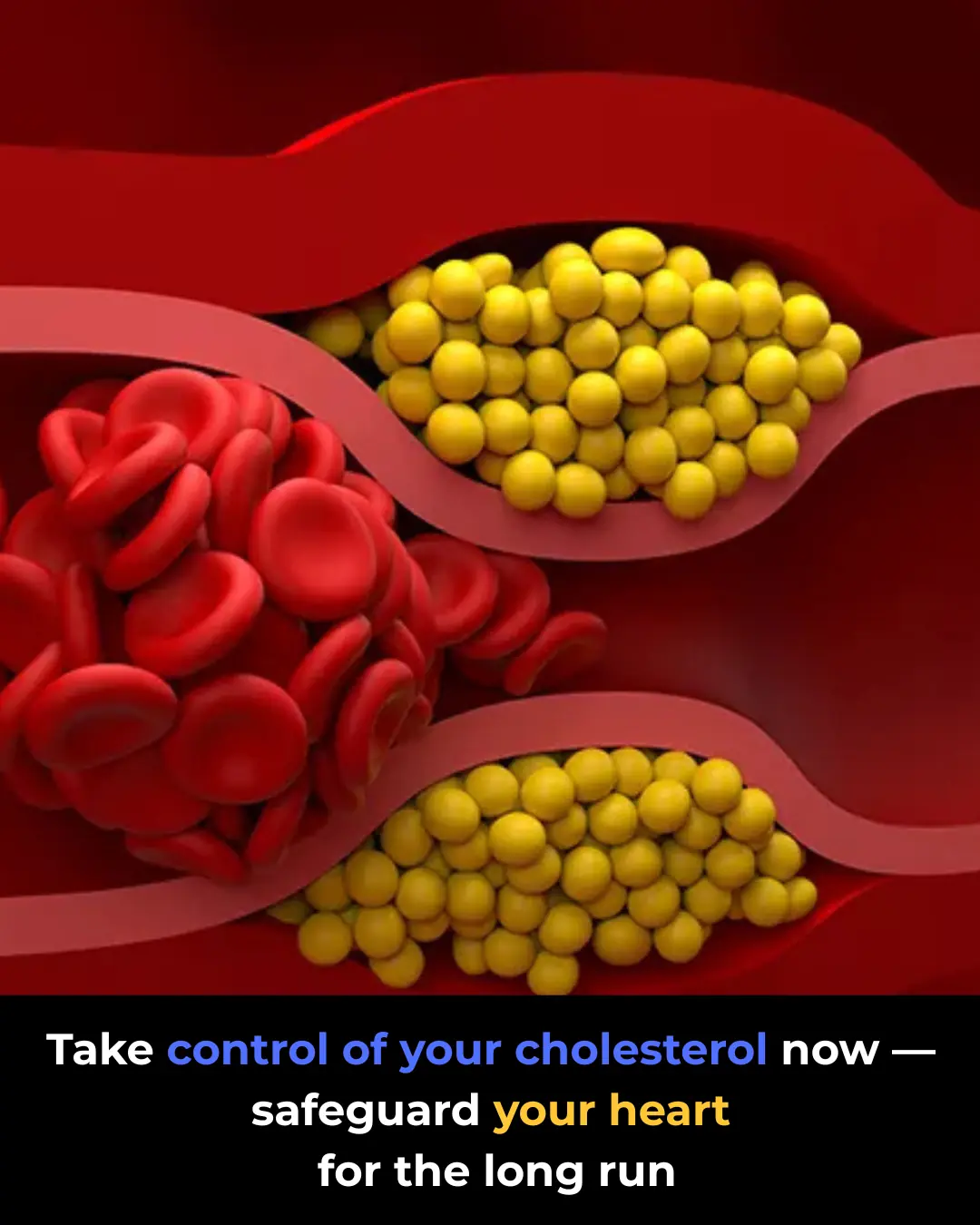
Vaping doesn’t exist in a vacuum. In the UK, smoking remains particularly common in the poorest areas. Why? Factors like financial hardship, job insecurity, chronic stress, and targeted marketing all play a part. People living in these communities often have the highest rates of both smoking and vaping—and they’re also most likely to have other heart disease risk factors, such as high cholesterol. If you’re in one of these groups, you could already be at higher risk.
Your arteries are lined with special cells called the endothelium. These keep blood flowing smoothly, regulate pressure, and prevent fats from building up and blocking your arteries. When you vape, tiny particles and chemicals from the vapor enter your bloodstream, where they can harm these delicate cells. Studies have shown that regular vapers experience impaired blood vessel function. Their arteries become less flexible—unable to expand and contract properly. This means blood can’t flow as efficiently, and the risk of blockages or clots goes up.
Multiple studies have now confirmed that vaping isn’t just a concern for smokers. In one research study, people who regularly vaped—even those who had never smoked—had arteries that were as stiff as those found in long-time smokers. Experiments in both animals and humans exposed to vaping linked the habit to higher blood pressure, reduced arterial flexibility, and clear signs of damage to blood vessels in the heart and brain. And this stiffening of your arteries isn’t just a number on a chart—it directly raises your chances of heart attack, stroke, and even dementia over time.
So, why does vaping cause this damage? When vapor is inhaled, it delivers nicotine (and other chemicals) deep into your blood. This triggers inflammation and oxidative stress—technical terms that mean your body’s defense systems go into overdrive. Unfortunately, this can mean your immune system starts attacking healthy blood vessels and tissues, creating long-lasting damage. Vaping also lowers your level of nitric oxide, a molecule that relaxes and protects your arteries, while at the same time increasing harmful molecules called free radicals. The combination is a recipe for weakened, less resilient arteries.
Vaping doesn’t just affect your arteries over time—it can produce changes after a single session. Research has shown that both blood pressure and heart rate rise soon after vaping. Continuous exposure puts a constant strain on your heart and arteries, which wears them down and sets the stage for chronic disease even if you never smoked cigarettes before.
Most NHS heart disease screenings in the UK focus on people aged forty and over. But according to recent studies, vaping is most common among people under forty—whose artery damage wouldn’t yet show up in routine screening. This means you could be accumulating years of hidden damage long before it’s detected or treated. Early arterial changes caused by vaping mirror those seen in smokers, setting up a higher lifetime risk of cardiovascular disease for today’s generation of vapers.
Given these risks, teaching young people about vaping is crucial. Innovative school programs such as “Catch Your Breath” and local initiatives like Essex’s “Break the Vape” aim to stop vaping before it starts or help teens who want to quit. Interactive activities and frank discussions give students the knowledge and tools to make better decisions about their health. The lesson? Vaping isn’t a harmless trend—it’s a real risk to your heart.
Heart disease doesn’t strike equally everywhere. Communities with lower incomes often deal with more smoking, more vaping, and less access to health services. Tackling vaping’s risks requires a “whole-system” approach—with schools, health services, councils, and local groups working together to address the root causes of vaping and other heart disease risk factors. Information alone isn’t enough; everyone needs support to break the cycle.
While vaping might seem like a safe escape from smoking’s harms, mounting evidence says it’s anything but harmless—especially when it comes to your heart. The damage it can do is often silent and invisible, showing up years after risk factors begin to build. Prevention and education—especially for young people—are the best way to protect the next generation from the hidden cardiovascular dangers of vaping. The choice is yours, but make it an informed one: your heart depends on it.