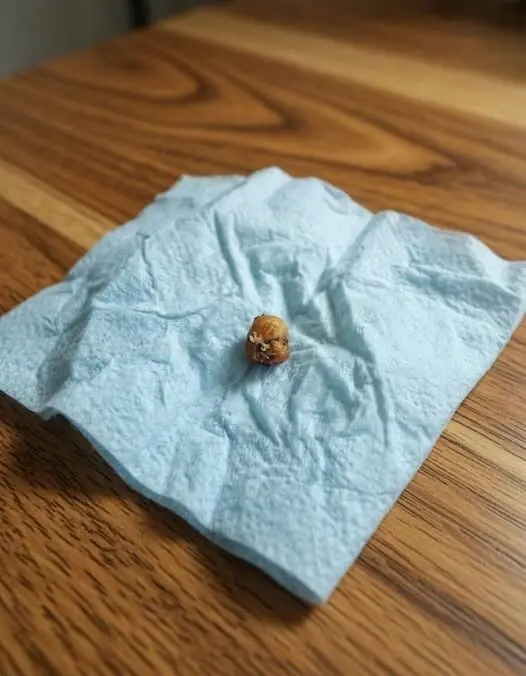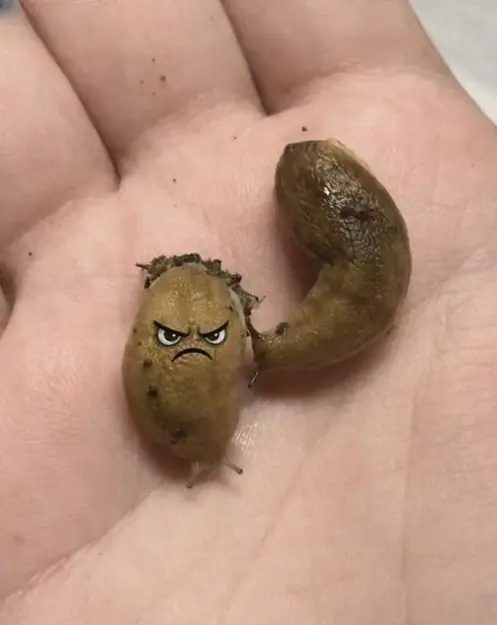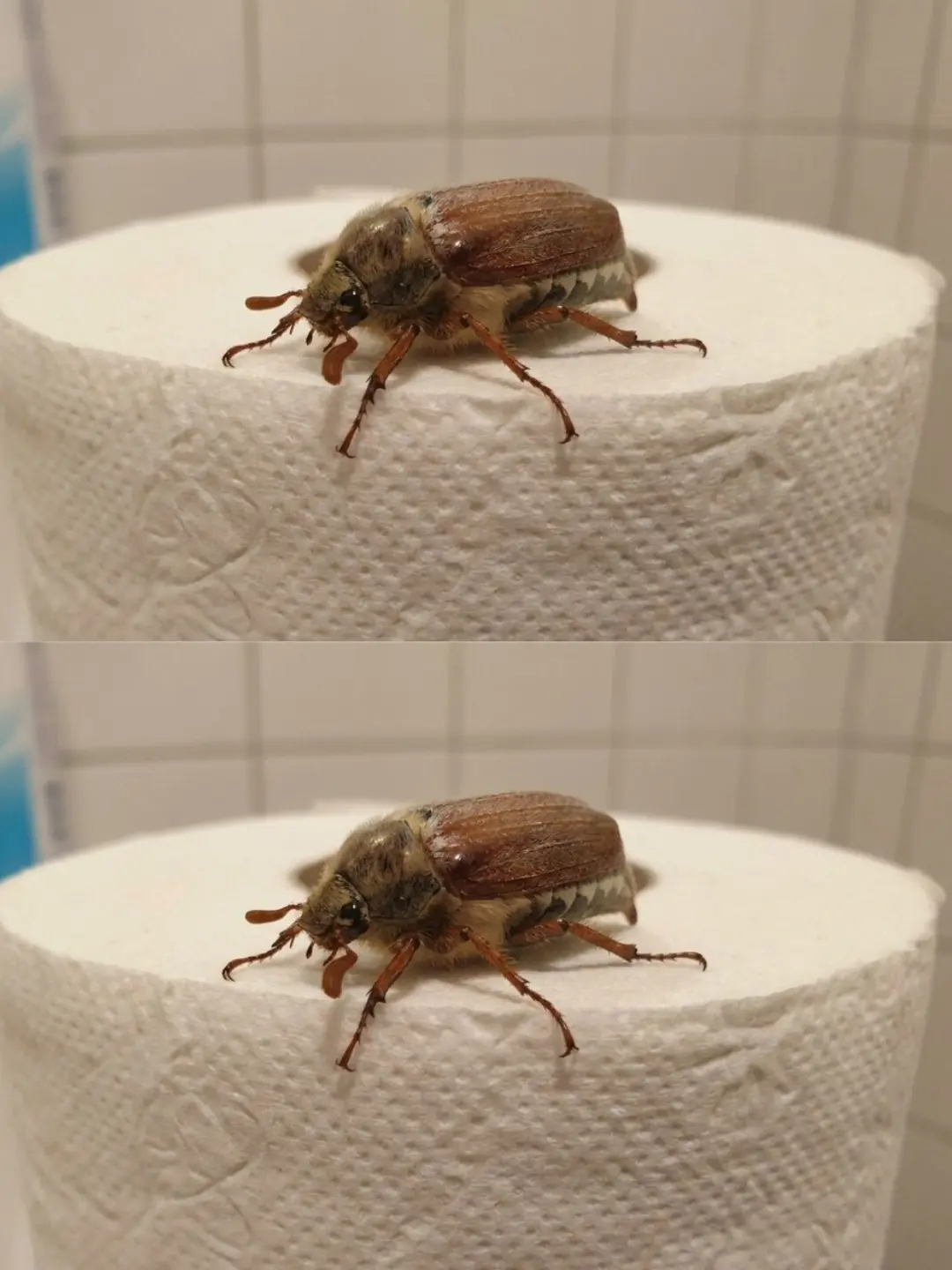
What is it and explain the answer.
Facts 26/05/2026 17:45
The sea mouse is one of the most unusual marine creatures found in the ocean.
Despite its name, it is not a mouse at all. It is a marine worm belonging to the phylum Annelida (segmented worms), class Polychaeta (bristle worms), and family Aphroditidae.
Scientists commonly refer to the best-known species as Aphrodita aculeata.
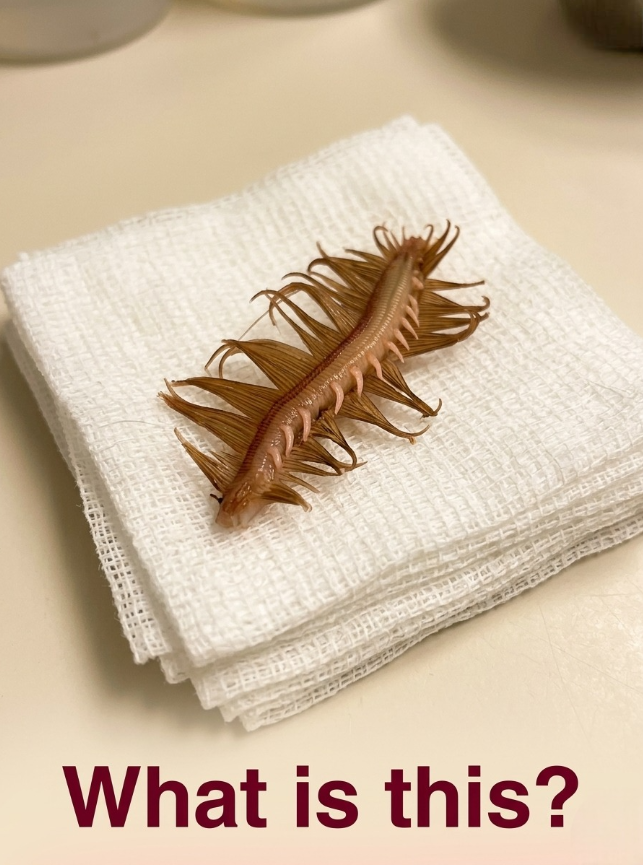
The nickname "sea mouse" comes from its appearance. Its body is oval, furry-looking, and covered with dense bristles, making it resemble a small hairy mouse when viewed from above.
Although it may look strange or even frightening, it is an important part of marine ecosystems.
A sea mouse typically grows between 10 and 20 centimeters (4–8 inches) long, although some individuals can become larger.
Its body consists of many segmented sections, typical of annelid worms. The upper surface is covered by a thick mat of fine bristles that often hide most of the animal's body.
One of the most fascinating features of the sea mouse is its iridescent bristles. Under sunlight or strong artificial light, these bristles can reflect brilliant colors such as:
Blue
Green
Purple
Gold
Red
This rainbow effect occurs because the microscopic structure of the bristles bends and reflects light, similar to how a prism works.
The colorful appearance serves several purposes:
Camouflage in changing underwater light conditions
Communication and signaling
Predator deterrence
The shimmering colors can confuse predators and make the worm appear larger or more threatening.
Sea mice are found in oceans around the world, particularly in:
North Atlantic Ocean
Mediterranean Sea
North Sea
English Channel
They generally inhabit:
Sandy seabeds
Muddy bottoms
Gravel-rich ocean floors
Coastal marine habitats
Sea mice are usually found at depths ranging from a few meters to several hundred meters below the surface.
Most of the time they remain partially buried in sediment, with only part of their bristly body exposed.
This behavior helps them:
Avoid predators
Ambush prey
Conserve energy
Protect themselves from strong currents
Because they spend much of their lives hidden beneath the seafloor, divers and beachgoers rarely encounter them.
Sea mice are carnivorous predators and scavengers.
Their diet commonly includes:
Small marine worms
Crustaceans
Tiny mollusks
Organic debris
Dead marine animals
Unlike earthworms, which feed on decaying plant matter in soil, sea mice actively hunt living prey.
They possess a retractable pharynx that can extend outward like a tube.
Inside this feeding structure are strong jaws capable of grabbing and tearing prey.
When hunting, a sea mouse may remain hidden beneath the sand.
As a small animal passes nearby, the worm quickly extends its mouth and captures it.
This ambush strategy allows the sea mouse to conserve energy while still obtaining food efficiently.
Sea mice also act as scavengers.
If they encounter dead fish or other animal remains, they will feed on those as well.
This scavenging behavior helps recycle nutrients back into the ecosystem.
Although protected by dense bristles, sea mice still face predators.
Animals known to feed on sea mice include:
Large fish
Crabs
Lobsters
Some seabirds
Certain marine mammals
The worm's bristles provide a defensive advantage.
Predators attempting to swallow a sea mouse may experience irritation in the mouth or digestive tract.
This makes many predators avoid eating them whenever possible.
The bristles are one of the most important adaptations of the sea mouse.
They serve multiple functions.
The sharp bristles create a physical barrier.
Predators may find them difficult or painful to bite.
The colorful reflections help break up the animal's outline underwater.
This makes it harder to spot.
The bristles can detect changes in water movement.
This allows the worm to sense approaching predators or prey.
Some bristles assist with movement across the seabed.
They help the animal grip sediment and crawl efficiently.
Humans can technically touch a sea mouse, but it is generally not recommended.
The reason is its bristles.
Although sea mice are not venomous in the way jellyfish or venomous fish are, their bristles can cause irritation.
Possible effects include:
Skin redness
Itching
Mild pain
Small puncture wounds
Temporary inflammation
The bristles are sharp and fragile.
If they break off inside the skin, they may produce discomfort similar to fiberglass splinters.
This is why marine biologists often handle sea mice using gloves.
For healthy adults, sea mice are generally not dangerous.
They do not:
Attack humans
Chase swimmers
Inject venom
Cause serious poisoning
However, direct contact can be unpleasant.
The main risk comes from the irritating bristles.
People with sensitive skin may experience stronger reactions.
In rare cases, an individual could develop an allergic response.
Symptoms might include:
Increased swelling
Severe itching
Skin rash
These reactions are uncommon but possible.
If you accidentally handle a sea mouse:
Wash the affected area with clean water.
Remove visible bristles carefully using tweezers.
Avoid rubbing the skin.
Apply a mild antiseptic if needed.
Seek medical attention if significant swelling or allergic symptoms occur.
Most cases resolve quickly without complications.
Sea mice play an important ecological role.
As predators, they help regulate populations of smaller marine animals.
As scavengers, they assist in removing dead organic material from the seabed.
This contributes to:
Nutrient recycling
Ecosystem balance
Sediment health
Marine biodiversity
Without organisms like sea mice, organic debris would accumulate more rapidly on the ocean floor.
The sea mouse is not related to rodents despite its name.
It belongs to the same major animal group as earthworms and leeches.
Its colorful bristles inspired scientific research into advanced optical materials.
Some researchers study its bristles to develop new light-reflecting technologies.
The shimmering colors are produced by microscopic structures rather than pigments.
The sea mouse is a fascinating marine bristle worm that lives on sandy and muddy ocean floors. It feeds on small marine animals and organic matter, acting as both predator and scavenger. Its most distinctive feature is the dense covering of iridescent bristles that shimmer in rainbow colors under light. These bristles help protect the animal, aid camouflage, and provide sensory information.
Although sea mice are not dangerous predators and pose little threat to humans, their bristles can cause skin irritation if touched. For this reason, direct handling should be avoided unless protective gloves are used. Far from being a harmful creature, the sea mouse is an important member of marine ecosystems and one of the ocean's most unusual and visually remarkable worms.