Boost Your Natural Energy: The Gentle Power of Lemon, Ginger & Honey
Health 09/03/2026 18:12
Stomach cancer, also known as gastric cancer, is a disease that begins in the lining of the stomach—an organ located between the esophagus and the small intestine. The stomach plays a critical role in digestion by breaking down food with the help of stomach acid and digestive enzymes. When abnormal cells in the stomach lining begin to grow uncontrollably, they can form a malignant tumor.
Although researchers have not identified a single definitive cause of stomach cancer, several known risk factors can increase a person’s likelihood of developing the disease. These include genetic predisposition, biological sex, infections, and lifestyle factors. Approximately two-thirds of people diagnosed with stomach cancer are over the age of 65, and the condition is more common in males than females.
Symptoms of stomach cancer can vary widely and are often vague in the early stages. Many people experience mild digestive discomfort that may be mistaken for indigestion or other common gastrointestinal issues. As a result, stomach cancer is frequently diagnosed at later stages, when treatment becomes more complex. Common treatments include surgery, chemotherapy, radiation therapy, and newer targeted or immune-based therapies. In the United States, an estimated 26,500 new cases of stomach cancer are diagnosed each year.
Stomach cancer is not a single disease but includes several types that originate in different cells within the stomach.
The most common form is adenocarcinoma, which accounts for approximately 90% to 95% of all stomach cancer cases. This type develops in the mucosa, the innermost layer of the stomach lining that produces mucus and digestive juices.
There are two main subtypes of gastric adenocarcinoma:
Intestinal adenocarcinoma, which tends to grow more slowly and often responds better to treatment due to identifiable genetic mutations that can be targeted with therapy.
Diffuse adenocarcinoma, which spreads more aggressively throughout the stomach wall and is generally more difficult to treat.
Other, less common types of stomach cancer include:
Gastrointestinal stromal tumors (GISTs): Tumors that develop in connective tissue and can occur anywhere in the digestive tract, most often in the stomach.
Neuroendocrine tumors (NETs): Slow-growing tumors that arise from hormone-producing cells and nerve-like cells.
Lymphomas: Cancers that originate in lymphocytes, immune cells that line parts of the digestive tract and can form tumors in the stomach.
In its early stages, stomach cancer often causes no symptoms or only mild digestive discomfort. This is one of the main reasons the disease is frequently diagnosed late.
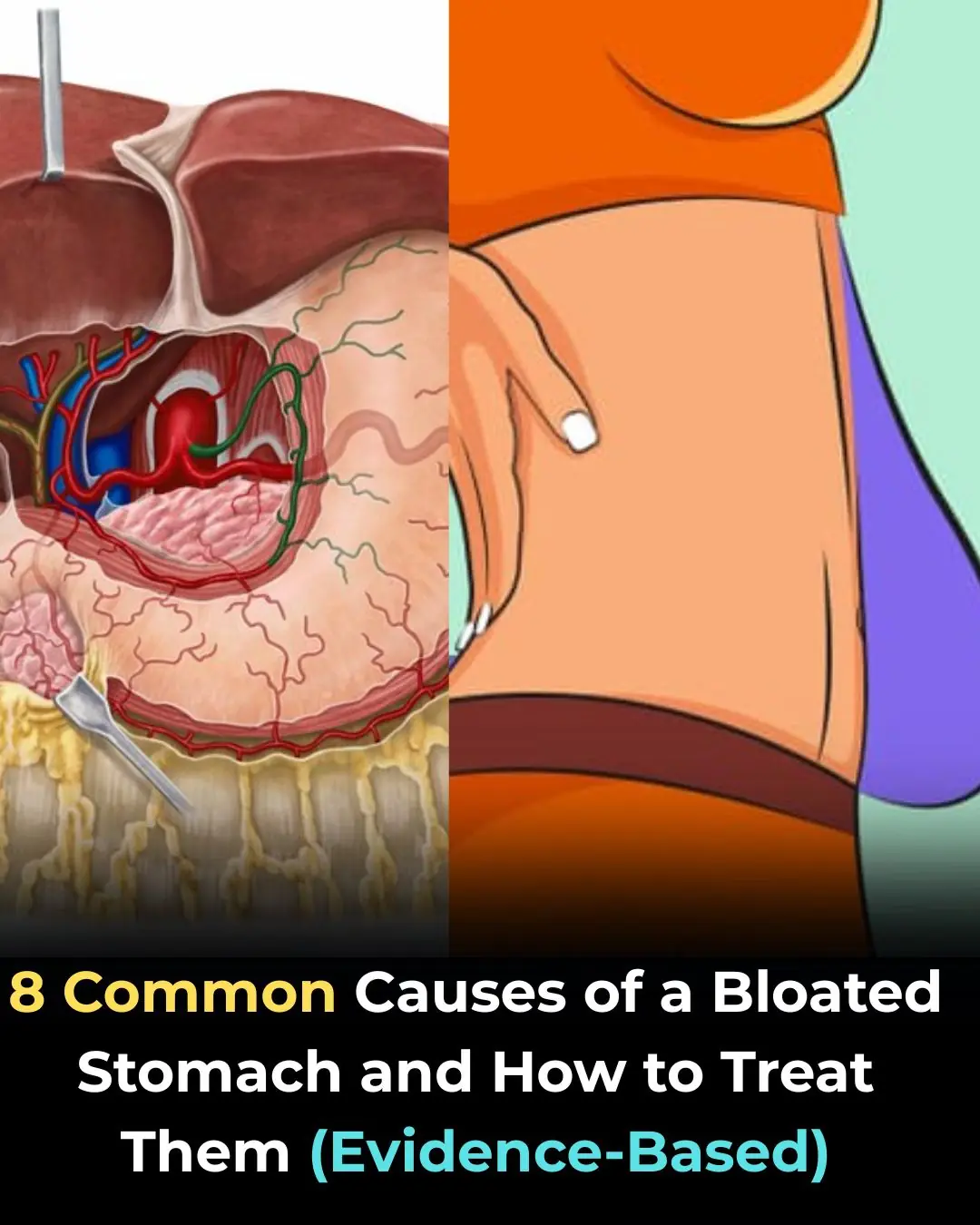
Early symptoms may include indigestion, bloating, or vague abdominal discomfort. As the cancer progresses, symptoms may become more pronounced and include:
Blood in the stool
Nausea and vomiting
Persistent heartburn
Feeling full after eating small amounts
Loss of appetite
Unintended weight loss
Jaundice, caused by elevated bilirubin levels
Difficulty swallowing (dysphagia)
Ongoing abdominal pain or swelling
Fatigue and weakness
Because many of these symptoms overlap with conditions such as acid reflux, gastritis, or stomach ulcers, they may be overlooked. Any persistent or worsening symptoms should be evaluated by a healthcare provider.
Stomach cancer develops when cells in the stomach lining undergo genetic mutations that cause them to grow uncontrollably and spread. While the exact trigger for these mutations is not fully understood, research has identified several contributing factors.
One of the strongest known associations is infection with Helicobacter pylori (H. pylori), a bacterium that lives in the digestive tract. H. pylori can damage the stomach lining and convert certain substances in food into carcinogenic chemicals, increasing the risk of DNA mutations and precancerous changes.
Precancerous conditions linked to stomach cancer include:
Atrophic gastritis: Chronic inflammation leading to the loss of gland cells in the stomach
Intestinal metaplasia: Replacement of stomach lining cells with intestinal-type cells
Dysplasia: Abnormal cell growth and changes in cell structure caused by DNA damage
These changes may develop gradually over many years before progressing to cancer.
Stomach cancer risk is influenced by both modifiable and non-modifiable factors. While some risks can be reduced through lifestyle changes, others cannot be altered.
Common risk factors include:
Age over 65
Male sex
Prior or ongoing H. pylori infection
Chronic stomach inflammation
Diet high in salted, smoked, or pickled foods
Smoking and tobacco use
Excess visceral body fat
Heavy alcohol consumption
Previous stomach surgery
Stomach polyps
Pernicious anemia
Epstein-Barr virus (EBV) infection
Family history of stomach cancer
Inherited genetic conditions can also significantly increase risk, including hereditary diffuse gastric cancer (HDGC), Lynch syndrome, familial adenomatous polyposis (FAP), Li-Fraumeni syndrome, and Peutz-Jeghers syndrome.
Because early stomach cancer often lacks clear symptoms, diagnosis commonly occurs at advanced stages. If stomach cancer is suspected, a healthcare provider will begin with a physical exam and a detailed medical history.
Diagnostic tests may include:
Blood tests: To detect anemia or signs of internal bleeding
Upper endoscopy: A camera-equipped tube used to examine the stomach lining
Biopsy: Removal of tissue samples for laboratory analysis
HER2 testing: Identifies proteins that may respond to targeted therapy
Laparoscopy: Determines whether cancer has spread beyond the stomach
Imaging studies such as CT scans, PET scans, endoscopic ultrasound, MRI, and chest X-rays may be used to assess tumor size and spread. Routine screening for stomach cancer is not typically recommended in the U.S. due to its relatively low incidence.
Treatment depends on the cancer’s stage, location, and overall health of the patient. When diagnosed early, the goal is remission. In advanced stages, treatment focuses on symptom relief and quality of life.
Treatment options include:
Surgery: Removal of part or all of the stomach
Chemotherapy: Used before or after surgery, or as primary treatment
Radiation therapy: Shrinks tumors or relieves symptoms
Targeted therapy: Attacks specific cancer cell proteins such as HER2
Immunotherapy: Enhances the immune system’s ability to fight cancer
Although stomach cancer cannot always be prevented, certain steps may reduce risk:
Eat a diet rich in fruits, vegetables, whole grains, and lean proteins
Limit processed, smoked, and pickled foods
Exercise regularly
Avoid tobacco and excessive alcohol
Treat H. pylori infections promptly
People with stomach cancer are more likely to experience other health conditions, including high blood pressure, diabetes, liver disease, lung disease, and heart disease. These conditions may increase the risk of complications during treatment or recovery.
Living with stomach cancer can be physically and emotionally demanding. Even after treatment ends, long-term side effects may persist. Some patients experience dumping syndrome, which causes nausea, diarrhea, sweating, and flushing after meals due to rapid digestion following stomach surgery.
Nutritional support is essential. Patients may need to eat smaller, more frequent meals or rely on feeding tubes temporarily. Ongoing follow-up care, dietary guidance, and a healthy lifestyle are crucial for recovery and long-term health.