What To Know About Hormonal Imbalance
Hormones are chemicals in the body that send signals from one part of the body to another.1 They are part of the endocrine system. Humans have over 50 hormones circulating in their bodies that regulate everything from appetite to reproduction to blood sugar.2
A hormone imbalance occurs when your level of any of these hormones becomes too high or too low or if your body doesn’t respond to hormones effectively.3
Many conditions are associated with hormone imbalances, including diabetes, thyroid disease, Cushing's disease, Addison's disease, and disorders of the reproductive system.45
Hormonal Imbalance Symptoms
Symptoms of hormonal imbalances vary widely. There are many different types of hormones in the body, and they affect the body in varying ways. Hormonal imbalances can affect your growth, development, reproductive system, thyroid function, metabolism, blood sugar balance, and more.2
Hormone disruptions can lead to symptoms such as:67
- Headaches
- Trouble concentrating
- Muscle weakness or pain
- Movement challenges
- Fatigue
- Irregular periods
- Delayed puberty
- Developmental and growth abnormalities
- Mood swings
- Metabolism shifts, including weight loss or gain
Specific hormones can cause certain symptoms—for example, thyroid hormones, reproductive hormones, and insulin.
Thyroid Hormones
Imbalances in thyroid hormones can cause various symptoms, depending on whether you are producing too much thyroid hormone (hyperthyroidism) or not enough (hypothyroidism).8
Common Symptoms of Thyroid Disease HypothyroidismHyperthyroidismFeeling cold Hand and finger trembling Muscle weakness or pain Increased appetite Depression Irritability and anxiety Excessive fatigue Trouble sleeping Weight gain Unexplained weight lossConstipation More frequent bowel movements Slow heart rate Racing heartbeat Puffy face Bulging of the eyes Decreased sweating Increased sweating Office on Women’s Health. Thyroid disease.Reproductive Hormones
When your reproductive hormones are out of balance (e.g., estrogen, testosterone), you may experience:9
- Irregular and/or heavier or lighter periods
- Trouble getting pregnant
- Hot flashes
- Difficulty sleeping
- Mood changes
- Changes in libido (sex drive)
Insulin
When your body doesn't produce enough insulin or doesn't respond to it effectively, you will experience symptoms of blood sugar irregularities, which can lead to diabetes. Possible symptoms include:10
- Exhaustion
- Heightened thirst
- Increased need to pee
- Blurry vision
- Numbness and tingling in feet and hands
- Unexplained weight loss
These are not all of the possible symptoms you may experience, and you may have a hormone imbalance with none of these symptoms. It all depends on which hormones are out of balance and the condition causing the imbalance.
You might also experience these symptoms without a hormonal imbalance. That’s why it’s important to speak to your healthcare provider if you have any unusual or concerning symptoms.
Causes
Hormone imbalances happen when part of your endocrine system doesn't function normally. This can occur when:1
- Your body does not produce enough of a particular hormone
- Your body produces too much of a particular hormone
- Your body doesn't produce a particular hormone effectively
- Your body can't respond normally to a particular hormone
There are many reasons why these hormone disruptions occur, including the following:1
- A benign (non-cancerous) growth on the gland produces the hormone.
- Genetic factors cause your endocrine system to be dysfunctional.
- Hormones fluctuate when you start puberty, if you become pregnant, and during the transition to menopause.
- Stress can cause hormones (e.g., cortisol) to fluctuate.
- Steroid use and misuse can cause fluctuations in hormones—for example, higher testosterone due to anabolic steroids or Addison's disease (when the adrenal glands don't produce enough hormones like cortisol and aldosterone) due to glucocorticoids (e.g., prednisone).
- An autoimmune disorder (when the body’s immune system mistakenly attacks an endocrine gland) can increase or decrease that gland's hormone production.4
Diagnosis
Hormonal imbalances are diagnosed through a number of methods, depending on your symptoms and the underlying condition.
If you show signs of hormonal imbalance, make an appointment with a healthcare provider. They will review your health history and ask questions about your current symptoms and how they have progressed. They will likely perform a physical exam.
The healthcare provider will need to check your hormone levels to understand how your endocrine system functions. Hormone levels are checked through blood draws or urinalysis (urine tests).5
Since hormone levels change throughout the day, your tests may need to be scheduled at specific times. You may need to fast before a blood test or ingest a specific drink—for example, a sugary beverage—to measure your blood sugar response.5
Hormonal Imbalance Treatment
The treatment for hormonal imbalances varies widely, depending on the cause and the part of the endocrine system affected. Here are some examples:4
- Replacing a hormone that you are deficient in (e.g., taking thyroid medication, hormone replacement therapy, or hormonal birth control)
- Decreasing the overproduction of a specific hormone (e.g., with radiation therapy, surgery, or medication)
- Using receptor antagonist drugs to block the body’s response to specific hormones
- Removing a tumor that disrupts hormone production
- Taking medication that makes your body less resistant to a hormone
How To Prevent Hormonal Imbalance
It’s not always possible to prevent a hormone imbalance. For example, hormone imbalances caused by genetics, infections, or benign tumors may not be preventable.1 However, some hormone imbalances are caused or worsened by factors you can control.
The following strategies may help prevent, delay, or reduce your symptoms:7
- Reduce stress.
- Increase fluid intake.
- Eat a well-balanced, nutrient-rich diet.
- Engage in regular physical activity.
- Make sure you get enough sleep.
- Keep up with your preventative medical care.
- Contact a healthcare provider if you develop new or concerning symptoms.
Type 1 diabetes is usually not preventable, but type 2 diabetes can typically be prevented through lifestyle modifications. These modifications include engaging in daily exercise and eating a well-balanced diet of nutrient-dense whole foods and low sugar.11
Limit Exposure To Endocrine Disruptors
Endocrine disruptors, or endocrine-disrupting chemicals (EDCs), are natural or manmade chemicals that may affect how the endocrine system works. Examples include bisphenol A (BPA) in manufacturing and food packaging and phthalates in cosmetics and fragrances.12
Related Conditions
Many types of endocrine disorders are associated with hormone imbalances, including:45
- Diabetes
- Hyperthyroidism
- Hypothyroidism
- Cushing's disease (too much cortisol)
- Puberty-related conditions (early puberty, delayed puberty)
- Reproductive disorders like ovarian insufficiency, low testosterone, and polyendocrine metabolic ovarian syndrome (PMOS), the condition formerly known as polycystic ovary syndrome (PCOS)
- Addison's disease (adrenal glands don't function effectively)
- Acromegaly (too much growth hormone)
- Childhood growth disorders (gigantism, short stature)
- Autoimmune disorders like lupus, rheumatoid arthritis (RA), Hashimoto's disease, and Graves' disease
Of these conditions, type 1 diabetes is the most common, affecting over 11% of the United States population.713
Thyroid disorders and disorders that involve the female reproductive system are other common endocrine disorders.14 Autoimmune disorders—which include multiple sclerosis (MS), type 1 diabetes, lupus, and RA—affect over 50 million people in the U.S.15
Frequently Asked Questions
-
How can you check your hormone balance?
Hormone levels can be checked through blood tests or urine tests.
-
What drinks help you balance your hormones?
There is no specific drink that will help you balance your hormones. However, dehydration and electrolyte imbalance are sometimes associated with hormone imbalances, so staying well-hydrated is important.7
-
When should hormone levels be checked?
Hormone levels should be checked anytime you show signs of a hormone imbalance. Signs of hormone imbalances vary depending on which hormones are involved but may include fatigue, weakness, headache, and mood changes.6

News in the same category


5 Health Benefits of Pistachios

Understanding the Causes of Black Gums

8 Common Nail Problems—and What They Could Mean

10 Creams That Can Relieve Your Psoriasis

Health Benefits of Dandelion

5 Serious Side Effects of Taking Too Much Vitamin D

How To Tell if Your Tattoo Is Infected—And What You Should Do if It Is

Polyphasic Sleep Schedules: Benefits and Risks

Husbands With These 2 Bad Habits May Put Their Wives at Higher Risk of Breast Cancer - Stop Them Now Before They Harm The Whole Family

4 Clear Signs That Appear 15 Minutes Before a Stroke: Call for Immediate Help

Severe headache, deep coma due to ruptured cerebral aneurysm

Could Your Blood Sugar Be Too High?

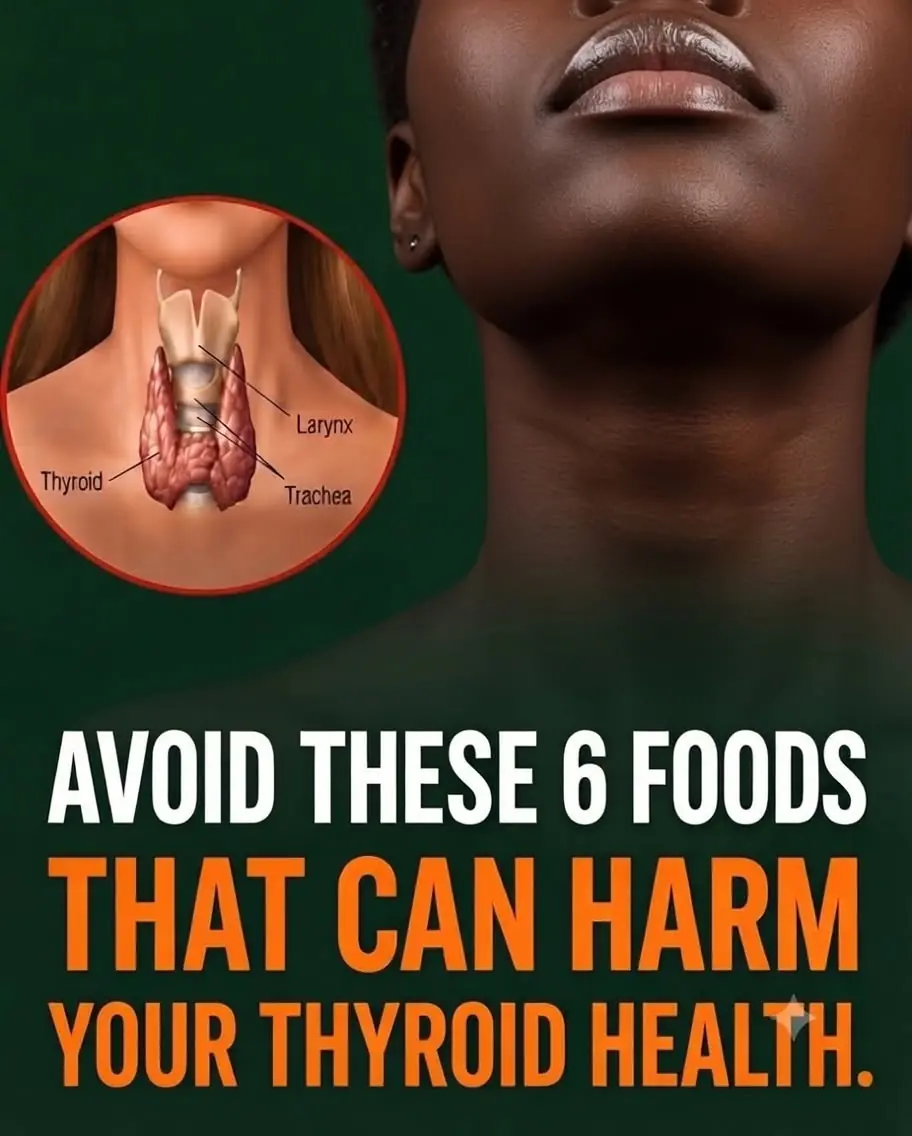
6 Foods That Some People With Thyroid Conditions May Need to Limit

These 8 Persistent Symptoms Could Be Your Body's Early Warning Signals

10 Early Warning Signs of Breast Cancer You Should Never Ignore

Quinoa: Health Benefits & Nutrition Facts (Based on Science)

Purslane (Portulaca Oleracea): The Weed with Extraordinary Benefits (Science Based)

The Silent Signal: What Your Legs May Reveal About Pancreatic Health
News Post

His Own Children Abandoned Their Helpless Father in a Remote Forest for His Money—But a Massive Wolf Did the Unthinkable

What Is an Endoscopy?

5 Health Benefits of Pistachios

To win the competition, my rival broke my right leg and called me a “loser”; But she could never have imagined what I would do in response to such cruelty

Understanding the Causes of Black Gums

8 Common Nail Problems—and What They Could Mean

10 Creams That Can Relieve Your Psoriasis

Health Benefits of Dandelion

5 Serious Side Effects of Taking Too Much Vitamin D

How To Tell if Your Tattoo Is Infected—And What You Should Do if It Is

Polyphasic Sleep Schedules: Benefits and Risks

Husbands With These 2 Bad Habits May Put Their Wives at Higher Risk of Breast Cancer - Stop Them Now Before They Harm The Whole Family

4 Clear Signs That Appear 15 Minutes Before a Stroke: Call for Immediate Help

Severe headache, deep coma due to ruptured cerebral aneurysm

Could Your Blood Sugar Be Too High?

6 Foods That Some People With Thyroid Conditions May Need to Limit

These 8 Persistent Symptoms Could Be Your Body's Early Warning Signals

10 Early Warning Signs of Breast Cancer You Should Never Ignore