Tips 19/03/2026 09:23
Why This Tiny Herb Has Been Used for Healing for Thousands of Years
For something so small, oregano carries a surprisingly powerful story.
Sitting quietly among kitchen spices, it’s easy to overlook. Most people know it as a simple herb sprinkled over pizza or pasta—something that adds flavor, not function. But long before it became a staple in modern cooking, oregano held a very different role.
It was medicine.
Thousands of years ago—long before laboratories, pharmacies, or modern prescriptions—even the earliest civilizations were already turning to nature for healing. Among the many plants they trusted, oregano stood out. Not because it was rare or exotic, but because it worked.
Today, science is finally catching up to what ancient cultures seemed to understand all along.
A Remedy Rooted in History
Imagine a wooden table in an ancient home. The air is warm, filled with the earthy scent of dried herbs. A mortar and pestle sit at the center, grinding leaves into a fine, fragrant mixture. There are no labels, no pills—just plants, tradition, and knowledge passed down through generations.
Oregano was often part of that ritual.
In ancient Greece and Rome, it wasn’t just used for cooking. Healers relied on it to treat a variety of conditions—from infections to digestive discomfort. It was seen as a plant that could cleanse, protect, and restore balance within the body.
The name “oregano” itself comes from Greek roots meaning “joy of the mountains,” hinting at how highly it was valued.
But for centuries, this knowledge remained largely anecdotal—respected, but not fully understood.
Until now.
What Modern Science Has Discovered
Fast forward to today, and researchers have begun to analyze oregano at a molecular level. What they’ve found is surprisingly compelling.
Oregano contains powerful natural compounds, most notably carvacrol and thymol. These aren’t just random plant chemicals—they are bioactive substances with strong effects on microorganisms.
Studies have shown that these compounds possess antimicrobial and antifungal properties. In simple terms, they can help fight against harmful bacteria and fungi that may threaten the body.
This helps explain why oregano was historically used to treat infections—even without the scientific tools to identify pathogens.
What ancient healers observed through experience, modern science is now validating through evidence.
A Natural Defense System
One of the most fascinating aspects of oregano is how it supports the body’s natural defenses.
Rather than acting like a targeted drug that attacks a single issue, oregano works more broadly. Its compounds may help create an environment that is less friendly to harmful microbes, while also supporting the body’s own immune responses.
In addition to its antimicrobial effects, oregano is rich in plant-based antioxidants. These compounds help neutralize free radicals—unstable molecules that can contribute to inflammation and cellular damage.
And that’s where things get even more interesting.
The Link to Inflammation
Inflammation is a natural process in the body. It’s part of how we heal. But when inflammation becomes chronic, it can contribute to a wide range of health issues.
Oregano contains compounds that may help reduce inflammation, offering a gentle, plant-based way to support overall wellness.
This doesn’t mean oregano is a cure-all—but it does suggest that its benefits go far beyond flavor.
It’s not just what oregano does—it’s how many things it may influence at once.
From Tradition to Research
For generations, oregano was used because people believed in it. They saw results, passed down knowledge, and continued the practice.
Now, we’re seeing a shift.
What was once considered “traditional wisdom” is increasingly being supported by scientific research. Researchers are exploring oregano extracts, essential oils, and their potential applications in modern health contexts.
This doesn’t replace medicine—but it adds another layer of understanding.
It bridges the gap between past and present.
Why It Still Matters Today
In a world filled with advanced medical technology, it might seem strange to look back at something as simple as an herb.
But that’s exactly why oregano is so fascinating.
It reminds us that some of the most powerful tools for supporting health don’t always come from complex formulas or synthetic compounds. Sometimes, they come from nature—quietly, consistently, and effectively.
Oregano has remained relevant for thousands of years not because of hype, but because of its potential.
And in an age where people are increasingly interested in natural wellness, that matters more than ever.
A Simple Herb with a Lasting Legacy
So the next time you see oregano, it may look a little different.
Not just as a seasoning—but as a symbol of something deeper. A connection between ancient healing practices and modern scientific discovery.
A reminder that knowledge doesn’t always start in a lab.
Sometimes, it starts with a plant… a tradition… and a simple observation that stood the test of time.
And now, after thousands of years, we’re finally beginning to understand why.
News in the same category
People Are Obsessed With This Tiny Detail on Their Hands
3 Things Appear in This Image
Plants That Protect Your Home
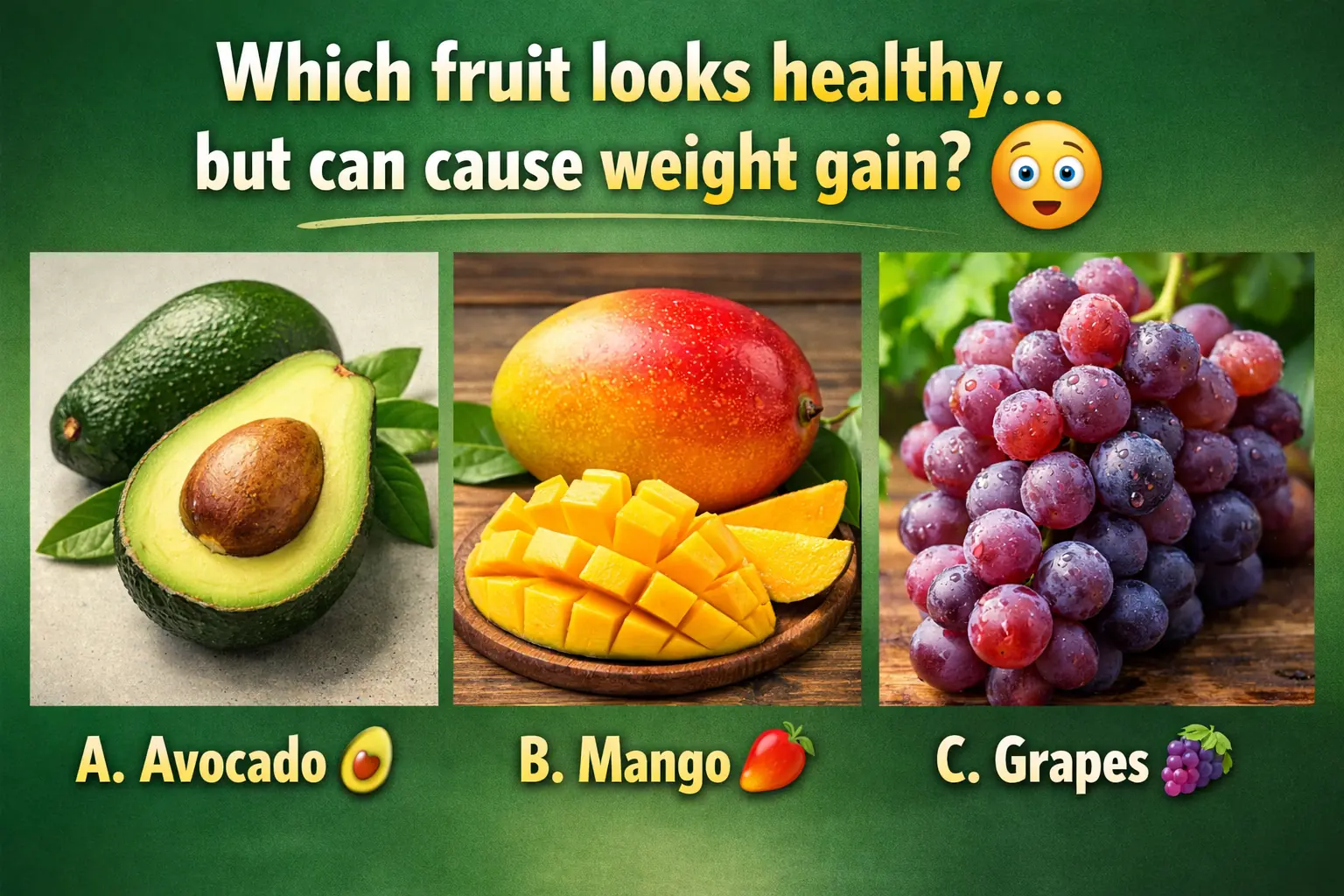
🛑 THE HEALTHY TRAP: Which Fruit is Secretly Sabotaging Your Weight Loss? 🧐

What Your Choice Says About Your Relationship Maturity: A Psychological Deep Dive

The Surprising Truth About Intermittent Fasting: It’s Not Just About Weight Loss What Is Intermittent Fasting ?
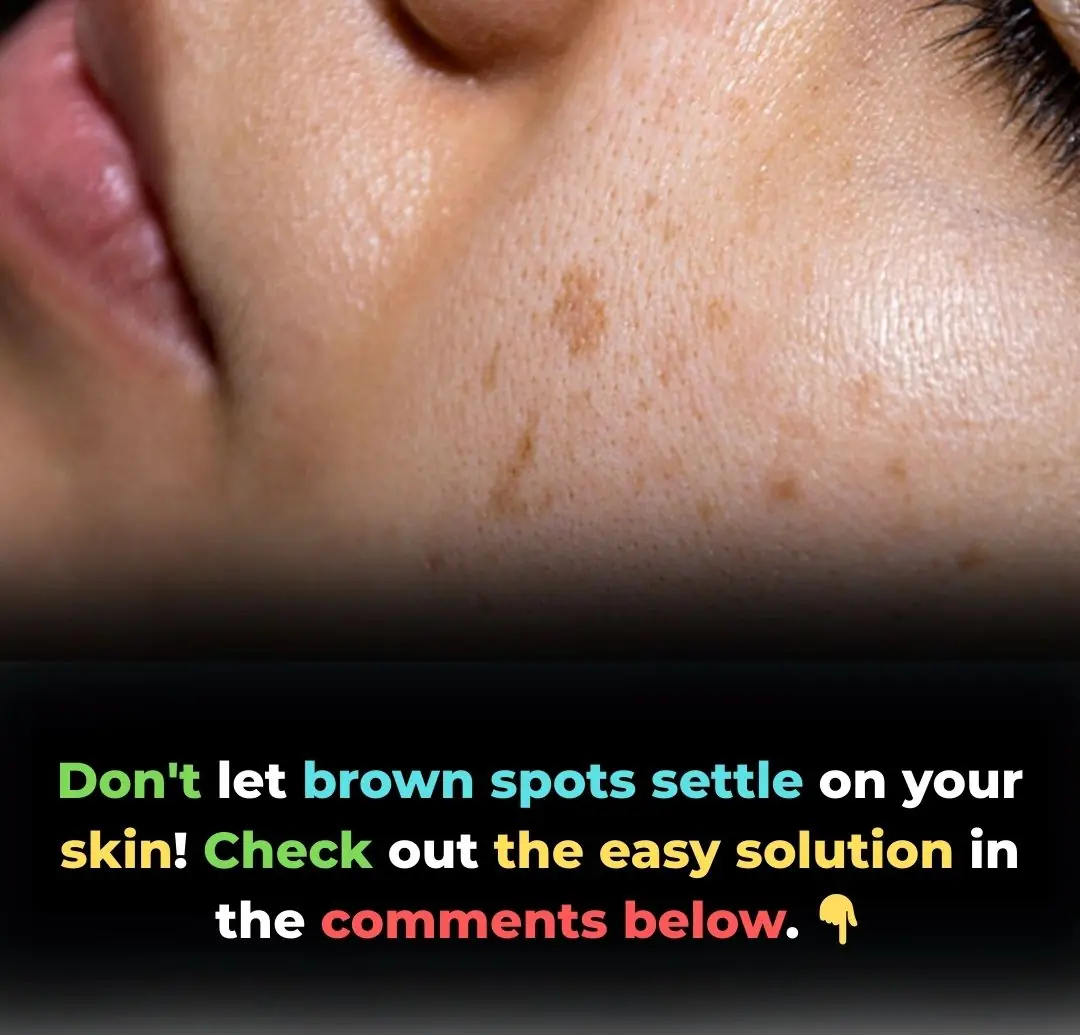
Causes and Solutions for Dark Spots
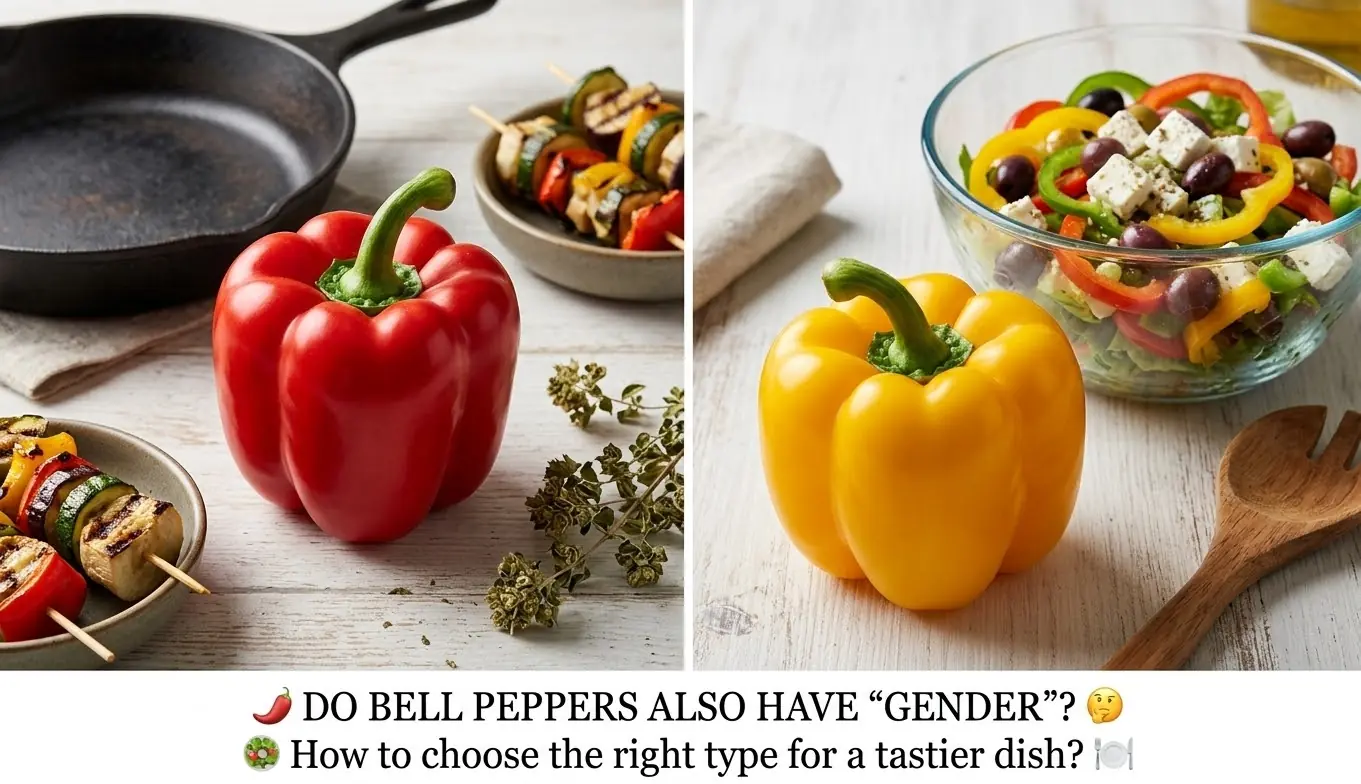
The Bell Pepper Gender Myth: How to Actually Choose the Best Pepper

Which Man Makes You Feel the Most Secure? What Your Choice Reveals About Your Personality

How to Track Ovulation and Boost Fertility for Successful Conception
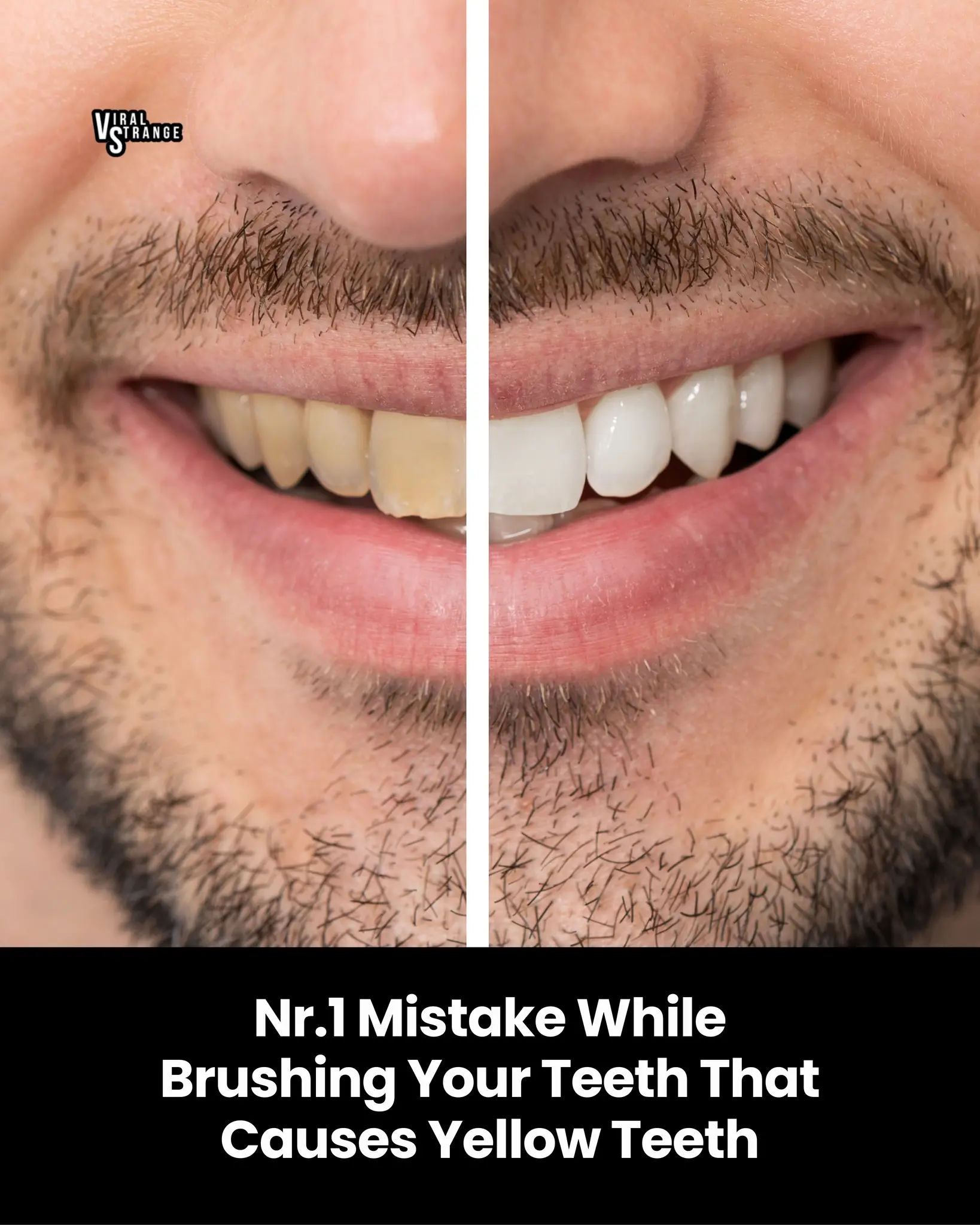
One Morning Habit Could Be Turning Your Teeth Yellow
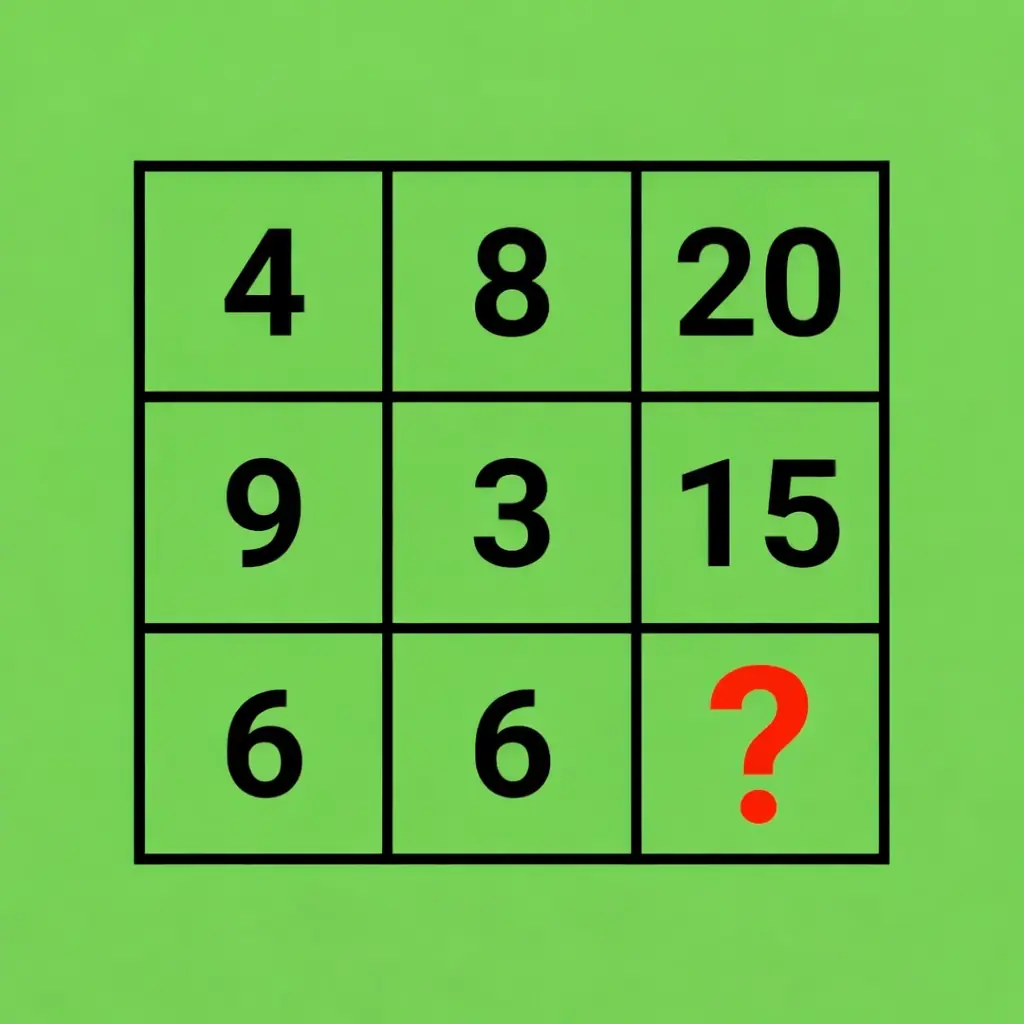
Crack the Code: Can You Solve This Viral Logic Math Puzzle?
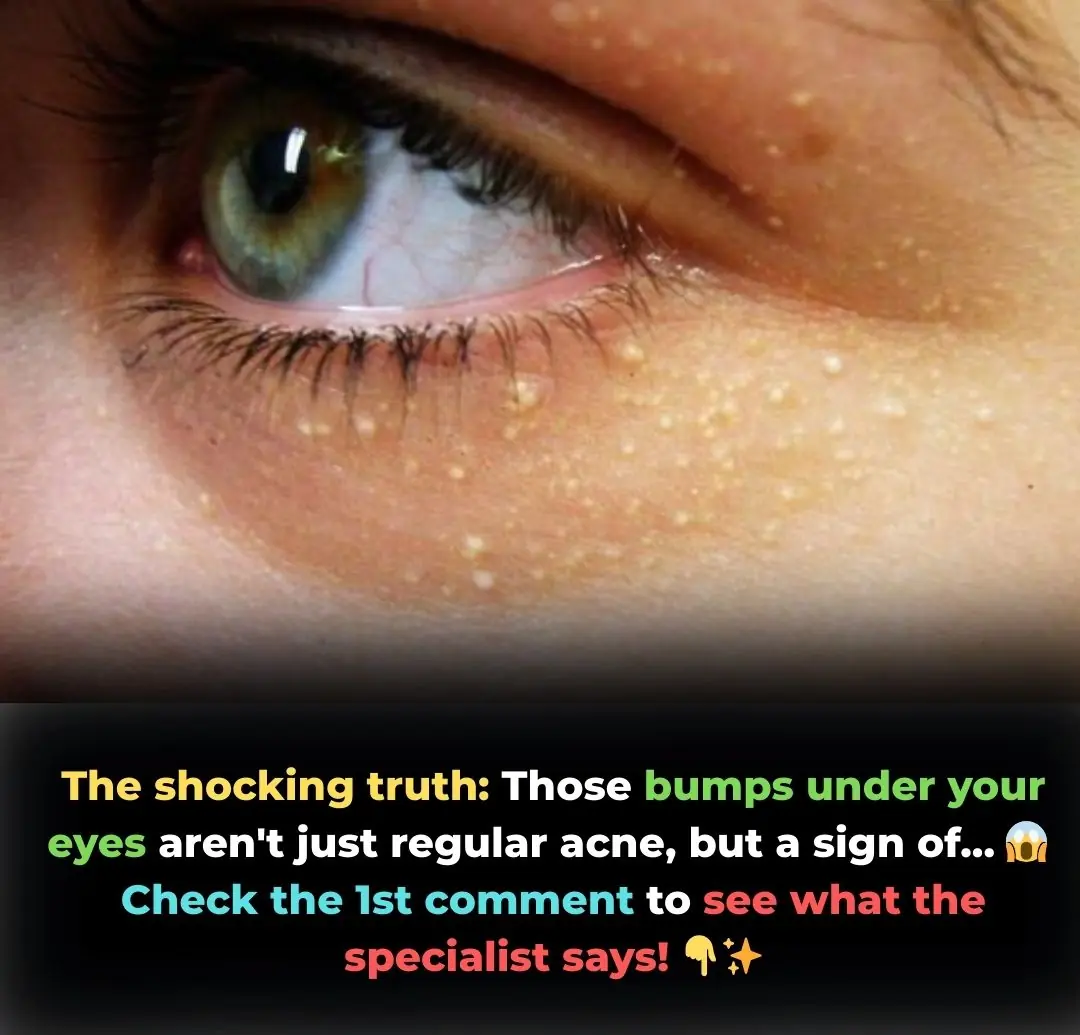
White Bumps Under Eyes: Is It Milia or High Cholesterol? (Xanthelasma Guide)
The 40 vs. 20 Vitality Paradox: Why Young Men Are Running Out of "Fuel" (And How to Reverse It)
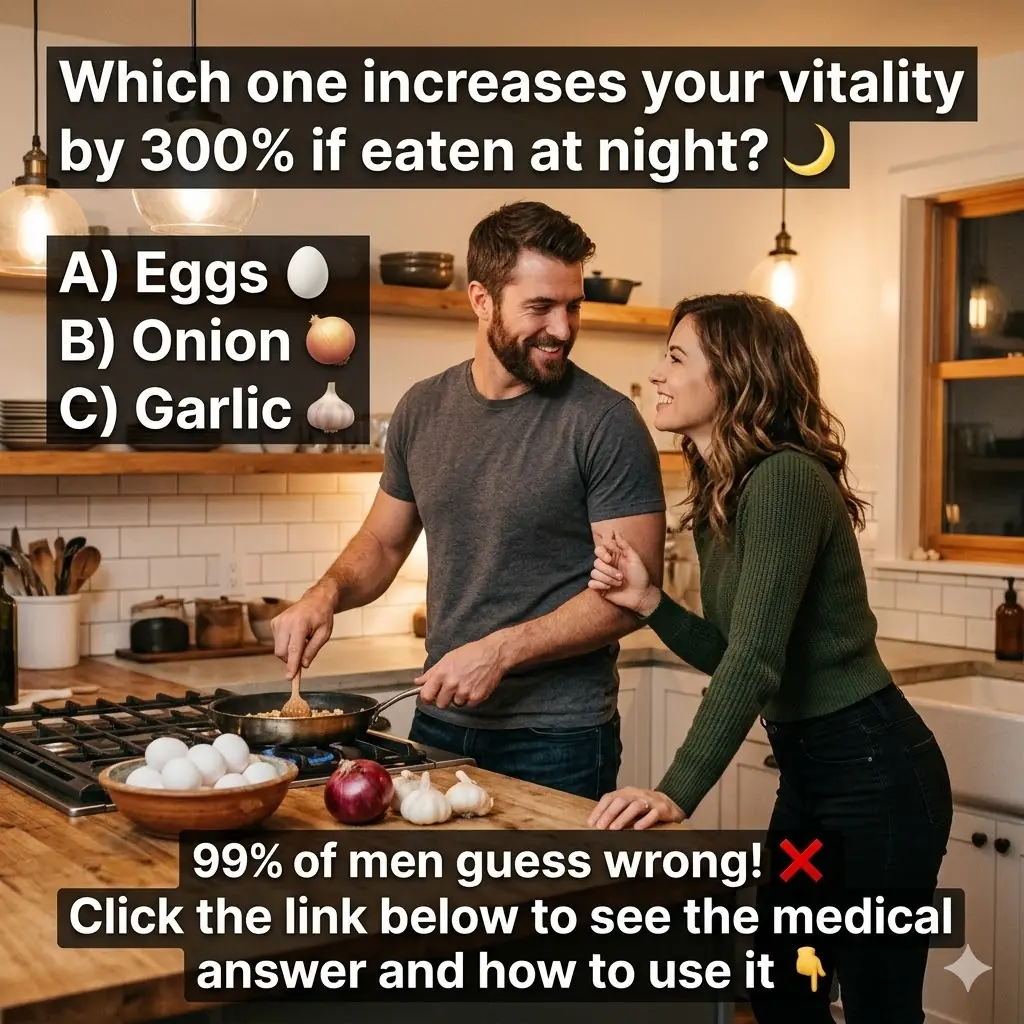
Which Food Can Boost Vitality at Night? The Surprising Answer Most Men Guess Wrong
This is why... I am doing this tonight...
Scientific decoding: Why are lollipops actually "edible glass"?
News Post

THE TRUTH ABOUT THE "MIRACLE PILL" DOCTORS WARN YOU NOT TO ABUSE 😨
Health 19/03/2026 10:34
This “Weird” Onion Drink Is Trending — But Does It Actually Help Your Eyes?
Health 19/03/2026 10:26

❤️ SENSATION: "The Loneliest Guy on Social Media" Finally Has a Girlfriend!?
News 19/03/2026 09:32
The First Three Colors You See Reveal The Burden You Carry ...
Facts 19/03/2026 08:37
Silverfish: if This Animal Comes to Your Home...
Health 19/03/2026 08:35
When Ants Randomly Crawl Into The House,...
Tips 19/03/2026 08:32
People Are Obsessed With This Tiny Detail on Their Hands
Tips 19/03/2026 08:30
3 Things Appear in This Image
Tips 19/03/2026 08:28
Fruit That May Help Keep Blood Sugar in Check
Health 19/03/2026 08:26

An old woman Says To The Hells Angels: “Hello Sir, My daughter Has a Tattoo Just Like Yours” — what?
Life stories 19/03/2026 07:49
Plants That Protect Your Home
Tips 18/03/2026 23:24
What Do Dirty Fingernails Really Say About a Person
Facts 18/03/2026 23:11
Can You Spot the Hidden Mistake in This Hospital Picture?
Facts 18/03/2026 22:57

Disabled Boy Found a Hells Angel Grandma Bound in a Van, Left To Die, 1,073 Bikers Gasped
Life stories 18/03/2026 22:49

When our children returned to the hospital the next morning—pretending to be attentive, pretending to care—my bed was empty. The nurse simply said:
Beatuty Tips 18/03/2026 22:44

After bu.rying my husband, I told no one about the ticket I had bought for a year-long cruise. A week later, my son told me, “Now that Dad is d.ead, you’ll take care of our new pets every time we travel.”
Beatuty Tips 18/03/2026 22:42

During Christmas, I decided to drop my 8-year-old daughter with her three-year-old sister at my parents house and said, “You guys head inside. I have to check on your dad in hospital.” But my parents turned them away.
Life stories 18/03/2026 22:42

My dad paid my boyfriend $75,000 to dump me and marry my cousin. “Jessica needs him more. You’ll never be enough, Emma.” Three years later, at my brother’s wedding, when they saw me… they turned pale. Because I was now…
Beatuty Tips 18/03/2026 22:37

“Too short, too fat”: The day 75,000 people went to receive a miracle in Naples
Beatuty Tips 18/03/2026 22:30